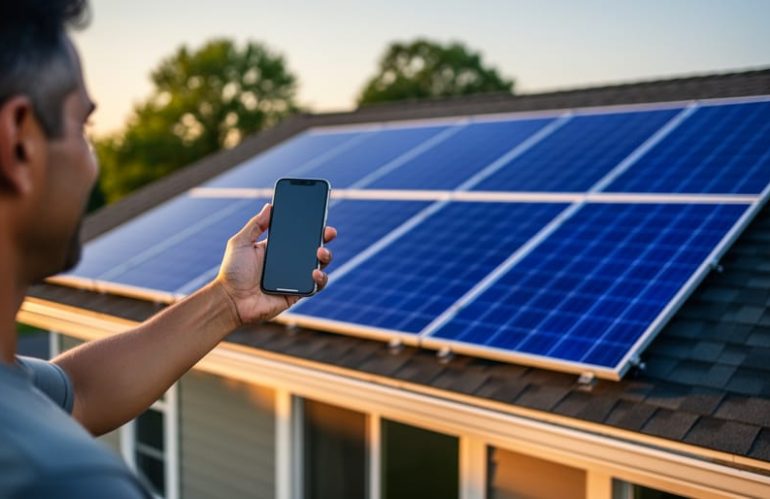
Your solar panels promised lower energy bills and a smaller carbon footprint, but are they actually delivering? Most homeowners never check their panel performance until something feels wrong—a surprisingly high electricity bill or a nagging suspicion that your system isn’t pulling its weight. The good news: testing your solar panel output takes less than 15 minutes and requires nothing more sophisticated than your smartphone and the monitoring app that came with your system.
Understanding whether your panels are working at peak efficiency protects your investment and ensures you’re getting the savings you signed up for. A solar system that’s underperforming by just 20% could cost you hundreds of dollars annually without you even noticing. Whether your panels are brand new or have been on your roof for years, regular output checks catch problems early—from something as simple as dirt buildup to more serious issues like faulty inverters or damaged cells.
You don’t need an engineering degree or expensive equipment to get accurate readings. The testing process breaks down into straightforward steps that tell you exactly what’s happening with your system right now. You’ll learn to compare your actual output against expected performance, identify the most common culprits behind efficiency drops, and know exactly when to grab a garden hose versus when to call a professional. Taking control of your solar panel performance means taking control of your energy savings.
Why Your Solar Panel Output Matters More Than You Think
Your solar panels represent a significant financial investment, typically ranging from $15,000 to $25,000 for most homes. Like any major investment, their performance directly impacts your bottom line. Here’s something many homeowners don’t realize: even a 10% drop in efficiency can cost you hundreds of dollars annually in lost energy production.
Let’s break this down with a real-world example. If your system is designed to save you $1,500 per year on electricity bills, a modest 15% efficiency loss means you’re missing out on $225 every single year. Over your system’s 25-year lifespan, that adds up to $5,625 in unrealized savings. Suddenly, that seemingly small performance dip becomes a major financial concern.
Many people believe solar panels are a set-it-and-forget-it solution. The truth is, they require periodic monitoring to ensure they’re delivering the returns you invested in. Think of it like your car: regular check-ups keep everything running smoothly and prevent small issues from becoming expensive problems.
The good news? Catching efficiency losses early means you can take action before those losses compound. A simple layer of dust, a loose connection, or minor shading issues are all fixable problems that, when addressed promptly, keep your savings on track.
Testing your solar panel output isn’t about being paranoid or pessimistic. It’s about being smart with your money and protecting an investment that should be working hard for you every single day. Regular testing gives you confidence that your system is performing as promised and peace of mind that your path to energy independence stays on course.
Signs Your Solar Panels Might Be Underperforming
What Your Energy Bills Are Telling You
Your monthly electricity bill is actually a report card for your solar panels, and learning to read it can save you hundreds of dollars. The most obvious red flag is when your bill suddenly jumps without any change in your energy usage habits. If you’re paying more for grid electricity than usual, your panels might not be producing at their expected levels.
Look for consistent patterns over several months rather than reacting to one unusual bill. Seasonal variations are normal, but a steady decline in solar contribution compared to previous years deserves attention. Many utility companies now provide detailed breakdowns showing how much solar energy you generated versus how much grid power you purchased. If your solar production numbers are dropping while weather conditions remain similar, that’s your cue to investigate.
Compare your current bills to the same months from previous years. A well-maintained solar system should show relatively stable performance year over year. Spotting these patterns early means you can address small issues before they become expensive problems, keeping your savings on track and your panels working hard for you.
Visual Clues on Your Panels
Before you pull out any testing equipment, your eyes can tell you a lot about why your solar panels might be underperforming. A simple visual inspection can reveal common culprits that reduce your energy production and cost you money.
Start with dirt and debris. Dust, leaves, bird droppings, and pollen create a barrier between sunlight and your panels. Even a thin layer can reduce output by 5-10%, which translates directly to higher electric bills. If you notice buildup, a gentle cleaning might be all you need to restore peak performance.
Next, check for shading issues. Trees grow, and what wasn’t a problem two years ago might now cast shadows on your panels during peak sun hours. Morning or afternoon shade from new construction or overgrown branches can significantly impact your system’s productivity. Walk around your property at different times of day to spot these patterns.
Look for visible damage like cracks in the glass, discoloration, or burn marks on individual panels. These signs indicate serious problems that won’t fix themselves. Damaged panels can create weak points in your entire system, dragging down overall performance.
Finally, inspect the wiring and connections for corrosion, loose cables, or exposed wires. These issues not only reduce efficiency but can pose safety risks.
The good news? Many visual problems have straightforward solutions. Catching them early protects your investment and keeps those energy savings flowing into your pocket rather than disappearing due to preventable issues.
Simple Tests You Can Do Yourself
Reading Your Inverter Display
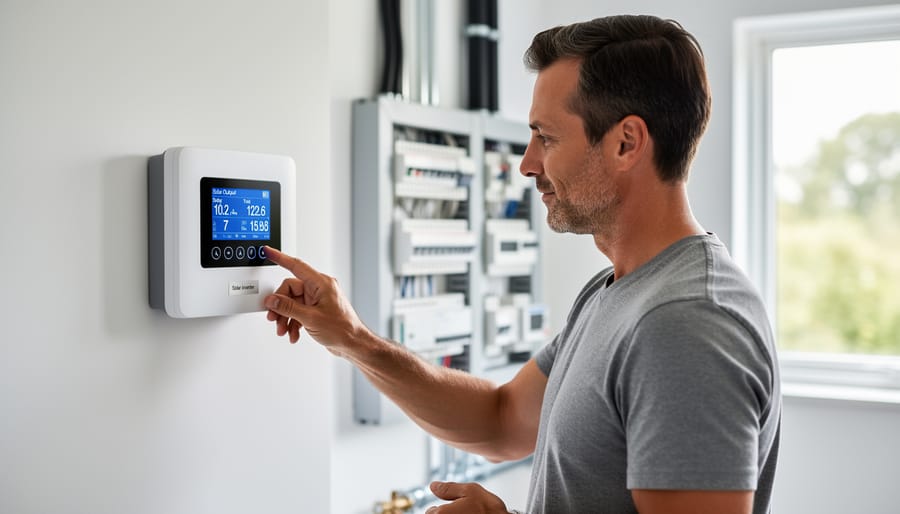
Your inverter is essentially your solar system’s report card, showing you exactly how much power your panels are generating right now. The good news? Reading it is simpler than checking your car’s dashboard.
Most inverters display a few key numbers on their screen or monitoring app. The most important one is “Current Power Output” or “Power Now,” usually measured in kilowatts (kW). This tells you how much electricity your panels are producing at this exact moment. On a sunny afternoon, a typical home system might show anywhere from 3 to 10 kW depending on your system size.
You’ll also see “Daily Energy Production,” measured in kilowatt-hours (kWh). This number resets each day and shows your total output since sunrise. Think of kW as your speed and kWh as your distance traveled. Many inverters also display a lifetime production total, which is wonderful for tracking your long-term savings.
Look for a status indicator, usually a green light or “OK” message. This confirms everything is working properly. Some inverters show individual string performance if you have multiple panel arrays, helping identify if one section is underperforming.
Check your inverter during peak sun hours, typically between 11 AM and 2 PM, for the most meaningful readings. Morning and evening numbers will naturally be lower. Regular inverter maintenance ensures these displays stay accurate and your system keeps delivering maximum savings.
Using Your Monitoring App the Right Way
Your monitoring app is like a fitness tracker for your solar panels—it shows you exactly how hard they’re working. The key number to watch is your daily kilowatt-hour (kWh) production, which tells you how much electricity you’re generating. Compare this against your system’s expected output, which your installer should have provided at setup.
Look for your peak production hours, typically between 10 AM and 2 PM on sunny days. If these numbers seem lower than usual, it might signal an issue. Most apps also display your system’s efficiency percentage—anything above 75% is generally good news, though this varies by season and weather.
Pay attention to trends rather than single-day numbers. A cloudy week will naturally show lower production, but a steady decline over several weeks could indicate problems like dirty panels or equipment issues. Many apps let you compare month-to-month or year-to-year data, helping you spot patterns.
The best part? Most monitoring systems will alert you automatically if production drops significantly, giving you peace of mind without constant checking. Think of it as your solar panels sending you a quick heads-up when they need attention.
The Sunny Day Baseline Test
Creating your own performance benchmark is easier than you might think. Pick a clear, sunny day when there’s no cloud cover – typically between 10 AM and 2 PM when the sun is strongest. Make sure your panels are clean and free from shadows cast by trees or buildings.
Check your monitoring app or inverter display and record the current power output in kilowatts (kW). Take readings at 15-minute intervals for about an hour to account for any minor fluctuations. Calculate the average, and there’s your sunny day baseline. This number represents what your system should produce under ideal conditions.
Why does this matter? Because it gives you a reference point for the future. If you run the same test six months later and see output has dropped by 15-20% or more, you’ll know something needs attention – whether that’s cleaning, maintenance, or a service call.
Keep a simple log with the date, weather conditions, and your readings. Many homeowners find that just two or three baseline tests per year are enough to catch potential issues early, protecting their investment and ensuring maximum savings on their energy bills.
When to Call in the Professionals
What Professional Testing Involves
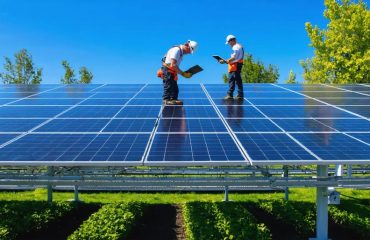
When your solar panels seem underperforming, a professional inspection can uncover issues invisible to the naked eye. Technicians use specialized equipment that goes far beyond basic multimeter readings.
The most comprehensive test is called IV curve analysis, which maps your panel’s electrical performance across different conditions. Think of it as a detailed health checkup rather than just taking your temperature. This test reveals subtle degradation patterns and helps identify whether problems stem from the panels themselves or other system components.
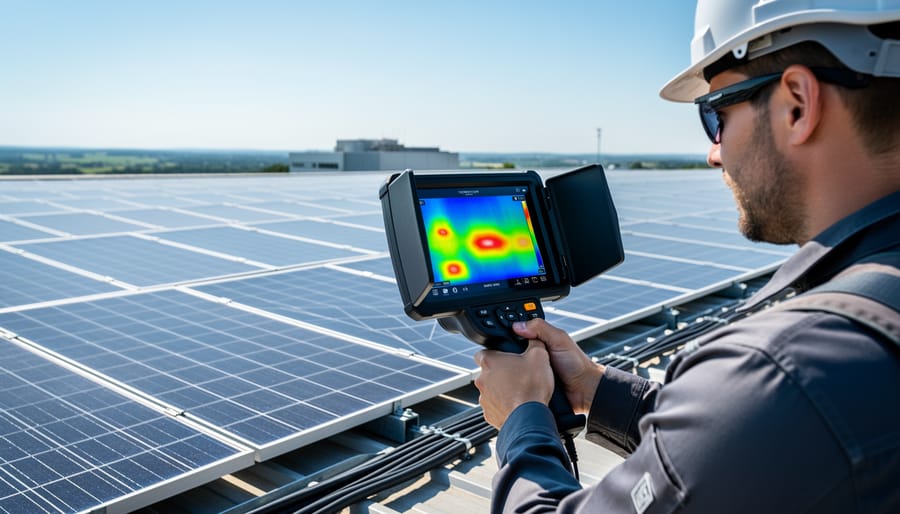
Thermal imaging is another powerful diagnostic tool. Using infrared cameras, technicians can spot hot spots indicating damaged cells, poor connections, or manufacturing defects. These temperature irregularities often signal problems before they cause complete panel failure, potentially saving you from costly repairs down the road.
Professional testing typically costs between $150 and $400, depending on your system size and location. While that might seem like an expense, catching problems early often prevents larger losses. A single malfunctioning panel can reduce your entire system’s output by 20% or more, costing you hundreds annually in lost energy production. Professional diagnostics give you concrete data about your system’s health and actionable recommendations for maximizing your solar investment.
Making Sense of Your Test Results
Professional test reports might look intimidating at first, but they’re actually straightforward once you know what to look for. Your report will typically show your panels’ current power output compared to their rated capacity. If your panels are producing 80-90% of their original rating, that’s completely normal after a few years of use. Anything below 75% deserves attention and may indicate issues like dirt buildup, shading problems, or equipment failure.
The report should also include voltage and current measurements for each panel string. Significant variations between panels often point to specific problems rather than general aging. Look for recommendations in plain language—good solar professionals will explain whether issues require immediate action or can wait. Remember, even panels performing at 85% efficiency are still saving you money on electricity bills. The key is identifying problems early before they impact your savings significantly, and understanding that some performance decline is expected and perfectly acceptable.
Common Culprits Behind Low Solar Output
Easy Fixes That Restore Performance
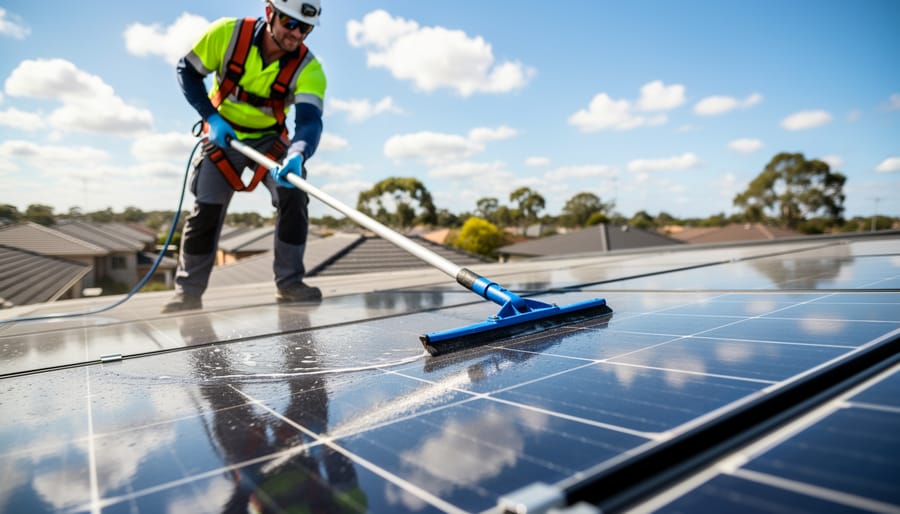
Good news—most solar panel performance issues have surprisingly simple solutions that won’t break the bank. Often, a basic cleaning session can restore 15-25% of lost output. Dust, pollen, bird droppings, and leaves create a film that blocks sunlight from reaching your cells. Regular cleaning your panels with water and a soft brush typically does the trick.
Shading is another common culprit. If nearby trees have grown over the years, strategic trimming can dramatically improve performance. Even partial shade on one panel can affect your entire system’s output, so this simple fix delivers real financial returns.
Check your connections too. Loose wiring or corroded terminals are easy to spot and fix. Tighten any loose bolts and clean minor corrosion with a wire brush. If you notice damaged wiring or cracked panels, contact a professional—these repairs are straightforward but require proper expertise. Remember, addressing small issues now prevents expensive problems later while keeping your energy savings on track.
When Equipment Needs Attention
If your testing reveals more serious issues, there’s good news: most solar equipment comes with substantial warranties that protect your investment. Inverter problems, which can cause significant output drops, are typically covered for 10-25 years depending on your system. Panel degradation beyond normal rates (usually guaranteed at 80-90% performance after 25 years) also falls under warranty protection in most cases.
Professional solar technicians can diagnose complex issues like internal cell damage, connection failures, or electronic component malfunctions. These repairs often cost less than homeowners expect, especially when covered by warranties. Many solar companies offer free diagnostic visits for systems still under warranty.
The key is addressing problems promptly rather than letting them compound. A malfunctioning inverter might seem concerning, but replacement typically takes just a few hours and immediately restores your system to full capacity. Similarly, degraded panels can often be replaced individually rather than requiring a complete system overhaul. Remember, your solar investment includes these protections specifically so you can enjoy worry-free clean energy for decades.
Keeping Your Panels at Peak Performance
Your solar panels are a long-term investment, and keeping them performing at their best doesn’t require much effort. By following a regular maintenance schedule, you’ll protect your financial returns and ensure maximum energy production for decades to come.
Start by visually inspecting your panels every few months. Look for obvious issues like bird droppings, fallen leaves, or debris that might cast shadows. A simple rinse with a garden hose is often all you need to restore efficiency. Clean panels can produce 5-15% more energy than dirty ones, which directly impacts your electricity savings.
Monitor your system’s performance regularly through your inverter display or monitoring app. When you know what’s normal for your setup, you’ll quickly spot any unusual dips in production. Many homeowners check their numbers monthly, treating it like reviewing a bank statement.
Schedule a professional inspection every few years to catch issues you might miss. Technicians can identify loose connections, worn components, or potential safety concerns before they become expensive problems. Think of it as a wellness checkup for your energy system.
Remember, prevention is always cheaper than repair. Small maintenance efforts today protect the significant investment you made in clean energy, keeping more money in your pocket while powering your home sustainably.
Testing your solar panel output isn’t just a smart maintenance practice—it’s an essential part of protecting the investment you’ve made in your home and the planet. By taking a few simple steps to monitor your system’s performance, you’re ensuring that your panels continue delivering the energy savings and environmental benefits you signed up for.
The good news? Regular testing doesn’t require expensive equipment or technical expertise. Whether you choose the straightforward approach of checking your panels with a multimeter on a sunny afternoon or prefer the convenience of monitoring apps that track performance over time, you have accessible options that fit your comfort level. Think of it as a quick health check for your energy system—one that can save you hundreds or even thousands of dollars by catching problems early.
When your solar panels perform at their best, you’re maximizing your return on investment while reducing your carbon footprint. Every kilowatt-hour your system generates means less reliance on traditional energy sources and more money staying in your pocket. Regular output testing gives you confidence that your sustainable energy choice continues working hard for you, month after month, year after year.
Don’t wait until you notice a spike in your electric bill. Make solar panel testing part of your routine home maintenance, and enjoy the peace of mind that comes with knowing your clean energy investment is delivering everything you expected—and will continue to do so for decades to come.