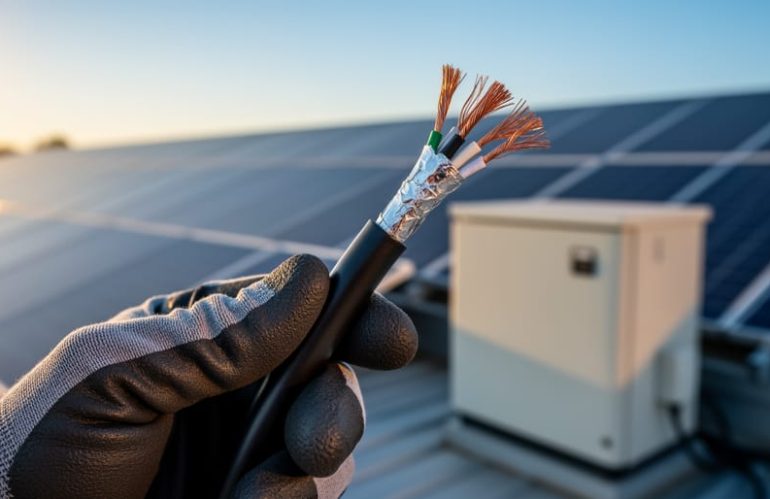
Verify your solar installer’s cable specifications before signing any contract—the difference between standard wiring and properly rated 0-10V dimming cable with 600V insulation could mean thousands in long-term performance and safety outcomes. Most homeowners assume all cables perform identically, but the voltage rating and dimming compatibility of your system’s wiring directly impacts how efficiently your panels communicate with inverters and how safely they handle electrical loads during peak production hours.
Demand documentation showing your cable meets both the 600V rating for electrical safety and the 0-10V dimming protocol for optimal energy management. This dual specification ensures your system can handle voltage fluctuations without degradation while allowing precise control over energy flow—critical for maximizing your return on investment. Installers using lower-rated alternatives may save pennies per foot but expose your system to premature failure, reduced efficiency, and potential safety hazards.
Ask three specific questions during your consultation: What voltage rating does your cable carry? Does it support 0-10V dimming communication? What warranty covers cable-related performance issues? Quality installers welcome these questions and provide clear answers with supporting documentation. Those who dodge technical specifics or dismiss cable choice as unimportant are waving red flags about their commitment to system longevity.
Choose cables rated for outdoor exposure, UV resistance, and temperature extremes specific to your climate zone. Your system operates 25-plus years—investing in properly specified wiring now prevents costly retrofits and ensures consistent energy savings throughout your system’s lifetime.
What Is a 0-10V Dimming Cable in Your Solar System?
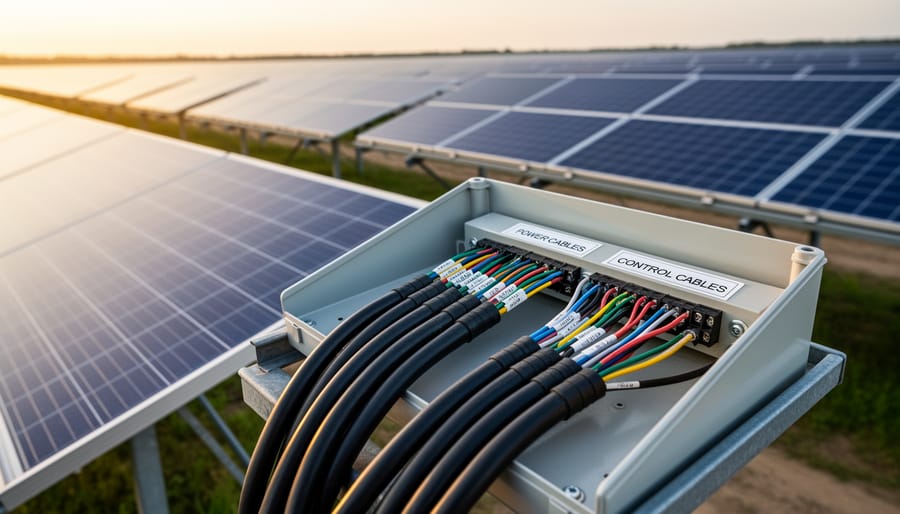
The Basics: Control vs. Power
Your solar system actually uses two distinct types of cables, and understanding the difference can help you evaluate installation quotes more confidently. Think of it this way: power cables are like the main water pipes in your home, carrying the actual electricity your solar panels generate to your inverter and eventually to your outlets. These cables need robust insulation (hence the 600V rating) because they’re handling significant electrical current that powers your home.
Dimming cables, on the other hand, work more like a thermostat dial. The 0-10V dimming cable sends tiny control signals that tell your equipment how to behave, similar to adjusting your home’s temperature without actually carrying the hot or cold air itself. These low-voltage cables might control panel optimizers or communicate with monitoring systems, using minimal electricity just to send instructions.
The key takeaway? Both cables matter for your system’s performance, but they serve completely different purposes. When reviewing installation proposals, knowing this distinction helps you ask smarter questions about cable quality and prevents contractors from cutting corners on either type. Better quality in both categories means fewer service calls and more consistent energy production over your system’s 25-year lifespan.
Why 600V Matters for Your Home
Think of the 600V rating as your home’s electrical safety cushion. While your solar panel voltage typically operates far below this threshold, the 600V specification ensures your dimming cables can handle unexpected surges without failing. This built-in safety margin protects your investment during weather events or grid fluctuations.
Beyond safety, this rating satisfies electrical code requirements in most residential installations, preventing costly re-wiring down the road. Building inspectors look for properly rated cables, and using 600V-rated wire demonstrates your system meets professional standards.
The real benefit shows up in longevity. Cables operating well below their maximum rating experience less stress, meaning fewer replacements over your system’s 25-year lifespan. That translates to lower maintenance costs and uninterrupted performance of your dimmable lighting controls. When installers propose lower-rated alternatives to save a few dollars upfront, you’re trading long-term reliability for short-term savings. Quality 600V dimming cable is simply the smarter financial choice for your home’s electrical infrastructure.
How Cable Quality Affects Your Solar System’s Performance
Understanding Power Loss (Without the Math)
Think of your dimming cable like a water pipe. A narrow, low-quality pipe loses water pressure along the way, while a properly sized, high-quality pipe delivers water efficiently from source to destination. The same principle applies to electrical cables in your solar dimming system.
When you choose a lower-quality cable to save a few dollars upfront, you’re actually creating tiny energy leaks throughout your system. These losses convert electricity into heat instead of usable power. While each individual loss might seem small, they add up quickly over the 25-year lifespan of your solar investment.
Here’s what this means in real terms: Poor cable quality can reduce your overall system efficiency by 2-5%. On a typical residential solar system producing $1,500 worth of electricity annually, that’s $30-75 vanishing from your savings each year. Over two decades, you could lose $600-1,500 just from cable inefficiency.
The good news? Investing in properly rated cables, like the right DC cable with appropriate voltage ratings, prevents these losses. A 600V-rated cable designed for 0-10V dimming applications ensures your electrical signal travels cleanly without degradation, maximizing every watt your panels produce.
The small premium you pay for quality cable typically pays for itself within the first year through improved efficiency, making it one of the smartest investments in your solar system.
What Good Cabling Means for Your Wallet
Let’s talk dollars and cents. When your solar installer chooses proper 600V-rated 0-10V dimming cables, you’re protecting an investment that should work flawlessly for 25 to 30 years. Cheaper, incorrectly specified cables might save $50 to $100 upfront, but they create risks that cost significantly more down the road.
Quality cabling prevents power loss in solar systems, which directly impacts your monthly savings. Even a 2-3% voltage drop from inadequate wiring can reduce your system’s output by hundreds of kilowatt-hours annually. Over 25 years, that translates to thousands of dollars in lost energy production you’ve already paid for.
Proper specifications also mean fewer service calls. When cables degrade prematurely due to inadequate voltage ratings or poor UV resistance, you’ll face repair bills that typically start around $500 for diagnostic visits alone. Cable replacement in an installed system often costs five to ten times more than using the right components initially.
Consider longevity too. UV-resistant, properly rated cables maintain performance throughout your warranty period. This matters when you’re counting on predictable energy savings to offset your installation costs. Many homeowners find their solar systems pay for themselves in 7-10 years, but only if every component performs as expected.
The bottom line? Insist on specifications that match your system’s requirements. Those technical details your installer references aren’t just paperwork. They’re your financial protection plan.
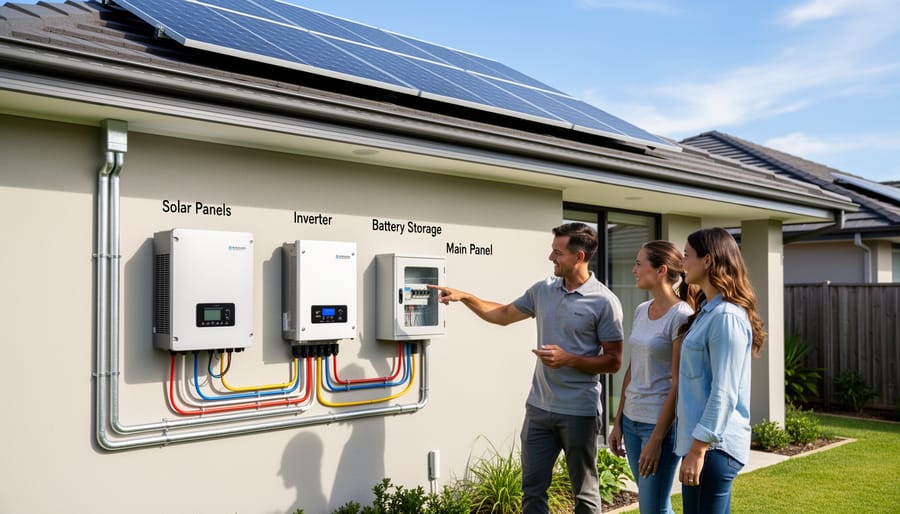
Common Myths About Solar System Cabling
Myth: All Cables Are Created Equal
You might think a cable is just a cable, but when it comes to your solar system’s dimming controls, quality makes a real difference in your wallet and peace of mind. The 0-10V dimming cables with 600V ratings aren’t just fancy upgrades—they’re built to handle the specific electrical demands of solar installations while ensuring your lighting controls work flawlessly for decades.
Here’s what matters: Higher voltage ratings mean better insulation that protects against electrical interference and degradation from sun exposure. Quality cables maintain consistent signals between your dimmer switches and LED fixtures, preventing that annoying flickering that cheaper alternatives often cause. They also meet safety codes that protect your home and keep your insurance valid.
When reviewing installation quotes, ask your contractor about cable specifications. Look for UV-resistant jackets if any wiring runs outdoors, proper gauge sizing for your system’s load, and certifications from recognized testing laboratories. A few dollars more per foot of quality cable pays off through reliable performance and fewer service calls.
The good news? Reputable solar installers automatically use appropriate specifications because they understand that cutting corners on components undermines the efficiency gains you’re investing in. Your dimming system should enhance your energy savings, not create new problems.
Myth: Higher Voltage Ratings Are Unnecessary
Some people think that a 600V rating is overkill for low-voltage dimming systems, but there’s solid reasoning behind this specification. Think of voltage ratings like weight limits on a ladder—you wouldn’t choose one rated for exactly your weight, right? You’d want extra capacity for safety.
The 600V rating provides a crucial safety buffer, especially in solar installations where electrical surges and voltage spikes can happen unexpectedly. While your 0-10V dimming signal operates at much lower voltages, the cable often shares pathways with higher-voltage solar panel wiring. This rating ensures the insulation can handle any accidental contact or electromagnetic interference without breaking down.
Here’s the financial benefit: properly rated cables last significantly longer. Lower-rated cables might save you a few dollars upfront, but they’re more prone to degradation from heat, moisture, and electrical stress. This means fewer replacements and service calls over your system’s 25-year lifespan. Plus, many electrical codes and solar warranties specifically require 600V-rated wiring—choosing anything less could void your coverage or fail inspection. That higher rating isn’t just unnecessary caution; it’s smart protection for your investment and your family’s safety.
What to Ask Your Solar Installer About Cabling
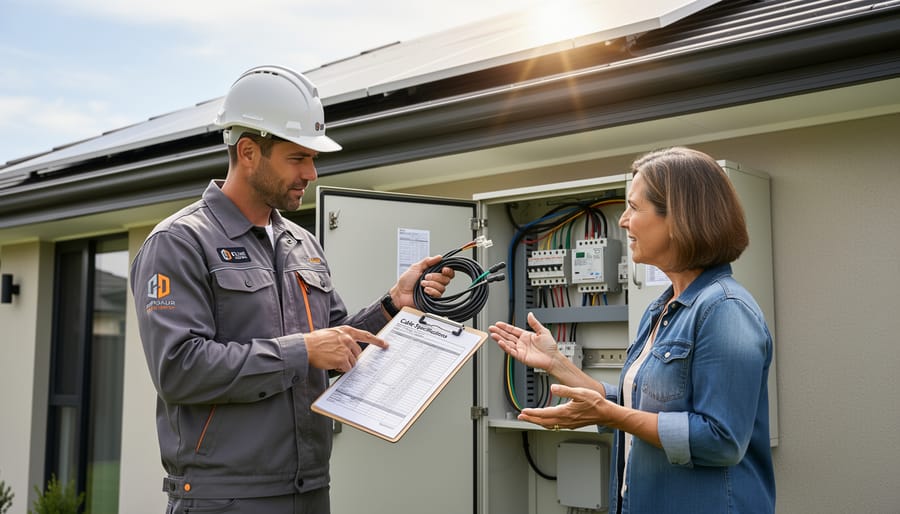
Questions About Cable Specifications
When discussing your solar installation with contractors, asking the right questions about cable specifications shows you’re an informed homeowner who values quality. Start by asking why a 600-volt rating matters for your system—this ensures your cables can handle the electrical load safely, even as your panels generate maximum power on sunny days.
Don’t hesitate to inquire about wire gauge. Thicker wires (lower gauge numbers like 16 or 18) reduce energy loss during dimming operations, which helps maximize solar system performance and your long-term savings. Ask your installer to explain their gauge selection based on your specific system size and cable run distances.
Material quality deserves attention too. Request information about the cable’s insulation type and whether it’s rated for outdoor use if applicable. UV-resistant jackets and temperature-tolerant materials protect your investment from weather damage, reducing replacement costs down the road.
Finally, ask if the cables meet NEC (National Electrical Code) standards and carry UL listing. These certifications aren’t just bureaucratic checkboxes—they’re your assurance that the materials will perform reliably for decades. A reputable installer will appreciate these questions and provide clear, confident answers that help you understand exactly what you’re paying for.
Red Flags to Watch For
When getting quotes for your solar installation, watch for these telltale signs that an installer might be taking shortcuts with cabling. If a contractor can’t readily explain what type of dimming cable they’re using or dismisses your questions about voltage ratings with vague answers, that’s a concern. You deserve clear information about the components going into your home’s energy system.
Another warning sign is an installer who suggests “all cables are basically the same” or pushes the cheapest option without discussing your specific lighting needs. Quality installers understand that proper cable selection directly impacts your system’s performance and your long-term savings. Be wary of quotes that don’t itemize cable specifications or lump everything under “miscellaneous electrical work.”
Price alone shouldn’t raise alarms, but unusually low bids compared to competitors might indicate corner-cutting on materials. Ask to see the actual cable specifications in writing before signing any contract. A reputable installer will happily provide documentation showing that cables meet appropriate voltage ratings and are suitable for your dimming requirements.
Finally, trust your instincts. If an installer seems rushed, avoids answering technical questions, or pressures you to sign immediately without reviewing details, consider it a red flag. Taking time to verify cable quality now prevents expensive problems and ensures your investment delivers the energy savings you’re counting on.
Choosing the right cables for your solar installation, including properly rated 0-10V dimming cables and 600V power cables, isn’t just about meeting technical requirements. It’s about making a smart investment that protects your home, optimizes your energy savings, and eliminates costly problems down the road. Think of quality cabling as the foundation of your solar system’s performance, much like good plumbing is essential for reliable water flow throughout your house.
The good news? You don’t need to become an electrical engineer to make informed decisions. What matters is understanding that cable specifications directly impact how efficiently your system operates and how much money you’ll save on your energy bills over time. When you prioritize properly rated cables during installation, you’re choosing reliability over shortcuts, and that choice pays dividends for decades.
Quality cables reduce energy losses, which means more of the power your panels generate actually reaches your home. They also minimize safety risks like overheating and electrical failures that can lead to expensive repairs or system downtime. While premium cables might add a modest amount to your upfront costs, they prevent the far greater expense of replacing underperforming components or dealing with maintenance issues.
As a homeowner, your role is simple: ask your installer about cable ratings, request documentation showing the specifications match your system’s needs, and don’t hesitate to get a second opinion if something seems unclear. You’re not being difficult; you’re being responsible. The technical details might seem overwhelming at first, but understanding that quality matters is the only expertise you truly need. Your future self, enjoying lower energy bills and a trouble-free solar system, will thank you for asking the right questions today.