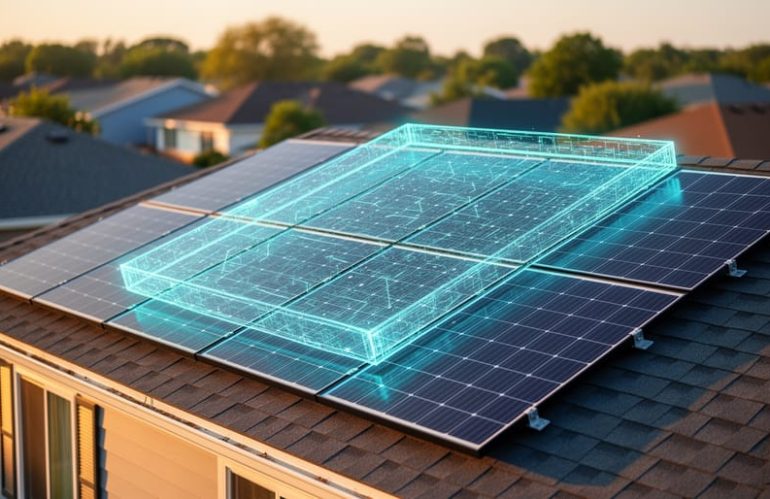
Your solar panels work hard every day generating clean energy and savings, but what if they could tell you exactly when they need attention before problems become expensive repairs? Digital twin technology creates a virtual replica of your solar system that monitors performance in real-time, predicts maintenance needs, and helps you avoid costly breakdowns—potentially saving thousands of dollars over your system’s lifetime.
Think of a digital twin as a health tracker for your solar panels. Just as a fitness watch alerts you to potential health issues before they become serious, a digital twin continuously analyzes your system’s data to catch small problems early. When a panel starts underperforming or an inverter shows signs of wear, you’ll know immediately rather than discovering it months later through reduced energy production and higher utility bills.
The financial impact is substantial. Traditional solar maintenance operates on fixed schedules or emergency calls—both expensive approaches. You might pay for unnecessary inspections when your system is running perfectly, or face emergency service fees when equipment fails unexpectedly. Digital twins eliminate this guesswork by providing precise insights into when maintenance is actually needed, reducing service calls by up to 30% and extending your equipment’s lifespan by catching issues before they cause permanent damage.
For homeowners who invested in solar to cut energy costs, digital twin technology represents the next evolution in maximizing those savings. It transforms maintenance from a reactive expense into a proactive strategy, ensuring your solar investment delivers optimal returns year after year.
What Is a Digital Twin for Your Solar System?
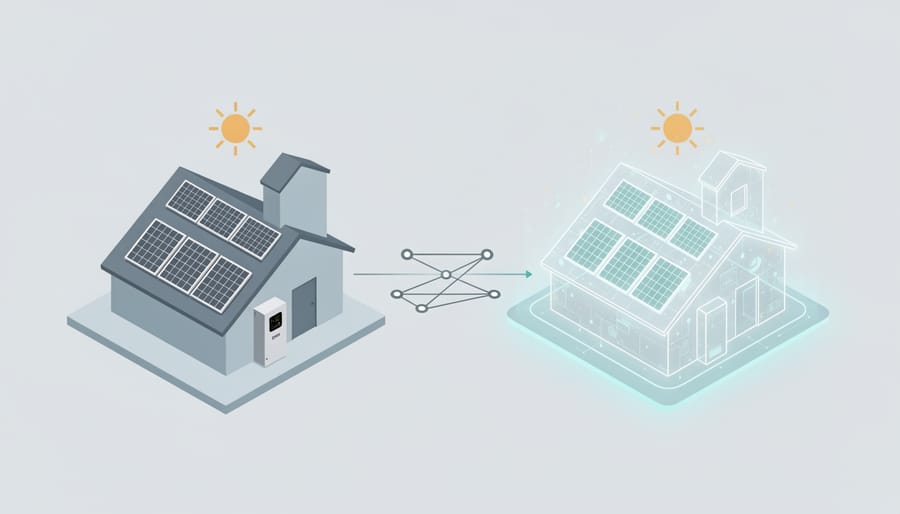
Think of a digital twin as a mirror image of your solar panel system that exists entirely in the digital world. Just like you might use a fitness tracker to monitor your daily steps and heart rate, a digital twin keeps constant watch over every aspect of your solar installation. It’s essentially a virtual replica that receives live data from sensors on your actual panels, tracking everything from energy production to temperature and performance metrics throughout the day.
Here’s how it works in simple terms: Your physical solar panels send real-time information to software that creates and maintains this digital version. This virtual copy doesn’t just store data—it actively analyzes how your system is performing at any given moment. When your panels produce electricity on a sunny afternoon, your digital twin records that information. If something starts working less efficiently than it should, the digital twin catches it immediately.
The beauty of this technology is that it acts like an early warning system for your investment. Rather than waiting until a problem becomes obvious—like a significant drop in your energy bill savings—the digital twin spots subtle changes that signal potential issues. This connects directly with AI-powered solar maintenance systems that can predict when components might need attention before they fail completely.
For homeowners, this means less guesswork and fewer surprises. You gain visibility into exactly how your solar investment is performing without needing technical expertise. The digital twin translates complex system data into actionable insights, helping you maximize your energy savings while minimizing unexpected repair costs.
The Real Cost of Traditional Solar Panel Maintenance
Most homeowners don’t realize the true costs hiding behind their solar panels. While your system quietly generates clean energy on your roof, it requires ongoing attention to maintain peak performance.
Traditional solar maintenance typically includes annual or biannual inspections, costing between $150 and $300 per visit. These scheduled check-ups involve physical roof access, visual equipment checks, and basic performance testing. However, the real expenses often come from what inspectors don’t catch during these brief visits.
Emergency repairs represent another significant cost factor. When an inverter fails or panels underperform, you’re looking at service call fees starting around $200, plus parts and labor. The challenge is that many issues develop gradually between inspections, silently eating away at your system’s efficiency without triggering obvious warning signs.
Perhaps the most frustrating expense is the money you lose from undetected problems. A single underperforming panel can reduce your entire system’s output by 20 percent or more, depending on your setup. If you’re not monitoring performance closely, you might not notice these efficiency losses for months, resulting in higher electricity bills and reduced savings.
Weather-related damage adds another layer of unpredictability. After storms or heavy debris accumulation, many homeowners pay for additional inspections just for peace of mind. Over a typical 25-year system lifespan, these various maintenance costs can easily total several thousand dollars, significantly impacting your overall return on investment.
How Digital Twins Cut Your Maintenance Costs
Catch Problems Before They Become Expensive
Imagine if your car could tell you it needed an oil change before the engine light came on. That’s exactly what digital twin technology does for your solar system. This virtual replica of your panels constantly monitors performance, spotting small issues before they spiral into expensive problems.
Here’s how it works in practical terms: your digital twin tracks thousands of data points every day, learning what “normal” looks like for your specific system. When something deviates from that pattern—maybe one panel is producing slightly less energy or an inverter’s temperature is gradually rising—the system flags it immediately. You’ll get a heads-up about potential problems weeks or even months before they would cause a breakdown.
The financial impact is significant. Emergency repair calls can cost hundreds of dollars, especially if they happen during peak summer months when technicians are busiest. System failures mean lost energy production, forcing you to buy expensive grid electricity while your panels sit idle. With a preventive maintenance approach powered by digital twin insights, you address minor issues during routine visits at a fraction of the cost.
Most homeowners save 20-40% on maintenance expenses over their system’s lifetime simply by catching problems early. Instead of replacing a failed inverter for $2,000, you might spend $300 on a preventive component swap. That’s money staying in your pocket while keeping your solar investment performing at its best.
Fewer Service Visits Mean Lower Bills
Traditional solar maintenance typically means scheduling regular technician visits to your home, whether something’s wrong or not. Each visit adds to your service costs, even when it’s just a routine check-up. Digital twin technology changes this equation entirely.
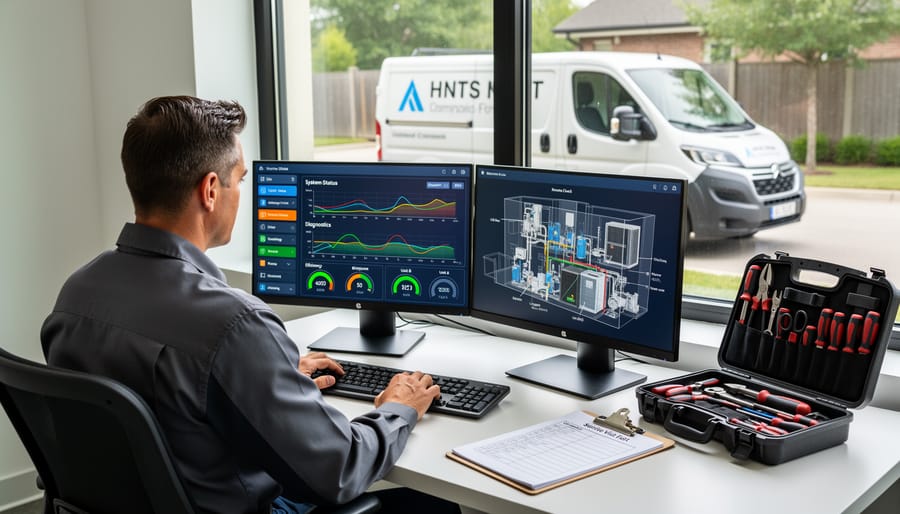
With remote monitoring, your solar system’s digital replica constantly tracks performance from afar. Your service provider can identify issues without ever leaving the office, eliminating many unnecessary trips to your property. When problems do arise, technicians can diagnose them remotely before scheduling a visit, which means they show up already knowing what’s wrong and what’s needed to fix it.
This preparation dramatically cuts costs. Instead of a technician making one visit to diagnose the problem and a second visit with the correct parts, they arrive once with everything ready to go. You’re not paying for multiple service calls or return trips, and your system spends less time underperforming.
The financial impact adds up quickly. Fewer service visits mean lower labor charges, reduced travel fees, and less time taken off work to meet technicians. Many homeowners report cutting their annual maintenance visits in half after their systems gain remote monitoring capabilities, translating to hundreds of dollars saved each year while actually receiving better, more proactive care for their solar investment.
Maximize Your Energy Production (And Savings)
Think of your digital twin as a personal trainer for your solar panels. Just like a trainer helps you perform at your best, digital twins continuously monitor and optimize your system’s performance to ensure you’re generating the maximum amount of electricity possible.
Here’s how it works in practical terms: Your digital twin analyzes real-time data from your panels, comparing actual performance against ideal conditions. When it detects even small drops in efficiency—whether from dust buildup, shading changes, or minor equipment issues—it alerts you before those problems eat into your savings. This means you’re always operating at peak performance instead of losing money to unnoticed inefficiencies.
The financial impact is significant. A solar system running at 90% efficiency instead of 100% might seem like a small difference, but over a year, that 10% gap translates to hundreds of dollars in lost electricity production. Digital twins help you capture every possible kilowatt-hour, maximizing your return on investment.
Better yet, by identifying the optimal times for cleaning and maintenance, digital twins ensure your panels consistently produce the energy output you were promised when you made your solar investment. This predictable, optimized performance means lower electricity bills month after month and a faster payback period on your solar system.
Extend Your Solar System’s Lifespan
Your digital twin acts like a health monitor for your solar panels, catching small issues before they become big problems. When the system detects a slight decline in panel performance or identifies a component showing early wear, you can address it immediately rather than waiting for a complete failure. This proactive approach prevents minor issues from cascading into major damage that shortens your system’s life. Think of it like changing your car’s oil regularly instead of waiting for engine failure. By keeping every component running optimally, you’re extending system lifespan well beyond the typical 25-year warranty period. Many well-maintained systems continue producing energy efficiently for 30 years or more, meaning you delay expensive replacement costs by nearly a decade while maximizing your return on investment.
Real-World Savings: What Homeowners Can Expect
Let’s talk real numbers. Homeowners with digital twin technology monitoring their solar systems typically see maintenance costs drop by 15-25% in the first year alone. That translates to savings of roughly $200-$400 annually for an average residential system, depending on your location and system size.
The short-term wins are immediate. By catching issues early, you avoid emergency service calls that can cost $300-$500 each time a technician comes out. One homeowner in California prevented a $1,200 inverter replacement by addressing a minor connection issue flagged by their digital twin system. Instead of waiting for complete failure, the fix cost just $150.
Long-term benefits are even more impressive. When you factor in extended equipment lifespan—often an additional 3-5 years for well-maintained systems—the financial impact compounds significantly. Your solar panels and inverters work at peak efficiency longer, meaning more energy production and greater utility bill savings over time. A comprehensive maintenance cost-benefit analysis shows that proactive monitoring can improve overall system ROI by 20-30%.
Consider this: the typical solar system lasts 25-30 years. Reducing maintenance costs by even 20% over that period means thousands of dollars staying in your pocket while your system continues generating clean, free energy. These aren’t just theoretical numbers—they’re savings real homeowners experience when technology works smarter, not harder.
Is Digital Twin Technology Available for Your Home?
Good news: digital twin technology isn’t just for massive solar farms or corporate installations anymore. Many residential solar providers now offer this advanced monitoring capability as part of their standard service packages or premium plans. The technology has become more accessible and affordable, making it a realistic option for homeowners who want to maximize their solar investment.
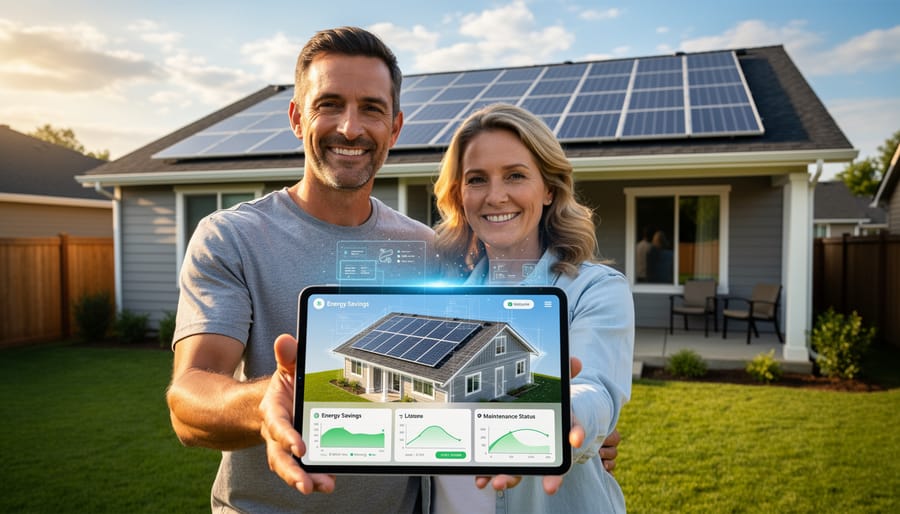
When choosing a solar provider, ask specifically about their monitoring capabilities. Look for companies that offer real-time system modeling, predictive maintenance alerts, and detailed performance analytics. The best providers will give you access to a user-friendly dashboard where you can see your system’s digital twin in action, tracking everything from panel performance to potential issues before they become costly problems.
Let’s clear up a common misconception: digital twin technology doesn’t require expensive additional equipment or complicated installations. Most modern solar systems already have the sensors and connectivity needed. The digital twin software works with your existing setup, using data your panels are already generating. You’re not paying for new hardware, just smarter analysis of information that was going to waste.
Another myth worth busting is that this technology is too complex for average homeowners. Today’s digital twin platforms are designed with you in mind, presenting information in simple, visual formats. You don’t need to understand the technical details to benefit from fewer repair bills and longer-lasting equipment. Think of it as having a solar expert monitoring your system 24/7, without the ongoing consultant fees.
Digital twin technology represents a smart investment that pays dividends long after your solar installation is complete. By catching potential issues before they become expensive problems, this innovative approach can save you hundreds or even thousands of dollars over your system’s lifetime. You’ll enjoy fewer unexpected service calls, longer-lasting equipment, and the peace of mind that comes from knowing your investment is being monitored around the clock.
The financial benefits are clear: reduced maintenance costs, optimized energy production, and extended system lifespan all add up to better returns on your solar investment. Beyond the dollars and cents, digital twins give you something equally valuable—confidence that your system is performing exactly as it should, every single day.
When you’re ready to explore solar options for your home, don’t hesitate to ask your installer about digital twin technology. Not all solar companies offer this advanced feature, but those who do are demonstrating their commitment to your long-term satisfaction and financial success. Your solar journey should be about more than just panels on your roof—it should be about smart technology working together to maximize your savings and minimize your worries.