
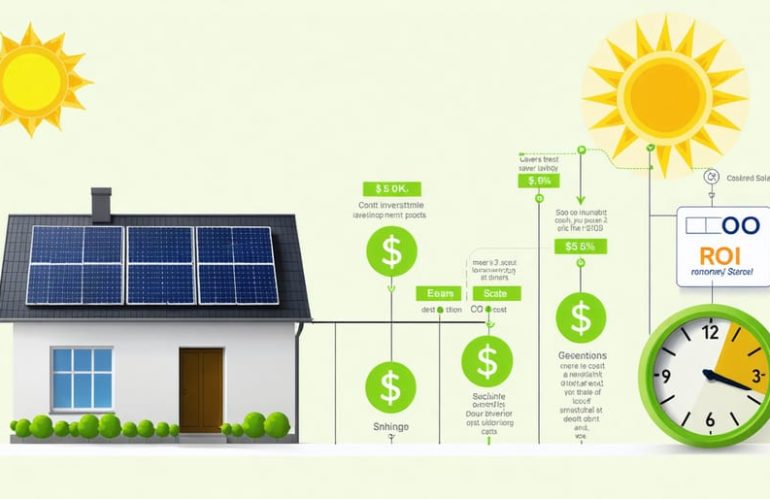
Calculating solar panel ROI empowers homeowners to make informed decisions about their energy future and maximize their investment potential. Beyond the environmental benefits, understanding your solar investment’s financial return helps you navigate incentives, tax breaks, and long-term savings with confidence. Through a straightforward calculation combining upfront costs, energy savings, and available incentives, you can determine exactly how quickly your solar investment will pay for itself – typically between 5-10 years in most U.S. regions. Whether you’re considering a full home solar system or starting with a …
Category: Financial Aspects
Cost analysis, ROI, financing options, and economic considerations
Solar Panel Cost Analysis Tools That Actually Save You Money
Making the switch to solar power represents one of the most significant financial decisions a homeowner can make – but understanding the true return on investment doesn’t have to be complicated. Today’s solar installations typically pay for themselves within 5-10 years through reduced electricity bills, tax incentives, and increased property values. While the average U.S. homeowner spends $15,000-$25,000 on their solar system, federal tax credits can offset 30% of that cost immediately, with state and local incentives potentially reducing it even further.
A comprehensive cost-benefit analysis considers several key …
Maximize Your Home Battery Storage: Smart BESS Optimization Techniques That Pay Off
Optimize your Battery Energy Storage System (BESS) performance by scheduling deep discharges during peak rate hours, maximizing your return on investment while extending battery life. Program your system to store excess solar energy during mid-day production peaks, especially if you’re considering installing solar panels or expanding your existing array. Monitor and adjust charge/discharge cycles seasonally to account for changing energy demands and solar production patterns.
Smart BESS optimization combines cutting-edge technology with …
Solar Power Savings: How Low-Income Families Can Get Free or Low-Cost Panels

Solar power is no longer a luxury reserved for the wealthy. Low-income households can now access the benefits of solar energy through numerous federal, state, and local assistance programs. The Solar for All initiative provides qualifying families with up to 100% coverage for installation costs, while community solar projects enable renters to slash their energy bills without owning panels. With average savings of $1,000 annually on electricity costs, solar adoption offers a practical path to long-term financial stability for budget-conscious …
Solar Panel Installation Costs in 2024: What Homeowners Really Pay (And Why)
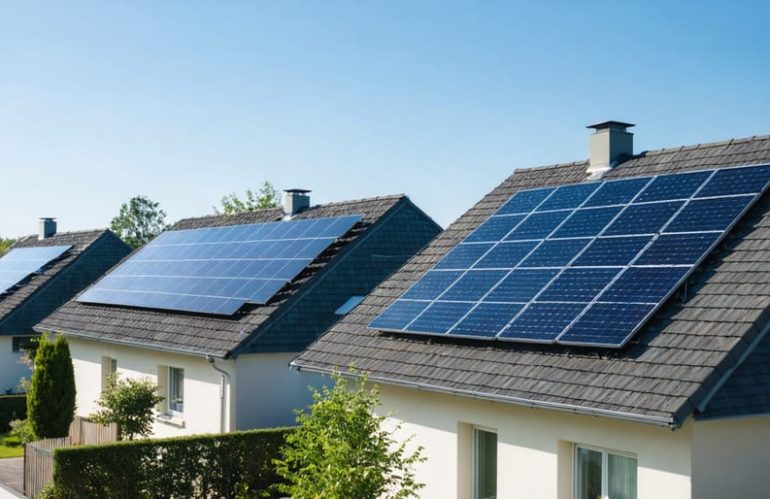
Solar panel installation costs have dropped dramatically over the past decade, making clean energy more accessible than ever for homeowners. While the national average cost ranges from $15,000 to $25,000 for a typical residential system, your actual investment will depend on several key factors that can significantly impact the bottom line. Understanding these costs upfront helps you make an informed decision about going solar, especially considering that most homeowners recover their initial investment through energy savings within 5-10 years. With federal tax incentives offering a 30% credit on installation costs and additional state-…
Solar Panels at Zero Cost: How 0% Interest Solar Loans Make Clean Energy Affordable
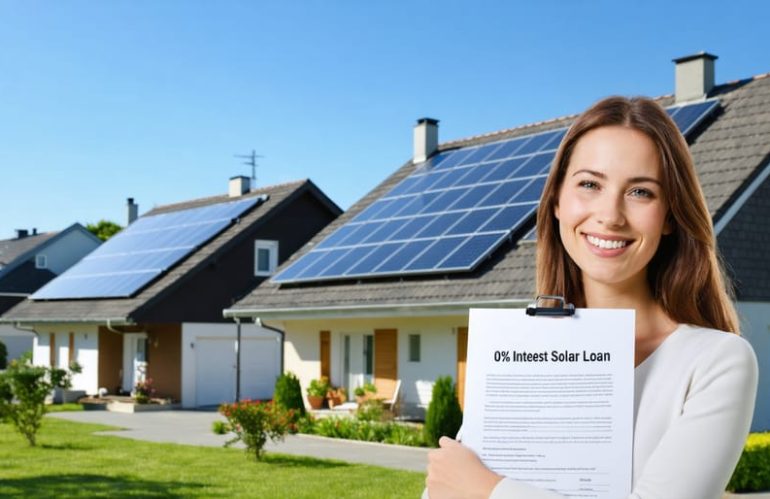
Unlock the power of clean energy with a 0% interest solar loan – the smartest way to go solar without breaking the bank. Imagine slashing your electricity bills by up to 90%, adding thousands in home value, and protecting the planet, all with no money down. Is solar really worth it? Absolutely – and with zero-interest financing, there’s never been a better time to make the switch. Don’t miss this incredible opportunity to secure decades of free, renewable power.
What is a 0% Interest …
Residential Solar Panels: The Smartest Long-Term Investment to Skyrocket Your Home’s Value
Investing in residential solar panels is a smart long-term investment that appreciates in value over time. Solar energy systems lower your monthly utility bills, saving you thousands of dollars throughout the lifetime of your system. Solar panels also boost your home’s resale value, with studies showing solar-equipped properties sell faster and at a premium compared to non-solar homes. Unlike volatile stocks or commodities, solar provides reliable, consistent returns backed by the sun’s renewable energy. By reducing your carbon footprint, going solar contributes to a healthier environment for future generations. Invest in your …
Calculating the Impressive ROI of Solar Panels: Is It Worth It?
Discover the remarkable return on investment (ROI) of solar panels and how they can save the planet and your wallet. By harnessing the power of the sun, homeowners can generate clean, renewable energy that significantly reduces or eliminates their monthly electricity bills. Over the 25-30 year lifespan of a solar panel system, the savings on energy costs can far exceed the initial installation investment, resulting in an impressive ROI. Factors like location, system size, and available incentives influence the exact ROI, but many…
Solar Power Prices: What You’ll Really Pay to Go Solar in 2023
Harnessing the sun’s energy is a smart investment, but how much does it actually cost to install solar panels? The price tag for going solar depends on several key factors:
• System size: The number of panels needed to power your home
• Equipment: The quality and efficiency of panels and inverters
• Labor: Installation complexity and local contractor rates
• Incentives: Federal and state tax credits, rebates, and net metering
On average, residential solar systems cost between $15,000 to $25,000 after incentives. However, with financing options like $0-down solar loans, most homeowners see …
How Low-Income Families Can Get Free Solar Panels (And Slash Energy Bills)

Low-income families can slash their electricity bills and improve their quality of life by taking advantage of free solar panel programs. Government initiatives, non-profit organizations, and solar companies offer fully-subsidized installations for qualifying households, enabling them to harness clean, renewable energy without any upfront costs. By tapping into these assistance programs, struggling families can dramatically reduce their monthly expenses, gain energy independence, and contribute to a healthier environment for future generations.
The Benefits of Solar Power for Low-Income Families
Lower Electric Bills
…