

The 580 credit score is a locked door looking at the American housing market. But many aspiring buyers may feel sidelined as traditional lenders usually want higher figures. But this score is, in fact, a crucial threshold for certain federal programs.
It takes moving away from banks and toward alternative lending paths to secure a mortgage at this level. Learning about specific down payment requirements and being able to find lenders who care more about the way you spend your money than just a three-digit number can help pave the way to home.
Taking time to …
Category: Financial Aspects
Cost analysis, ROI, financing options, and economic considerations
What Actually Makes Up the Cost of a Solar System?
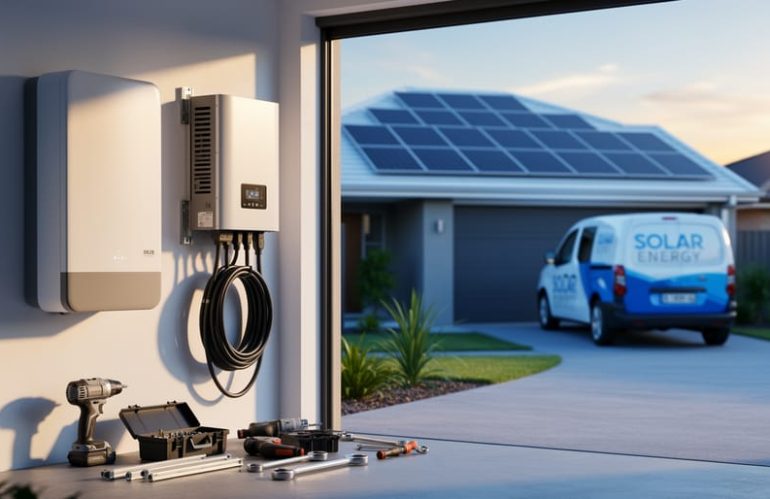
When homeowners ask how much solar costs, they’re usually thinking about panels. In reality, panels are only one slice of a much larger pie.
A residential solar system price reflects panels, an inverter, electrical labour, mounting brackets and cabling, battery storage, and the installer’s operating margin. Each piece carries a different weight in the final number.
Using a typical mid-sized system with battery storage (6.6kW as in this example), here’s how the cost usually breaks down.
…
Green Tracks: How Solar Energy Is Powering the Future of Horse Racing Facilities
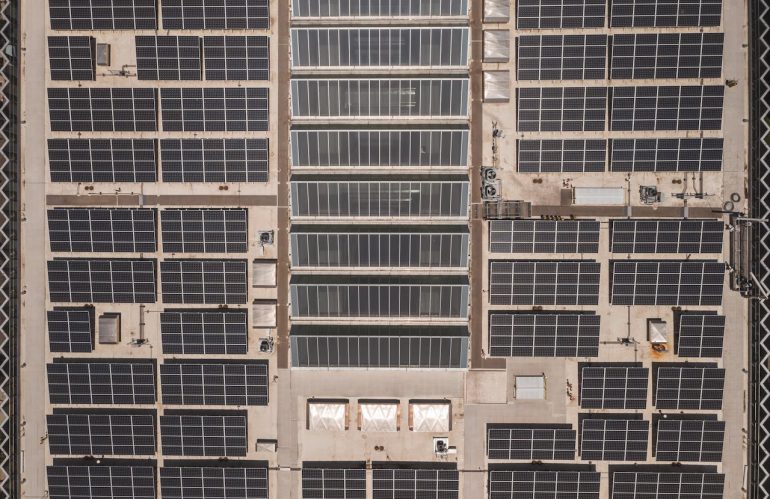
Even though it doesn’t seem like it, horse racing facilities have always been energy-hungry places. Most people think of them as barns where horses stay, and the only power consumption happens when the lights are turned on. But most horse racing facilities are massive barns that need ventilation year-round, scoreboards, broadcast equipment, offices, restaurants, a kitchen, and a parking structure, and most of them act as hotels where people can stay for a few days.
So, yes, they consume a lot of energy, and for a sport that’s as “green” as horse racing (or trying to be), advancing to solar power energy is the right step. …
Minnesota Solar Rebates That Make Your Switch to Solar Actually Affordable
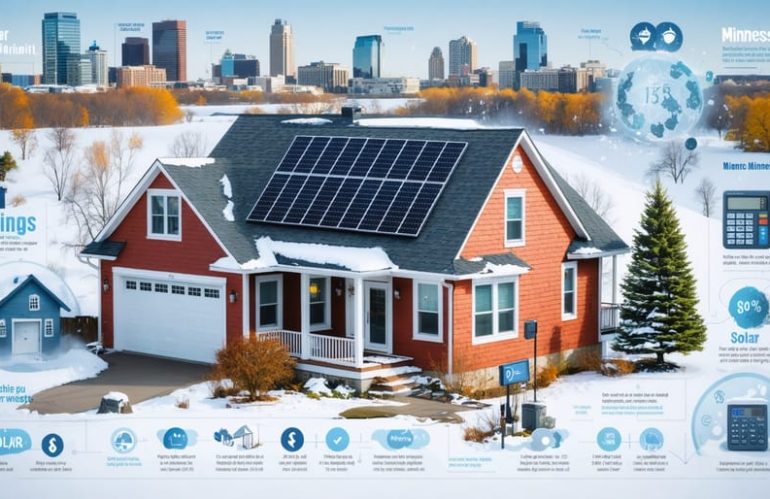
Minnesota homeowners can slash their solar panel installation costs by up to 50% through a powerful combination of state and federal incentives. The Minnesota Solar*Rewards program offers direct payments of $0.07 per kilowatt-hour produced for the first 10 years, while the federal solar tax credit provides an additional 30% reduction on total system costs. Local utility companies like Xcel Energy supplement these savings with performance-based incentives, making 2024 an optimal time to invest in …
Kentucky Solar Incentives Make Panels Pay For Themselves Faster

Kentucky homeowners can now slash their energy costs by up to 30% through the federal solar tax credit while accessing local incentives that make solar installation more affordable than ever. With Kentucky’s net metering policy allowing you to sell excess power back to the grid and utility companies offering additional rebates, the path to solar savings has never been clearer. The average Kentucky household can recover their solar investment within 8-12 years while enjoying immediate monthly savings on electricity bills.
Recent changes in state legislation have expanded solar access, making 2024 an optimal time to invest in …
How Project Finance Makes Solar Power More Affordable for Homeowners
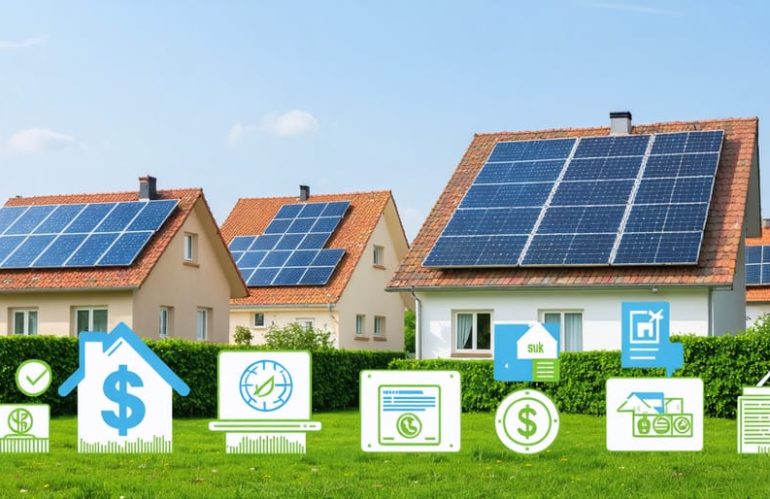
Solar project financing has revolutionized the way homeowners and businesses transition to clean energy, making substantial solar installations accessible without massive upfront costs. Modern financing solutions now enable property owners to generate their own renewable energy while potentially saving thousands on electricity bills from day one.
Through innovative financial structures like Power Purchase Agreements (PPAs), solar leases, and specialized solar loans, the traditional barriers to solar adoption have largely disappeared. These mechanisms allow organizations to implement large-scale solar projects with minimal initial …
VA Solar Incentives That Actually Put Money Back in Your Pocket
Virginia homeowners can now slash their solar installation costs by up to 60% through a powerful combination of state and federal incentives. The federal solar tax credit offers a 30% reduction in total system costs, while Virginia’s net metering program enables residents to earn credits for excess power generation. Combined with local utility rebates and property tax exemptions, the average Virginia household saves $15,000-$20,000 on their solar investment.
Smart timing makes these savings even more impactful in 2024. Virginia’s Solar Freedom legislation has eliminated restrictive HOA solar regulations, while rising …
VA Solar Incentives That Actually Put Money Back in Your Pocket
Virginia homeowners can now slash their solar installation costs by up to 60% through a powerful combination of state and federal incentives. The federal solar tax credit offers a 30% reduction in total system costs, while Virginia’s net metering program enables residents to earn credits for excess power generation. Combined with local utility rebates and property tax exemptions, the average Virginia household saves $15,000-$20,000 on their solar investment.
Smart timing makes these savings even more impactful in 2024. Virginia’s Solar Freedom legislation has eliminated restrictive HOA solar regulations, while rising …
Smart Solar Financing: How Green Energy Loans Make Solar Power Affordable Today

Financing your green energy transition has never been more accessible or financially rewarding. Today’s innovative funding solutions are transforming how homeowners invest in sustainable energy, making solar power and other renewable technologies within reach for millions of Americans. From federal tax credits covering up to 30% of installation costs to specialized green mortgages and power purchase agreements (PPAs), the financial pathways to clean energy adoption have expanded dramatically.
Smart financing options now allow homeowners to start saving on energy bills immediately while contributing to environmental …
Solar Tax Incentives That Actually Put Money Back in Your Pocket

Transform your home’s energy future while keeping thousands of dollars in your pocket through solar tax incentives. The federal government currently offers a 30% Solar Investment Tax Credit (ITC) on total system costs, making 2024 an ideal time to invest in solar power. For a typical $20,000 residential solar installation, homeowners can receive up to $6,000 back in federal tax credits alone.
Beyond federal incentives, state and local governments provide additional tax breaks, rebates, and performance-based incentives that can cover up to 50% of your solar investment. Combined with utility savings averaging $1,500 annually, …