When the power grid fails during the next hurricane, wildfire, or severe storm, your neighbors will be sitting in the dark while you keep your refrigerator running, your medical devices powered, and your home comfortable. That’s the promise of climate resilience through solar energy systems paired with battery storage.
Climate resilience means your home can withstand and quickly recover from extreme weather events that are becoming more frequent and severe. For homeowners, this isn’t just an abstract environmental concept. It’s about maintaining power during multi-day outages, protecting your family’s safety and comfort, and avoiding thousands of dollars in spoiled food, hotel stays, and emergency expenses.
Traditional grid-dependent homes are increasingly vulnerable. The past decade has seen record-breaking power outages from winter storms, heat waves, and natural disasters. Meanwhile, homes equipped with solar panels and battery backup systems maintain electricity access when neighbors cannot, creating an island of stability during crisis moments.
The good news is that achieving climate resilience doesn’t require compromising your lifestyle or breaking your budget. Modern solar systems with battery storage have become remarkably affordable, often paying for themselves through energy bill savings while simultaneously providing emergency power protection. You’re not just preparing for disasters; you’re investing in everyday energy independence that reduces your monthly costs and increases your property value.
Understanding how solar energy creates genuine resilience for your specific home situation is the first step toward protection that makes both environmental and financial sense.
What Climate Resilience Really Means for Your Home
Climate resilience is simply your home’s ability to keep your family comfortable, safe, and living normally when extreme weather strikes. It means your lights stay on during storms, your home stays cool during record-breaking heat waves, and you maintain access to essential services when the grid fails.
This isn’t about preparing for some distant future scenario. You’ve likely experienced these challenges firsthand. Power outages during severe storms have increased by over 60% since the early 2000s. Heat waves are lasting longer and hitting harder, straining electrical grids beyond capacity. Winter storms are causing rolling blackouts in regions that rarely saw them before. These aren’t rare events anymore—they’re becoming the new normal.
For homeowners, climate resilience means making practical choices that protect your household when these disruptions occur. It’s about ensuring your refrigerator keeps running during a three-day outage, your air conditioning works during a heat emergency, or your medical devices stay powered when your neighbors are in the dark.
The good news? Building climate resilience doesn’t require extreme measures or fortress-like preparations. It’s about smart, strategic improvements that serve you every single day while providing crucial backup when you need it most. These solutions can actually reduce your monthly expenses while increasing your home’s value and your family’s security.
Think of climate resilience as an insurance policy that pays you back. Instead of simply hoping your home can weather the next storm or grid failure, you’re taking control with systems designed to keep everything running smoothly, no matter what’s happening outside.
Why Traditional Power Grids Leave You Vulnerable
Your home’s connection to the traditional power grid works wonderfully most of the time, but climate-related events reveal important limitations worth understanding. This isn’t about catastrophizing—it’s about making informed decisions for your household.
When extreme weather strikes, power grids face several interconnected challenges. During heat waves, everyone cranks up their air conditioning simultaneously, creating massive demand spikes that can overwhelm the system. You’ve probably experienced this: the hottest afternoon of summer when your utility company asks everyone to reduce usage. These aren’t just suggestions—they’re preventing widespread blackouts.
Storms present different challenges. High winds, ice accumulation, and falling trees can damage power lines, transformers, and substations. A single downed line can affect hundreds or thousands of homes. The bigger concern is what engineers call cascading failures: when one part of the grid fails, it increases stress on neighboring sections, potentially triggering domino-effect outages across larger areas. These grid vulnerabilities become more apparent as weather patterns intensify.
Here’s something many homeowners don’t realize: when power restoration begins, utilities follow a logical priority system. Hospitals, emergency services, water treatment facilities, and critical infrastructure get power first. Residential neighborhoods typically come last, which makes sense from a public safety perspective but can mean extended outages for your family.
The grid also struggles with aging infrastructure. Many components were installed decades ago and weren’t designed for today’s extreme temperature swings, intense storms, or increased electricity demand.
Understanding these limitations doesn’t mean losing faith in the grid—it means recognizing opportunities to add backup protection for your home. The good news is that modern solutions exist to keep your lights on, your food fresh, and your family comfortable, regardless of what’s happening with the broader power network.
How Solar Energy Systems Build Your Home’s Defense

Power When Everyone Else Goes Dark
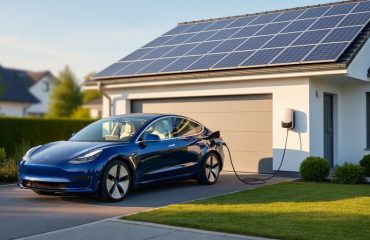
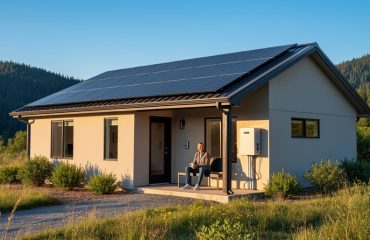
When the grid goes down, homes with solar panels and battery storage stay powered up. While your neighbors scramble for flashlights and coolers, your refrigerator keeps humming, your phone stays charged, and your air conditioning or heating continues running. This isn’t just convenient—it can be lifesaving.
Battery backup systems store excess solar energy generated during the day, creating a personal power reserve you can tap into whenever needed. During outages, your system automatically switches to battery power within milliseconds, so seamlessly you might not even notice the transition.
Consider the Texas winter storm of 2021. While millions lost power for days in freezing temperatures, homeowners with solar-plus-storage kept their heat running and pipes from freezing. In California, where wildfire-related blackouts have become routine, families with battery backup maintain power for medical equipment like CPAP machines and oxygen concentrators—devices that literally keep people breathing.
The practical benefits extend beyond emergencies. Your refrigerator and freezer stay cold, protecting hundreds of dollars worth of food from spoiling. Medical devices remain operational. During summer heatwaves or winter cold snaps, you maintain comfortable temperatures while others evacuate to cooling centers or shelters. You can charge essential devices, stay connected with family, and even keep working if you work from home.
Most residential battery systems store between 10-15 kilowatt-hours of energy, enough to power essential appliances for 24 hours or more. You decide what matters most—whether that’s keeping the entire home running or prioritizing critical circuits. Either way, you’re no longer at the mercy of an aging electrical grid increasingly strained by extreme weather events.
Energy Independence from Grid Failures
When power grids fail during storms, floods, or heat waves, homes with solar energy systems gain a significant advantage. Traditional electrical infrastructure remains surprisingly vulnerable to extreme weather, leaving millions without power each year. Solar panels paired with battery storage create your own personal power plant, keeping essential appliances running when the grid goes down.
The real magic happens through a strategy called net metering. During sunny periods, your solar panels typically generate more electricity than you immediately need. With net metering, this excess energy flows back to the grid, and your utility company credits your account. Think of it as banking energy for rainy days, literally and figuratively. These accumulated credits offset your energy costs during less productive weather periods or nighttime hours.
Advanced solar technology now allows homeowners to maximize energy capture even during partly cloudy conditions, building up reserves when weather cooperates. Combined with battery systems, you’re essentially pre-loading power for potential outages.
This independence provides more than convenience. It offers genuine peace of mind during climate emergencies. While neighbors scramble for generators or wait days for grid restoration, your home maintains critical functions like refrigeration, heating, cooling, and medical equipment operation. You’re not just reducing your carbon footprint; you’re creating a reliable safety net that responds to our increasingly unpredictable climate patterns. Solar transforms your home from a passive energy consumer into an active, resilient power center.
Protection Against Energy Price Spikes
When extreme weather strikes, electricity costs can skyrocket overnight. During heatwaves, hurricanes, and severe winter storms, power grids strain under increased demand, and utility companies often pass these costs directly to consumers through higher rates. In Texas, for example, some residents faced electricity bills exceeding $5,000 during the 2021 winter storm when prices surged to emergency levels.
Solar panel owners enjoy a significant advantage during these price spikes. Because you generate your own electricity, you’re largely insulated from market volatility and emergency rate increases. While your neighbors see their bills double or triple during extreme weather events, your costs remain stable and predictable.
This financial protection becomes even stronger when you pair solar panels with battery storage. During peak demand periods when electricity prices are highest, you can draw from your stored solar energy instead of buying expensive grid power. You’re essentially creating your own energy insurance policy that pays dividends every time the grid faces stress.
The savings extend beyond crisis moments too. As climate change makes extreme weather more frequent, utility companies are investing billions in grid upgrades and repairs. These infrastructure costs get passed to all customers through higher base rates. Solar users offset these increases by reducing their reliance on grid electricity, maintaining lower energy costs year after year.
Financial resilience and climate resilience go hand in hand. By investing in solar energy, you’re not just protecting the environment—you’re protecting your household budget from the economic impacts of our changing climate.
Keeping Cool (or Warm) When It Matters Most
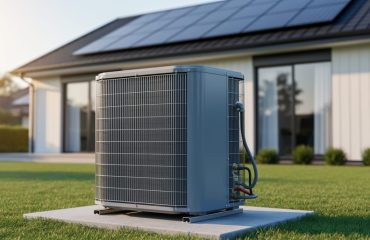
When extreme temperatures hit, your home becomes more than just comfortable—it becomes a safe haven. A solar energy system with battery backup keeps your climate control running when your neighbors are left vulnerable during grid failures.
During heat waves, elderly family members and young children face serious health risks when air conditioning fails. Your solar-powered home maintains safe indoor temperatures, preventing heat exhaustion and worse. The same protection applies during winter cold snaps, when heating systems powered by your solar batteries keep everyone warm and safe.
This isn’t about luxury or convenience—it’s about life safety. Recent extreme weather events have shown us that power outages during temperature extremes can turn dangerous quickly. Hospitals fill with people suffering from exposure that could have been prevented.
Your solar system acts as your personal power station, independent of an overloaded grid. While utility companies implement rolling blackouts to manage demand during extreme weather, your home stays at a safe, comfortable temperature. You’re not just saving money on energy bills—you’re investing in your family’s wellbeing when conditions outside become hazardous. That peace of mind during increasingly common extreme weather events? Priceless.
The Battery Storage Advantage: Your Personal Power Reserve
Here’s a common misconception that catches many homeowners off guard: installing solar panels alone won’t keep your lights on during a power outage. Standard grid-tied solar systems automatically shut down when the grid goes dark for safety reasons, protecting utility workers from unexpected electricity flowing through the lines. This is where battery storage transforms your solar investment from a money-saver into a true resilience powerhouse.
Think of a home battery system as your personal power reserve, similar to having a backup generator but cleaner, quieter, and smarter. During sunny days, your solar panels generate more electricity than your home needs. Instead of sending all that excess energy back to the grid, a battery storage system captures and stores it for later use. When the sun sets or storm clouds roll in, your home seamlessly draws from this stored energy rather than relying solely on the utility company.
The real magic happens during emergencies. When severe weather knocks out power in your neighborhood, homes with battery backup keep running. Your refrigerator stays cold, your phone stays charged, and essential medical equipment keeps working. You’re not just more comfortable during outages, you’re genuinely safer and more self-sufficient.
Modern battery systems have become remarkably sophisticated. They monitor your energy usage patterns, weather forecasts, and even utility rate schedules to optimize when to store, use, or sell power back to the grid. Many systems can power your entire home for 24 hours or more on a single charge, and they automatically recharge once your solar panels start producing again.
The bottom line: solar panels capture energy, but batteries give you control over when and how you use it. Together, they create a resilient home energy system that works for you around the clock, regardless of what’s happening with the power grid. That’s not just sustainability, that’s energy independence.

Real-World Stories: Solar Resilience in Action
When Hurricane Ian knocked out power across Florida in 2022, Maria’s family in Fort Myers kept their refrigerator running, phones charged, and air conditioning on throughout the five-day outage. Their solar panels paired with battery storage meant they barely noticed the grid was down, while neighbors sought refuge in cooling centers.
In Northern California, the Chen family experienced this same peace of mind during wildfire season. When Pacific Gas & Electric shut down power to prevent fire risks, their solar system automatically switched to battery mode. They maintained normal routines while supporting neighbors by charging medical devices and keeping medication refrigerated.
Texas homeowner James installed solar after the 2021 winter storm left millions without heat. When extreme cold hit again the following year, his system kept essential circuits powered, including his furnace blower and water heater. “We weren’t heroes,” he says, “just comfortable and safe in our own home.”
These aren’t exceptional circumstances anymore. Last summer in Phoenix, the Rodriguez family sailed through a heat wave that strained the grid, avoiding rolling blackouts entirely thanks to their solar investment. Their system provided predictable, reliable power during the exact hours when electricity demand and prices peaked.
What these homeowners share isn’t luck but preparation. They made strategic investments that transformed unpredictable weather events from potential crises into minor inconveniences. Their solar systems delivered exactly what matters most during extreme weather: independence, comfort, and security.

Making Your Solar System Climate-Ready
Building a solar system that can withstand whatever nature throws your way doesn’t require a degree in engineering—just smart planning and the right components. Think of it as weatherproofing your energy independence.
Battery capacity is your first priority. To keep essentials running during extended outages, aim for a battery system that can store at least two to three days’ worth of critical power needs. This means calculating what you absolutely need during emergencies—refrigeration, medical devices, heating or cooling, lighting, and communication devices. Most resilient home setups include batteries ranging from 10-20 kilowatt-hours, though your specific needs may vary.
Next, consider installing a critical load panel. This smart addition separates your must-have circuits from nice-to-have ones, ensuring your battery power goes where it matters most during an outage. Your installer can help identify which circuits should make the cut.
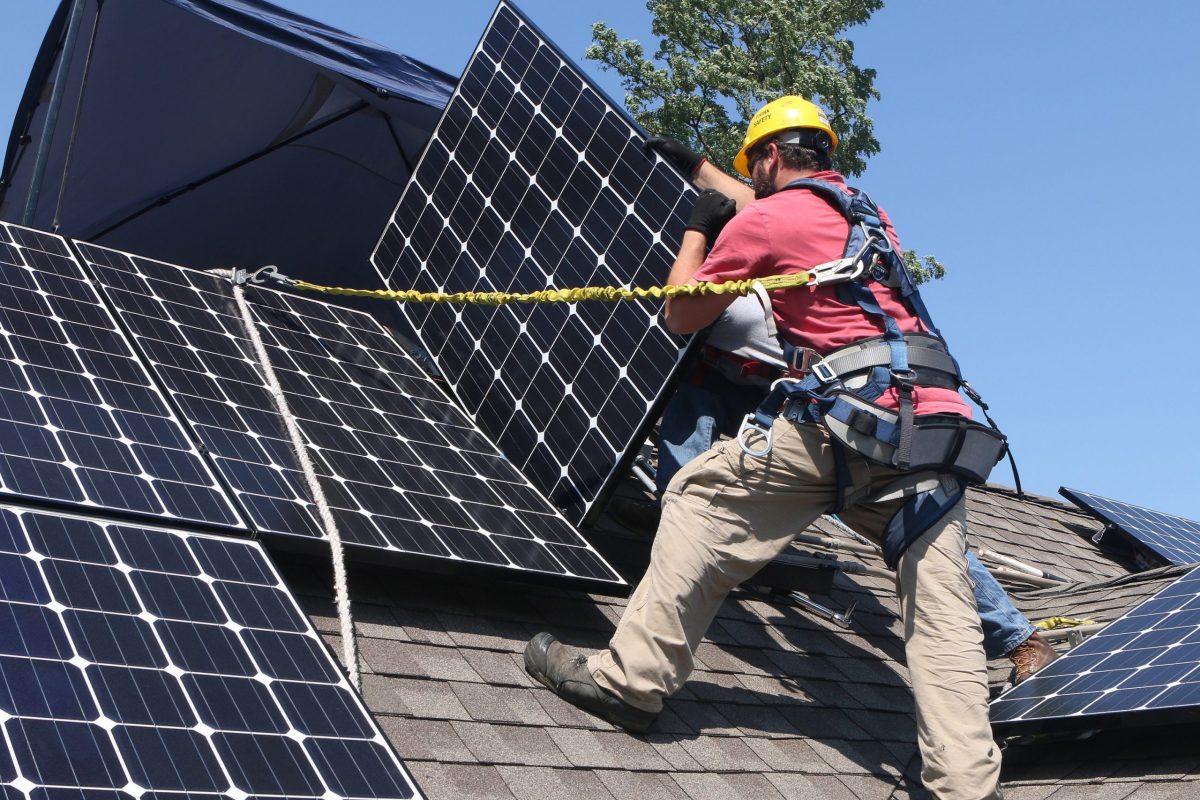
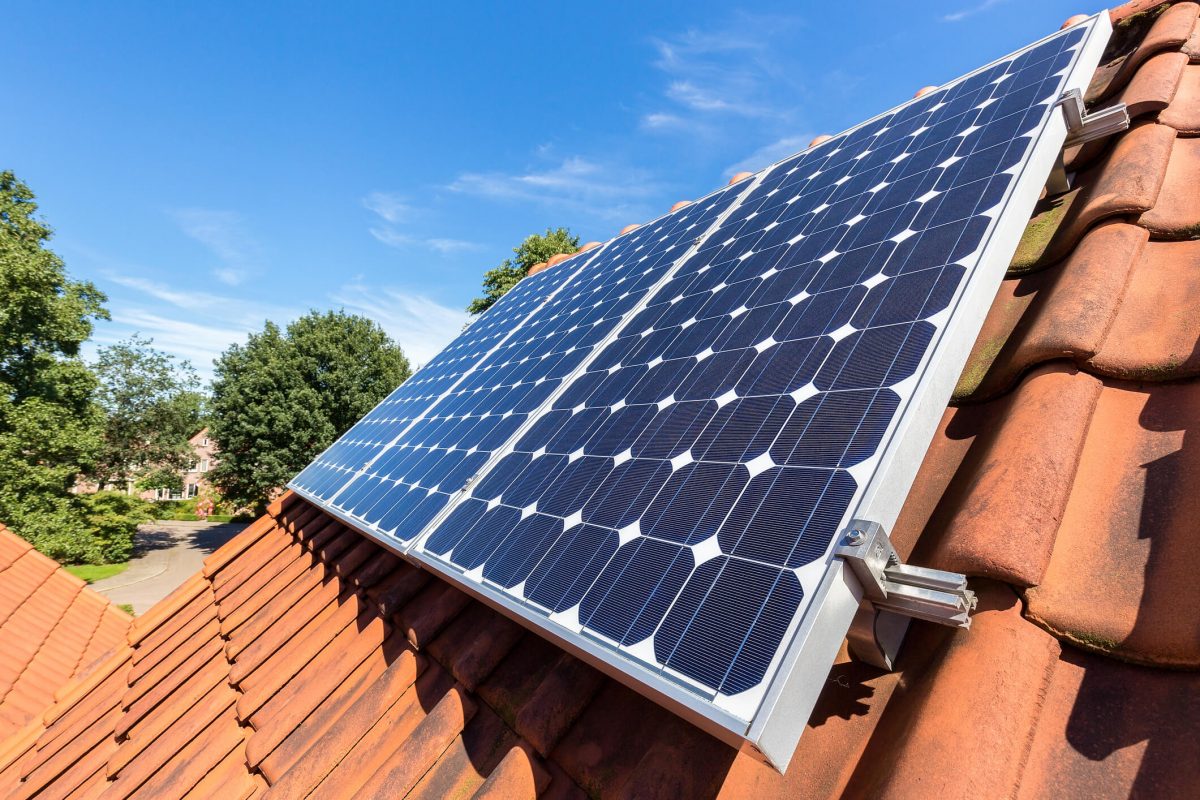
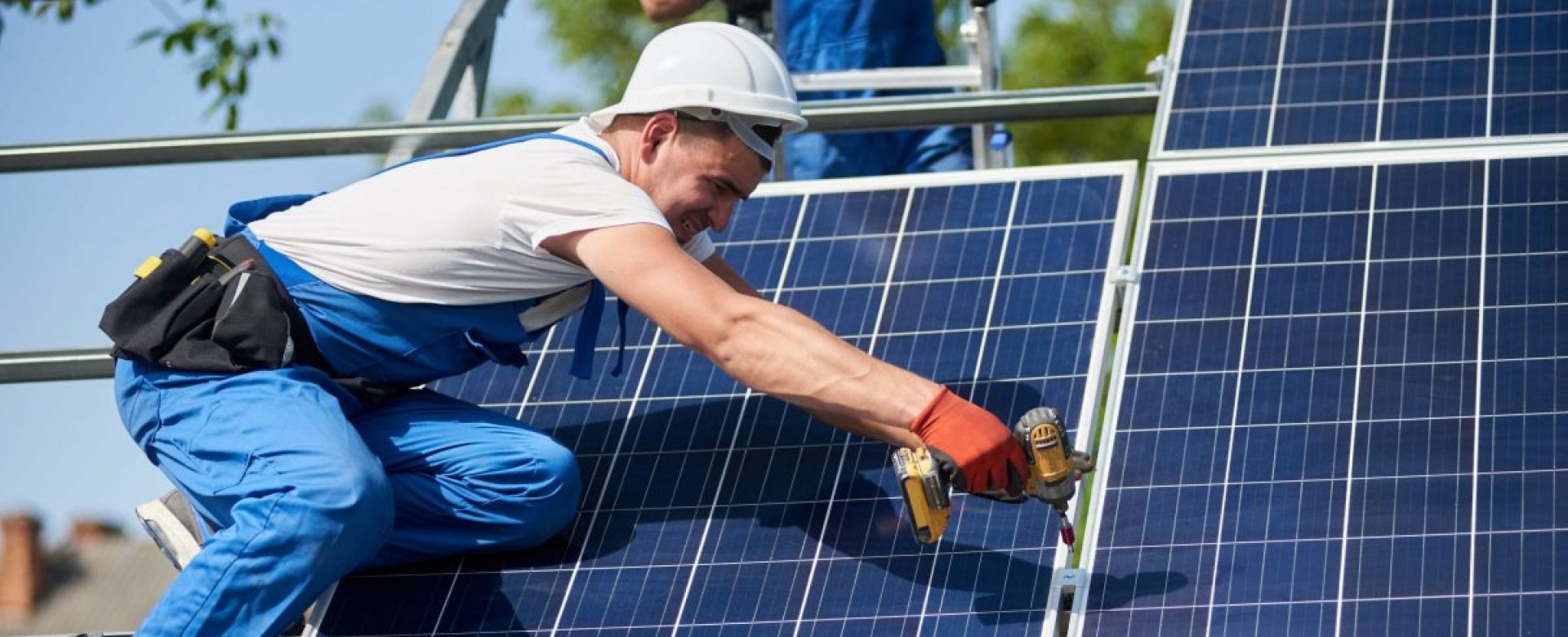
Weather resistance starts with professional installation. Proper roof mounting, sealed electrical connections, and strategic panel placement protect your investment from high winds, hail, and heavy snow. The latest solar innovations include impact-resistant designs that laugh off severe weather better than ever before.
Maintenance keeps your system resilient year after year. Fortunately, it’s simple: inspect panels quarterly for debris or damage, clear snow when safe to do so, and schedule professional check-ups annually. Beyond physical upkeep, protecting your solar system from digital threats ensures uninterrupted performance.
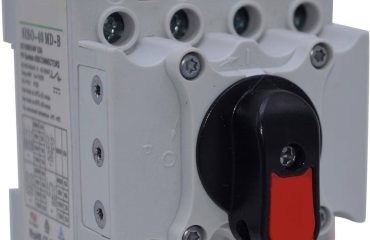
Finally, verify your system includes automatic disconnect features and surge protection—these safeguards prevent damage from lightning strikes and grid fluctuations. With these elements in place, your solar system becomes a reliable fortress against climate uncertainty.
The Cost of Resilience (It’s Less Than You Think)
Let’s be honest: when you hear “climate-resilient solar system,” you might picture dollar signs piling up. But here’s the reality—adding resilience to your solar installation costs far less than most homeowners expect, and the investment pays dividends in ways that go beyond your monthly energy bill.
A basic grid-tied solar system typically costs between $15,000 and $25,000 for an average home. Adding battery storage for resilience adds roughly $10,000 to $15,000 to that total. Yes, it’s an additional expense, but consider this: a whole-home generator costs $7,000 to $15,000, requires ongoing fuel costs, needs regular maintenance, and still depends on supply chains during emergencies. Your resilient solar system, by contrast, generates free power indefinitely.
Here’s where it gets better. Federal tax credits currently cover 30% of your total system cost, including batteries. That immediately brings down a $30,000 resilient solar system to $21,000 out of pocket. Many states offer additional rebates and incentives. California, for example, provides the SGIP program offering up to $1,000 per kilowatt-hour of battery storage. Some utilities even pay you for allowing them to tap into your stored energy during peak demand.
The financial benefits of solar extend well beyond incentives. Resilient solar systems eliminate or drastically reduce electricity bills—savings that compound over 25-plus years of system life. They protect refrigerated food and medications during outages, preventing hundreds in losses. They maintain home security systems and medical equipment without interruption. When extreme weather hits your region, your home value increases while neighbors scramble for generators.
Most importantly, resilient solar systems offer something priceless: peace of mind. When the next storm, wildfire, or heat wave strikes, you won’t be wondering whether the power will hold. You’ll already have your answer—and it’s stored right in your home.
Building a climate-resilient home with solar energy isn’t just about weathering the next storm or power outage. It’s about creating a living space where you’re genuinely in control, regardless of what’s happening outside your walls. When extreme weather strikes your neighborhood or utility disruptions become the norm, your home remains a constant source of comfort and security. That peace of mind is invaluable.
The practical benefits extend far beyond emergency preparedness. You’ll enjoy lower energy bills month after month, increased home value, and the satisfaction of reducing your environmental footprint. Your family gains independence from an aging electrical grid and protection from rising utility rates. These aren’t small wins—they’re fundamental improvements to your quality of life.
Climate-resilient homes represent a shift in thinking. Instead of simply reacting to increasingly unpredictable weather patterns and infrastructure challenges, you’re proactively building a better future. You’re choosing stability over uncertainty, control over dependence, and confidence over worry.
The technology is proven, financing options have never been more accessible, and the long-term savings continue to improve. The question isn’t whether solar resilience makes sense—it’s whether you’re ready to take that step. Your home’s energy future doesn’t have to depend on external factors you can’t control. With solar energy systems and battery storage, you’re choosing to thrive, not just survive. The power to transform your home starts with a single decision to explore your options today.