Your home battery system is safer than the smartphone in your pocket. Modern energy storage has evolved light-years beyond the early safety concerns that still dominate online discussions, yet misconceptions persist. If you’ve hesitated to install a battery system because you’ve heard warnings about fire risks or explosions, you’re basing decisions on outdated information that doesn’t reflect today’s technology.
The truth is that contemporary battery systems include multiple layers of protection that continuously monitor temperature, voltage, and performance. These intelligent safeguards detect potential issues before they become problems, automatically adjusting operations or shutting down if anything falls outside normal parameters. Think of it as having a vigilant safety expert watching your system 24/7, making split-second decisions to keep your home protected.
What’s changed the game is predictive maintenance technology. Instead of waiting for something to go wrong, modern systems analyze performance patterns and alert you to minor issues while they’re still easy to fix. This proactive approach not only enhances safety but saves you money by preventing costly repairs and extending your battery’s lifespan.
The result? You get reliable backup power during outages, lower energy bills through smart charging and discharging, and genuine peace of mind knowing your investment is protected by technology designed specifically to prevent the scenarios that make headlines. Understanding how these safety features work and what you can do to maintain them transforms energy storage from a question mark into a confident decision for your home’s future.
What Makes Energy Storage Systems Safe (Or Not)
The Real Risks (Without the Scary Stories)
Let’s be clear about what can actually happen with battery storage systems. The main concern is thermal runaway, which occurs when a battery cell overheats and triggers a chain reaction. Think of it like a domino effect inside the battery. While rare in modern systems, it’s the reason manufacturers invest heavily in safety features.
Electrical faults are another real risk, similar to what you’d find in any home electrical system. Short circuits or wiring issues can occur if components aren’t installed correctly or become damaged over time. That’s why professional installation matters.
Battery degradation is inevitable but manageable. Over years of use, your battery’s capacity gradually decreases, just like your phone battery. This isn’t dangerous, but it does affect performance. Quality systems lose capacity slowly and predictably.
The good news? Today’s battery systems include multiple safeguards specifically designed to prevent these issues. Temperature sensors, automatic shutoffs, and fire-resistant enclosures work together to catch problems before they escalate. When properly installed and monitored, these systems are comparable in safety to other major home appliances you use daily without worry.
Built-In Safety Features That Protect Your Home
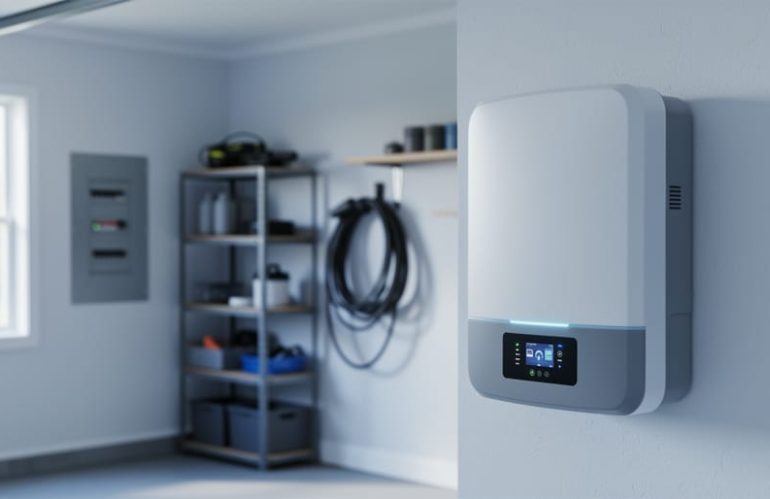
Modern home battery systems come equipped with multiple layers of protection that work quietly in the background to keep your family safe. Think of these as the airbags and seatbelts of energy storage—you hope you never need them, but they’re always there.
Temperature sensors constantly monitor your battery’s heat levels, automatically adjusting operation or shutting down if things get too warm. This prevents overheating before it becomes a concern. Circuit breakers act like the ones in your electrical panel, immediately cutting power if they detect any unusual electrical activity.
Quality battery systems also include built-in ventilation designs that disperse heat naturally, keeping components cool during normal operation. Many systems feature fire-resistant enclosures and automatic disconnect switches that can isolate the battery from your home’s electrical system in milliseconds.
The best part? These safety features operate automatically, requiring no action from you. They’re designed to prevent issues rather than simply react to them, giving you genuine peace of mind while you enjoy lower energy bills and backup power during outages.
Predictive Maintenance: Your Battery’s Early Warning System
What Gets Monitored While You Sleep
Modern battery systems work around the clock to keep your home safe, tracking multiple health indicators that tell the complete story of your system’s wellbeing. Think of it like a fitness tracker for your energy storage, constantly checking vital signs to catch potential issues before they become problems.
Temperature monitoring is the first line of defense. Your system tracks heat levels across individual battery cells, ensuring everything stays within the sweet spot for safe operation. If one area starts running warmer than others, the system takes note and can adjust charging patterns automatically.
Voltage tracking acts like a blood pressure check, measuring the electrical flow to ensure each cell receives the right amount of power. This prevents overcharging, which is one of the main culprits behind battery wear and tear. Your system balances the voltage across all cells, similar to how a good diet keeps your body in balance.
The monitoring also tracks charging cycles, essentially counting how many times your battery fills up and empties. This data helps predict when performance might naturally decline over time, allowing you to plan ahead rather than face surprises.
Cell balance monitoring ensures all battery components age at the same rate, preventing weak links in the chain. Meanwhile, performance tracking compares your system’s current output against its baseline, identifying gradual changes that signal normal aging versus sudden shifts that deserve attention.
Together, these metrics create a comprehensive safety net that works while you sleep, eat dinner, or go about your day.
From Data to Action: How Problems Get Caught Early
Think of your battery system’s monitoring software as a health tracker for your home energy storage. Just like a fitness watch notices changes in your heart rate before you feel anything wrong, these smart systems detect tiny shifts in performance that signal potential problems.
Here’s the exciting part: modern battery monitors track dozens of data points every single second. They’re measuring temperature variations, voltage fluctuations, charging speeds, and discharge patterns. When analyzed together, these measurements create a detailed picture of your battery’s health.
The real magic happens through pattern recognition. Your system learns what “normal” looks like for your specific setup and usage habits. Maybe your battery typically charges to full capacity in four hours on a sunny afternoon. If that suddenly stretches to five hours, the system flags it for investigation, even though you’d never notice the difference in your daily routine.
This early warning system can spot issues weeks or even months before they’d cause any real concern. A slight imbalance between battery cells, a minor cooling inefficiency, or gradual capacity loss—all get identified while they’re still easy and inexpensive to address.
The financial benefit? Catching small issues early means simple fixes instead of costly replacements. One homeowner discovered a minor ventilation problem through monitoring alerts and fixed it for under $200. Left undetected, it could have shortened their battery’s lifespan by years, representing thousands in lost value.
This isn’t about creating worry—it’s about giving you complete peace of mind that your investment is protected around the clock.
The Financial Benefits of Catching Problems Early
Avoiding Expensive Emergency Repairs
Regular maintenance might seem like an optional expense, but it’s surprisingly affordable compared to emergency repairs. Most battery systems require only simple visual checks and software updates—tasks that cost little to nothing when performed routinely. Think of it like changing your car’s oil versus replacing the entire engine.
Here’s the reality: a typical annual inspection by a certified technician runs between $150-$300. This visit catches small issues like loose connections or software glitches before they escalate. Compare that to emergency battery replacement, which can cost $8,000-$15,000 depending on your system size.
Real-world example: One homeowner ignored a minor warning light for months. What could have been a $200 sensor replacement turned into a $3,500 repair when the problem damaged other components. Another family scheduled quarterly self-checks and caught corrosion early, fixing it for under $100.
The good news? Modern energy storage systems are designed to alert you before problems become serious. These smart notifications mean you’re never caught off guard. By addressing small maintenance items promptly, you’ll avoid the stress and expense of unexpected failures while keeping your system running efficiently for decades.
Protecting Your Warranty and Investment
Your energy storage system represents a significant investment in your home’s future, and protecting that investment starts with understanding your warranty requirements. Most battery manufacturers require regular professional inspections and proper maintenance to keep warranties valid—typically ranging from 10 to 15 years of coverage. Skipping these requirements could void your protection, leaving you responsible for expensive repairs or replacements.
The good news? Modern monitoring systems make warranty compliance incredibly easy. Your system’s smart technology automatically tracks performance metrics and alerts you to schedule maintenance before problems develop. This proactive approach not only satisfies warranty conditions but actually extends your battery’s lifespan well beyond the warranty period itself.
Think of it like maintaining your car—regular oil changes and tune-ups prevent breakdowns and help your vehicle last longer. Similarly, scheduled battery inspections catch minor issues before they become costly problems. Technicians check connections, update software, verify cooling systems, and ensure your battery operates at peak efficiency. These simple steps can add years to your system’s life while maximizing the homeowner’s investment through consistent performance.
Many homeowners discover their monitoring service pays for itself through improved efficiency alone. A well-maintained battery stores and delivers energy more effectively, translating directly to greater savings on your electricity bills month after month.
Peace of Mind: What Homeowners Actually Experience
Simple Alerts You Can Actually Understand
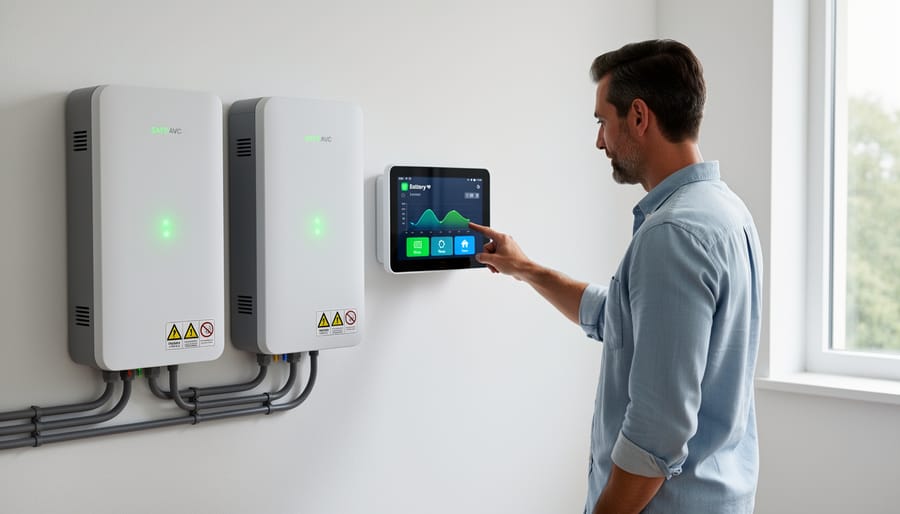
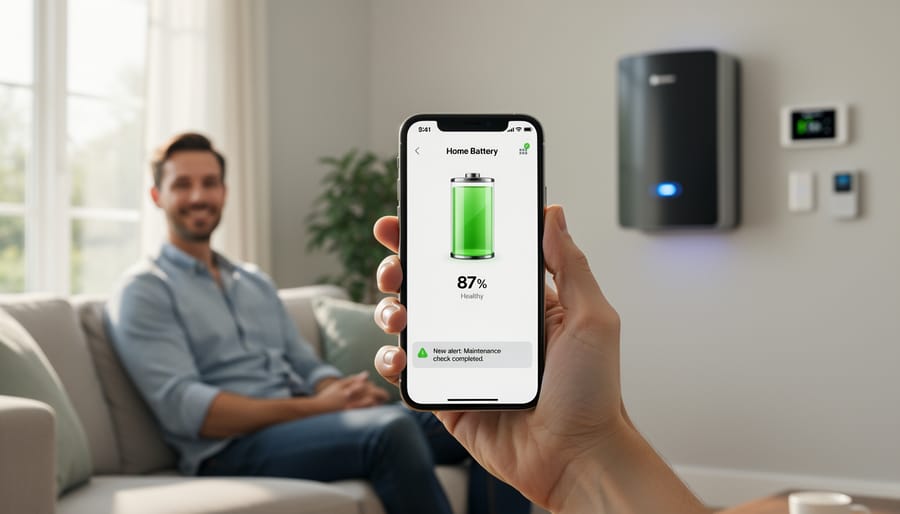
Modern battery systems communicate with you just like your favorite apps—no engineering degree required. When your system detects something that needs attention, you’ll receive a straightforward notification on your smartphone or via email that explains exactly what’s happening in plain English.
Instead of cryptic error codes, you might see messages like “Battery temperature slightly elevated—system reducing charge rate” or “Routine calibration scheduled for tonight.” These alerts tell you what’s happening and, more importantly, what action the system is already taking to keep everything running safely.
Most notifications are purely informational, letting you know your battery is performing routine self-checks or minor adjustments. If something does require your attention, the message clearly states whether you need to contact support or if it’s simply a heads-up about scheduled maintenance.
Think of it like your car’s dashboard—a check engine light tells you something needs looking at, but it doesn’t mean your vehicle is about to explode. Your battery system works the same way, giving you peace of mind through transparency while the smart technology handles the complex stuff behind the scenes.
When to Call the Pros (And When Not to Worry)
Modern battery systems are designed to handle routine variations without requiring intervention, so knowing what’s normal versus concerning saves you unnecessary stress and service calls. Your monitoring app will send alerts for various conditions, but most are informational rather than urgent.
You can typically relax when you see notifications about standard charging patterns, minor temperature fluctuations within normal range, or routine software updates. These are just your system keeping you informed, not calling for help. Seasonal performance variations are also normal—batteries may charge and discharge differently in summer versus winter.
However, contact your installer immediately if you notice persistent error messages that don’t clear after restarting the system, unusual odors or sounds coming from the battery unit, physical damage to the equipment, or alerts indicating the system has completely shut down. Also reach out if your app shows repeated overheating warnings or if your battery stops charging or discharging entirely.
The good news? Most homeowners never experience serious issues. The monitoring technology exists precisely to catch the rare problem early, often before you’d even notice. Think of it like your car’s check engine light—most alerts are preventative maintenance reminders, not emergencies. When in doubt, a quick call to your installer provides peace of mind and typically confirms everything’s working as designed.
Making Sure Your System Has This Protection
Questions to Ask Your Solar Installer
Before signing on with any company, it’s important to have a clear conversation about how your battery system will keep your family safe. Here are the key questions you should ask during your consultation:
How does your monitoring system alert me to potential issues? The best systems send automatic notifications to both you and the installer before minor issues become problems. Ask if monitoring is included or costs extra.
What’s included in your maintenance plan? Find out whether regular inspections are part of the package and how quickly they respond to alerts. Some companies offer annual check-ups, while others only respond to emergencies.
What safety protocols does the battery have built-in? Request specifics about thermal management, automatic shutoff features, and fire prevention technology. A reputable solar installer will gladly explain these features in plain language.
What certifications does this battery system have? Look for UL certification and other recognized safety standards. These certifications mean the product has passed rigorous third-party testing.
Who do I contact if something seems wrong? Make sure you have a clear emergency contact and understand response times. The peace of mind that comes from knowing help is available quickly is invaluable.

Upgrading Older Systems with Modern Monitoring
If you installed your battery storage system more than a few years ago, good news: you don’t need to replace everything to benefit from modern safety monitoring. Several affordable retrofit options let you add predictive maintenance capabilities to older systems.
Third-party monitoring devices can connect to most existing battery setups, giving you smartphone alerts and real-time performance tracking. These add-on systems typically cost between $200-$800 and install in a few hours, often without requiring an electrician. They track temperature patterns, charging cycles, and performance metrics that reveal potential issues before they become problems.
Many battery manufacturers now offer upgrade packages specifically designed for their earlier models. These updates might include new battery management software, additional temperature sensors, or cloud-based monitoring dashboards. Contact your original installer to ask about compatibility with your specific system.
Smart home integration represents another upgrade path. Devices that monitor your home’s electrical system can detect unusual battery behavior and send notifications directly to your phone. Some homeowners report catching minor issues that would have cost thousands in repairs if left undetected.
The investment typically pays for itself through extended battery life and prevented failures. Most monitoring upgrades also increase your home’s resale value, as buyers increasingly expect modern safety features in energy storage systems. Even basic monitoring beats relying on annual inspections alone.
Here’s the reassuring truth about home battery safety: you don’t need an engineering degree to keep your system running safely. Modern energy storage systems do the complex work for you through intelligent monitoring and predictive maintenance technology. These systems constantly track temperature, voltage, and performance—alerting you or your installer to potential issues before they become problems.
When shopping for a home battery system, prioritize options with robust monitoring capabilities. Look for systems that offer real-time performance tracking through smartphone apps and automatic alerts. This technology transforms your battery from a mysterious black box into a transparent, manageable part of your home—much like your smart thermostat or security system.
The bottom line? With proper installation and modern safety features, home batteries are as safe as your refrigerator, water heater, or any other household appliance. Actually, they’re safer in many ways because they’re actively monitoring themselves 24/7. No other appliance in your home is that attentive to its own wellbeing.
Beyond safety, these monitoring systems protect your investment by maximizing battery lifespan and efficiency. You’ll catch small issues early, avoid costly repairs, and ensure you’re getting every dollar of savings your system can deliver. The financial returns speak for themselves—reduced energy bills, backup power during outages, and potential incentives—all while contributing to a cleaner energy future. Safety and savings working together? That’s the kind of home upgrade worth making.