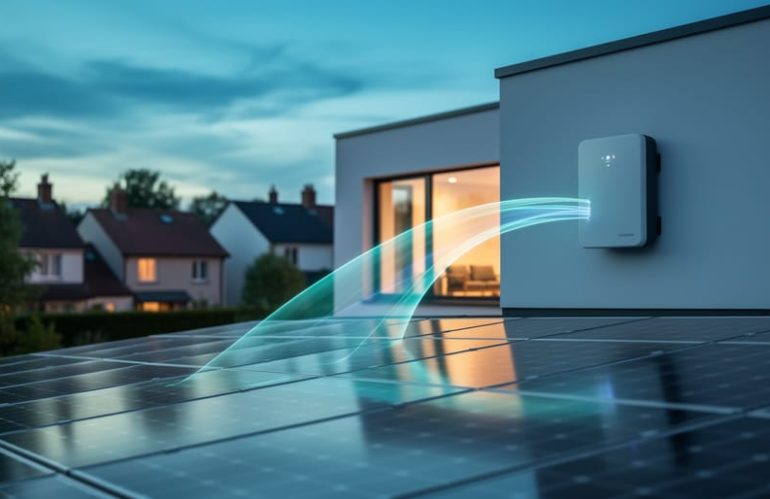
A quantum approximate optimization algorithm (QAOA) is a computational method that uses quantum computing principles to solve complex optimization problems more efficiently than traditional computers. In the context of residential solar energy, QAOA helps tackle one of the biggest challenges facing modern solar grids: figuring out how to distribute and store energy from thousands of homes in the smartest, most cost-effective way possible.
Think of your neighborhood solar grid as a massive puzzle with constantly changing pieces. Every second, solar panels on different roofs generate varying amounts of power based on cloud cover, time of day, and panel efficiency. Meanwhile, homes draw different amounts of electricity for air conditioning, electric vehicles, appliances, and more. Traditional computers struggle to instantly calculate the best way to route, store, and distribute all that energy across the grid.
That’s where QAOA comes in. This algorithm can process multiple solutions simultaneously, rapidly identifying optimal patterns for energy flow that conventional systems might miss or take hours to calculate. For homeowners with solar panels in 2026, this translates to behind-the-scenes improvements in how your excess energy gets valued, stored, and sold back to the grid. You won’t need to learn quantum physics or upgrade your equipment. The benefits simply show up as more efficient energy management, better integration with battery storage systems, and potentially lower monthly bills as utility companies adopt these optimization techniques.
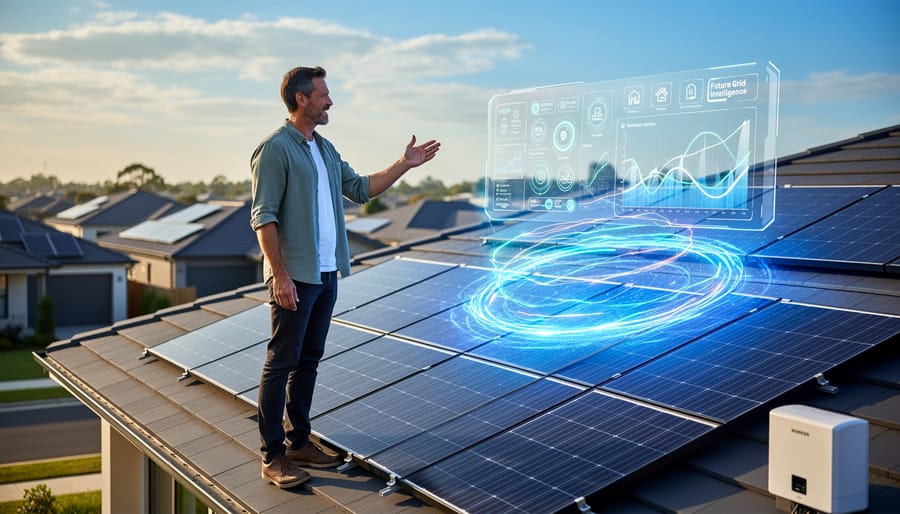
What Is a Quantum Approximate Optimization Algorithm?
A Quantum Approximate Optimization Algorithm is a specialized method that quantum computers use to tackle extremely complicated puzzles, the kind where finding the perfect answer would take traditional computers years or even centuries to solve. Think of it as a smart shortcut that gets you remarkably close to the best possible solution without testing every single option. For solar energy management, this matters because coordinating power flow across hundreds or thousands of homes, each with different solar panels, batteries, and usage patterns, creates exactly the type of massive puzzle QAOA excels at solving.
Here’s what the key terms mean in plain language:
- Quantum Computing
- A new type of computing that uses quantum physics to process information in fundamentally different ways than regular computers, allowing them to explore many possibilities simultaneously.
- Optimization
- Finding the best solution from millions or billions of possible choices, like determining the most efficient way to route electricity from solar panels across an entire neighborhood.
- Algorithm
- A set of step-by-step instructions that tells a computer how to solve a particular type of problem, similar to a recipe.
- Approximate Solution
- An answer that’s very close to perfect but reached much faster than finding the absolute best option, often good enough for real-world use.
The “approximate” part is actually a strength, not a limitation. Instead of wasting time hunting for a theoretically perfect answer that might be only 0.01% better, QAOA finds excellent solutions quickly enough to be useful in real-time situations, like adjusting energy flows as clouds pass over your neighborhood or when everyone turns on their air conditioning at once. Traditional computers would need to check possibilities one at a time, but QAOA for combinatorial optimization leverages quantum mechanics to explore countless scenarios at once, then zeroes in on the best practical choice.
How Does QAOA Work?

The Quantum Advantage
Traditional computers work like someone checking every seat in a stadium one by one to find the best view. Quantum computers, by contrast, can evaluate all the seats simultaneously. This fundamental difference, called quantum parallelism, lets quantum systems explore millions of possible solutions at the same time, dramatically cutting the time needed to solve complex problems.
For solar grid optimization, this capability matters enormously. Managing electricity from thousands of rooftops involves countless variables: which homes are generating power, which are consuming it, where batteries should charge or discharge, and how to balance supply across the network. A traditional computer must test each configuration sequentially, which becomes impractical as the grid grows. Quantum computers sidestep this limitation entirely.
QAOA leverages this advantage through what researchers call a variational method for QAOA where the quantum system tests multiple energy distribution scenarios in parallel, identifying patterns that lead to optimal outcomes. Think of it as simultaneously trying every possible route through a maze instead of exploring one path at a time.
The practical result: utilities can make better real-time decisions about where your excess solar power should go, when to store it, and how to prevent grid overloads during peak production. Problems that might take conventional computers days to solve become solvable in minutes, enabling smarter energy management that directly benefits solar homeowners through reduced waste and improved reliability.
Finding the Best Solution
QAOA doesn’t just guess at the best answer, it gets smarter with every attempt. The algorithm works by running the same problem through multiple cycles, refining its approach each time until it homes in on the optimal solution.
Think of it like adjusting your home thermostat. You don’t set it to 68 degrees and get the perfect temperature instantly. You might start there, realize it’s too cold, bump it to 70, find that’s too warm, then settle on 69. QAOA does something similar, but with far more complex problems and at quantum speed.
Each cycle has two phases. First, the quantum computer explores different possible solutions simultaneously. Then it evaluates how good those solutions are and adjusts its strategy. With each round, the algorithm zeroes in on better answers, discarding approaches that didn’t work well and building on promising ones.
For solar grid optimization, this means the system might start by testing thousands of ways to route energy from rooftop panels across a neighborhood. Early cycles eliminate clearly inefficient options. Later cycles fine-tune the remaining choices, considering factors like current demand, weather forecasts, and battery charge levels. After enough iterations, sometimes just a few dozen, QAOA identifies the configuration that minimizes waste and maximizes savings.
The beauty is that QAOA typically finds excellent solutions much faster than traditional computers could check every possibility one by one.
Types and Components of QAOA Systems
Hardware Requirements
Quantum computers capable of running QAOA algorithms require specialized infrastructure that’s well beyond what any residential solar installation needs. These machines operate at temperatures near absolute zero, hundreds of degrees colder than outer space, to maintain the delicate quantum states that give them their problem-solving power. They’re housed in dedicated facilities with controlled environments and extensive support systems.
For solar grid optimization, utility companies and regional grid operators are the ones investing in this quantum computing infrastructure. Some partner with quantum computing providers like IBM, Google, or specialized firms that offer cloud-based access to quantum processors. Others work with research institutions testing QAOA applications in controlled settings.
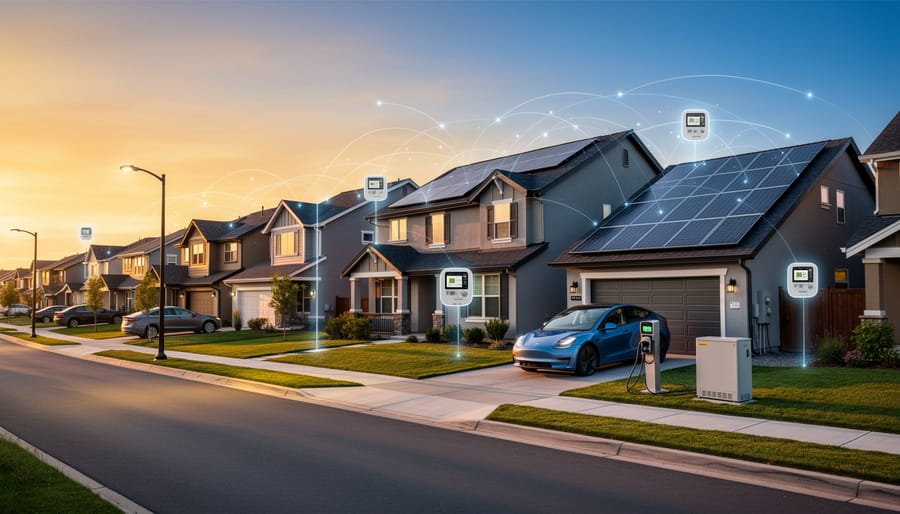
The good news for homeowners: you don’t need any special equipment. Your existing solar panels, inverters, and smart meters already collect the data that optimization algorithms use. When quantum-enhanced grid management arrives, it will happen entirely on the utility side. Think of it like how your power company upgraded to digital monitoring and automated switching, the benefits reached you without requiring new hardware on your roof or in your garage.
Software and Programming
QAOA algorithms start as mathematical formulas that describe an optimization problem, like finding the best way to distribute solar power across a neighborhood. Programmers translate these formulas into quantum circuits, which are sequences of instructions telling quantum computers exactly which calculations to perform.
For solar grid management, developers customize QAOA code to account for specific variables: how much power each home generates, when residents typically use energy, current battery charge levels, and weather forecasts affecting production. The algorithm gets tailored to prioritize what matters most, maybe minimizing waste during peak generation or ensuring backup power for critical needs.
These programs run on specialized quantum computing platforms, often using programming languages like Qiskit or Cirq designed for quantum hardware. The software adjusts parameters through multiple iterations, refining its solution each cycle. For battery storage scheduling, the code might test thousands of charging scenarios simultaneously to find the pattern that maximizes savings.
The key advantage: once programmed, QAOA can adapt quickly to changing conditions without needing complete redesign, making it practical for the dynamic nature of solar energy systems.
Integration with Classical Computing
QAOA doesn’t work in isolation, it operates as part of a hybrid system where quantum and classical computers handle different pieces of the puzzle. Think of it like a relay race: the quantum computer sprints through the heavy optimization work, testing millions of energy distribution scenarios in seconds, then hands off the results to a traditional computer that validates the solution, applies real-world constraints, and executes the actual commands.
This partnership is crucial because quantum computers excel at exploring possibilities but aren’t yet reliable enough to run entire systems alone. Classical computers bring the stability and precision needed for tasks like monitoring grid conditions, managing battery charge scheduling and communicating with thousands of solar installations. The quantum side proposes the best energy management strategy, while the classical side makes sure it’s practical and safe to implement.
For solar homeowners, this hybrid approach means you get the benefit of quantum optimization without any of the experimental risk, your system still relies on proven technology for day-to-day operations.
Uses of QAOA in Solar Grid Optimization
Smarter Energy Distribution
When you have solar panels on your roof, you’re not just generating power for your own home. Any excess electricity you produce feeds back into the grid, where it can power your neighbors’ homes, local businesses, or even charge electric vehicles down the street. The problem is, today’s grid doesn’t always know the best place to send that energy. It might get routed inefficiently, wasted during transmission, or stored when it’s not needed.
QAOA changes this equation by analyzing thousands of possible routing paths simultaneously. Instead of following preset rules about where power should flow, quantum optimization can calculate the most efficient distribution pattern in real time based on current demand, weather conditions, and grid capacity. This means your excess solar power gets delivered where it creates the most value, whether that’s a nearby school experiencing peak demand or a neighborhood battery system preparing for evening usage.
The practical benefit shows up in your utility credits and overall grid efficiency. Better solar energy management through quantum optimization means less energy lost in transmission and more accurate compensation for what you contribute. When utilities can route power more intelligently, they can also handle higher concentrations of residential solar without stability issues, making the whole system work better for everyone generating clean energy.
Better Battery Management
Home battery systems work best when they charge and discharge at just the right times, but figuring out those perfect moments is surprisingly complex. Should you charge when solar production peaks at noon, or wait for slightly lower electricity rates later? When should you draw from the battery, during early evening demand spikes, or hold that power for potential overnight outages? QAOA tackles these timing puzzles by analyzing dozens of variables simultaneously: your household’s energy patterns, local electricity rates throughout the day, weather forecasts affecting solar output, grid demand signals, and your backup power priorities.
Instead of following simple rules like “charge when the sun shines,” quantum optimization explores countless timing combinations to identify the schedule that saves you the most money while keeping sufficient power available for emergencies. This approach works seamlessly with existing solar battery monitoring systems, which already track your usage patterns, QAOA just makes those decisions far more sophisticated. The result is batteries that respond intelligently to changing conditions, automatically adjusting their charge-discharge cycles as utility rates shift or weather changes your solar output. For homeowners, this means extracting maximum value from your battery investment without manually programming schedules or constantly checking your energy dashboard.
Grid Reliability and Stability
Solar power’s biggest challenge for grid operators isn’t generation, it’s unpredictability. Cloud cover, seasonal changes, and the daily sunrise-sunset cycle create constant fluctuations that utilities must balance in real time. Too much solar flooding the grid can cause voltage spikes; too little means scrambling for backup power. Traditional grid management tools struggle to respond fast enough to these rapid changes, which is where QAOA shows real promise.
Quantum optimization excels at predicting and responding to these variations before they become problems. By analyzing weather patterns, historical generation data, and current grid conditions simultaneously, QAOA can help utilities anticipate solar power dips and prepare alternative sources minutes or even hours in advance. This proactive approach means smoother transitions between solar and conventional power, reducing the strain that causes brownouts and equipment failures.
For homeowners with solar panels, this translates to fewer interruptions in service. When your neighborhood’s solar output suddenly drops on a cloudy afternoon, a QAOA-optimized grid has already adjusted power flows from other sources to maintain stability. You’re less likely to experience voltage fluctuations that damage electronics or outages that disrupt your day.
The technology also helps balance neighborhood-level microgrids where multiple homes share solar resources. QAOA can optimize which batteries discharge when, ensuring the community grid stays stable even when individual systems experience problems. The result is consistent, reliable power that makes solar feel as dependable as traditional electricity, removing one of the last remaining concerns about renewable energy reliability.
What QAOA Means for Solar Homeowners
You won’t need to understand quantum mechanics to benefit from QAOA. The technology works entirely behind the scenes at the utility and grid operator level, but the improvements will show up where it counts: your monthly bills and system performance.
When utilities adopt quantum optimization for grid management, they’ll distribute solar energy more efficiently across neighborhoods. That means less wasted power and better compensation rates for the excess electricity your panels generate. Instead of energy sitting unused or getting curtailed during peak production hours, QAOA helps route it to areas with immediate demand. Your net metering credits become more valuable as the grid learns to use your contribution more effectively.
Better battery management algorithms translate directly to lower electricity costs. Systems enhanced by quantum optimization will charge your home battery when rates are lowest and discharge strategically during expensive peak periods, maximizing your savings automatically. Combined with solar monitoring that tracks real-time performance, these improvements compound over time, accelerating your return on investment by several months or even years.
Grid stability improvements matter more than most homeowners realize. Quantum-optimized management reduces voltage fluctuations and brownout risks that can damage sensitive electronics and shorten equipment lifespan. Your solar inverter and battery system will experience less stress from grid irregularities, meaning fewer repairs and longer operational life.
The realistic timeline extends beyond next year. While utility companies are testing QAOA applications now, widespread implementation will roll out gradually over the next five to ten years as quantum computing hardware becomes more accessible and proven. Early adopters in progressive utility districts might see benefits sooner, particularly in areas already investing heavily in smart grid infrastructure.
You don’t need to wait or take action. As your utility integrates these technologies, your existing solar system will automatically participate in smarter energy communities without requiring upgrades or additional equipment.
Quantum approximate optimization algorithms represent a significant leap forward in how we’ll manage solar energy, but the good news is you don’t need to do anything. This technology operates entirely at the utility and grid-management level, think of it as invisible infrastructure making your solar investment work harder without requiring new equipment or configuration changes on your end. As QAOA develops from research into real-world deployment over the next several years, you’ll simply notice improvements: more reliable service, better compensation for excess energy, and potentially lower overall costs.
Do I need quantum computing equipment for my solar panels?
No. QAOA runs on utility-level systems and grid infrastructure, not on individual home equipment. Your solar panels and inverters work exactly as they do now.
When will this technology affect my solar system?
QAOA is currently in research and pilot phases. Homeowners will likely see gradual improvements in grid reliability and energy management over the next 5-10 years as utilities adopt quantum-enhanced systems.
Will quantum optimization increase my solar savings?
Potentially, yes. Better grid management can lead to improved compensation rates for excess energy, reduced waste, and more efficient battery usage, all of which support stronger financial returns.
How does QAOA relate to smart grid technology?
QAOA enhances smart grids by solving complex optimization problems faster and more accurately than current methods, enabling utilities to balance supply and demand with greater precision.
The promise of quantum optimization aligns perfectly with the broader shift toward sustainable energy. By making solar grids more efficient and stable, QAOA helps ensure that your investment delivers maximum environmental and financial benefits. You’re already participating in the clean energy future, this technology just makes that future work better, delivering on the practical advantages that make solar worthwhile: lower bills, energy independence, and confidence in a reliable, forward-thinking system.