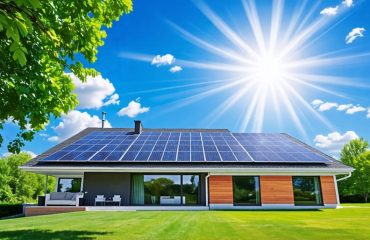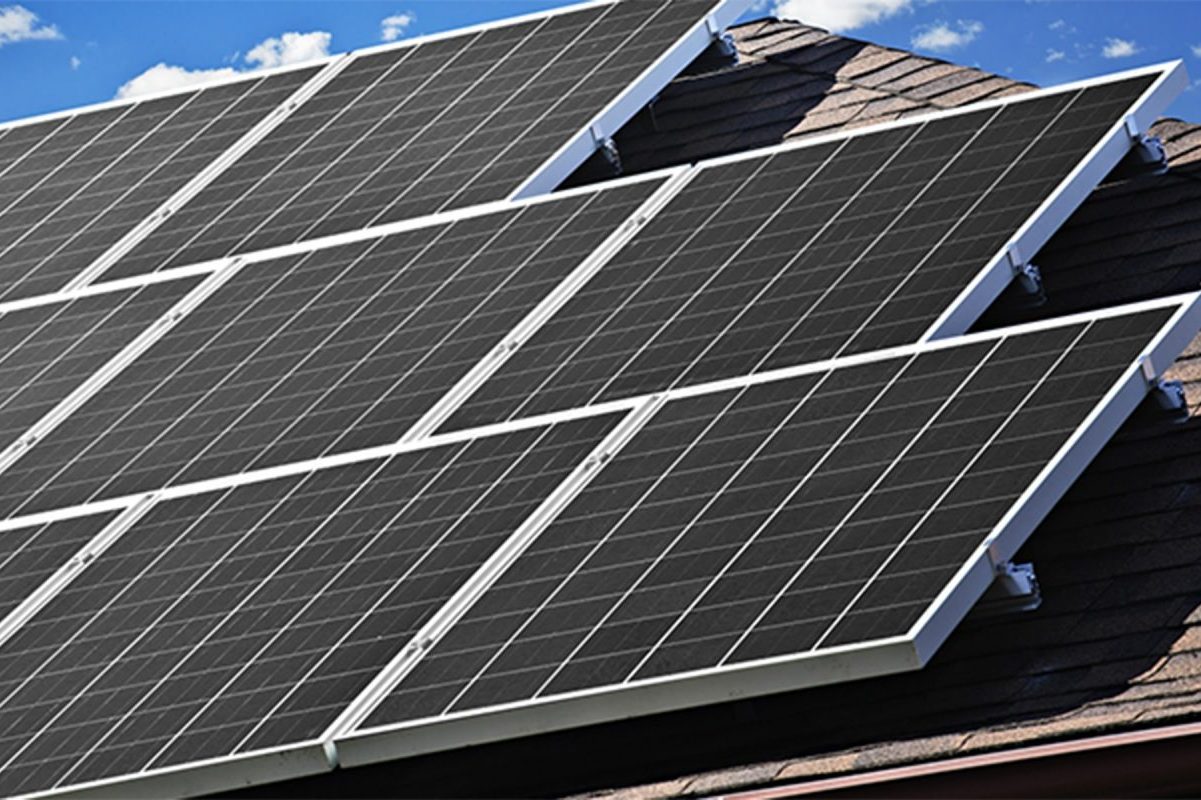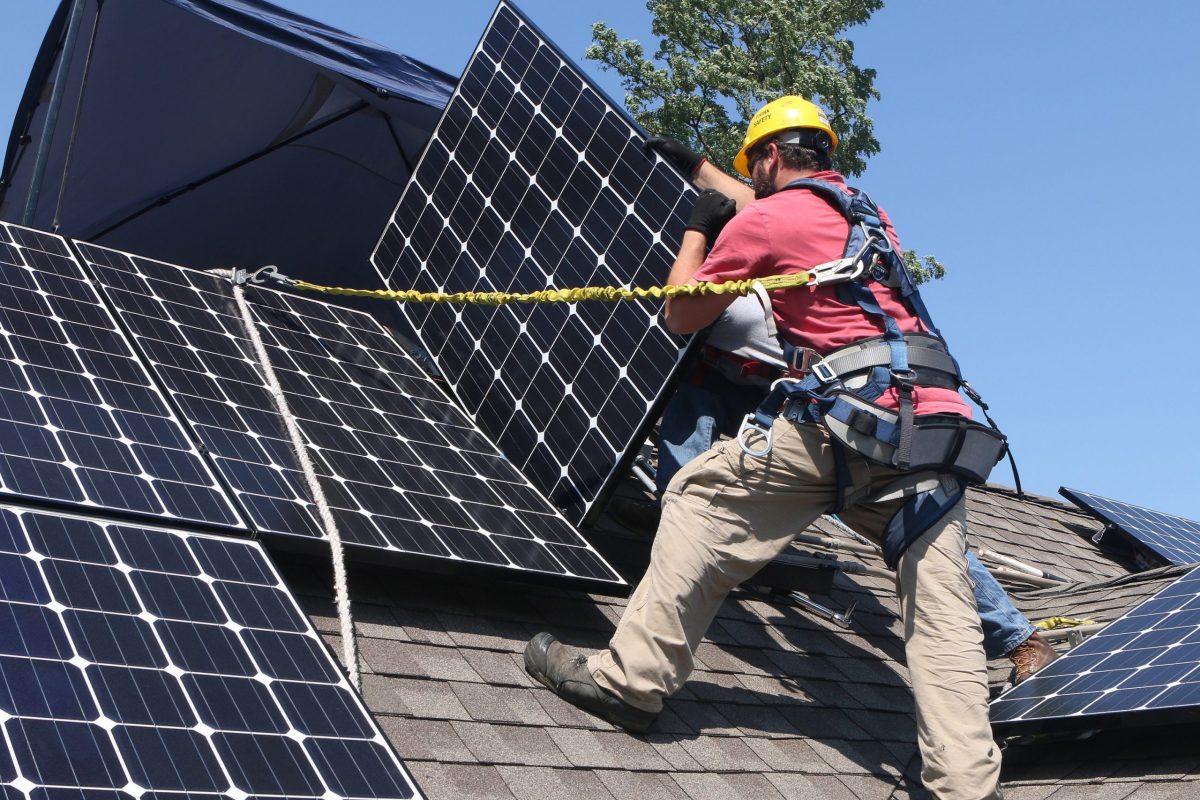
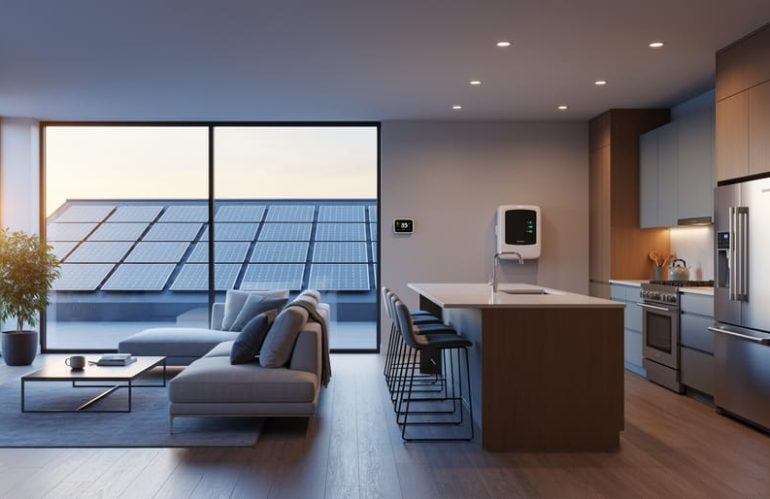
Z-Wave technology transforms your solar-powered home into an intelligent energy system that automatically adjusts based on how much electricity your panels generate. This wireless communication protocol connects your thermostats, lighting, appliances, and solar equipment into a unified network that optimizes energy consumption without requiring technical expertise or expensive rewiring.
The financial case is compelling: homeowners who pair Z-Wave automation with solar panels reduce their utility bills by an additional 15-30% compared to solar alone. Your system learns when your panels produce peak power and automatically runs energy-intensive appliances during those hours, maximizing self-consumption and minimizing grid dependency. When your battery storage reaches capacity, connected devices can activate to use excess energy that would otherwise go to waste.
Installation requires no specialized electrical work. Z-Wave devices communicate through low-energy radio waves, meaning your smart thermostat, outlets, and switches simply replace existing equipment. A central hub coordinates everything, creating routines that match your lifestyle while prioritizing solar-generated electricity. Morning coffee brews when your panels start producing power. Heating and cooling adjust based on both your comfort preferences and available solar energy. Pool pumps and water heaters operate during peak production hours.
The technology works seamlessly with existing solar installations, regardless of manufacturer, and expands incrementally as your budget allows. Start with three strategic devices and add more over time, building a customized system that turns your renewable energy investment into measurable daily savings while reducing your environmental footprint.
What Z-Wave Actually Does (In Plain English)
Think of Z-Wave as a specialized language that your smart home devices use to chat with each other. Just like you might use Spanish to communicate with Spanish speakers, your smart thermostat, door locks, and lighting systems use Z-Wave to coordinate seamlessly throughout your home.
Here’s what makes Z-Wave different from the wireless connections you already know. While your phone and laptop rely on Wi-Fi to connect to the internet, and your wireless headphones use Bluetooth for short-range connections, Z-Wave was designed specifically for one job: making home devices work together reliably. It operates on a different frequency than Wi-Fi, which means your smart home won’t slow down when everyone’s streaming movies or video chatting. No more competing for bandwidth.
The reliability factor is particularly impressive. Z-Wave creates what’s called a mesh network, where each device acts like a messenger passing along signals. If you send a command to turn off lights in your bedroom, the signal can hop through other Z-Wave devices to reach its destination. This means fewer dead zones and more consistent performance throughout your entire home, even in that corner where your Wi-Fi always seems to struggle.
For homeowners with solar panels or those considering them, Z-Wave’s energy efficiency is a game-changer. These devices sip power rather than guzzle it, using up to 10 times less energy than Wi-Fi-based alternatives. Many Z-Wave sensors and switches can run for years on small batteries, making them perfect partners for a solar-powered home where every watt counts toward your energy independence.
The bottom line? Z-Wave gives you reliable home automation that works with your sustainable lifestyle, not against it. You get the convenience of smart home control without the energy waste or connectivity headaches that plague other systems.
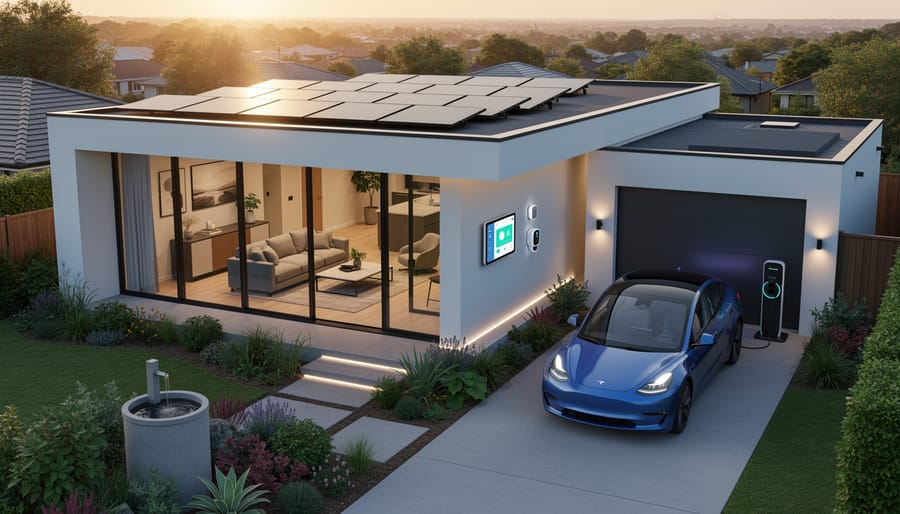
Why Solar Power and Z-Wave Are Perfect Partners
Solar panels and Z-Wave home automation create an exceptional partnership that goes beyond simple compatibility. When you combine these two technologies, you’re building a home ecosystem that’s both intelligent and remarkably efficient.
The secret lies in Z-Wave’s ultra-low power consumption. Unlike Wi-Fi devices that constantly draw significant power, Z-Wave gadgets use a mesh network that sips energy rather than gulps it. Most Z-Wave sensors and switches consume less than 1 watt of power, with many running for years on a single battery. This minimal power requirement means your solar panels can easily handle your entire smart home setup without breaking a sweat.
Think of it this way: your solar panels generate clean, free energy from the sun, and your Z-Wave devices use just a tiny fraction of that power to keep your home running smoothly. It’s a match made in sustainability heaven. You’re not just reducing your carbon footprint—you’re actively shrinking your energy bills while enjoying all the convenience of home automation.
The financial benefits compound over time. Once your solar panels are installed, the energy powering your smart home is essentially free. Unlike traditional smart home systems that add to your electricity costs, your Z-Wave devices operate on sunlight. This means every automated light switch, thermostat adjustment, and security sensor runs without touching grid power.
Even better, Z-Wave automation maximizes performance by helping you optimize when and how you use energy throughout the day. Your smart home can automatically shift energy-intensive tasks to peak sunlight hours, ensuring you get the most from every ray of sunshine hitting your roof.
Voice Control Meets Solar: How the System Actually Works
The connection between voice control and Z-Wave devices is simpler than you might think, and when paired with your solar system, it creates a truly resilient smart home setup.
Here’s how it works: Voice assistants like Alexa and Google Home don’t directly “speak” to your Z-Wave devices. Instead, they communicate through a Z-Wave hub, which acts as a translator between different technologies. Think of the hub as the central coordinator that receives commands from your voice assistant and then relays them to your smart lights, thermostats, or other devices using the Z-Wave wireless protocol.
When you say “Alexa, turn off the living room lights,” your voice command travels over Wi-Fi to Amazon’s servers, which process the request and send instructions back to your Z-Wave hub. The hub then wirelessly communicates with your Z-Wave light switch to execute the command. This entire process happens in under a second.
The real advantage in a solar-powered home comes when you add battery storage to the equation. During a grid outage, most homes lose internet connectivity, which means cloud-based voice commands won’t work. However, your Z-Wave network continues operating because the hub and devices run on your solar-powered battery backup. While you may temporarily lose voice control, you can still manage devices directly through the hub’s app on your phone, or many devices retain manual controls.
Some advanced setups even allow local voice processing without internet, keeping full functionality during outages. The key is that your smart home automation continues working independently of the grid, drawing power from your solar batteries while maintaining control over essential systems like lighting, climate control, and security features. This independence is what makes Z-Wave particularly valuable for homeowners committed to energy resilience and self-sufficiency.
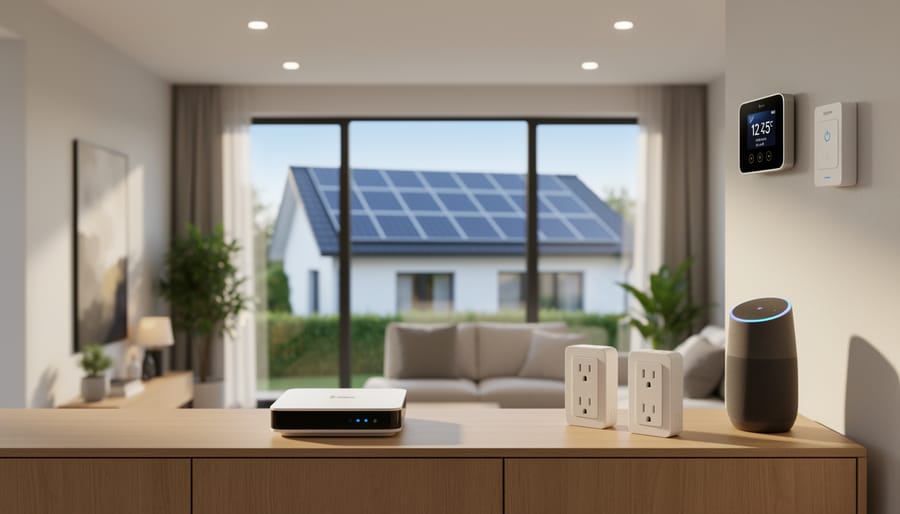
Smart Devices You Can Control With Your Voice
Lighting Control That Cuts Your Bills Further
Z-Wave lighting control transforms how you use electricity throughout your home, making every light bulb work smarter alongside your solar panels. Smart dimmers automatically adjust brightness based on natural sunlight coming through your windows, reducing unnecessary energy consumption during peak daylight hours when your panels are producing the most power. Motion sensors ensure lights only operate when rooms are actually occupied, eliminating the common waste of leaving lights on in empty spaces.
The beauty of Z-Wave lighting lies in its flexibility. You can retrofit existing fixtures with smart switches or upgrade to connected bulbs, depending on your budget and preferences. Many homeowners find voice-controlled lighting systems particularly convenient for managing multiple zones throughout their homes. These systems work seamlessly with solar installations, allowing you to schedule lights to draw power when your battery storage is full rather than during expensive utility peak hours.
The financial impact adds up quickly. Most households reduce lighting energy use by 40-60% after installing smart controls, which translates to meaningful monthly savings that compound over years of use.
Thermostats That Learn Your Schedule
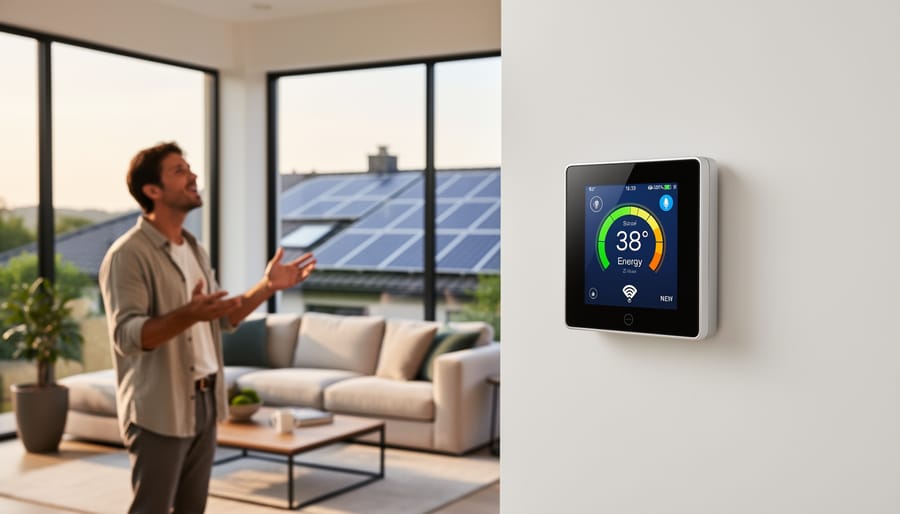
Z-Wave smart thermostats take climate control to the next level by learning when you’re home and adjusting temperatures automatically. Instead of heating or cooling an empty house, these devices adapt to your daily routine, ensuring comfort when you need it while conserving energy when you don’t.
The real magic happens when paired with solar panels. Your thermostat can prioritize cooling or heating during peak solar production hours, using free energy from your roof instead of expensive grid power. Many homeowners see 20-25% reductions in heating and cooling costs within the first year.
Voice control through Alexa or Google Assistant means adjusting your home’s temperature is as simple as speaking. Running late? Tell your thermostat to delay heating. Sunny afternoon? Precool your home using solar power before evening rates kick in.
These smart devices also provide detailed energy reports, helping you understand exactly where your money goes each month and identify additional savings opportunities without complicated spreadsheets or guesswork.
Security Devices That Run on Sunshine
Your solar panels can do more than power your lights and appliances—they’re the perfect match for Z-Wave security devices that keep your home safe around the clock. Think smart door locks that you can control from your phone, outdoor cameras monitoring your property, and motion sensors that alert you to activity, all running on the clean energy your roof generates.
These solar-powered security devices connect seamlessly through Z-Wave hubs, letting you control everything with simple voice commands or smartphone taps. Lock your doors from the office, check who’s at your front door while you’re grocery shopping, or receive instant alerts if someone approaches your home—all without adding a penny to your electric bill.
The beauty of pairing security technology with solar is twofold: you’re protecting your home while your security system essentially pays for itself through energy savings. Since these devices communicate wirelessly through Z-Wave, installation is straightforward without complex wiring. Your solar investment becomes even smarter when it powers the very systems protecting it.
Energy Monitors That Show You Real Savings
Z-Wave energy monitors plug directly into your outlets or integrate with your electrical panel to show exactly how much power each appliance uses throughout the day. Think of them as fitness trackers for your home’s energy consumption. These smart devices reveal surprising truths, like that old refrigerator costing you $15 monthly or your gaming console drawing power even when off. When paired with solar panels, you’ll see in real-time which devices run best during peak sunlight hours, helping you shift energy-hungry tasks like laundry or dishwashing to maximize your solar investment. Many homeowners discover they’re wasting 10-20% of their electricity on phantom loads from devices in standby mode. The monitors send alerts to your smartphone when usage spikes, and you can remotely shut off power-hungry devices with a tap. This visibility typically leads to immediate behavior changes that reduce bills by $200-400 annually, making the modest equipment cost pay for itself within the first year.
The Real-World Benefits for Your Wallet and Lifestyle
When you connect Z-Wave automation to your home, the benefits show up in ways you’ll notice every single day—starting with your monthly bills.
Let’s talk real numbers. Homeowners who automate their lighting and climate control typically see electricity bills drop by 15-30%. That’s because your system learns your habits and eliminates waste automatically. Lights turn off when rooms are empty. Your thermostat adjusts when you leave for work. Your water heater runs during off-peak hours when electricity costs less. These small adjustments add up to hundreds of dollars saved annually, and when paired with solar panels, you’re maximizing every watt you generate.
Beyond savings, Z-Wave automation actually increases your property value. Real estate studies consistently show that homes with smart automation systems sell faster and command higher prices—often 3-5% above comparable properties. Buyers appreciate walking into a home that’s already efficient and modern.
For family members with mobility challenges, the convenience factor becomes genuinely life-changing. Imagine your elderly parent controlling lights, locks, and thermostats from their smartphone or through voice commands, without navigating stairs or struggling with hard-to-reach switches. It’s independence and dignity wrapped into everyday technology.
Security improvements give you tangible peace of mind. When your door locks connect to motion sensors and cameras, you’re not just protecting your home—you’re protecting your solar investment too. You’ll receive instant alerts if someone approaches your panels or electrical equipment, and you can monitor everything from anywhere.
Perhaps most rewarding is the daily satisfaction of living sustainably. Watching your real-time energy dashboard shows exactly how your automated systems reduce waste and complement your solar production. You’re not just saving money—you’re actively reducing your environmental footprint with every automated adjustment. That combination of financial benefit and environmental responsibility feels good in a way that’s hard to quantify but impossible to ignore once you experience it.
Busting Common Myths About Smart Home Automation
Let’s clear up some common misunderstandings about Z-Wave home automation that might be holding you back from enjoying a smarter, more energy-efficient home.
Many people assume smart home technology is too complicated to set up, but that’s simply not true anymore. Modern Z-Wave systems are designed with everyday homeowners in mind. Most devices connect with a simple tap in an app, and many come with step-by-step guides that walk you through everything. You don’t need to be tech-savvy or hire an expensive professional to get started. Think of it like setting up a new smartphone—if you can do that, you can handle Z-Wave.
Another myth is that automation systems break the bank. While premium options exist, Z-Wave technology has become surprisingly affordable. You can start small with just a few devices like smart plugs or light switches, then expand over time as your budget allows. Plus, when you factor in the energy savings these devices deliver—especially when paired with solar panels—they often pay for themselves within a few years.
Some homeowners worry that solar power can’t handle running multiple smart devices. Here’s the reality: Z-Wave devices use minimal energy, often less than a traditional nightlight. Your solar system can easily power dozens of these efficient devices while still meeting your household’s regular energy needs.
Finally, voice control isn’t just a flashy gimmick—it’s genuinely useful. Imagine adjusting your thermostat, checking your solar production, or turning off forgotten lights without getting up. It’s about convenience and energy efficiency working together to make your life easier while reducing waste.
Getting Started: Your Simple Path to Voice-Controlled Solar Living
Ready to bring your solar home into the voice-controlled future? The good news is that getting started is simpler than you might think, and you can do it at your own pace.
First, take stock of what you already have. If you’re new to solar energy, check out our beginner’s guide to solar to understand your system’s capacity. Most modern solar setups work beautifully with Z-Wave automation without any special modifications.
Next, choose a Z-Wave hub that fits your needs. Think of this as your home’s command center. Popular options like Samsung SmartThings or Hubitat cost between $100-$200 and work with hundreds of devices. The setup takes about 15 minutes and doesn’t require an electrician.
Here’s the secret to success: start small. Pick one or two devices that will make the biggest impact on your daily life. A smart thermostat is often the best first choice because it delivers immediate energy savings while you learn the system. Add a few smart plugs to control lamps or fans, and you’re already experiencing voice-controlled convenience.
Once you’re comfortable, expand gradually. Add motion sensors to automate lighting. Include smart switches for your pool pump or garage. Each addition takes just minutes to set up and immediately starts communicating with your existing devices.
The beauty of Z-Wave is that there’s no pressure to do everything at once. Spread your purchases across several months to match your budget. Many homeowners start with a $300 investment and add devices as they discover new opportunities for savings and convenience. Before you know it, you’ve created a fully integrated, voice-controlled solar home without breaking the bank.
Your solar panels shouldn’t just generate energy—they should work seamlessly with your entire home. Z-Wave home automation makes this vision a reality, transforming your solar installation from a standalone system into an intelligent, voice-controlled ecosystem that responds to your needs and maximizes your investment.
The beauty of this technology lies in its accessibility. You don’t need to be a tech expert or spend a fortune to experience the benefits. Start small with a few smart plugs or a single thermostat, then expand as you discover what works best for your lifestyle. Each addition builds on the previous one, creating a home that’s increasingly efficient, comfortable, and responsive to both your preferences and your solar production.
The financial benefits are compelling: lower energy bills, reduced waste, and a quicker return on your solar investment. But the real transformation goes deeper. You’re gaining peace of mind knowing your home is optimizing itself, the convenience of controlling everything from your phone, and the satisfaction of living more sustainably without sacrificing comfort.
The future of green technology isn’t complicated or expensive—it’s already here, and it’s more approachable than you might think. Your journey toward a smarter, more sustainable home starts with a single decision. Whether it’s scheduling a consultation, researching your first smart device, or simply learning more, take that first step today. Your greener, more efficient home is waiting.