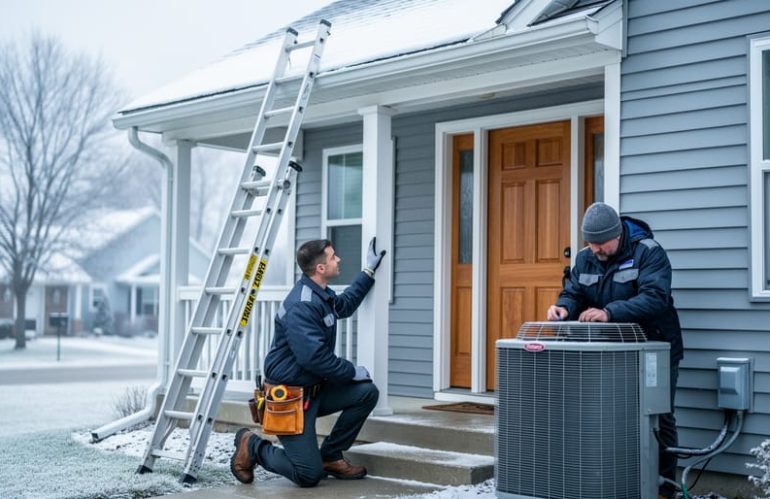
Start booking your winter maintenance between late August and early October for best availability and the most competitive pricing. Contractors fill their schedules quickly as homeowners race to prepare before the first freeze, so waiting until November often means limited options, rushed work, or premium rates for emergency service.
Your climate zone matters more than the calendar date. If you live where winter arrives in early November, August bookings give you breathing room. In milder regions where hard freezes don’t hit until late December, you can safely push scheduling into mid-October without the stress.
The key factor that changes your booking timeline is contractor availability in your area. HVAC technicians, gutter cleaners, and chimney sweeps book solid weeks before their busy season, especially in regions with harsh winters. Once temperatures drop consistently below freezing, outdoor work becomes difficult or impossible, leaving unprepared homes vulnerable to costly damage.
Getting ahead of winter protects more than your comfort. Proper maintenance prevents emergency repairs that drain your savings and helps your home run more efficiently when heating costs spike. For homes with solar panels, pre-winter inspections ensure your system performs optimally during shorter days when every kilowatt-hour counts.
This guide breaks down exactly which tasks to book first, realistic windows for scheduling each service, and how to prioritize when you can’t tackle everything at once. You’ll learn which jobs require professional expertise and which you can handle yourself, plus smart strategies to manage costs without cutting corners on essential protection.
Quick Answer: Best Timeline for Pre-Winter Home Maintenance
Start booking your essential winter maintenance in early September and complete all work by mid-November, ideally before the first hard freeze in your area. This 8-10 week window gives you the best contractor availability and ensures critical systems are protected before severe weather arrives.
Key Takeaway: Book maintenance appointments 6-8 weeks in advance during the September-November window. Early scheduling secures better rates and preferred time slots before contractors fill their calendars with emergency calls.
The timeline isn’t arbitrary. Contractors face increasing demand as temperatures drop, and scheduling delays can push your appointments into December when weather may prevent outdoor work entirely. September bookings typically offer more flexibility for both routine maintenance and any unexpected repairs discovered during inspections. You’ll also avoid the rush that hits in late October when homeowners scramble to prepare for winter.
For homes with solar panels, early autumn scheduling is particularly valuable. Panel cleaning and system checks yield better results in moderate temperatures, and technicians can safely access rooftop equipment without ice or snow concerns. If you want to learn more about specific maintenance services and timing considerations for your home systems, early consultation helps you prioritize tasks based on contractor availability and your property’s unique needs. HVAC tune-ups similarly benefit from pre-heating-season scheduling, when technicians have time for thorough inspections rather than emergency furnace repairs.
Don’t wait for the first cold snap to trigger action. Once freezing weather arrives, some critical maintenance becomes impossible until spring.
Essential Maintenance Jobs to Book Before Cold Weather Hits
Solar Panel System Inspection and Cleaning
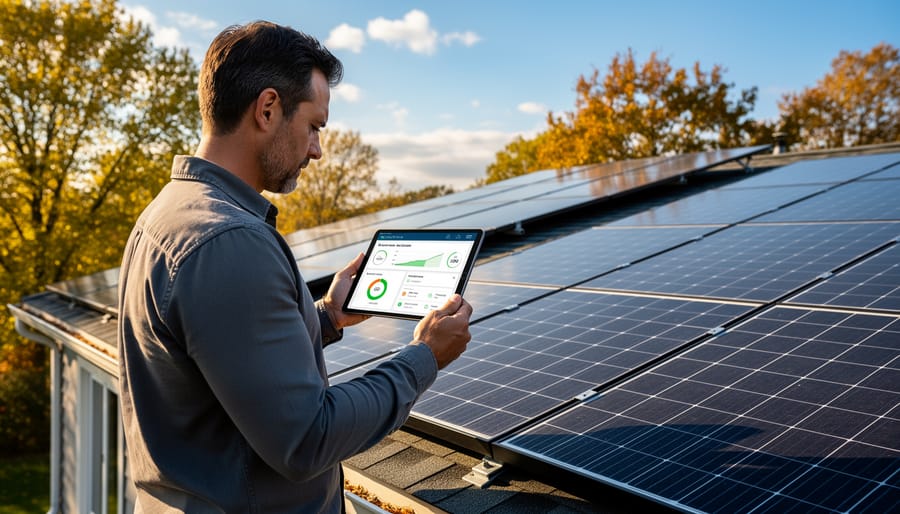
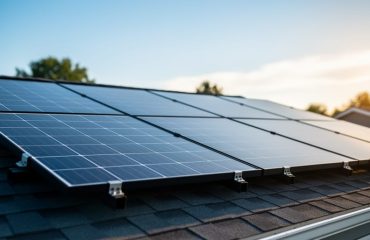
Winter’s shorter days mean every ray of sunlight matters for your solar energy production. Scheduling a professional inspection in September or early October ensures your panels operate at peak efficiency when daylight is scarce and heating demands spike.
Debris accumulation over summer, from pollen, dust, bird droppings, and fallen leaves, can reduce panel output by 15-25%. Booking a service to clean solar panels before winter restores maximum light absorption, directly improving your energy harvest during the coldest months when you need it most.
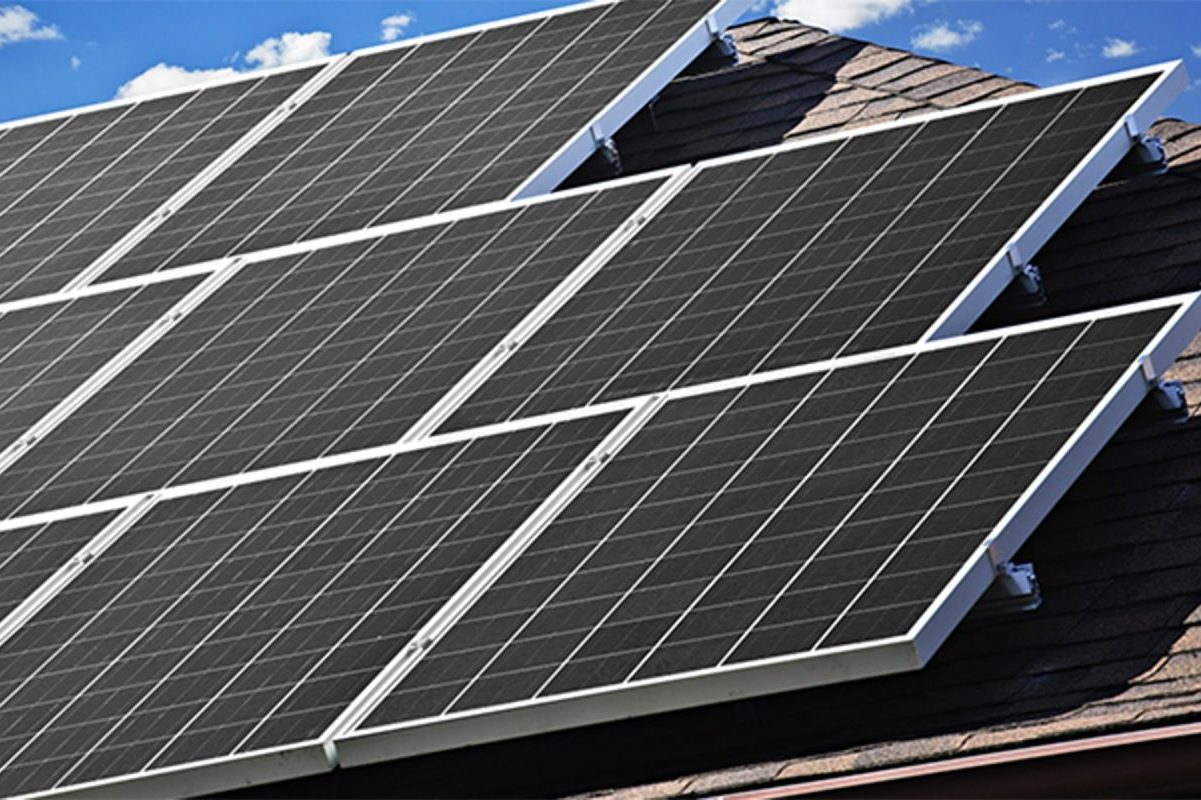
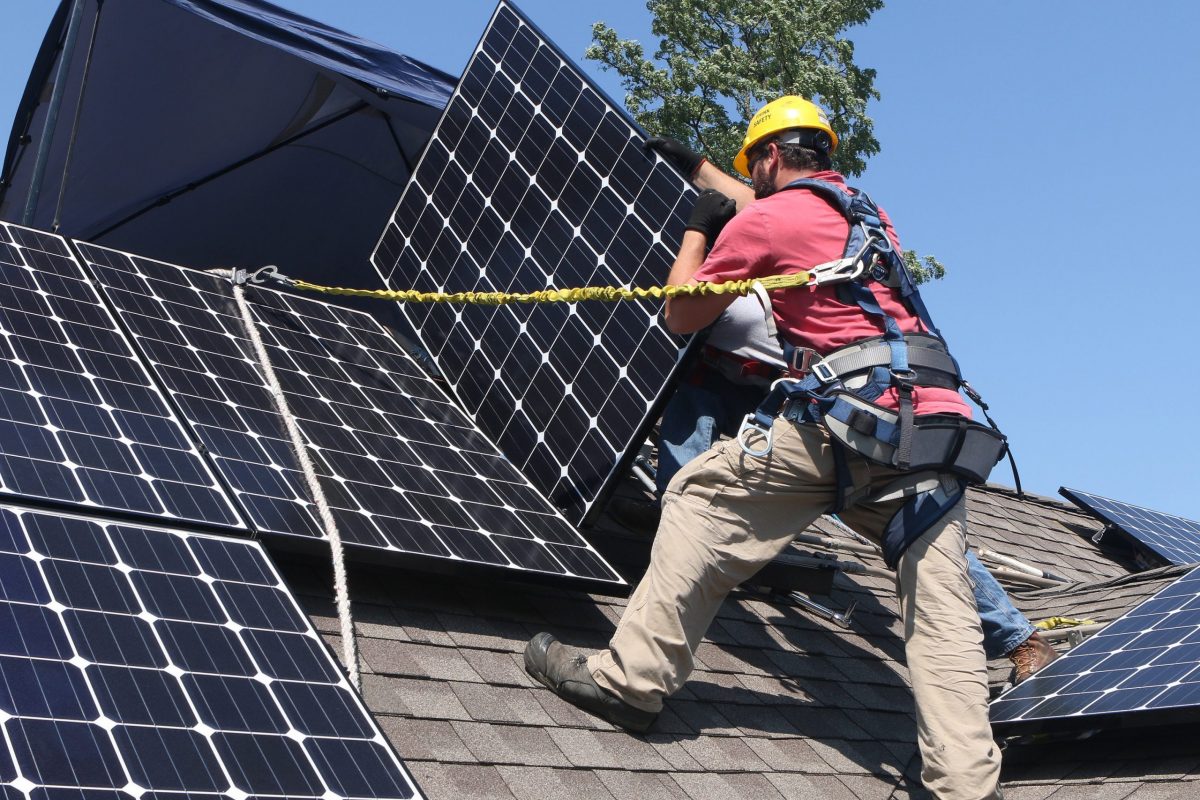
A thorough pre-winter inspection covers more than surface cleaning. Technicians check electrical connections for corrosion, test inverter performance, examine mounting hardware for stability, and clear gutters near panel edges to prevent ice dam formation. They’ll also trim overhanging branches that could drop snow or ice onto your array, potentially causing damage or shading issues.
Addressing these issues before the first snowfall prevents mid-winter emergency repairs when weather conditions make rooftop work dangerous and contractors are booked solid. Clean, properly maintained panels shed snow faster too, getting back to energy production sooner after storms. This proactive maintenance protects your investment and keeps your energy bills predictable through winter’s peak usage season.
HVAC System Tune-Up and Filter Replacement
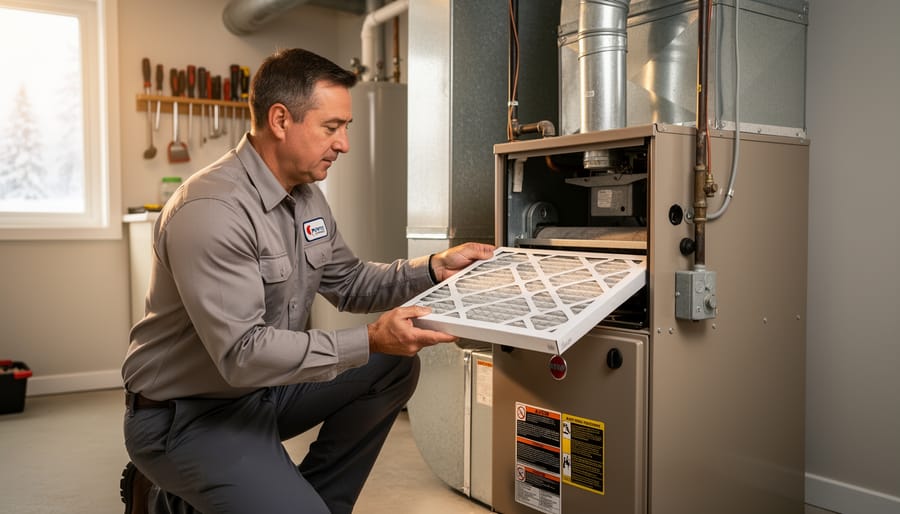
Your heating system works hardest during winter months, making pre-season maintenance essential for efficiency and reliability. For homes with solar panels, a well-tuned HVAC system maximizes your renewable energy investment by minimizing grid dependence when heating demands peak.
Schedule a professional tune-up in early October, before the heating rush begins. A thorough inspection covers furnace burners, heat exchangers, and safety controls. Technicians check ductwork for leaks that waste heated air, particularly important since every degree of efficiency matters when you’re offsetting costs with solar production. They’ll also test carbon monoxide levels and ensure proper ventilation.
Replace filters every 1-3 months during heating season. Clogged filters force your system to work harder, draining more power and shortening equipment life. This simple task dramatically improves airflow and indoor air quality.
Thermostat calibration ensures accurate temperature readings and prevents your heating system from cycling inefficiently. For solar-equipped homes, programmable or smart thermostats optimize when you draw power, letting you heat primarily during peak solar production hours when possible.
Expect tune-ups to cost $80-150, but the efficiency gains typically reduce winter heating bills by 10-15%. That’s money back in your pocket rather than wasted through an underperforming system.
Roof and Gutter Inspection
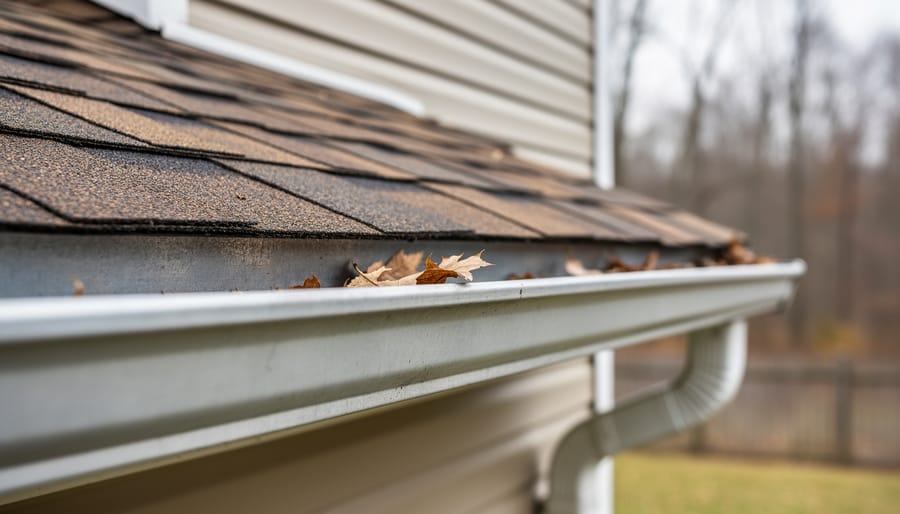
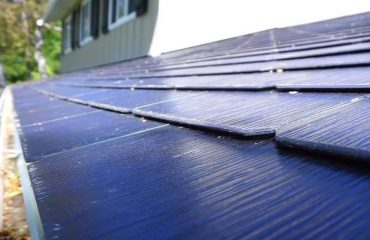
Your roof works overtime in winter, ice, snow, and freeze-thaw cycles can exploit even minor damage. Schedule a professional inspection in September or early October, before leaves start clogging gutters and temperatures drop.
A thorough roof check should identify loose or damaged shingles, compromised flashing around chimneys and vents, and any areas where water might penetrate. For homes with rooftop solar panels, inspectors need clear access to examine mounting points and ensure hardware remains secure. Snow accumulation puts extra stress on both your roof structure and panel mounts, so addressing weak spots now prevents expensive repairs later.
Gutter cleaning matters just as much. Clogged gutters overflow during winter rains and melts, sending water under shingles or into walls. Worse, standing water can freeze, creating ice dams that force melting snow back under your roofing material. Clean gutters channel water away from your foundation and prevent moisture damage that compromises insulation and drives up heating costs.
If your solar panels share the roof, tell your contractor upfront. They’ll coordinate access carefully to avoid damaging equipment or voiding warranties. Most solar installers can recommend roofing companies familiar with panel systems.
Window and Door Weatherproofing
Drafty windows and doors force your heating system to work overtime, directly undermining the energy savings your solar panels generate. Small gaps around frames can account for 10-25% of heat loss in a typical home, meaning you’re essentially heating the outdoors while your solar investment covers the extra electricity demand.
A weatherproofing inspection identifies failed caulking around window frames, worn weatherstripping on doors, and gaps where cold air infiltrates. Technicians apply fresh caulk to exterior seams, replace deteriorated door sweeps, and add foam insulation to outlets on exterior walls. For older windows, they may recommend interior storm panels or thermal curtains as stopgap solutions.
Schedule this work for late September through October, when temperatures are mild enough for caulk to cure properly but before heating season begins. The combination of tighter seals and solar-generated electricity creates measurable reductions in winter energy costs, typically 15-20% compared to homes with aging weatherproofing.
Backup Power System Testing
Winter storms bring power outages when you need electricity most. If your home relies on battery storage or a generator, testing before temperatures drop ensures these systems won’t fail when darkness and cold hit.
Schedule a professional load test for your battery backup system by mid-October. The technician should verify charge capacity, check connection integrity, and confirm your battery monitoring software displays accurate data. Batteries lose efficiency in cold weather, so knowing your actual capacity prevents unpleasant surprises during a blackout.
For homes with generator backup run the unit under load for 30 minutes during testing. This reveals potential fuel delivery issues, confirms automatic transfer switches engage properly, and identifies any mechanical problems before an emergency. Check fuel freshness, gasoline degrades in three months, diesel in six, and top off tanks so you’re ready when the grid goes down.
Exterior Electrical and Wiring Checks
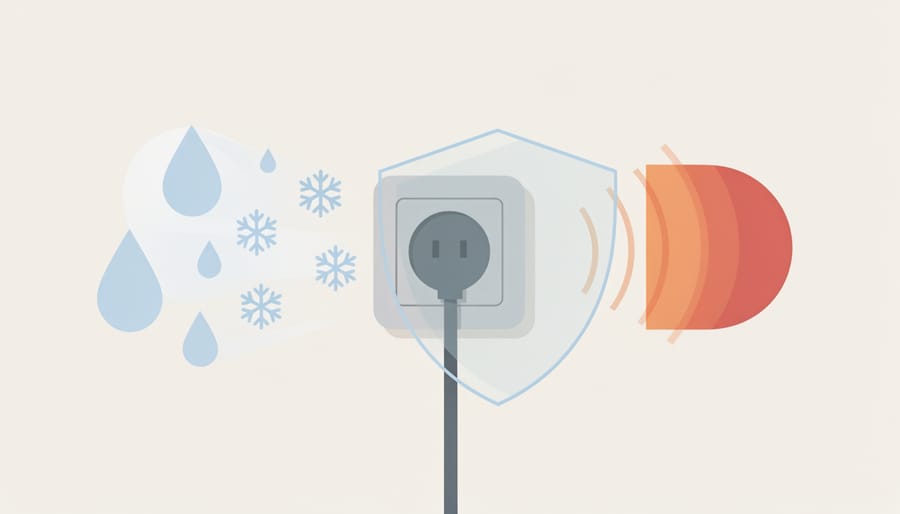
Outdoor electrical components face harsh conditions as temperatures drop and moisture levels rise. Winter weather exposes wiring to rain, sleet, and snow that can infiltrate damaged insulation or loose connections, creating fire hazards or equipment failure.
Schedule an electrician to inspect all exterior outlets, checking GFCI protection and ensuring weatherproof covers seal properly. For homes with solar panels, this inspection becomes even more critical. Ask your technician to examine conduit connections where wiring enters your home, verify mounting hardware hasn’t loosened, and check junction boxes for signs of corrosion or pest damage.
Look for frayed wires near roof penetrations, damaged cable sheathing, or exposed connections in your solar system’s DC and AC wiring. These vulnerabilities worsen rapidly once winter moisture cycles begin. Addressing them now prevents mid-winter electrical failures when service calls cost more and repairs take longer to schedule.
When to Book Each Service: Timing Windows That Work
Understanding when to schedule each maintenance task can mean the difference between securing your preferred contractor and scrambling for last-minute service. The optimal booking windows vary significantly based on weather requirements, contractor demand, and the complexity of the work involved.
- Early Fall Window (August, September)
- The prime booking period for weather-dependent outdoor work and high-demand services. Schedule solar panel inspections, roof work, gutter cleaning, and exterior electrical checks during these months when contractors have better availability and weather conditions remain ideal for outdoor projects.
- Mid-Fall Window (October, Early November)
- The standard timeframe for most indoor systems and final outdoor tasks. Book HVAC tune-ups, backup power testing, and weatherproofing projects during this window, which balances contractor availability with pre-winter urgency while still allowing time to address any issues discovered.
- Last-Call Window (Late November)
- The final opportunity for essential indoor maintenance before winter sets in. Reserve this window only for urgent heating system repairs, thermostat calibration, and battery storage checks that don’t require extensive outdoor work or long lead times.
Solar panel maintenance deserves early priority because it combines weather sensitivity with technical complexity. Inspections work best in dry conditions when technicians can safely access your roof and accurately assess panel condition. Booking in August or early September also ensures you’ll maximize energy production throughout the shorter winter days ahead.
Roofing and gutter work follows a similar early timeline. Contractors face peak demand in September as homeowners prepare for winter, and projects can’t proceed during rain or freezing temperatures. Scheduling these tasks by mid-September gives you buffer time if repairs are needed.
HVAC services see their heaviest demand in October when homeowners remember to schedule heating system checks. Booking your tune-up for late September or early October beats the rush and ensures your system is ready before the first cold snap. The work itself takes just a few hours, but availability shrinks fast.
Window weatherproofing and door sealing projects offer more flexibility since they’re indoor-focused and less weather-dependent. You can safely book these through early November without risking contractor availability, though earlier is always better for peace of mind.
Backup power testing should happen in October after summer storm season but before winter outages become likely. This timing lets you address battery issues or generator repairs while parts remain readily available.
What Can Shift Your Maintenance Timeline
Your ideal September-to-November booking window isn’t set in stone. Several factors can push your timeline earlier or later, and understanding them helps you plan more effectively for your specific situation.
Your Local Climate Pattern
The most important variable is when winter actually arrives where you live. A homeowner in Maine faces a very different timeline than someone in Georgia. Check your area’s average first-freeze date, that’s your hard deadline for completing outdoor work. If you live in a region where temperatures drop sharply in late October, you’ll need to book by mid-August to ensure completion before the freeze. Conversely, mild climates might allow you to stretch into early December for certain tasks.
Key factors that affect your timeline:
- Local first-freeze dates and when snow typically begins in your area
- Solar panel age and condition, older systems may need earlier inspection
- Previous winter damage that requires repairs before adding more stress
- HOA requirements or approval processes that add weeks to your schedule
- Contractor availability in your region, which varies significantly by market
- Budget considerations that might require spacing out appointments
System Age and Existing Conditions
A ten-year-old solar installation needs more lead time than a two-year-old system. Older panels may reveal issues during inspection that require additional work or part orders, pushing your entire schedule forward by weeks. The same applies to aging HVAC systems or roofs nearing replacement, inspect earlier to account for potential complications.
Contractor Demand in Your Market
Some regions experience fierce competition for qualified contractors during pre-winter months. Coastal areas prone to hurricanes, for instance, see maintenance professionals booked solid through fall. Call a few local contractors in July to gauge typical wait times in your area, then work backward from your deadline. In high-demand markets, booking three to four months ahead isn’t excessive, it’s necessary.
Post-Booking: What to Expect and How to Prepare
Once you’ve scheduled your maintenance appointments, the real preparation begins. Most contractors will send confirmation emails within 24 hours with specific arrival windows and any special instructions. Read these carefully and add the appointments to your calendar with reminders.
Here’s how to prepare for smooth, productive service visits:
- Confirm all appointment details 48 hours in advance, including the specific work scope, expected duration, and any materials the contractor is bringing versus what you need to provide.
- Clear easy access to work areas by moving furniture away from heating vents, removing items stored near your electrical panel, and ensuring roof access points are unobstructed if you have solar panels.
- Document your current system performance by taking photos of thermostat readings, noting any unusual sounds from your HVAC system, and checking your solar monitoring app for recent production numbers.
- Review contractor credentials when technicians arrive by asking to see licenses and insurance certificates, which reputable professionals expect and readily provide.
- Request detailed completion reports after each service that include work performed, parts replaced, system test results, and any recommended follow-up actions.
Keep pets secured in another room during service visits, particularly for extended projects like HVAC work or solar inspections. Have your homeowner’s manual and warranty documents readily available in case technicians need to reference specifications. Take your own before-and-after photos of completed work, especially for roof repairs or gutter cleaning where results aren’t always visible from ground level.
Most quality contractors will walk you through their findings and explain any concerns they discovered. Don’t hesitate to ask questions about system performance, expected lifespan of components, or maintenance you can handle yourself between professional visits.
Aftercare: Monitoring Systems Through Winter
Once your pre-winter maintenance is complete, your work isn’t entirely done. Regular monitoring through the cold months helps you catch small issues before they become expensive emergencies and ensures all your systems are performing as expected.
Check your solar production data weekly during winter. Most monitoring apps show daily and monthly energy generation, and you’ll want to compare these numbers against previous winters or your system’s expected output. A sudden drop of more than 20-30% could signal snow accumulation on panels, wiring issues from temperature fluctuations, or inverter problems that need professional attention.
Your heating system deserves monthly attention too. Change or check air filters every 30 days during heavy use, listen for unusual noises like grinding or banging, and note any cold spots in your home that might indicate ductwork problems. If your system runs constantly without reaching the set temperature, call for service rather than cranking up the thermostat and wasting energy.
After major winter storms, do a quick visual inspection of your roof, gutters, and any exposed solar equipment. Look for ice dams forming along roof edges, damaged flashing, or debris that landed on your panels. Clear light snow accumulation from panels if you can do so safely from the ground using a soft-bristled roof rake, but never climb onto an icy roof yourself.
What Changes the Timing
While September through early November works for most homeowners, your specific booking window depends on several variables. Understanding these factors helps you create a timeline that matches your actual needs rather than relying on generic advice.
Your Local Climate Pattern
Regional weather dictates everything. Homeowners in Minnesota or Maine should book by late August, since hard freezes often arrive by mid-October. Southern states like Georgia or Texas can safely push maintenance into early December. Coastal areas face hurricane season considerations that may delay or accelerate certain tasks. Check your area’s average first-freeze date and work backward from there.
Current System Age and Condition
Older HVAC systems, roofs over 15 years old, or solar panels approaching their warranty end need earlier attention. These systems require more thorough inspections and may reveal issues requiring follow-up work. If your equipment is aging, schedule at least two months ahead. Newer installations can typically handle tighter timelines. Regular solar maintenance tips include monitoring performance drops that signal early servicing needs.
Local Contractor Availability
Markets with high solar adoption or dense suburban areas face fiercer competition for qualified technicians. Urban homeowners often need to book three months ahead, while rural areas may offer more flexibility. Previous maintenance issues also matter, if inspections typically uncover problems requiring repairs, build in extra lead time.
Common Questions About Pre-Winter Home Maintenance
Can I do any of this maintenance myself?
While tasks like cleaning gutters, replacing HVAC filters, and applying weatherstripping are manageable DIY projects, solar panel inspections, electrical work, and heating system tune-ups require professional expertise. Attempting complex repairs yourself can void solar warranties and create safety hazards.
What if I miss the ideal September-November booking window?
You can still schedule maintenance, but expect longer wait times, higher emergency rates, and potential complications from freezing conditions. Even late maintenance beats no maintenance, though you may need to prioritize the most critical systems first if contractor availability is limited.
Do solar panels actually need special winter preparation?
Yes. Pre-winter cleaning maximizes light absorption during shorter days, connection checks prevent moisture-related failures, and debris removal stops snow from accumulating unevenly. Most solar-related winter problems stem from neglected fall maintenance.
What should I budget for complete pre-winter maintenance?
Expect $800-2,500 total depending on your home’s size and systems. HVAC tune-ups typically run $150-300, solar inspections $200-400, roof checks $200-500, and weatherproofing materials $100-300. Homes with battery backup or complex solar setups will be at the higher end.
If I can only afford one service right now, what’s most urgent?
Prioritize your heating system inspection. A furnace failure in January creates immediate danger and expense. If you have solar panels, make that your second priority since winter production drops significantly with dirty or damaged arrays, directly affecting your energy bills all season.
These questions reflect the real concerns homeowners face when planning winter prep. The timing anxiety is particularly common because people know they should act but aren’t sure if they’ve already waited too long. The budget question matters because these costs hit all at once rather than spreading throughout the year, making the expense feel more significant even though it’s protecting much larger investments in your home and energy systems.
Taking action now means you’ll enjoy a warmer, more efficient home when temperatures drop. The maintenance tasks we’ve covered aren’t just boxes to check, they’re investments that protect your property, reduce energy costs, and prevent expensive emergency repairs during the coldest months.
Booking your pre-winter services in the next few weeks gives you the best selection of qualified contractors and ensures completion before the first freeze. Homeowners who schedule early avoid the November rush and can address any unexpected issues technicians discover without time pressure.
For those with solar panels, proactive maintenance becomes even more valuable. Clean panels and properly functioning systems capture maximum energy during winter’s shorter days, helping offset heating costs when you need savings most. You’ve already invested in sustainable energy, winter prep protects that investment.
The coming months should bring peace of mind, not plumbing disasters or heating failures at midnight. A few hours of scheduling now means you’ll spend winter enjoying your home instead of scrambling for emergency service. Your future self will thank you when you’re comfortable indoors while neighbors deal with frozen pipes or system breakdowns.