
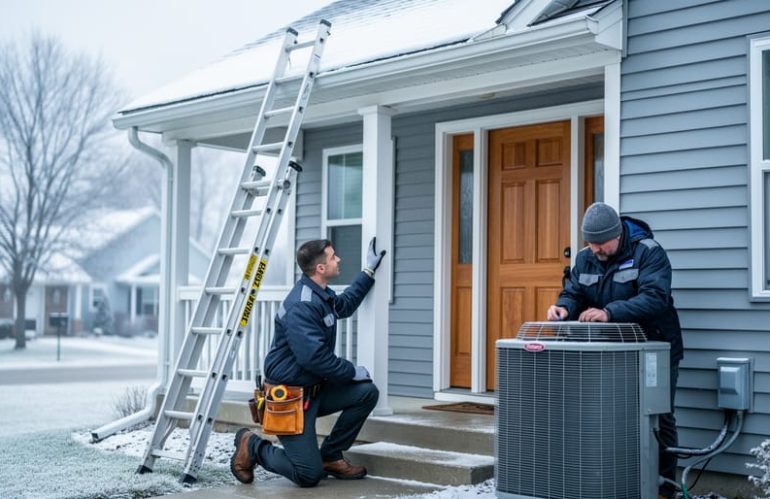
Start booking your winter maintenance between late August and early October for best availability and the most competitive pricing. Contractors fill their schedules quickly as homeowners race to prepare before the first freeze, so waiting until November often means limited options, rushed work, or premium rates for emergency service.
Your climate zone matters more than the calendar date. If you live where winter arrives in early November, August bookings give you breathing room. In milder regions where hard freezes don’t hit until late December, you can safely push scheduling into mid-October without the stress.
The key…
Category: Roofing and Structural Readiness
All resources for preparing your home’s roof and structure for solar—covering roof condition assessments, mounting methods, waterproofing, wind/snow load engineering, reroof timing, and code-driven structural requirements. Helps homeowners and designers ensure safe, durable installations before project kickoff.
Inside Your Solar Combiner Box: What DIN Rail Terminal Blocks Do
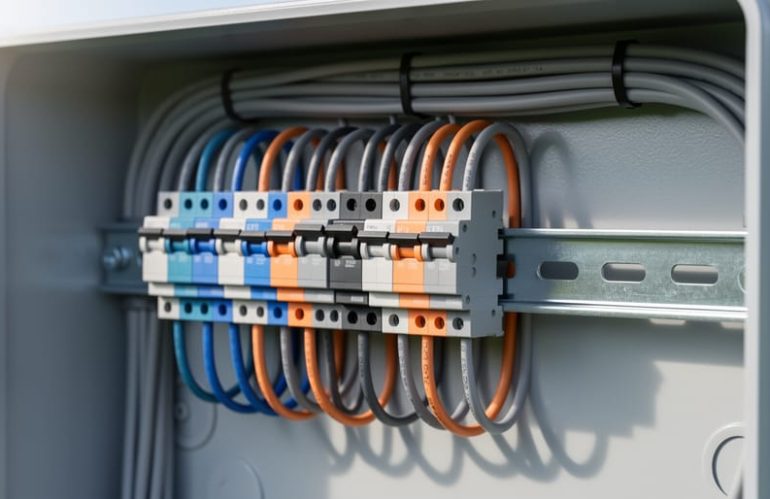
If you have ever seen an installer open the grey box beside your inverter, you have probably noticed rows of small, colour-coded blocks clipped onto a metal strip. Those are DIN rail terminal blocks, and they do a quiet but important job. They hold every conductor in a combiner box or backup panel in a fixed, labelled and serviceable position, so your solar and battery system stays safe and easy to inspect.
You do not need to wire anything yourself to benefit from understanding them. Knowing which types sit inside your system and what a good inspection looks for makes it easier to ask sensible questions and spot a messy job.
…
How to Choose Standing Seam Roof Clamps for Solar: A Buying Guide
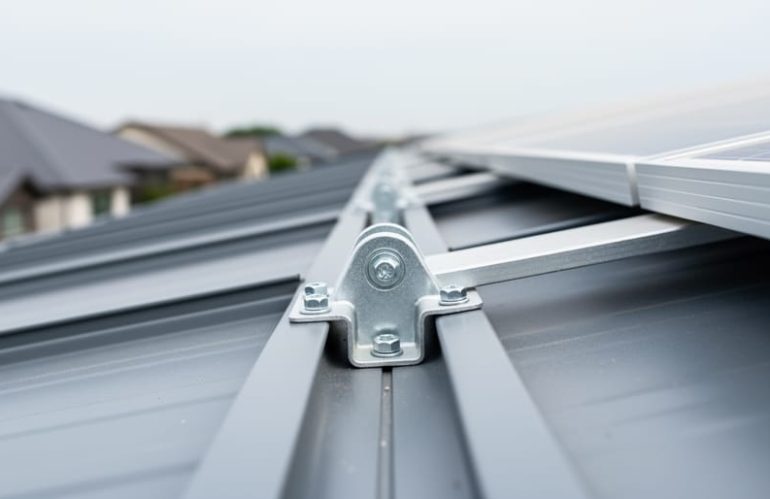
Standing seam roof clamps let you mount solar panels to your metal roof without drilling holes or voiding warranties.