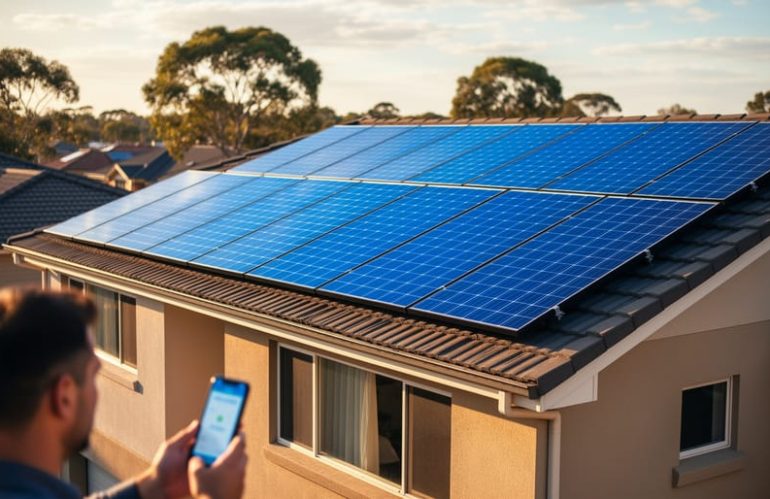
Your solar panels are working right now, silently converting sunlight into electricity—but how do you know if they’re performing as well as they should be? Most homeowners can’t tell when their system is underperforming by 15% or 20%, which could mean losing hundreds of dollars annually without realizing it.
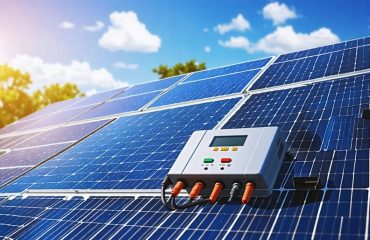
Anomaly-based detection acts as a vigilant guardian for your solar investment, automatically identifying when something isn’t quite right with your system. Instead of waiting for a complete failure or reviewing confusing data charts yourself, this intelligent monitoring compares your system’s actual performance against what it should be producing based on weather conditions, time of day, and your panels’ historical output patterns.
When a solar inverter starts degrading, a panel develops a hotspot, or debris blocks sunlight, anomaly detection spots these issues immediately and alerts you—often before they become expensive problems. Think of it as having a solar expert continuously watching your system, catching the subtle warning signs that human monitoring would miss.
This technology transforms solar ownership from a “set it and forget it” hope into a protected investment with measurable assurance. You’re not just generating clean energy; you’re maximizing every ray of sunshine that hits your roof while safeguarding the system that’s reducing your energy bills month after month. For homeowners serious about protecting their sustainable living investment, understanding how anomaly-based detection works isn’t optional—it’s essential.
What Is Anomaly-Based Detection for Solar Panels?
Think of anomaly-based detection as a fitness tracker for your solar panels. Just like a fitness tracker learns your normal heart rate and activity patterns to alert you when something’s off, this smart technology monitors your solar system’s performance around the clock to catch problems before they cost you money.
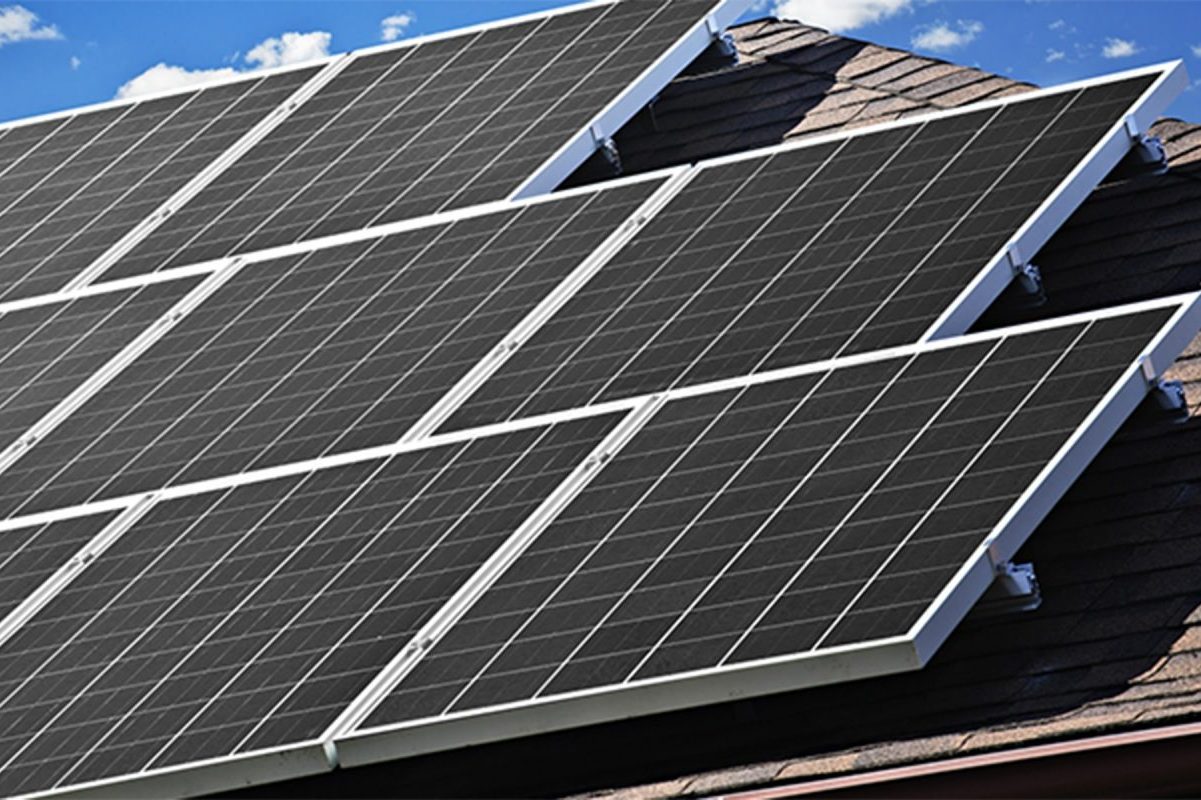
Here’s how it works in simple terms: When you install a solar monitoring system with anomaly detection, it starts by learning what “normal” looks like for your specific setup. It tracks how much energy your panels produce during sunny days, cloudy days, different seasons, and various times of day. This creates a baseline of expected performance based on your roof’s angle, your location, local weather patterns, and your system’s unique characteristics.
Once the system understands your normal patterns, it becomes your personal solar watchdog. If your panels suddenly produce less energy than expected on a clear afternoon, or if one section underperforms compared to others, the technology flags it immediately. These deviations from normal performance are called anomalies, and they often signal real problems like dirt buildup, shading from new tree growth, faulty wiring, or failing equipment.
The beauty of this approach is that it catches issues you’d never notice on your own. Most homeowners don’t check their solar output daily, and even if you did, would you recognize that your system is producing 15 percent less than it should? Probably not. But anomaly detection spots these subtle changes instantly.
What makes this technology especially valuable is its learning capability. Unlike simple alerts that just tell you when production drops below a fixed number, anomaly-based systems understand context. They know that lower production on a rainy day is normal, but lower production on a sunny day deserves your attention. This intelligence means fewer false alarms and faster identification of genuine problems that affect your energy savings.
Common Problems This Technology Catches Early
Performance Drops You Can’t See
Your solar panels might be underperforming right now, and you’d never know it without the right monitoring in place. Unlike a sudden breakdown, many efficiency problems develop so gradually that your monthly bills don’t show an obvious red flag.
Panel degradation is a natural process, but it should happen slowly over 25-30 years. When panels degrade faster than expected due to manufacturing defects or weather damage, you’re losing money every single day. A health monitor for your solar system with anomaly detection catches these subtle drops before they significantly impact your savings.
Shading issues can also creep up on you. That tree growing taller each year or a new neighbor’s structure might now cast shadows during peak sun hours. Even partial shading on one panel can reduce your entire system’s output by 20% or more.
The good news? Anomaly-based detection spots these gradual efficiency losses by comparing your actual production against what it should be, alerting you before small problems become expensive ones.
Equipment Failures Before They Cost You
Your solar system contains several components that can quietly develop problems over time, but anomaly-based detection spots these issues while they’re still minor and fixable. Think of it as an early warning system that protects your investment.
Inverters, which convert your solar panels’ energy into usable electricity for your home, are particularly vulnerable. When an inverter begins underperforming, detection systems notice the subtle drop in energy conversion efficiency. You’ll receive an alert long before the inverter fails completely, saving you from days or weeks without solar power and preventing the higher costs of emergency repairs.
Wiring problems present another sneaky threat. Loose connections or corroding wires gradually reduce your system’s output. Traditional monitoring might miss a 5-10% efficiency loss, but anomaly detection flags these patterns immediately. What could have become a dangerous fire hazard or expensive full rewiring job becomes a simple maintenance call.
Connection faults between panels often go unnoticed until entire sections stop working. Smart detection identifies when individual panels or strings aren’t communicating properly with the rest of your system. Catching these issues early means quick fixes instead of extensive troubleshooting, keeping your energy bills low and your system running at peak performance.
Weather and Environmental Impacts
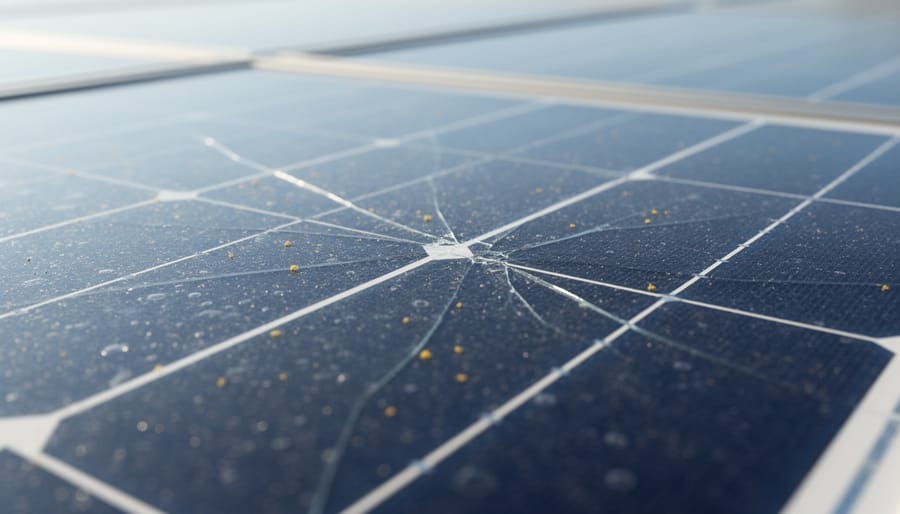
Your solar panels work hard outdoors every day, exposed to whatever nature throws at them. Anomaly detection acts like a weather watchdog for your system, spotting problems that storms, debris, or unexpected environmental conditions might cause. When heavy winds blow branches onto your panels or hail causes micro-cracks, the system notices the sudden drop in energy production. It can detect when dust storms, bird droppings, or fallen leaves create shading patterns that weren’t there before. Even subtle issues like water damage from unexpected leaks or corrosion from salty coastal air get flagged early. This early warning system means you can address weather-related damage before it significantly impacts your energy savings, protecting your investment and keeping your system running efficiently year-round.
How This Protects Your Wallet
Let’s talk about the real dollars and cents of protecting your solar investment. Anomaly-based detection isn’t just fancy technology—it’s a financial safety net that keeps more money in your pocket over the lifetime of your system.
Consider the cost of a single inverter replacement, which typically runs between $1,500 and $3,000. When anomaly detection catches irregular performance patterns early, you can address minor issues before they escalate into major component failures. Think of it like getting an oil change for your car instead of waiting for engine damage—the preventive approach costs hundreds instead of thousands.
The financial benefits extend to your daily energy production too. A solar panel operating at even 20 percent below capacity due to an undetected issue might seem minor, but over a year, that’s significant lost savings. For an average home system producing $1,200 annually in electricity value, that’s $240 disappearing each year. Multiply that over your system’s 25-year lifespan, and you’re looking at $6,000 in lost returns from just one underperforming panel.
Extended system lifespan translates directly to better return on investment. Solar systems typically last 25 to 30 years, but neglected problems can shorten that considerably. By catching and resolving issues early, anomaly detection helps your panels reach their full potential lifespan, maximizing your total savings. If your system would otherwise need replacement five years early at $15,000 to $20,000, that’s substantial protection.
Warranty protection represents another crucial financial benefit. Most solar equipment warranties require proper maintenance and timely issue reporting. When anomaly detection alerts you to problems immediately, you can address them within warranty periods, avoiding out-of-pocket repair costs. Missing a gradual decline in performance might mean discovering a problem after your warranty expires, leaving you responsible for the full repair bill.
The numbers are compelling: homeowners with anomaly-based monitoring systems report catching issues that would have cost an average of $2,500 to repair if left undetected. Over your system’s lifetime, this proactive approach can save you $5,000 to $10,000 in avoided repairs, optimized energy production, and protected warranty claims. That’s money that stays in your wallet, making your sustainable living choice even smarter financially.
What Happens When an Anomaly Is Detected
When your solar system detects something unusual, the process is refreshingly simple. You’ll receive a real-time alerts notification directly to your smartphone, usually within minutes of the detection. These alerts arrive through your solar monitoring app, and some systems also send email or text messages, depending on your preferences.
The notifications themselves are designed with clarity in mind. Instead of confusing technical codes, you’ll see plain-language messages like “Panel output lower than expected” or “Unusual energy drop detected on the west array.” Most alerts include a simple visual showing which part of your system needs attention, making it easy to understand the situation at a glance.
Here’s what happens next: First, you can check your monitoring app to see more details about the anomaly. The system often provides context, such as comparing today’s performance to your typical output. If the issue is minor and temporary, like cloud cover causing a brief dip, the alert may resolve itself and you’ll see a follow-up notification confirming everything is back to normal.
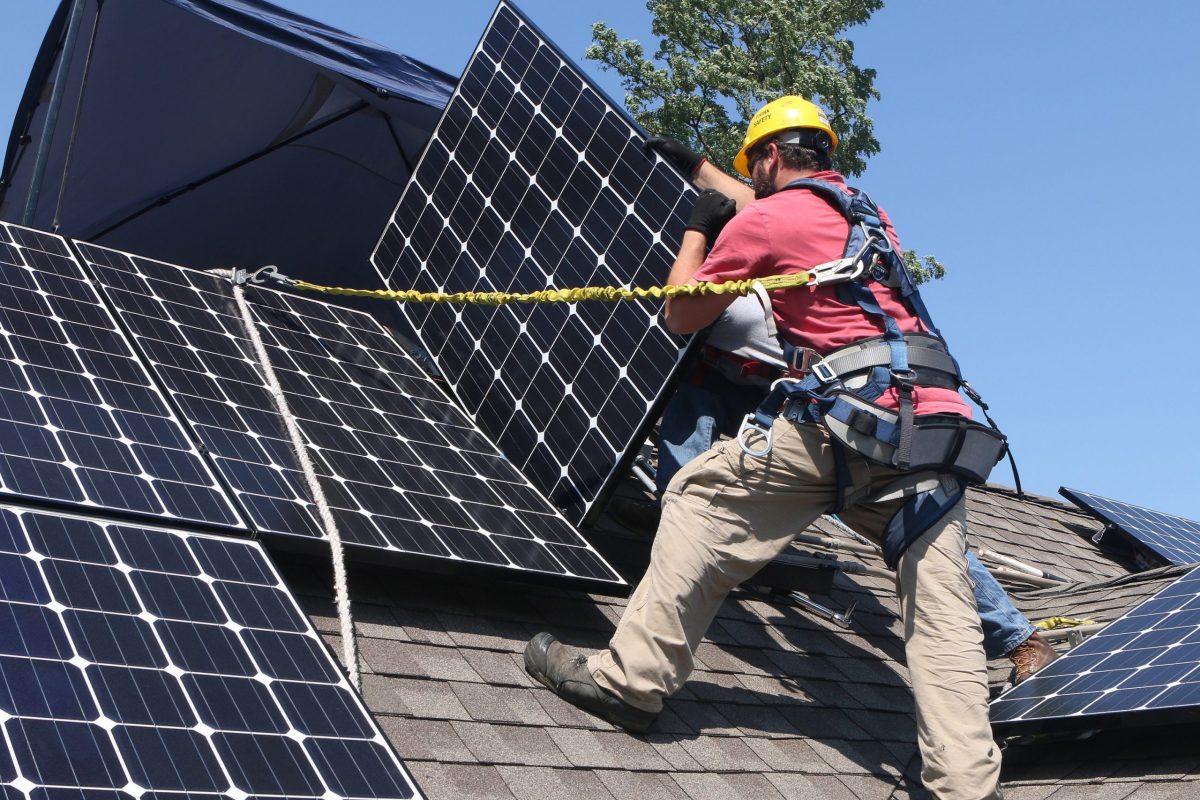
For genuine concerns, you have options. Many homeowners simply forward the alert to their solar installer or maintenance provider, who can diagnose the issue remotely. Because the system has already identified the problem area, technicians can often determine whether you need an on-site visit or if it’s something that will self-correct.
The beauty of this system is that you’re never left wondering if your investment is performing as it should. You stay informed without needing to become a solar expert, and problems get addressed before they significantly impact your energy savings.
Debunking the Myth: You Don’t Need to Be Tech-Savvy
One of the biggest misconceptions about anomaly-based detection is that you need a computer science degree to use it. The truth is, modern solar monitoring systems are built with everyday homeowners in mind, not tech experts. You don’t need to understand complex algorithms or data analysis to benefit from this powerful technology.
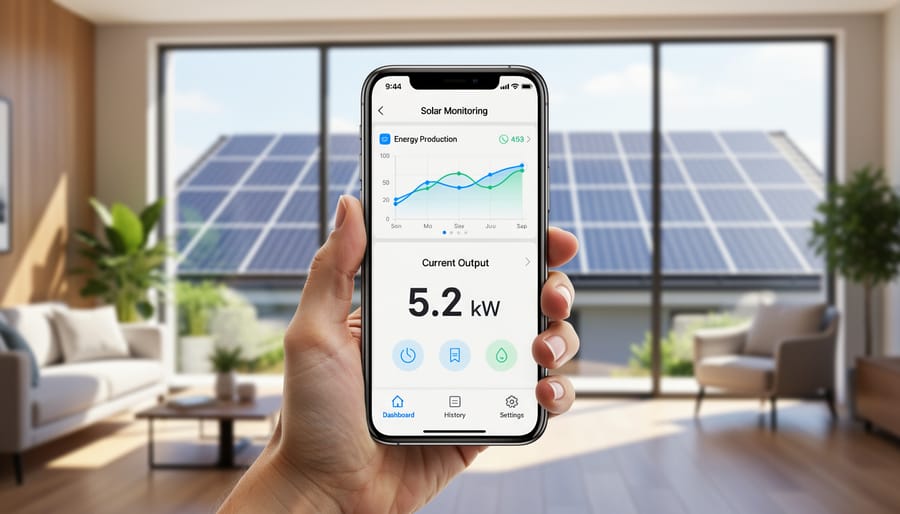
Today’s solar monitoring platforms feature intuitive dashboards that display your system’s performance in simple, visual formats. Think of it like checking the weather app on your phone—colorful graphs show your energy production at a glance, and you’ll receive plain-English notifications when something needs attention. The system does all the heavy lifting behind the scenes, analyzing thousands of data points automatically while you simply enjoy the peace of mind.
When an issue is detected, you won’t receive confusing technical reports. Instead, you’ll get straightforward alerts sent directly to your smartphone or email explaining what’s happening and what steps to take. Many remote monitoring features even connect you directly with support teams who handle the technical details for you.
The setup process is equally simple. Most systems connect automatically to your home’s Wi-Fi, requiring nothing more than following a few prompts on your phone. You’re not installing software, programming devices, or configuring networks. Within minutes, your system is watching over your solar investment, working quietly in the background to protect your savings and ensure optimal performance.
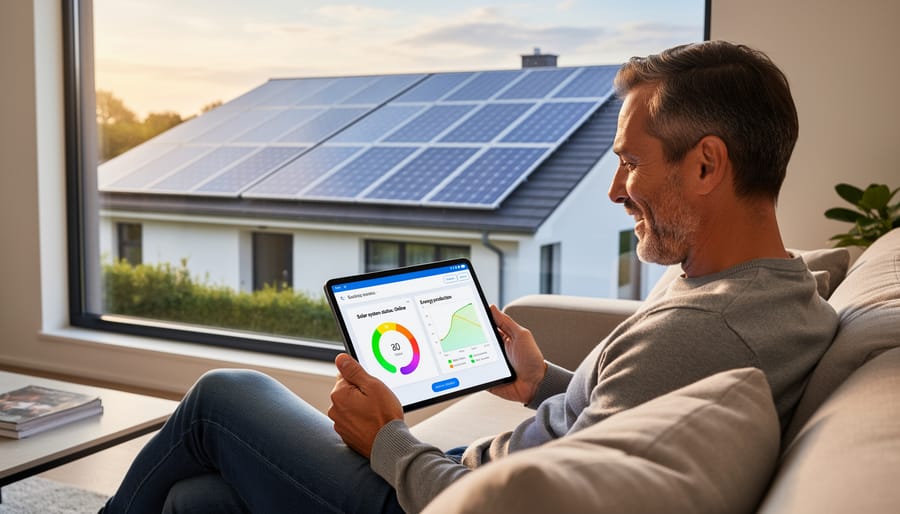
Anomaly-based detection transforms your solar panels from a passive rooftop installation into a smart, self-monitoring system that protects your investment around the clock. With AI-powered monitoring watching for problems before they impact your energy production, you can enjoy the financial and environmental benefits of solar with complete peace of mind. This technology ensures you’re getting every dollar of savings you signed up for, catching issues that would otherwise silently drain your returns for months or even years.
When you’re ready to explore solar installation or thinking about upgrading your existing system, make AI-powered anomaly detection part of the conversation. Ask potential installers what monitoring capabilities come standard with their systems and whether they include intelligent anomaly detection features. Your solar investment deserves protection that works as hard as your panels do, giving you confidence that your clean energy system is performing exactly as it should, every single day.