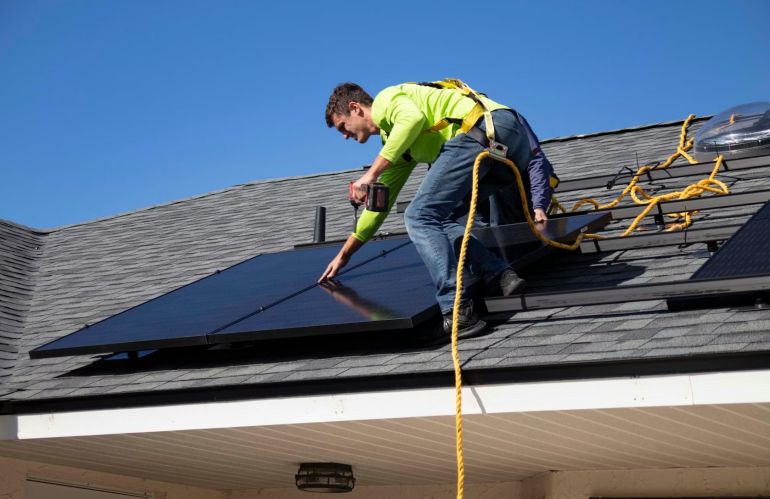
Most homeowners shopping for solar panels focus on cost and panel brands before they’ve worked out the fundamentals, and that order of operations tends to create problems that are expensive to fix.
Before any equipment gets selected, a household’s actual electricity consumption needs to be on the table. Running basic energy efficiency improvements first, like sealing air leaks or upgrading appliances, often reduces system sizing requirements significantly. A smaller, well-matched system is nearly always a better outcome than an oversized one.
From there, the project type shapes everything. Grid-tied and off-grid setups require different equipment, different inverter configurations, and very different storage planning. A quick site check covering roof orientation, shading analysis, roof condition, and electrical panel capacity then confirms whether the property can actually support the system being planned.
What to Check Before You Buy Any Solar Gear
Starting with your household electricity use is the most practical first step. Running basic energy efficiency improvements, such as sealing air leaks or upgrading appliances, often reduces system sizing requirements before any solar panels are selected. A smaller, well-matched system is nearly always a better outcome than an oversized one.
Project type also shapes every equipment decision that follows. Grid-tied and off-grid setups require different inverter configurations and very different storage planning. A quick site check covering roof orientation, shading analysis, roof condition, and electrical panel readiness then confirms whether the property can realistically support the system being planned.
Match the Equipment to How Your Home Will Use Power
Equipment planning is really about matching component choices to project demands and thinking through how you will safely transport and stage everything. For homeowners who need a practical hauling solution, some may look to buy Big Tex trailers for sale to help move bulky equipment efficiently. Panels, racking, inverters, and especially batteries are bulky and heavy, so you want a realistic plan for getting the gear to your home, moving it to the install area, and keeping it protected from damage before it goes up. The right starting point is understanding what each component does and why it matters for your specific setup.
The Core Parts of a Home Solar System
Once system size is established, equipment decisions follow a clear hierarchy. Panels generate the electricity, the inverter converts it from DC to usable AC power, the mounting system secures everything to the roof, and monitoring software tracks performance over time.
The inverter choice is where homeowners often face their first real decision. String inverters are cost-effective for roofs with consistent sun exposure, while microinverters, like those in Enphase’s product range, optimize each panel independently and handle shading far better. A step-by-step layout blueprint can help clarify which configuration fits a given roof.
When Battery Storage Changes the Plan
Battery storage isn’t always necessary, but it does change the equipment plan when it is. Pairing storage with the system requires compatible inverters and additional electrical work from the start. Planning for batteries later often costs more than building for them upfront, so it’s worth deciding early whether backup power is a goal.
Make Sure Your Roof and Electrical System Are Ready
A solar system that works on paper can still run into serious obstacles once someone actually looks at the roof and the electrical setup. As noted in the site check above, physical conditions determine whether the planned system is practical to install at all.
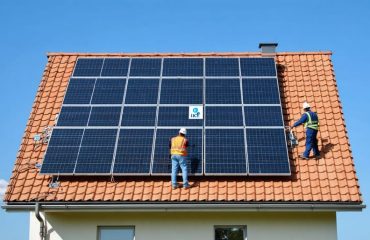
Roof age, pitch, available surface area, and structural load capacity all factor into what can realistically be mounted. A roof nearing the end of its lifespan should be replaced before panels go up, since removing and reinstalling a system adds significant cost. Shading analysis matters just as much as roof orientation, because even partial shading from nearby trees or chimneys can reduce output and force layout changes.
The electrical panel is another common bottleneck. Older panels may need upgrading before a solar installer can complete interconnection with the grid.
Plan for Permits, Utility Approval, and Safety Rules
Permits and utility approvals are where many home solar projects lose weeks, or even months, if the paperwork isn’t started early. Most jurisdictions require both a building permit and an electrical permit before installation begins, and inspections typically follow before the system can be activated.
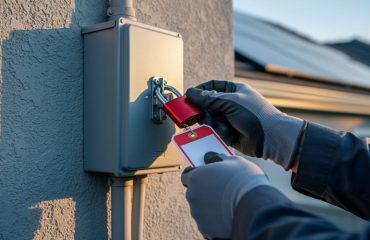
Grid-tied systems also require utility interconnection approval and net metering enrollment, which are standard steps but not automatic. On the safety side, requirements like grounding, rapid shutdown compliance, and licensed solar installer sign-off apply in most areas. Reviewing solar safety tips every homeowner needs before finalizing plans helps avoid surprises, particularly for systems that include battery storage.
What Incentives Can Change the Budget
The Residential Clean Energy Credit, commonly called the Investment Tax Credit, can meaningfully reduce total project cost for eligible homeowners. Eligibility rules and documentation requirements shift periodically, so verifying current terms before finalizing a budget is worthwhile. Equipment meeting ENERGY STAR standards may also qualify for additional state or utility incentives, though those programs vary widely by location.
Home Solar Planning FAQs
How Do I Know What Size Solar System My Home Needs?
System sizing starts with annual electricity consumption. Reviewing 12 months of utility bills gives a reliable baseline before any equipment is considered.
Do I Need a Battery for a Home Solar Project?
Not always. Battery storage becomes most relevant for off-grid setups or homes seeking backup power during outages.
Can My Roof Support Solar Panels?
Structural load capacity, roof age, and available surface area determine this. A structural assessment answers the question before installation begins.
What Permits Are Needed for Home Solar?
Most areas require a building permit, an electrical permit, and utility interconnection approval before a system can be activated.
A Solid Plan Makes Installation Much Easier
Assessing energy use, confirming available space, and resolving safety and approval requirements before selecting solar panels or an inverter keeps the project on track. Homeowners who follow that sequence, and work with a qualified solar installer, avoid most of the costly surprises that tend to surface during installation.