
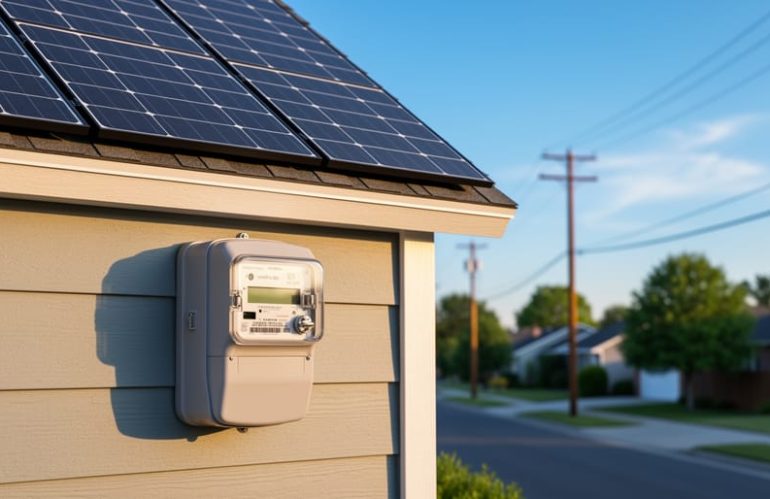
Imagine your electric meter spinning backward on sunny days, crediting your account for the excess solar energy your panels produce. That’s net metering in action—a billing mechanism that transforms your home into a mini power plant while slashing your energy costs. When your solar panels generate more electricity than you use, the surplus flows back to the grid, and your utility company credits your account at the retail rate you normally pay. During evenings or cloudy days when your panels produce less, you draw from these banked credits instead of paying full price for grid electricity. This straightforward exchange means your …
Category: Incentives and Regulations
Government incentives, tax benefits, and regulatory compliance
Home Solar Projects: Planning for Equipment, Space, and Safety
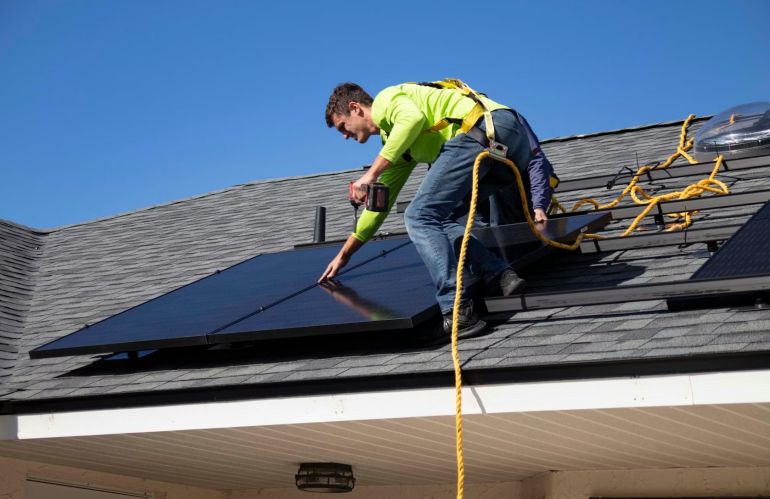
Most homeowners shopping for solar panels focus on cost and panel brands before they’ve worked out the fundamentals, and that order of operations tends to create problems that are expensive to fix.
Before any equipment gets selected, a household’s actual electricity consumption needs to be on the table. Running basic energy efficiency improvements first, like sealing air leaks or upgrading appliances, often reduces system sizing requirements significantly. A smaller, well-matched system is nearly always a better outcome than an oversized one.
From there, the project type shapes everything. Grid-tied and off-grid …