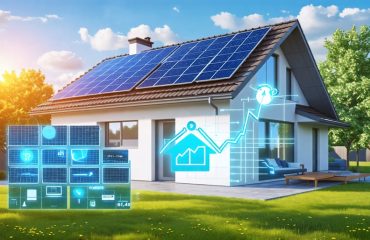
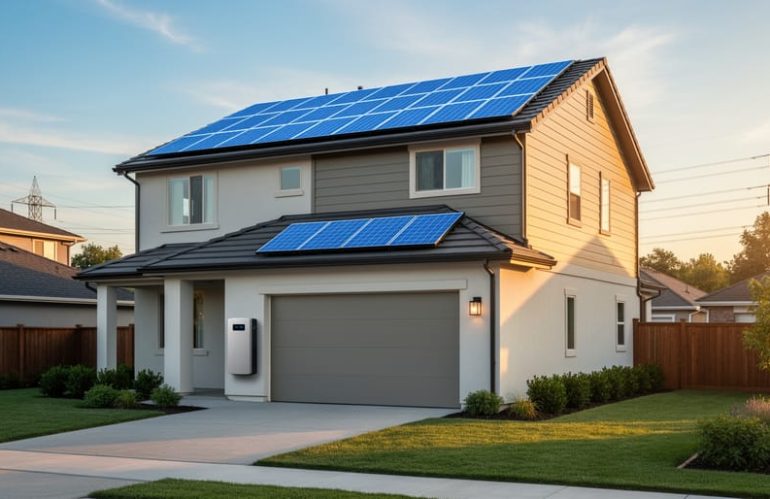
Your solar panels are about to get smarter, and your electricity bills are about to drop even lower. Hybrid quantum computing represents the next frontier in solar energy management, combining today’s reliable computer systems with breakthrough quantum technology to squeeze every possible watt from your rooftop installation.
Think of it as upgrading from a good thermostat to a brilliant energy conductor. Traditional computers managing solar grids make thousands of calculations per second, but they struggle with the complex variables that affect your system—shifting cloud cover, fluctuating energy demand, battery charge cycles, and grid pricing that changes by the minute. Hybrid quantum computing tackles millions of these variables simultaneously, optimizing when to store energy, when to use it, and when to sell it back to the grid.
The hybrid approach matters because it works with existing infrastructure. Unlike pure quantum computers that require extreme cooling and isolation, hybrid systems connect quantum processors to conventional computers, delivering practical benefits without requiring you to replace your current solar setup. Your panels, inverters, and batteries remain the same, but the brain managing them becomes exponentially more capable.
For homeowners, this technology translates to three tangible benefits: increased energy harvest from the same panels, smarter battery usage that extends equipment lifespan, and automated decision-making that captures peak buyback rates. Early implementations show efficiency gains of 15-30 percent, turning a solid investment into an exceptional one. The best part? These improvements will roll out through software updates to grid management systems, enhancing your existing solar investment without requiring new hardware purchases.
What Hybrid Quantum Computing Actually Means (In Plain English)
Think of hybrid quantum computing like having a dream team in your kitchen. Your regular computer is like a reliable home chef who handles everyday cooking perfectly—chopping vegetables, following recipes, measuring ingredients. Meanwhile, the quantum computer is like a specialized molecular gastronomist who steps in only for incredibly complex tasks that would take your regular chef years to figure out.
In hybrid quantum computing, these two work side-by-side, each doing what they do best. Your traditional computer manages the routine calculations and coordinates the overall process. When it encounters an impossibly complex problem—like analyzing millions of weather patterns to predict optimal solar energy production—it hands that specific challenge to the quantum computer.
Here’s what makes this partnership so practical: quantum computers are extremely powerful but also finicky and expensive to run. They can’t handle basic tasks efficiently. Regular computers are the opposite—excellent at routine work but overwhelmed by certain complex calculations. Together, they create something greater than either could alone.
For your home solar system, this means the hybrid approach can crunch enormous amounts of data about weather, energy prices, and grid demands in seconds rather than hours. The quantum portion solves the mind-bending optimization puzzles, while the classical computer translates those solutions into actionable instructions your solar inverter can actually use.
The beauty of this hybrid model is that it’s already becoming reality. You don’t need a quantum computer in your basement—cloud-based services are making this technology accessible right now, working behind the scenes to make your solar investment smarter and more profitable without any extra effort on your part.
Why Your Solar Panels Need Smarter Grid Management
The Energy Timing Problem
If you’ve installed solar panels or are considering them, you’ve likely encountered a common challenge: your panels generate the most electricity when the sun is strongest—typically between 10 AM and 2 PM—but your household uses most of its power during different times. Most families consume the bulk of their electricity in the morning getting ready for the day and in the evening cooking dinner, doing laundry, and running appliances.
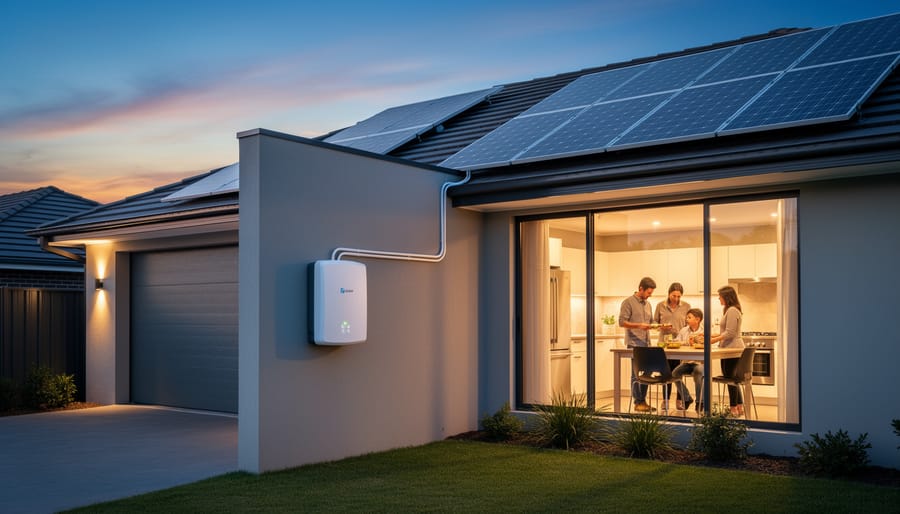
This timing mismatch means you’re often sending your valuable solar energy back to the grid during peak production hours, then buying it back at higher rates when you actually need it. While battery storage systems help bridge this gap, they currently face limitations in capacity and cost. Most home batteries can only store enough energy for a few hours of evening use, and they represent a significant upfront investment. This is where emerging technology becomes exciting—optimization tools can help you make smarter decisions about when to store energy and when to use it, potentially reducing your reliance on expensive grid power during those peak usage times.
When Your Neighbor’s Panels Affect Your Bills
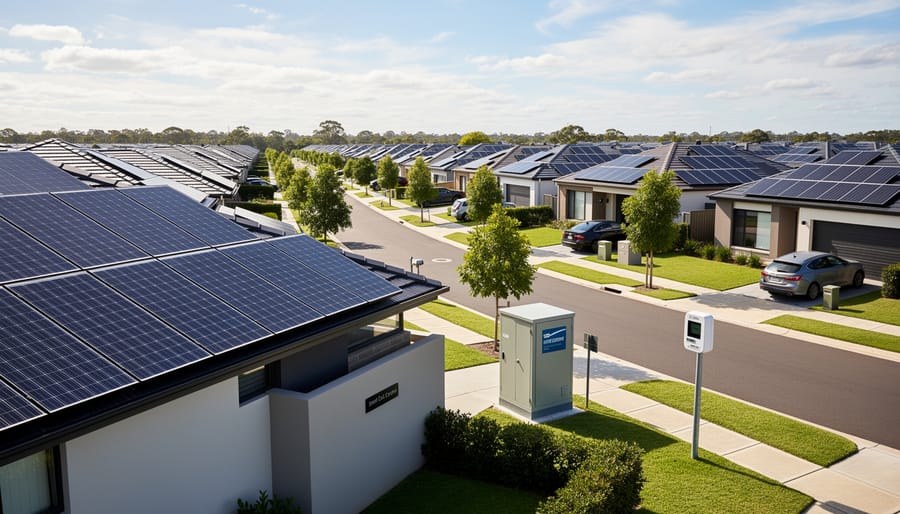
When several homes on your street install solar panels, it creates an interesting challenge for the local power grid. During sunny afternoons, all those panels might generate excess electricity at the same time, potentially causing voltage fluctuations that affect everyone’s power quality. Meanwhile, when the sun sets, the sudden surge in demand from the grid can create inefficiencies that impact electricity costs.
This is where hybrid quantum computing becomes your neighborhood’s behind-the-scenes helper. Think of it as an incredibly smart traffic controller for electricity. Traditional computers struggle to balance thousands of variables simultaneously—like predicting cloud cover, managing battery storage across dozens of homes, and coordinating when to send power back to the grid. Hybrid quantum systems excel at solving these complex puzzles in real-time.
The result? More stable power delivery, reduced strain on local infrastructure, and lower costs for everyone. When your utility company can optimize energy flow more efficiently across your entire neighborhood, those savings often translate to better rates and incentives for solar homeowners. It’s a win-win that makes your solar investment even smarter while supporting your community’s transition to clean energy.
How Hybrid Quantum Computing Optimizes Your Solar Investment
Predicting Your Energy Needs Before You Need It
Imagine having a smart system that knows exactly how much energy you’ll need tomorrow—before tomorrow even arrives. That’s the power of hybrid quantum computing working behind the scenes for your solar setup.
Traditional computers handle predicting energy needs one variable at a time, but quantum systems can juggle multiple factors simultaneously. They analyze weather forecasts, your household’s energy patterns from past months, and real-time grid demands all at once. This means your solar system gets ahead of changes rather than simply reacting to them.
Here’s what this means for you: Your system automatically charges your battery when electricity rates are lowest and the sun is shining brightest. It adjusts energy storage before a cloudy week hits. It even coordinates with the grid during peak demand hours when selling excess power back nets you the best returns.
The best part? This all happens automatically in the background. You won’t need to become an energy expert or constantly monitor weather apps. The quantum-powered system does the heavy lifting, optimizing every decision to maximize your savings and minimize waste. Think of it as having a tireless energy manager working 24/7 to ensure you’re always getting the most value from your solar investment, adapting to changing conditions faster than any human could.
Making Your Battery Storage Work Harder
Think of your battery like a smart savings account that knows exactly when to save and when to spend. Hybrid quantum computing takes battery storage optimization to a whole new level by making split-second decisions about your energy use.
Here’s what this means for you: instead of simply storing excess solar power and releasing it later, your system becomes incredibly strategic. It learns your household’s energy patterns, predicts when electricity rates will spike, and knows exactly how much power to store based on tomorrow’s weather forecast. This eliminates the guesswork that often leads to wasted energy or missed savings opportunities.
The financial impact is real. Many homeowners unknowingly leave money on the table by charging their batteries at the wrong times or discharging them when grid electricity is actually cheaper. Better optimization means your battery cycles are used wisely, extending its lifespan while maximizing your returns. You’re not just storing energy anymore—you’re storing it intelligently, at the precise moments that deliver the greatest value.
The best part? These improvements happen automatically in the background. You enjoy lower bills and better performance without lifting a finger, turning your battery from a simple storage device into a profit-generating asset that works smarter, not harder.
What This Means for Your Wallet Today (And Tomorrow)
Let’s be upfront: hybrid quantum computing won’t slice your electricity bill in half next month. This technology is still in its early stages, and the immediate impact on your wallet is indirect rather than dramatic.
Here’s the honest timeline. Right now, utility companies and grid operators are testing these systems in pilot programs. If you have solar panels today, you’re already benefiting from smart technology that helps balance supply and demand. Hybrid quantum computing will enhance these existing solar energy management systems over the next 3-5 years, making them significantly better at predicting when to store energy and when to sell it back to the grid.
The near-term financial benefits come from improved grid stability. When utilities can better manage renewable energy flow, they avoid costly peak-demand charges and reduce infrastructure strain. Many utilities pass these savings along through incentive programs and better net metering rates. You might see this as improved buyback rates for your excess solar power or new time-of-use programs that reward flexible energy usage.
Looking 5-10 years ahead, the wallet impact becomes more substantial. Better grid optimization means your solar investment maintains stronger returns even as more neighbors install panels. Currently, grid congestion in solar-heavy neighborhoods can reduce how much utilities pay for excess power. Quantum-enhanced systems solve this problem by managing energy flow more intelligently across entire regions.
The best part? You don’t need to buy new equipment to benefit. These improvements happen at the utility and grid management level. Your existing solar panels will automatically participate in a smarter, more efficient system. Think of it like how your smartphone got better features through software updates, not hardware replacement.
Bottom line: modest improvements starting now, with meaningful financial benefits accumulating over the next decade as the technology matures and scales.
Should You Wait for Quantum-Optimized Solar Systems?
If you’re concerned about installing solar panels now only to miss out on quantum computing breakthroughs, here’s the good news: waiting actually costs you money. Every month without solar means you’re paying full price for electricity while missing out on significant savings that start the moment your system goes live.
Think of it like waiting to buy a smartphone until the next model comes out. You could wait forever, but you’d miss years of benefits in the meantime. Current solar systems are already excellent investments that typically pay for themselves within 7-10 years, and quantum computing improvements will enhance them, not replace them.
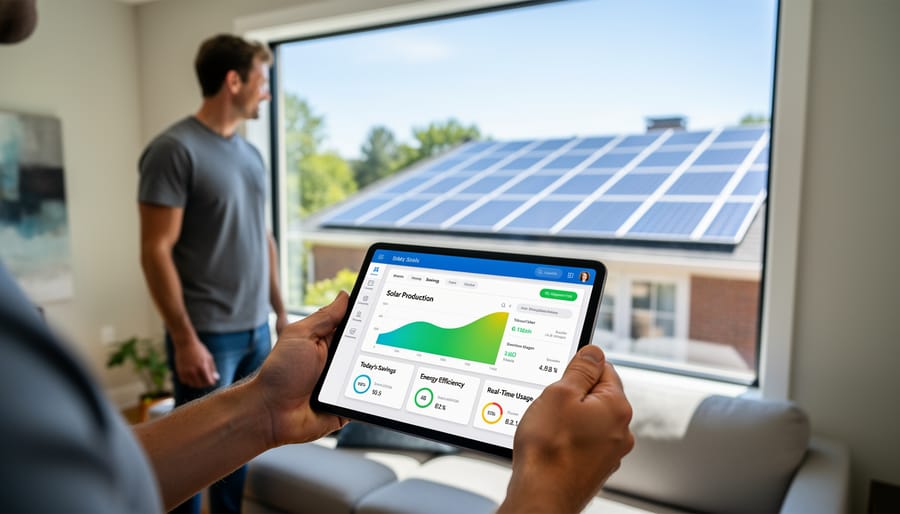
Here’s what many homeowners don’t realize: grid optimization happens behind the scenes through software updates and utility-level improvements. When quantum computing advances make power distribution more efficient, your existing solar panels will benefit automatically. Your solar inverter and smart meter are already designed to communicate with the grid, so they’ll work with these improvements without requiring hardware changes.
The infrastructure upgrades that quantum computing enables happen at the utility and grid management level. Energy companies will use this technology to balance supply and demand more effectively, reduce waste, and optimize when your excess solar energy gets distributed to neighbors. Your panels keep generating power exactly as designed while the grid around them gets smarter.
Consider this: a homeowner who installs solar today and saves $150 monthly will pocket $10,800 over six years. Someone who waits for future technology misses those savings entirely. Current solar systems are proven, reliable, and ready to work with tomorrow’s grid improvements. The best time to start saving is now.
Hybrid quantum computing represents an exciting glimpse into the future of solar energy, but here’s the best part: you don’t need to wait for this technology to mature before making the switch to solar. Installing solar panels today means you’ll start saving money on your energy bills immediately while positioning yourself to benefit from these groundbreaking innovations as they roll out over the coming years. Think of it as future-proofing your investment. The solar system you install now will seamlessly integrate with smarter grid management systems as they develop, maximizing your savings without requiring expensive upgrades or replacements.
The beauty of solar energy is that it’s already a proven, cost-effective technology that pays for itself through reduced electricity bills and increased home value. As hybrid quantum computing enhances grid optimization, your existing solar installation will simply become even more efficient and valuable. You’re not choosing between saving money now or benefiting from future technology—you get both.
By going solar today, you’re joining a growing community of homeowners taking control of their energy costs while contributing to a cleaner, more sustainable future. The revolution is happening now, and there’s never been a better time to be part of it.