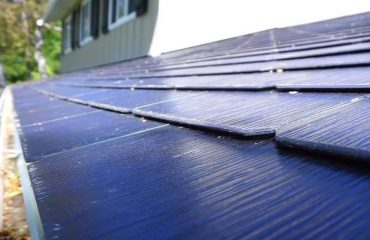
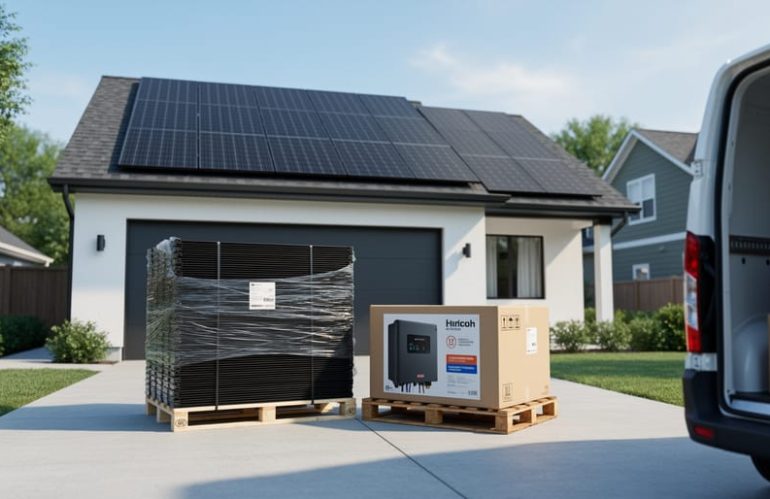
Global supply chain challenges won’t necessarily derail your solar installation, but they can add weeks to your timeline and create modest cost fluctuations. The key factors affecting your project are manufacturing capacity, international logistics, and your installer’s inventory management, not a system-wide collapse. What matters most is choosing an installer who orders equipment early, maintains buffer stock, and communicates realistic timelines upfront.
Here’s what you actually need to know: most solar panels and inverters travel internationally before reaching your roof, which means shipping schedules and customs processing play a role in when your system arrives. During periods of high demand or port congestion, lead times stretch. Smaller installers working project-by-project face longer waits than established companies with warehouse inventory and supplier relationships.
The good news? These challenges are predictable and manageable. You won’t wake up to discover your panels are stranded indefinitely. Reputable solar companies already factor supply realities into their project schedules. They quote timelines that include procurement buffers, not best-case scenarios. Your job is to ask the right questions during consultations: Does your installer stock equipment locally? What’s their current lead time? Do they have backup supplier options?
Understanding how supply chains affect solar projects helps you set realistic expectations, avoid installers who overpromise, and plan your switch to clean energy with confidence. The path to solar might take a few extra weeks compared to a few years ago, but the financial and environmental benefits remain just as compelling.
What Supply Chain Risks Actually Mean for Your Solar Project
Supply chain risks sound abstract, but for your solar project they boil down to one simple question: how long will it take to get the equipment needed for your installation? Your solar panels don’t appear from thin air. Most are manufactured overseas, travel thousands of miles by ship, clear customs, move through regional distribution networks, and finally reach your installer’s warehouse before they can be scheduled for your roof. Each step in that journey introduces potential delays.
The unpredictability comes from dependencies you can’t see. When a shipping container sits at port waiting for dock space, that’s not just a logistics problem, it’s your panels sitting idle. When a manufacturer prioritizes a massive utility contract over residential orders, smaller shipments get pushed back. When a specific inverter model faces component shortages, your whole system waits even if the panels arrived on time.
Shipping delays are the disruption homeowners hear about most, and they’re real. Ocean freight schedules shift, port congestion builds up, and customs processing slows during busy periods. What was supposed to take weeks can stretch to months during peak disruption periods, though conditions vary constantly.
Material shortages hit differently. Solar panels require silicon, aluminum, glass, and various metals. If any raw material becomes scarce or expensive, manufacturers may slow production or prioritize certain markets. For residential customers, this often means fewer panel options available quickly rather than complete unavailability.
Port congestion deserves special mention because it creates cascading delays. A backlog at a major port doesn’t just slow one shipment, it affects everything downstream. Your installer may have ordered equipment months ago, but if containers are sitting offshore, your timeline extends regardless of planning.
The good news? These aren’t mysteries. Experienced installers track these conditions, maintain relationships with multiple suppliers, and communicate realistic timelines based on current conditions rather than best-case scenarios.
Understanding Procurement Lead Times for Solar Panels
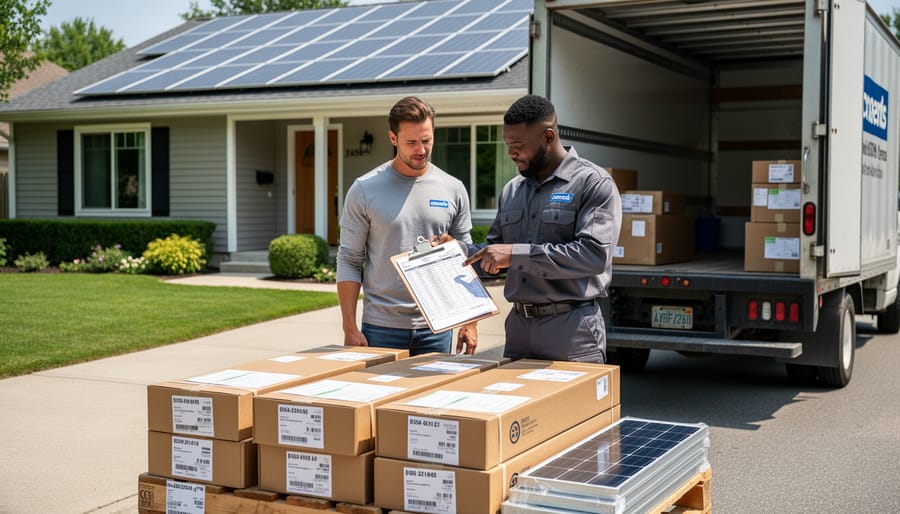
Procurement lead time is the period between when your installer orders solar equipment and when it arrives, ready for installation. Think of it as the gap between placing an online order and the package arriving at your door, but with more variables at play.
This timeline varies significantly based on several factors. If your installer stocks popular panel models in their warehouse, procurement might take just days. They’ve already done the waiting, and the equipment is ready to go. But if you’ve chosen a specific panel brand that needs ordering, or if your system requires particular components not kept in stock, the wait extends.
The difference between off-the-shelf and custom orders matters considerably. Standard residential systems using commonly-installed panels typically move faster because installers anticipate demand and maintain inventory. Systems requiring specialty panels, unique mounting solutions for complex roofs, or integrated battery storage often involve longer procurement periods since these components may need ordering specifically for your project.
Seasonal patterns influence availability too. Spring and summer bring higher solar installation demand, which can strain inventory and extend procurement times. Installers who plan ahead by stocking up before peak season can better serve customers during busy periods, while those operating on minimal inventory may face delays.
Different installers approach procurement differently. Larger companies often maintain substantial warehouses and established relationships with multiple suppliers, giving them flexibility when one source faces delays. Smaller installers might order equipment project-by-project, which can mean longer waits but potentially more customization options.
Geographic location plays a role as well. Installers in major metro areas typically enjoy faster access to equipment through regional distribution centers, while rural installers may add shipping time to their procurement cycle.
Understanding these factors helps you ask informed questions during the planning process. Rather than accepting vague timelines, you can discuss your installer’s inventory practices, their supplier relationships, and whether your preferred equipment is readily available or requires ordering.
Common Supply Chain Challenges Affecting Solar Installations
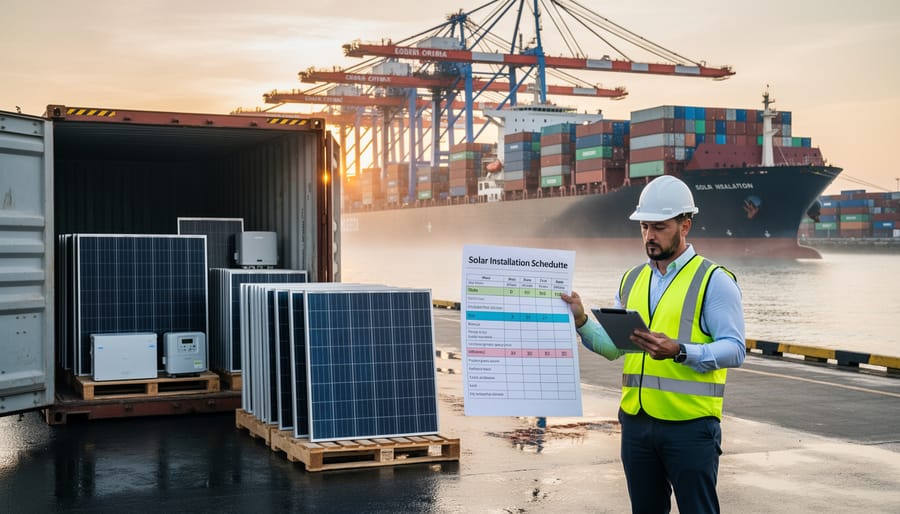
Several real-world factors can affect when your solar equipment arrives, though understanding them helps you plan realistically rather than worry needlessly.
Manufacturing capacity presents the first potential bottleneck. Solar panel production concentrates heavily in certain regions, meaning a surge in demand, whether from large commercial projects or widespread adoption in particular markets, can stretch available supply. Your installer might need extra time to secure panels when factories are running at full capacity, especially if you want a specific brand or model known for quality.
International shipping introduces variability that’s difficult to predict. Panels manufactured overseas travel by container ship, and this journey can extend when ports experience congestion, when shipping routes face disruptions, or during peak seasons when cargo volumes spike. Weather events, labor disputes, and global trade patterns all influence how smoothly equipment moves from factory to warehouse. What might typically be a straightforward shipping process can occasionally stretch longer during periods of disruption.
Component availability matters as much as panels themselves. Your system needs inverters to convert solar energy into usable electricity, batteries if you’re adding storage, mounting hardware like roof clamps and rails, and electrical components to connect everything safely. These parts come from different manufacturers, often in different locations. A delay in any single component can postpone your entire installation, even if your panels arrived weeks earlier.
Regulatory and tariff considerations add another layer. Trade policies, import duties, and certification requirements change periodically, affecting both availability and pricing. When regulations shift, manufacturers and importers need time to adjust, which can temporarily slow the flow of equipment into your market.
The good news? These challenges are well-known to experienced installers, who’ve developed strategies to work around them. Reputable companies maintain relationships with multiple suppliers, stock commonly-used equipment, and set realistic expectations from the start. They’ve navigated these issues before and know how to keep your project moving forward despite external uncertainties.
What Homeowners Can Do to Navigate Supply Uncertainty
Supply chain uncertainty doesn’t mean you should put your solar plans on hold. You have more control over the process than you might think, and a few smart decisions early on can save you time, money, and frustration.
Start by asking installers the right questions during your consultation. When you sit down with potential companies, find out where they source their equipment and whether they maintain inventory or order panels only after contract signing. Ask how they’ve handled recent supply disruptions and what their average lead time has been over the past year. A quality installer will give you honest answers rather than overpromising quick turnarounds.
Choose companies with established supplier relationships. Installers who’ve been in business for years and complete high volumes of installations typically have preferred vendor status, which means they get priority when equipment allocates tightly. They also understand which manufacturers deliver reliably and which don’t. This insider knowledge protects your timeline far better than going with a newer company still building those connections.
When discussing your project with installers, follow these practical steps:
- Request a realistic timeline with a buffer period built in, not the best-case scenario.
- Ask what happens if your preferred panel model faces delays and what alternative options you’d be offered.
- Get clarity on deposit terms and whether you can lock in pricing even if installation pushes back.
- Confirm how often you’ll receive progress updates once you’ve signed a contract.
- Understand the installer’s cancellation or refund policy if delays become unacceptable.
Stay flexible about panel selection. If you’re set on one specific brand and model, you’re at the mercy of that single supply chain. Installers who offer a range of quality options can pivot quickly when one manufacturer experiences delays. Focus on performance specifications and warranty terms rather than brand loyalty, and you’ll likely get your system installed sooner.
Plan with buffer time in mind. If you’re hoping to go solar before a specific deadline, perhaps to maximize a tax incentive or offset rising electricity rates, start your search earlier than you think necessary. Adding two to three months of cushion to your ideal timeline gives you breathing room without delaying your financial benefits significantly.
Remember that waiting for “perfect” supply chain conditions means missing out on immediate savings. Every month you postpone installation is another month of utility bills. Even if your timeline extends slightly, the decades of reduced energy costs and environmental benefits make moving forward worthwhile. Connect with experienced homeowners through a solar community forum to hear how others navigated similar decisions and what mattered most in their experience.
The key is working with transparent installers who treat supply challenges as problems to solve together, not excuses for poor communication.
How Quality Installers Manage Supply Chain Risks
Professional solar installers don’t just order panels when you sign a contract, they plan months ahead. The best companies maintain relationships with multiple manufacturers and distributors, so if one supplier faces delays, they have alternatives ready. This diversification means your project doesn’t grind to a halt when a single shipping route gets congested or a factory slows production.
Quality installers also keep core inventory on hand. They stock popular panel models, inverters, and essential components rather than ordering everything on-demand. When supply chains tighten, these companies can often start your installation on schedule because they’ve already secured the equipment. It’s why asking “Do you maintain inventory?” during your installer interviews matters.
Realistic timeline communication separates prepared installers from overpromising ones. Experienced companies build buffer time into their project schedules and update you proactively if conditions change. They explain which components might face longer lead times and offer alternatives that keep your project moving. If a specific panel model is backordered, a knowledgeable installer can suggest comparable options with similar efficiency and warranty terms, sometimes including features like improved panel cooling that benefit your system’s long-term performance.
The installers who handle supply uncertainty best are transparent about what they control and what they don’t. They’ll outline their supplier network, explain their contingency plans, and commit to keeping you informed rather than going silent when challenges arise. This proactive approach means fewer surprises and more confidence that your solar investment stays on track despite global variables. When interviewing installers, prioritize companies that discuss their supply chain strategies openly, it’s a reliable indicator of how they’ll manage your entire project.
Your Questions About Solar Supply and Timing, Answered
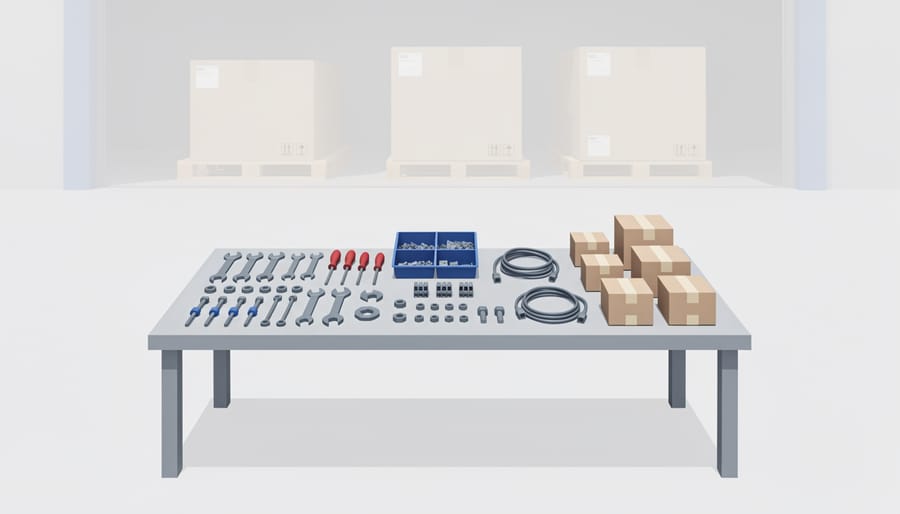
Will supply chain delays increase my installation cost?
Most reputable installers provide written quotes that lock in pricing for a set period, typically several months. If delays push your installation beyond that window, ask your installer about their price protection policies, many companies honor original quotes even when timelines shift, especially if the delay isn’t on your end.
Should I wait for supply chains to stabilize before going solar?
Waiting rarely makes financial sense. Every month you delay is another month paying full utility bills instead of generating your own power. The long-term savings from solar far outweigh short-term timeline uncertainties, and installers have adapted their processes to work within current conditions.
How much notice will I get if my timeline changes?
Professional installers typically provide updates at key milestones, when they order equipment, when it ships, and when it arrives. You should expect at least a few weeks’ notice if a delay will affect your installation date, giving you time to adjust schedules or make alternative arrangements.
Can I lock in pricing even if installation is delayed?
Yes, with the right contract terms. Ask your installer to specify in writing how long your pricing remains valid and whether it’s protected if supply chain issues cause delays. This is standard practice with established companies who understand current market conditions.
What happens to my energy savings during a delay?
You’ll continue paying your regular utility bills until your system goes live. However, once installed, your system will produce the same energy and deliver the same long-term savings regardless of when it was commissioned. Some homeowners use the waiting period to research smart monitoring options that maximize their system’s performance from day one.
These questions reflect real concerns, but the answers reveal an important pattern: supply chain challenges create temporary inconvenience, not fundamental problems with going solar. The key is working with an installer who communicates clearly, protects your interests in the contract, and has proven strategies for managing uncertainty. Your job isn’t to become a supply chain expert, it’s to choose a company that already is.
Supply chain uncertainties might add a few weeks or months to your solar timeline, but they don’t change the fundamental equation: solar panels will save you money for decades while reducing your environmental footprint. The key is choosing an installer who understands these challenges and communicates honestly about what to expect.
Yes, there’s some unpredictability in global logistics right now. But homeowners who plan ahead, stay flexible on timelines, and ask the right questions still get excellent systems installed every day. The financial benefits, lower electricity bills, potential incentives, increased home value, remain compelling regardless of whether your project takes three months or five.
Your best move? Partner with a quality installer who maintains strong supplier relationships and sets realistic expectations from day one. Ask about their sourcing practices, what buffer time they recommend, and how they’ll keep you informed if anything changes. Companies that communicate proactively and plan for contingencies make supply chain challenges manageable rather than stressful.
The solar investment that makes sense today will still make sense next month. Don’t let fear of delays stop you from moving forward. Start conversations now, get quotes, and work with professionals who treat your timeline seriously. Your future self, enjoying lower energy costs and cleaner power, will be glad you didn’t wait.