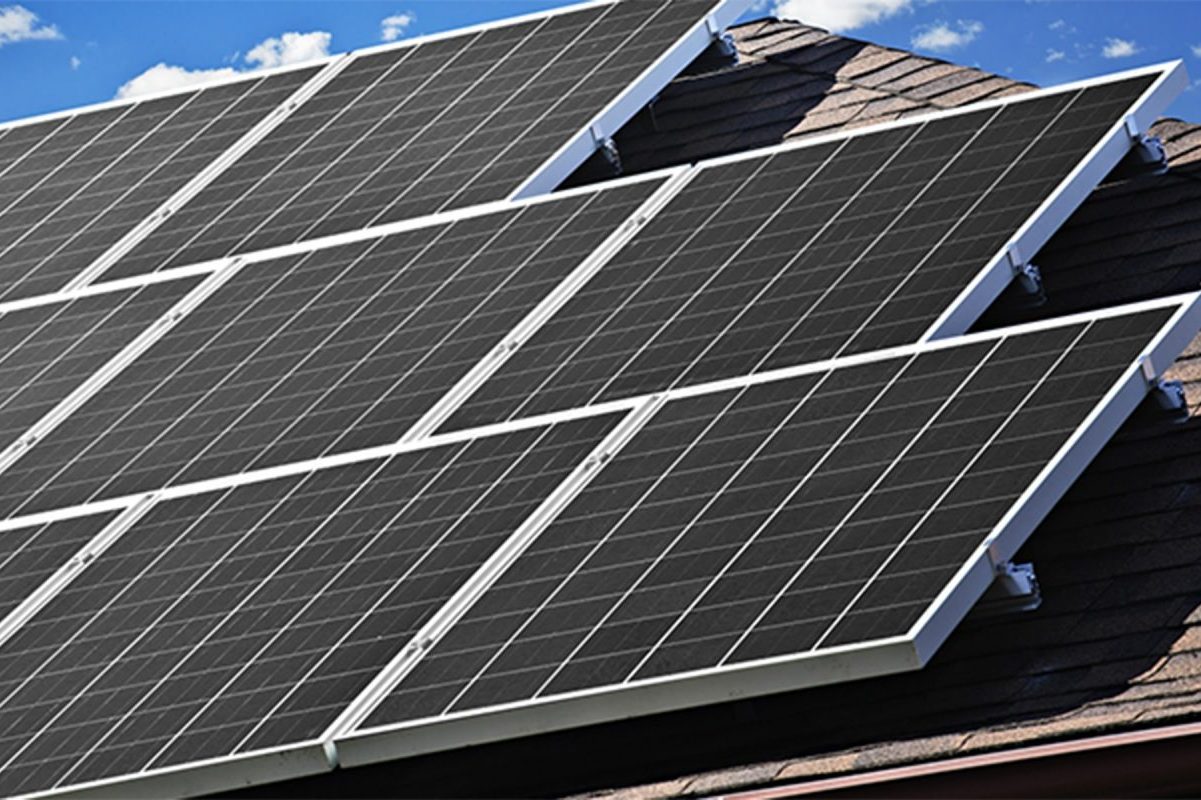
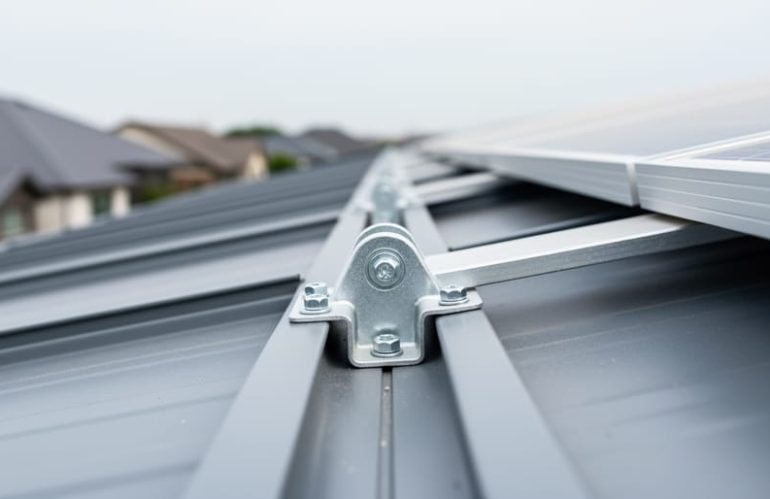
Standing seam roof clamps let you mount solar panels to your metal roof without drilling holes or voiding warranties. The right clamp grips the raised seam directly, distributing weight evenly and keeping your roof watertight for decades to come.
If you have a standing seam metal roof and want to go solar, you’ve already cleared one of the biggest hurdles: you own one of the best roof types for photovoltaic installation. Metal roofs typically outlast solar panels themselves, and the standing seam design offers built-in mounting rails that were practically engineered for this purpose. The catch is that compatibility matters more than most homeowners realize. Clamps designed for one seam profile won’t work on another, and choosing the wrong gauge rating can lead to panel shifting or worse.
The good news? Once you understand three core factors (seam profile, material gauge, and load capacity), selecting the right clamps becomes straightforward. You’ll find products like the Guardian Fall Protection 10600 Standing Seam Roof Clamp and 12PCS Standing Seam Roof Clamps designed for common residential profiles, each engineered to grip specific seam shapes without compromising roof integrity.
This guide walks you through exactly what to measure on your roof, which clamp features actually matter for solar installation, and how to match products to your specific setup. We’ll compare the leading options for 2026, explain the differences between universal and profile-specific designs, and show you how to avoid the most common (and expensive) mistakes homeowners make when buying clamps online. By the end, you’ll know precisely which clamps will work on your roof and why penetration-free mounting protects both your investment and your peace of mind.
Why Standing Seam Roof Clamps Matter for Solar Installations
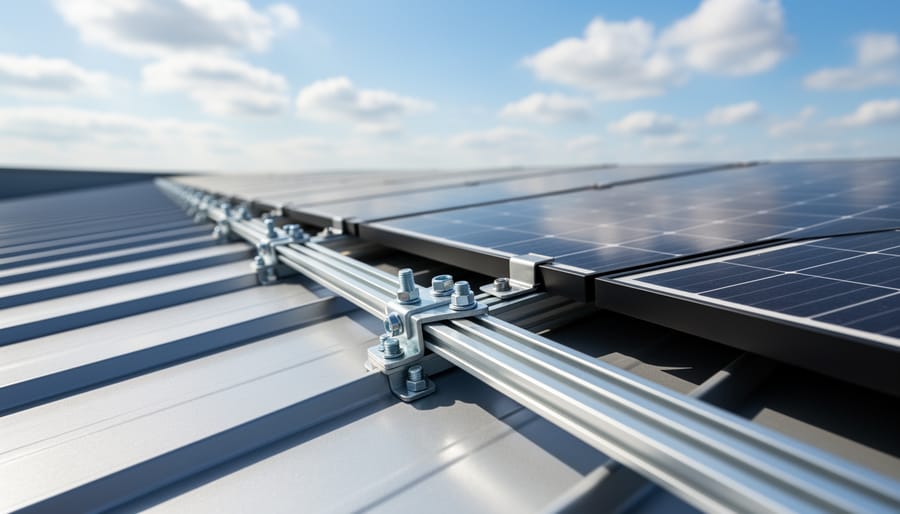
Standing seam roof clamps revolutionize how homeowners add solar panels to metal roofs. Unlike traditional mounting systems that drill through the roofing material, these specialized clamps grip the raised seams directly, leaving your roof surface completely intact. This non-penetrating attachment method eliminates the most common source of problems in rooftop solar installations: holes that can eventually leak.
The engineering behind these clamps is straightforward but effective. Each clamp wraps around the vertical seam of your metal roof and tightens with set screws, creating a mechanical grip that can support substantial weight. The attachment point concentrates the load on the seam itself, which is the strongest part of your roof’s structure. Quality clamps distribute solar panel weight, wind uplift forces, and snow loads across multiple seam connections, creating a secure mounting system that often outlasts the solar panels themselves.
The financial advantages extend beyond avoiding repair costs. Most metal roof warranties explicitly void coverage if you penetrate the panels, meaning a drilled installation could cost you thousands in warranty protection. Standing seam clamps preserve that warranty while adding solar capability. You also skip the expense of flashing kits, sealants, and the labor-intensive waterproofing work that penetrating mounts require. The clamps themselves cost more upfront than basic brackets, but you recoup that difference by eliminating leak prevention measures and protecting your roof’s decades-long lifespan. For homeowners with quality metal roofs, this approach makes solar installation less risky and more cost-effective over the system’s 25-year life.
Key Factors When Choosing Standing Seam Roof Clamps
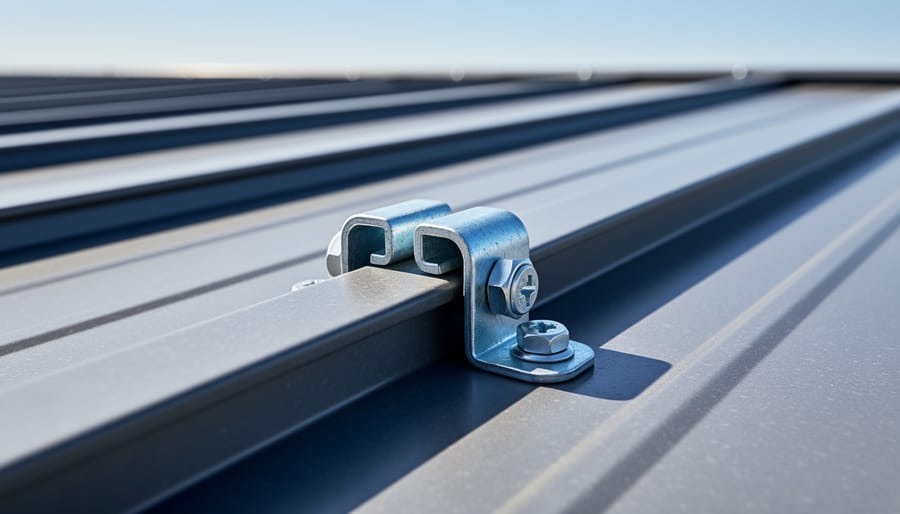
Seam Profile Compatibility
Your standing seam roof clamps will only work properly if they match your specific seam profile. Standing seam metal roofs aren’t one-size-fits-all, manufacturers produce dozens of different profiles with variations in height, width, angle, and fastening methods. A clamp designed for a two-inch vertical seam won’t secure properly on a snap-lock profile, and forcing the wrong clamp onto your roof can damage the seam or create an unstable solar array.
The correct clamp depends on the seam profile, material, and gauge of your roof. You’ll need to identify your exact profile before ordering clamps. Start by measuring your seam’s height and width, then check the angle (vertical, angled, or bulb-shaped). If you have your roofing paperwork, the manufacturer’s profile name and number will tell you exactly what you need. You can also photograph the seam from multiple angles and contact clamp manufacturers, companies like S-5! maintain detailed compatibility charts showing which clamp models fit which profiles.
Measure carefully before you buy. A mismatched clamp wastes money and delays your solar installation, while the right match creates a secure, weathertight connection that protects your roof for decades.
Material and Gauge Requirements
Material quality determines how well your clamps will perform over decades of exposure to sun, rain, and temperature extremes. The two critical components are the clamp body and the fasteners that hold everything together.
Most standing seam roof clamps use aluminum construction for the mounting base. Aluminum resists corrosion naturally, weighs less than steel, and won’t rust or stain your roof panels. The structural grade matters, look for clamps made from 6000-series aluminum alloys, which offer the strength needed to handle wind uplift and snow loads without adding unnecessary weight to your roof structure.
The hardware securing the clamp to your roof seam should be stainless steel. These set screws and bolts won’t corrode when they contact aluminum panels, and they maintain clamping force year after year without degrading. Cheap zinc-plated or galvanized fasteners can fail prematurely in coastal or high-humidity climates.
Your roof’s material and gauge directly influence which clamps will work. Thicker gauge metal (lower numbers like 22 or 24 gauge) requires clamps with wider set screw contact areas to distribute pressure without deforming the seam. Softer metals like aluminum or copper roofing need gentler clamping pressure than steel, so verify the clamp manufacturer’s compatibility chart lists your specific roof material. Using a clamp designed for 26-gauge steel on a 24-gauge aluminum roof can crush the seam or fail to hold securely.
Load Capacity and Structural Strength
Standing seam roof clamps face real-world forces every day: the combined weight of your solar panels, seasonal snow accumulation, and wind trying to lift the array off your roof. A typical residential solar panel weighs around 40 pounds, and a 20-panel system adds roughly 800 pounds of static load spread across the clamps. Add snow, a foot of wet snow can exert 12 to 20 pounds per square foot, and you quickly see why clamps need serious load capacity.
Structural aluminum in this context means the clamp bodies are engineered from aluminum alloys strong enough to handle these combined forces without bending or failing. Unlike decorative aluminum trim, structural-grade material maintains its shape under stress and distributes weight safely to the roof seam. Quality clamps also account for wind uplift, which creates suction forces that can exceed gravity loads during storms.
When evaluating clamps, look for manufacturers who publish load ratings and specify the aluminum alloy used. Clamps designed for solar applications should handle both vertical (gravity and snow) and lateral (wind) forces without compromising the seam’s structural integrity. The right clamp doesn’t just hold panels in place, it transfers forces safely through the attachment point to the roof structure beneath.
Weather-Tight Sealing
Quality standing seam roof clamps preserve your metal roof’s weather protection while securing solar panels, a critical balance that protects your home investment. The clamp’s design allows it to grip the seam firmly without penetrating the roof panel, which means there are no holes to compromise the roof’s waterproof barrier. This non-penetrating attachment method maintains the factory seal of your metal roofing, keeping water, snow, and ice from infiltrating your home’s structure.
The best clamps include rubber or neoprene inserts that cushion the metal-to-metal contact between the clamp and the standing seam. These inserts prevent the clamp from damaging the roof coating during installation or as the roof expands and contracts with temperature changes. They also create a weather-tight seal around the attachment point, adding an extra layer of protection against moisture intrusion.
This weatherproofing matters tremendously for long-term performance. A properly installed clamp system won’t void your roof warranty because it doesn’t compromise the roof’s integrity. You avoid the leak risks and potential water damage that come with penetrating mounting systems, which means lower maintenance costs and peace of mind throughout your solar array’s 25-year lifespan.
Types of Metal Roof Clamps Compared
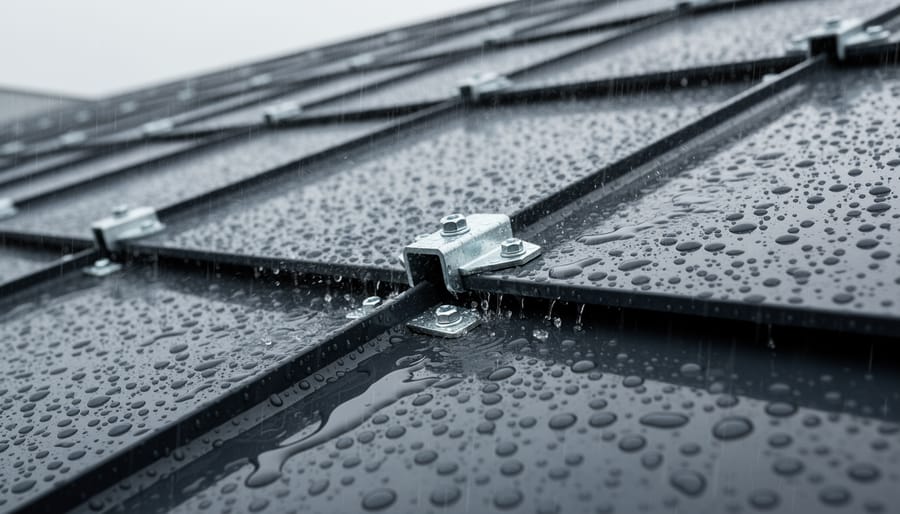
When choosing metal roof clamps for your solar installation process understanding the two main categories helps you select the right attachment system for your roof type. Standing seam clamps and exposed-fastened brackets serve the same purpose, securing solar panels and other rooftop equipment, but they’re engineered for fundamentally different roof profiles and use distinct attachment methods.
Standing seam clamps attach directly to the raised vertical seams of standing seam metal roofs without penetrating the roof panel. These clamps grip the seam itself, using the seam’s structural integrity to support the load. The design preserves your roof’s waterproof barrier because no holes are drilled through the metal panels. This non-penetrating approach protects manufacturer warranties and eliminates leak points that could compromise your home’s envelope.
Brackets, by contrast, are designed for exposed-fastened, trapezoidal-rib, and corrugated metal roofs, profiles that lack standing seams. These systems attach using fasteners that penetrate the roof panel at specific points, typically at the high ribs where water is less likely to pool. The brackets are shaped to match the corrugated or ribbed profile of your roof, creating a secure mounting surface for solar racking.
| Clamp Type | Roof Compatibility | Attachment Method | Best Use Case |
|---|---|---|---|
| Standing Seam Clamps | Standing seam metal roofs | Non-penetrating grip on seam | Preserving roof warranty and integrity |
| Exposed-Fastened Brackets | Corrugated, trapezoidal-rib, R-panel | Fasteners through panel at ribs | Roofs without standing seams |
The choice between clamps and brackets isn’t a matter of preference, it’s dictated by your existing roof profile. If you have a standing seam roof, clamps are the appropriate solution. If your metal roof has exposed fasteners or corrugated ribs without vertical seams, you’ll need brackets designed for that specific profile. Matching the attachment system to your roof type ensures both structural security and long-term weather protection for your solar investment.
Guardian Fall Protection 10600 Standing Seam Roof Clamp

The Guardian Fall Protection 10600 Standing Seam Roof Clamp offers homeowners a dedicated solution for securing solar panels to metal roofs without compromising the roof’s weatherproof seal. This model attaches directly to the raised seams of standing seam profiles, eliminating the need to drill holes through the roofing material and preserving your roof warranty while planning for safety in your solar installation.
The clamp features an aluminum construction that resists corrosion in outdoor environments, paired with stainless steel hardware designed to maintain secure attachment through seasonal temperature changes and weather exposure. This combination ensures long-term durability without rust staining your roof panels. The design allows the clamp to grip the seam firmly while distributing the load of your solar array across the roof structure.
With a customer rating of 4.3 out of 5 from 80 customer ratings, the Guardian Fall Protection 10600 has earned solid user approval for residential installations. Buyers appreciate its straightforward attachment method and reliable performance in supporting solar equipment. The clamp works best when matched to your specific seam profile dimensions, so verify compatibility with your roof’s seam geometry before purchasing to ensure a secure fit that won’t slip or damage the standing seam profile over time.
12PCS Standing Seam Roof Clamps

The 12PCS Standing Seam Roof Clamps set offers homeowners a cost-effective option when tackling larger residential solar installations where individual clamps would prove more expensive. This multi-pack delivers enough clamps to secure a typical four-to-six panel array, eliminating the need for multiple separate orders and simplifying project planning.
With a 4.6 out of 5 rating from 44 customer reviews, this set has earned solid homeowner satisfaction. Customers appreciate getting all the clamps they need in one package, which streamlines the purchasing process and ensures consistent quality across the entire installation. The quantity advantage becomes particularly valuable for do-it-yourselfers who’ve carefully planned their panel layout and know exactly how many attachment points their system requires.
These clamps attach directly to standing seam profiles without penetrating your roof, preserving the weather-tight integrity that metal roofs are known for. The aluminum construction resists corrosion over decades of exposure to rain, snow, and UV radiation. Each clamp grips the seam mechanically, distributing solar panel weight across the roof structure rather than concentrating stress at fastener points.
For homeowners installing eight or more panels, the 12-pack format eliminates the guesswork of ordering multiple smaller sets. You’ll have enough clamps for proper spacing while keeping a spare or two for future expansion. This practical approach to packaging reflects real-world installation needs, making it easier to complete your solar project without delays.
S-5!
S-5! has built a strong reputation in the metal roofing industry by engineering attachment solutions that specifically prioritize roof integrity. Unlike generic hardware that treats metal roofs as convenient anchor points, S-5! designs every clamp and bracket around a core principle: secure your equipment without compromising the weatherproof envelope that protects your home. This philosophy matters when you’re adding solar panels, snow guards, or other accessories to a roof that could last 50 years with proper care.
The company manufactures distinct product lines for different roof types. Their clamps attach to standing seam profiles without penetrating the metal, gripping the seam itself to create a secure mount. Their brackets, by contrast, are shaped for exposed-fastened, trapezoidal-rib, and corrugated roofs where fasteners are part of the design. For solar installations on standing seam roofs, you’ll focus on their clamp range, which includes multiple models engineered for different seam profiles, materials, and gauges. Each clamp uses the mechanical advantage of the seam’s vertical ribs to hold equipment in place through compression and friction rather than holes.
S-5-S
The S-5-S is an aluminum mounting base engineered specifically for non-penetrating attachment to standing seam metal roofs. Unlike brackets that require drilling, this clamp secures directly to the seam itself, preserving your roof’s weather-tight integrity while providing a stable foundation for solar panel mounting rails. The design eliminates leak risk and maintains your roof warranty, two major concerns for homeowners adding solar equipment.
What makes the S-5-S popular for residential solar projects is its straightforward installation and proven track record. The aluminum construction resists corrosion in outdoor environments, and the clamp’s engineering distributes load forces along the seam rather than concentrating stress at a single penetration point. This matters for long-term durability, especially in areas with heavy snow or high winds.
The S-5-S is available in convenient pack sizes for residential installations. Amazon currently lists a 5-pack at $54.95 (about $11 per clamp), making it accessible for smaller solar arrays. You’ll need to verify that your standing seam profile matches the S-5-S specifications before purchasing, as different seam geometries require different clamp models. Working with a qualified solar installer ensures you select the correct clamp for your specific roof configuration and calculate the proper quantity for your panel layout.
S-5-U
The S-5-U stands out as the most universally compatible clamp in the S-5! lineup, fitting approximately 85% of standing seam profiles manufactured in North America. This broad compatibility makes it an excellent starting point for homeowners who aren’t certain about their exact seam profile or who want a reliable option that works across most common configurations.
The clamp’s design accommodates variations in seam width and height, which means you’re less likely to encounter fitment issues during installation. This versatility proves particularly valuable if you’re planning a solar installation on a roof whose exact specifications are difficult to verify, or if your installer needs a single clamp model that can work across multiple projects without maintaining separate inventory for each seam type.
For residential solar installations, the S-5-U offers a practical balance between compatibility and performance. Its setscrew attachment mechanism secures firmly to the seam without requiring roof penetration, maintaining your metal roof’s weather-tight integrity while providing a stable mounting base for PV racking systems. The wide profile coverage also simplifies the procurement process, as you won’t need to navigate through multiple specialized models to find the right fit.
S-5-Z
The S-5-Z represents S-5!’s engineered solution for structural aluminum attachment where demanding applications require enhanced load capacity. This clamp pairs a robust aluminum body with stainless steel hardware, a combination that resists corrosion while maintaining strength under significant wind and snow loads. Homeowners considering the S-5-Z for their solar installations typically face conditions that exceed standard clamp ratings, think homes in heavy snowfall regions or properties with expansive panel arrays that create substantial uplift forces.
The structural aluminum construction delivers higher working loads than lighter-duty options, making the S-5-Z suitable for commercial-scale residential projects or areas with extreme weather exposure. The stainless hardware ensures fastener integrity over decades of thermal cycling and moisture exposure, preventing the galvanic corrosion that can occur when dissimilar metals contact each other.
One critical limitation: S-5! specifically excludes copper and copper-bearing materials from compatibility with the S-5-Z. If your standing seam roof uses copper or certain specialty alloys, this clamp won’t work regardless of profile fit. Always verify your roof material before purchasing, as copper roofs require different attachment solutions that prevent galvanic reactions between the clamp and roofing material.
S-5-T
The S-5-T shares the same structural aluminum construction and stainless steel hardware design as the S-5-Z, making it another engineered option for demanding solar installations. Like its counterpart, the S-5-T delivers the strength needed to handle significant panel loads, wind forces, and snow accumulation over time.
The key difference lies in profile compatibility. The S-5-T fits a different set of standing seam configurations than the S-5-Z, so identifying your exact roof profile before ordering matters. This isn’t a universal clamp that works on any seam, it’s precisely engineered for specific profiles where it creates a secure, weather-tight connection without penetrating the roof panel.
The stainless hardware resists corrosion in outdoor conditions, which matters for a component that needs to perform reliably for 25 years or more. The structural aluminum body maintains its integrity through temperature swings and UV exposure.
One consideration: like the S-5-Z, the S-5-T is not compatible with copper roofing materials due to galvanic corrosion risks. If you have a copper standing seam roof, you’ll need to explore alternative attachment solutions. For compatible profiles, the S-5-T offers the same engineering rigor and roof-protection philosophy that defines the S-5! product line, just tailored to a different set of seam geometries.
stainless hardware
Stainless steel hardware forms the critical connection point in any standing seam roof clamp assembly. These fasteners, typically set screws and bolts, must withstand decades of exposure to rain, snow, UV radiation, and temperature swings without corroding or loosening. Inferior hardware can rust through in just a few years, compromising the structural integrity of your entire solar array and potentially damaging your roof.
Quality clamps use 300-series stainless steel (often 304 or 316 grade) specifically because these alloys resist corrosion in outdoor environments. This matters for solar installations that need to perform reliably for 25 years or more. When hardware corrodes, it doesn’t just fail gradually, it can seize inside the clamp mechanism, making future adjustments impossible, or weaken suddenly under load during a storm.
Professional installers recognize that cutting corners on fastener quality creates long-term headaches. Following proven installation secrets means investing in clamps with documented stainless hardware rather than zinc-plated or unspecified materials that may look identical when new but perform very differently after five winters.
Common Mistakes to Avoid
Choosing the wrong clamps can compromise your solar array’s security and void your roof warranty, so it’s worth understanding the common pitfalls. Homeowners often rush into purchases without verifying their specific seam profile, only to discover their clamps don’t fit properly when installation day arrives. This seemingly simple oversight creates costly delays and requires ordering replacements.
Mismatching seam profiles ranks as the single most frequent error. Many assume all standing seam roofs are identical, but dozens of profile variations exist across manufacturers. A clamp designed for a 1-inch seam won’t secure properly to a 1.5-inch profile, creating both safety risks and potential panel damage during windstorms. Before ordering any clamps, measure your seam dimensions carefully or consult your roofing documentation.
Material mismatches represent another serious mistake. Some homeowners select clamps with incompatible materials, such as using steel hardware on aluminum roofing, which accelerates galvanic corrosion. The S-5-Z explicitly excludes copper roofs for this reason. Always verify that your clamp materials work with your specific roof composition.
Overlooking load requirements causes problems down the line. Solar panels, mounting equipment, and accumulated snow create substantial weight that your clamps must support. Skimping on structural capacity to save a few dollars risks panel detachment or seam damage during heavy weather events.
Finally, many people ignore ongoing maintenance needs after installation. Regular inspections ensure clamps remain tight and functional throughout your system’s 25-year lifespan. Following basic solar maintenance tips includes checking clamp integrity annually, particularly after severe storms.
Our Recommendations for Different Scenarios
For small residential installations with fewer than 10 panels, the S-5-S five-pack offers an affordable starting point that covers basic attachment needs without over-purchasing. These aluminum mounting bases work well when you have verified your seam profile matches their compatibility range, and they provide reliable non-penetrating attachment for typical home solar arrays. Homeowners adding 15-20 panels should consider the 12PCS Standing Seam Roof Clamps set, which eliminates the need for multiple small orders and ensures consistent hardware across the installation.
Your seam profile determines everything. If you have one of the approximately 85% of North American standing seam profiles, the S-5-U offers the widest compatibility and reduces the risk of ordering the wrong product. For less common profiles or applications requiring maximum structural strength, the S-5-Z provides engineered capacity for demanding installations, though you’ll need to verify material compatibility since it excludes copper roofs.
- Budget-conscious projects: Start with the S-5-S five-pack at $54.95 and expand as needed rather than over-buying initially
- Large arrays (20+ panels): The 12PCS set provides better per-unit value and ensures you have extras for spacing adjustments during installation
- Uncertain seam profile: Choose the S-5-U for its broad compatibility, reducing the chance of ordering incompatible hardware
- High wind or snow load areas: Opt for structural aluminum options like the S-5-Z or S-5-T that handle demanding conditions
- DIY-friendly installations: Guardian Fall Protection 10600 clamps receive strong customer ratings for straightforward residential applications
Work with your installer to confirm exact clamp requirements before ordering. Most professionals can identify your seam profile and calculate the precise number of clamps based on panel layout, local building codes, and expected environmental loads. This upfront verification prevents costly returns and installation delays.
Frequently Asked Questions
Homeowners considering standing seam roof clamps for solar often have practical questions about compatibility, installation, and long-term performance. Here are answers to the most common concerns that come up during the planning phase.
Can I install standing seam roof clamps myself?
While the clamps themselves attach without drilling, installing a complete solar array involves structural calculations, electrical work, and safety considerations that require professional expertise. Most homeowners hire qualified solar installers who have the training and equipment to work safely on roofs and ensure proper load distribution.
How do I know which clamp fits my roof?
The correct clamp depends on your standing seam profile, roof material, and gauge. You’ll need to identify your specific seam shape, manufacturers like S-5! provide compatibility charts that match clamp models to common profiles, and a solar installer can measure your roof to confirm the right fit.
Will clamps void my roof warranty?
Quality standing seam roof clamps actually help preserve your warranty because they attach without penetrating the roof panels. Many metal roof manufacturers approve non-penetrating clamps, but you should verify this with your specific roof warranty before installation.
How many clamps do I need for my solar array?
The number depends on your panel count, roof pitch, local wind and snow loads, and the specific clamp’s rated capacity. Your solar installer will calculate the exact quantity based on engineering requirements, most residential installations use multiple clamps per rail to distribute weight safely across the seams.
These questions reflect the practical realities of adding solar to a metal roof. The good news is that standing seam systems make solar installation more straightforward than many other roof types, since the seams provide built-in attachment points. Working with an experienced installer who understands both solar mounting and metal roof systems ensures you get the right clamps for your specific situation and that they’re installed to protect both your roof and your solar investment for decades to come.
Choosing the right standing seam roof clamps protects both your solar investment and your roof’s long-term integrity. When you select clamps matched to your seam profile, built from quality materials, and engineered for your local weather conditions, you’re ensuring your solar panels stay secure for decades without compromising the watertight barrier your metal roof provides. That peace of mind is worth the research effort.
Working with qualified solar installers who understand metal roof attachment makes the entire process smoother. They’ll verify your seam profile, calculate structural loads properly, and install clamps that meet engineering standards. You’ll avoid the common pitfalls that lead to leaks, roof damage, or premature system failures.
The good news? Standing seam metal roofs are exceptionally well-suited for solar installations. The non-penetrating clamp design means you can add clean energy generation without drilling holes or voiding warranties. You’re preserving your roof while reducing energy bills and cutting carbon emissions.
As solar technology becomes more accessible and affordable, metal roof owners have a clear advantage. Your roof is already solar-ready, you just need the right clamps to make it happen safely and effectively.
This article contains affiliate links. If you make a purchase through them, we may earn a commission. As an Amazon Associate I earn from qualifying purchases.