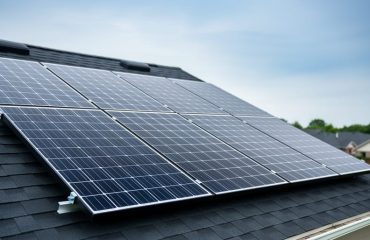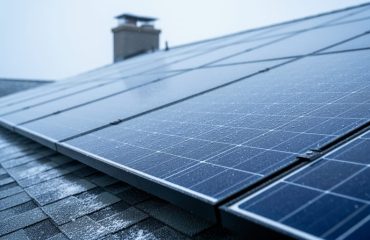
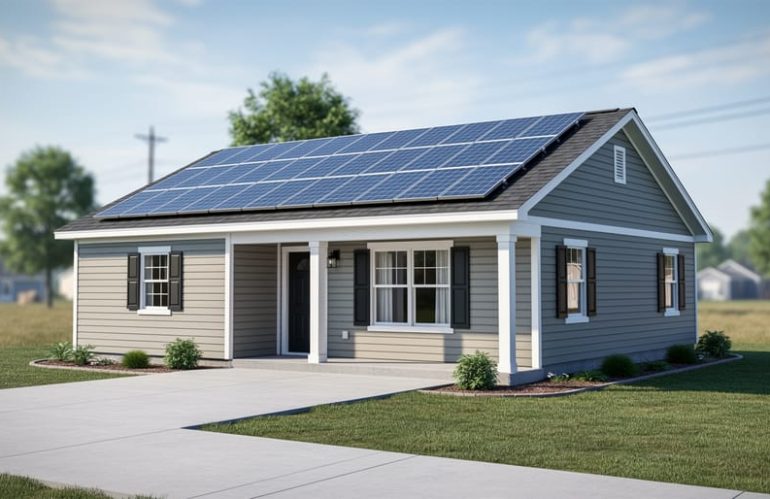
A mobile home solar panel system is a photovoltaic installation designed specifically for manufactured or modular homes, converting sunlight into electricity to power appliances, heating, cooling, and other electrical needs. These systems work exactly like traditional residential solar installations but account for the unique structural characteristics of mobile homes, including lighter roof loads, different mounting requirements, and sometimes smaller available surface areas.
If you live in a manufactured home, you’ve probably heard that solar isn’t an option for you. That’s simply not true. Mobile homes can absolutely support quality solar installations, and thousands of homeowners are already proving it works. The key difference isn’t whether solar is possible, but how the system gets installed and configured to match your home’s specifications.
The financial benefits remain just as compelling. Mobile homeowners typically see the same 20 to 30 percent reduction in monthly electricity costs that traditional homeowners enjoy, with federal tax credits and state incentives applying equally to manufactured housing. Since many mobile home residents face higher per-kilowatt-hour electricity rates in rural areas, the savings can actually add up faster than in suburban settings.
This guide walks you through everything you need to know: how these systems actually work on manufactured homes, what components you’ll need, the different installation options available (roof-mounted, ground-mounted, or portable), and real-world applications that demonstrate reliability and performance. Whether you’re concerned about structural integrity, worried about voiding warranties, or just curious if the investment makes sense, you’ll find clear, practical answers ahead.
What a Mobile Home Solar Panel System Means for You
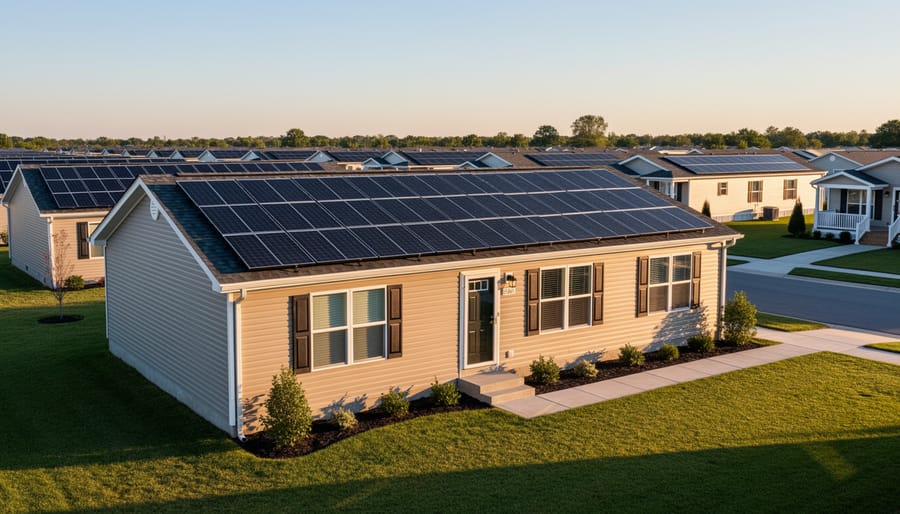
A mobile home solar panel system is a photovoltaic installation specifically engineered for manufactured housing, taking into account the unique structural characteristics, weight limitations, and installation challenges that standard residential solar setups don’t address. These systems generate electricity from sunlight just like traditional home solar arrays, but they’re designed with lighter mounting hardware, flexible installation options, and configurations that work within the constraints of mobile home construction.
The core difference lies in how these systems account for manufactured housing realities. Mobile homes typically have metal roofs with wider rafter spacing, thinner roof decking, and lower overall weight capacity than site-built houses. A standard residential solar installation might add 2.5 to 4 pounds per square foot to your roof, but mobile home roofs often can’t safely support that load without reinforcement. That’s why mobile home solar systems use specialized mounting brackets that distribute weight across multiple roof trusses, or why many installers recommend ground-mounted arrays instead.
Understanding a few key terms helps clarify what you’re actually getting:
- Manufactured Home
- A factory-built residence constructed to HUD code standards, transported to a site on a permanent chassis. These homes have specific structural engineering that differs from traditional stick-built houses.
- Roof Load Capacity
- The maximum weight per square foot your mobile home roof can safely support, typically lower than site-built homes and requiring careful calculation before installing rooftop panels.
- Ground-Mount System
- Solar panels installed on racking structures placed on the ground near your home rather than on the roof, often the preferred option for mobile homes with structural or space constraints.
- Tilt-Up Mount
- A mounting system that allows panels to be angled for optimal sun exposure, particularly useful for mobile homes with low-slope or flat roofs.
- Panel Micro-Inverter
- A small inverter attached to each individual solar panel that converts DC power to AC power, offering flexibility for mobile home installations with shading or orientation challenges.
Land ownership presents another crucial distinction. If you own both your mobile home and the land beneath it, you face fewer complications installing solar. You can choose roof or ground mounts, apply for permits like any homeowner, and potentially qualify for property tax exemptions on the solar equipment. However, if you lease a lot in a mobile home park, you’ll need landlord approval before installation, and ground-mount systems may not be feasible. Some parks have restrictions on exterior modifications, while others actively encourage solar as it reduces strain on park electrical infrastructure.
Mobile home solar systems are purpose-built solutions, not compromised versions of residential solar. They deliver the same clean energy and cost savings, just through engineering tailored to how your home is actually constructed.
How Mobile Home Solar Panel Systems Work
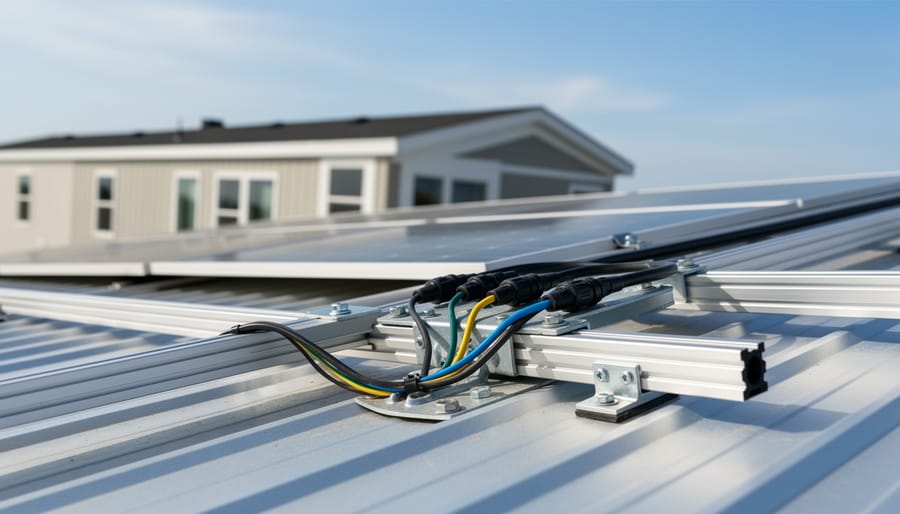
Solar panels on your mobile home work the same way they do on any building, they turn sunlight into usable electricity through a straightforward process.
When sunlight hits the solar panels on your roof or ground mount, the photovoltaic cells inside create direct current (DC) electricity. This happens continuously during daylight hours, even on cloudy days, though you’ll get more power when the sun shines brightly.
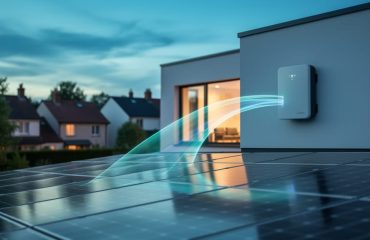
That DC electricity flows from your panels down to an inverter, typically mounted on an exterior wall or inside a utility space. The inverter’s job is converting DC power into alternating current (AC) electricity, which is what your refrigerator, air conditioner, and other appliances actually use.
From the inverter, the electricity goes directly to your mobile home’s electrical panel (your breaker box). This is the same panel that used to receive all its power from the utility company. Now it draws from your solar panels first, using them to run whatever’s turned on in your home at that moment.
Here’s where it gets practical: when your panels produce more electricity than you’re using, say, on a sunny afternoon when you’re not home, that excess power flows back through your meter to the utility grid. Your meter literally spins backward, and you get credited for that power through net metering. These credits offset what you pull from the grid at night or on cloudy days when your panels aren’t producing enough.
If you add battery storage to your system, excess power charges your batteries first before sending anything to the grid. You can then use that stored energy after sunset instead of drawing from the utility company.
The beauty of this setup is its simplicity. Once installed, the system runs automatically with no input from you, quietly cutting your electric bill every single day.
Mobile Home Solar System Components and Options
Roof-Mounted Systems
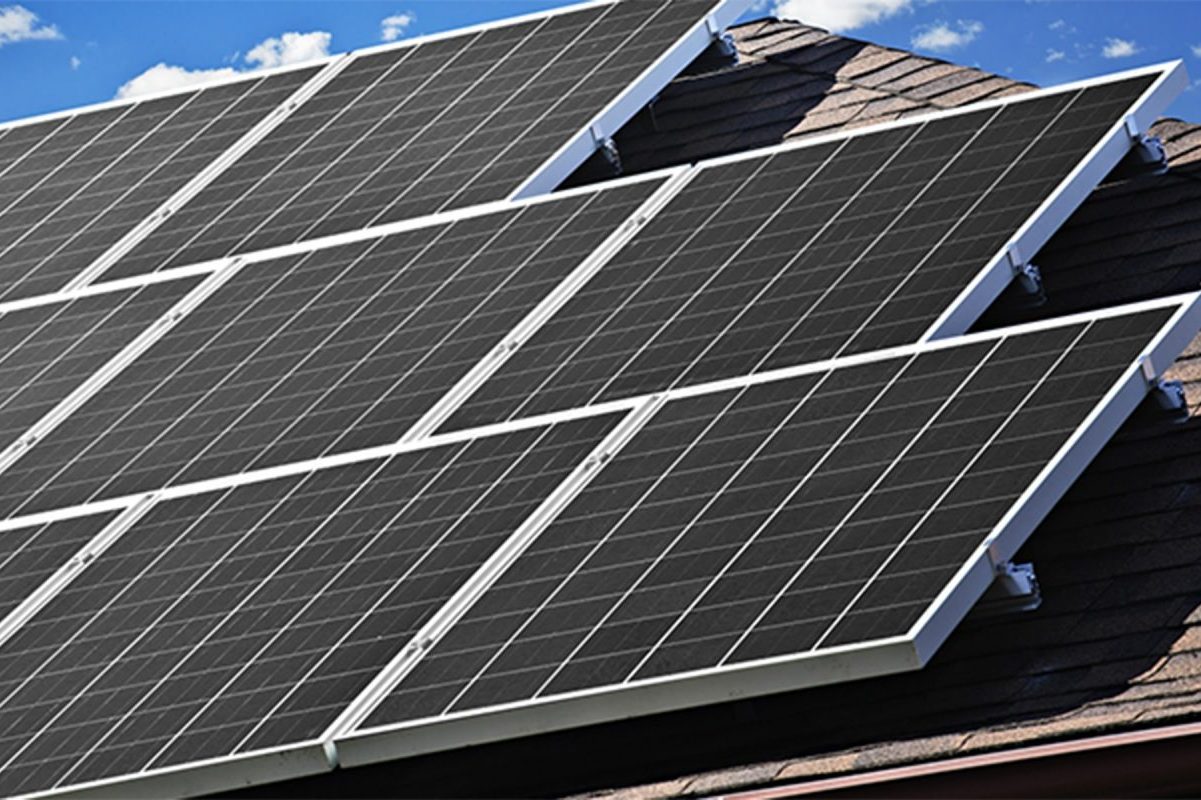
Roof-mounted systems attach solar panels directly to your mobile home’s existing roof structure, making them the most common choice for homeowners who own their lot and have suitable roof space. The key difference from traditional homes is weight: manufactured home roofs typically support 20-40 pounds per square foot, so installers must carefully distribute panel weight across multiple roof trusses rather than concentrating it in one area.
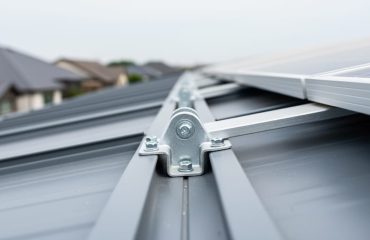
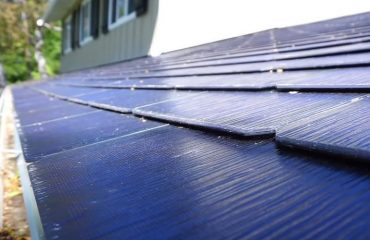
Most mobile homes have metal roofs, which require specialized mounting brackets that clamp to the standing seams without penetrating the roofing material. These non-penetrating mounts preserve your roof’s weather seal while creating secure attachment points. For homes with shingle roofs, installers use flashed mounting feet similar to traditional residential systems, but they must locate roof trusses precisely and often reinforce attachment points with backing plates.
Roof reinforcement isn’t always necessary, but it depends on your home’s age and condition. Older mobile homes or those with sagging rooflines may need additional structural support before panels go up. A qualified installer will assess your roof’s load capacity during the site evaluation and recommend reinforcement only if needed. The good news: metal roofs on newer manufactured homes often handle solar panels without modification, especially when using lightweight modern panels that weigh around 40 pounds each.
Ground-Mounted Systems
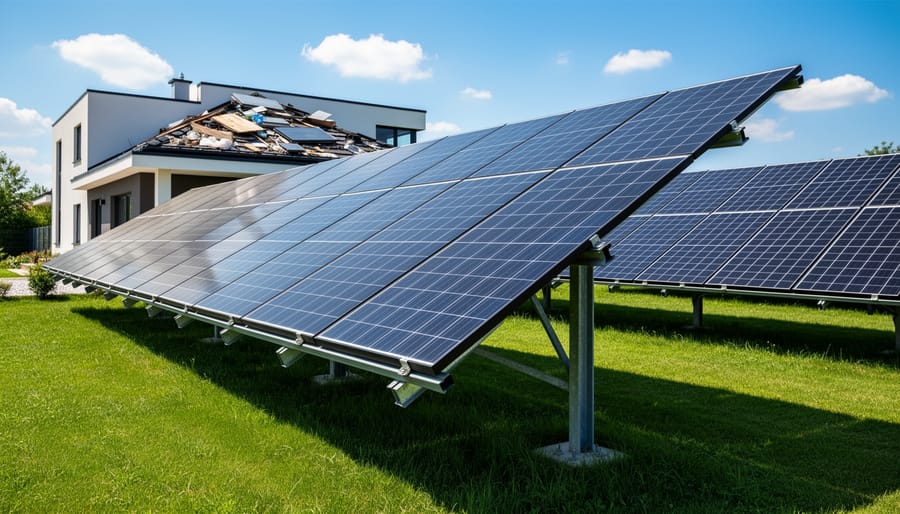
Ground-mounted solar arrays offer an excellent alternative when roof installation isn’t practical or when you own the land your mobile home sits on. These systems place panels on sturdy metal racking anchored directly into the ground, typically 10 to 50 feet from your home.
Ground mounts work especially well if your mobile home has a shaded roof, limited roof space, or structural concerns about adding weight. They’re also ideal when your roof faces the wrong direction, you can position ground arrays for optimal sun exposure regardless of how your home sits. Many mobile homeowners with larger lots prefer ground systems because panels are easier to clean, maintain, and expand in the future.
The racking systems use either driven posts or concrete footings to anchor the frame. Most installers position panels facing true south (in the Northern Hemisphere) at your location’s ideal tilt angle. You’ll need sufficient yard space and local permission, but the electrical connection to your home’s panel works the same as roof-mounted systems. Ground mounts typically cost slightly more due to additional materials and trenching for conduit, but they often produce more electricity because positioning is optimized.
Reliability and Durability Considerations for Mobile Homes
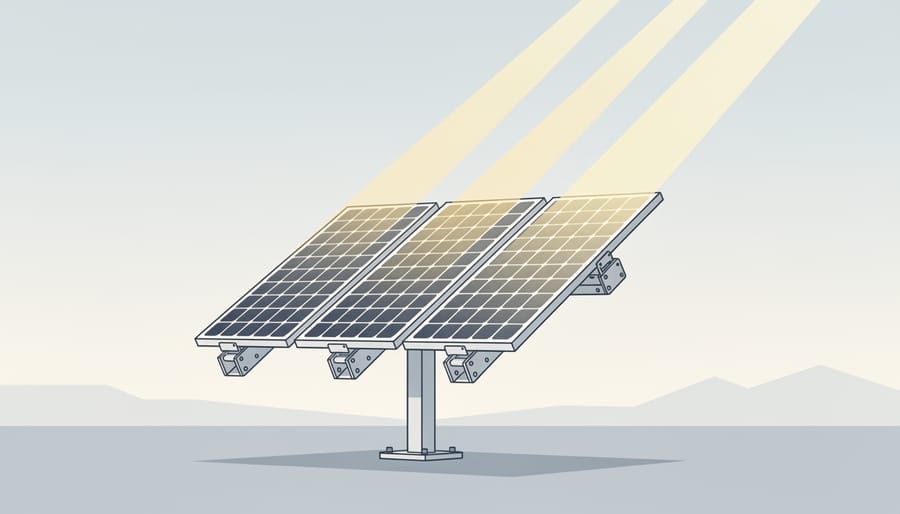
Mobile home solar systems are built to last just as long as traditional residential installations. Modern panels installed on manufactured homes regularly operate efficiently for 25 to 30 years, which is the same lifespan you’ll find for how long solar panels last on site-built houses. The myth that mobile homes can’t handle durable solar installations stems from outdated assumptions about manufactured housing quality, not actual performance data.
Weather resistance is where mobile home systems truly shine when properly installed. Panels rated for manufactured housing must meet stricter wind load requirements because mobile homes sit lower to the ground and can experience different wind patterns than two-story houses. Quality installers use mounting systems specifically designed for metal roofs and the unique structural characteristics of manufactured homes, with reinforced attachment points that distribute weight evenly across roof trusses. These systems routinely withstand hurricanes, heavy snow loads, and extreme temperature swings without issue.
The expansion and contraction that mobile homes experience with temperature changes is a legitimate consideration, but modern mounting hardware accounts for this movement. Flexible mounting brackets and proper spacing allow the solar array to move slightly with the home’s natural flex, preventing stress on both the roof and the panels. This engineering detail actually makes mobile home systems more resilient in some conditions than rigid installations on conventional homes.
Manufacturers back their confidence with the same solar panel warranties offered to all homeowners: typically 25-year performance guarantees and 10 to 12-year equipment warranties. Your mobile home status doesn’t affect warranty coverage or the panels’ fundamental durability. The key is working with installers who understand manufactured housing and use components rated for your home’s specific structural requirements.
How Mobile Homeowners Use Solar Panels
Mobile homeowners across the country use solar panels to solve real problems and capture opportunities that standard grid power doesn’t offer. The most immediate benefit is cutting monthly electric bills, often to zero. In mobile home parks where lot rent includes a base utility fee but you pay for usage above that threshold, solar can keep you under the cap month after month, effectively erasing that portion of your housing cost. For owners on their own land in rural areas, solar delivers true energy independence, ending reliance on sometimes-unreliable grid service and protecting against storm-related outages.
The financial advantages go beyond monthly savings:
– Monthly savings on electricity: Offset 80-100% of your electric bill, freeing up hundreds of dollars annually for other needs.
– Protection from rate increases: Lock in your energy cost at the upfront installation price, insulated from future utility hikes.
– Increased home comfort: Run your air conditioning or heating without worrying about the meter, improving quality of life year-round.
– Potential to sell excess power: Net metering programs credit you for surplus electricity sent back to the grid, further reducing costs.
– Environmental impact reduction: Eliminate tons of carbon emissions over the system’s lifetime, contributing to cleaner air and a healthier planet.
Property value also sees a lift. Even though manufactured homes traditionally appreciate differently than site-built houses, a paid-off or financed solar system signals a modern, efficient home to potential buyers. In competitive mobile home markets, solar can be the deciding factor that closes a sale faster and at a better price. Federal tax credits and state incentives sweeten the deal further, sometimes covering 30% or more of your installation cost, making the move to solar accessible for a much wider range of budgets.
Installation Requirements and What to Expect
Before you commit to a mobile home solar installation, you’ll need to navigate a few preparatory steps that differ from standard residential setups.
First, expect a thorough structural assessment. A qualified installer will inspect your roof’s condition, evaluate its load-bearing capacity, and check for any needed reinforcements. Mobile home roofs typically handle 15-20 pounds per square foot, and modern panels weigh about 2-3 pounds per square foot, well within limits, but older homes may require upgrades.
If you live in a mobile home park, you’ll need written permission from the park owner before proceeding. Some parks have restrictions on exterior modifications, while others actively encourage solar. If you own your land, you’ll skip this step entirely but may face additional permitting requirements.
Speaking of permits, most jurisdictions require electrical and building permits for solar installations. Your installer should handle this paperwork, but processing can take two to six weeks depending on your local authority. Don’t let this discourage you, it’s standard procedure.
Your electrical panel might need an upgrade if it’s outdated or undersized. Many older mobile homes have 100-amp panels, which work fine for smaller systems, but larger arrays may require a 200-amp panel upgrade to safely handle the additional power flow.
The actual installation typically takes one to three days for roof-mounted systems, or up to a week for ground mounts. You’ll then wait for utility approval and net metering setup, adding another two to four weeks.
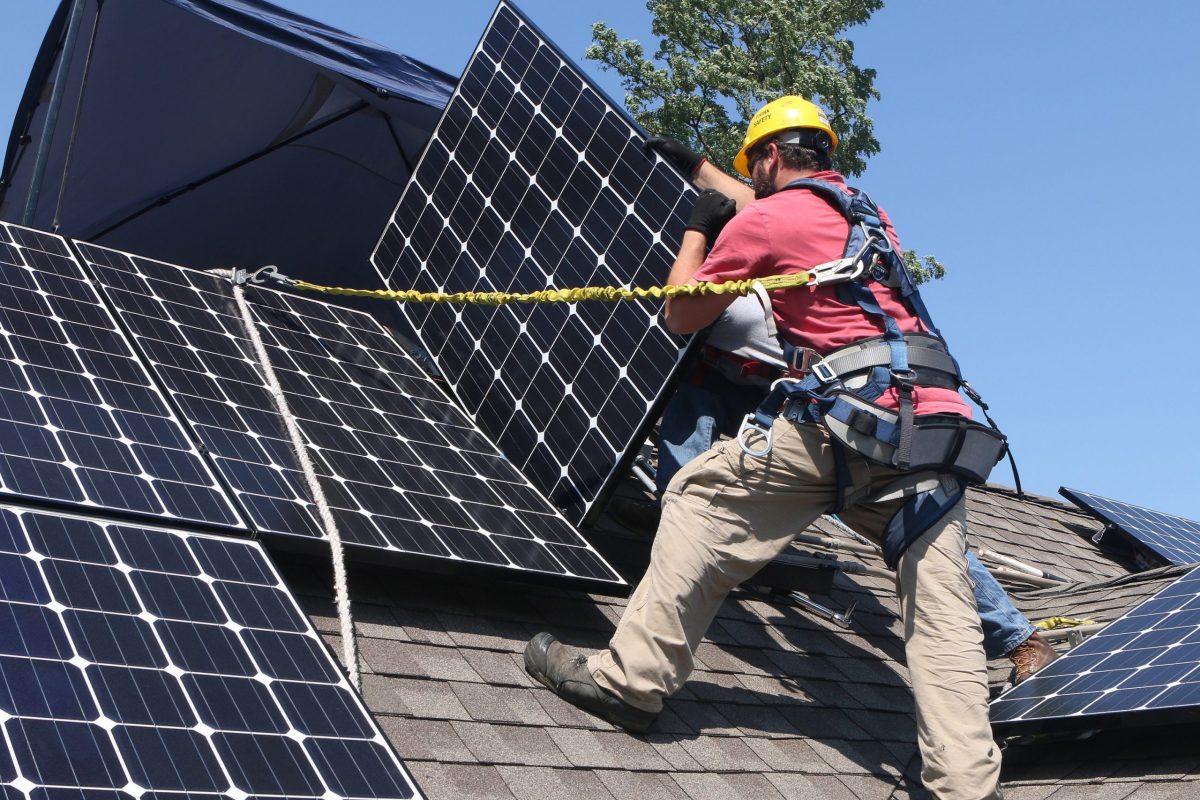
Choosing an installer experienced with manufactured homes is crucial. They’ll understand weight distribution, proper flashing techniques for metal roofs, and the specific structural considerations that generic solar companies might overlook. Once installed, following basic solar maintenance tips keeps your system producing efficiently for decades.
Cost and Financial Benefits for 2026
In 2026, a complete mobile home solar system typically costs between $8,000 and $15,000 before incentives, depending on your home’s size and energy needs. A 4-kilowatt system, enough for most single-wide mobile homes, usually runs around $10,000, while larger double-wides may need 6-8 kilowatt systems at higher prices. The upfront cost feels steep, but federal and state programs substantially reduce what you actually pay.
The financial advantages make solar accessible for mobile homeowners:
- 30% federal tax credit cuts thousands off your system cost immediately
- State and utility rebates can reduce costs by an additional $1,000-$3,000 in many areas
- Typical payback period of 5-10 years based on current electricity rates
- 25+ years of free electricity after the system pays for itself
- Protection from utility rate increases that average 3-4% annually
Financing options specifically designed for manufactured homes have improved significantly. Many installers offer zero-down solar loans with monthly payments lower than typical electric bills, meaning you start saving from day one. For mobile homeowners who don’t qualify for traditional home equity loans, specialized programs through credit unions and solar-focused lenders can approve financing based on the system itself rather than land ownership.
Your system can even move with your warranty if you relocate, and you’ll learn to reset after an outage quickly. The math works even for smaller mobile homes because every kilowatt-hour you generate is a kilowatt-hour you don’t buy.
Common Questions About Mobile Home Solar Systems
Mobile homeowners often worry that their unique housing situation makes solar impractical or risky. These concerns are understandable but usually unfounded when you work with experienced installers who understand manufactured housing.
Can my mobile home roof actually support solar panels?
Most mobile homes built after the 1980s can support roof-mounted panels when properly assessed and reinforced if needed. Installers experienced with manufactured homes evaluate your specific roof structure and use specialized mounting systems that distribute weight appropriately across the frame.
What if I don’t own the land my mobile home sits on?
You can still install solar even if you rent the land, though you’ll need written permission from the park owner or landlord. Ground-mounted systems offer more flexibility since they’re easier to relocate, and some homeowners negotiate agreements that protect their solar investment.
Will installing solar panels void my home’s warranty?
Solar installation typically won’t void your entire home warranty, but roof penetrations might affect roof-specific coverage. Review your warranty documents and discuss potential impacts with both your warranty provider and solar installer before proceeding.
Can I take the solar system with me if I move the mobile home?
Yes, solar systems can be removed and reinstalled, though it adds cost and complexity. Ground-mounted systems are easier to relocate than roof-mounted ones, and you’ll need to factor in removal, transport, and reinstallation expenses when planning.
Insurance concerns also come up frequently. Most homeowners insurance policies cover solar panels as part of your property, but you should notify your insurer about the addition and confirm coverage limits. The panels typically increase your home’s value, which might slightly raise your premium, but the added coverage protects your investment.
Mobile home park rules vary significantly. Some communities actively encourage solar installations while others restrict them, so check your park’s regulations early in your planning process. If your park doesn’t allow roof mounts, ground-mounted systems installed on your lot might still be permitted. Getting approval in writing prevents headaches later and protects your investment if park management changes.
Mobile home solar panel systems have proven themselves as reliable, durable solutions that deliver real financial benefits and energy independence for manufactured homeowners. The technology works the same way it does on traditional homes, converting sunlight into clean electricity that powers your daily life while cutting or eliminating your electric bills.
Whether you choose roof-mounted panels or a ground array, systems designed specifically for mobile homes can withstand weather extremes, adapt to structural movement, and last 25 years or more with minimal maintenance. The upfront investment pays for itself through energy savings, federal tax credits, and state incentives, making solar accessible even for smaller manufactured homes.
Beyond the dollars saved, going solar means taking control of your energy costs, reducing your environmental footprint, and contributing to a cleaner grid. For mobile homeowners ready to explore solar, the next step is scheduling a professional assessment with an installer experienced in manufactured housing. They’ll evaluate your roof structure, energy needs, and site conditions to design a system that fits your home perfectly.
Solar isn’t just for stick-built houses anymore. Mobile homeowners deserve the same access to affordable, sustainable energy, and the technology is ready when you are.