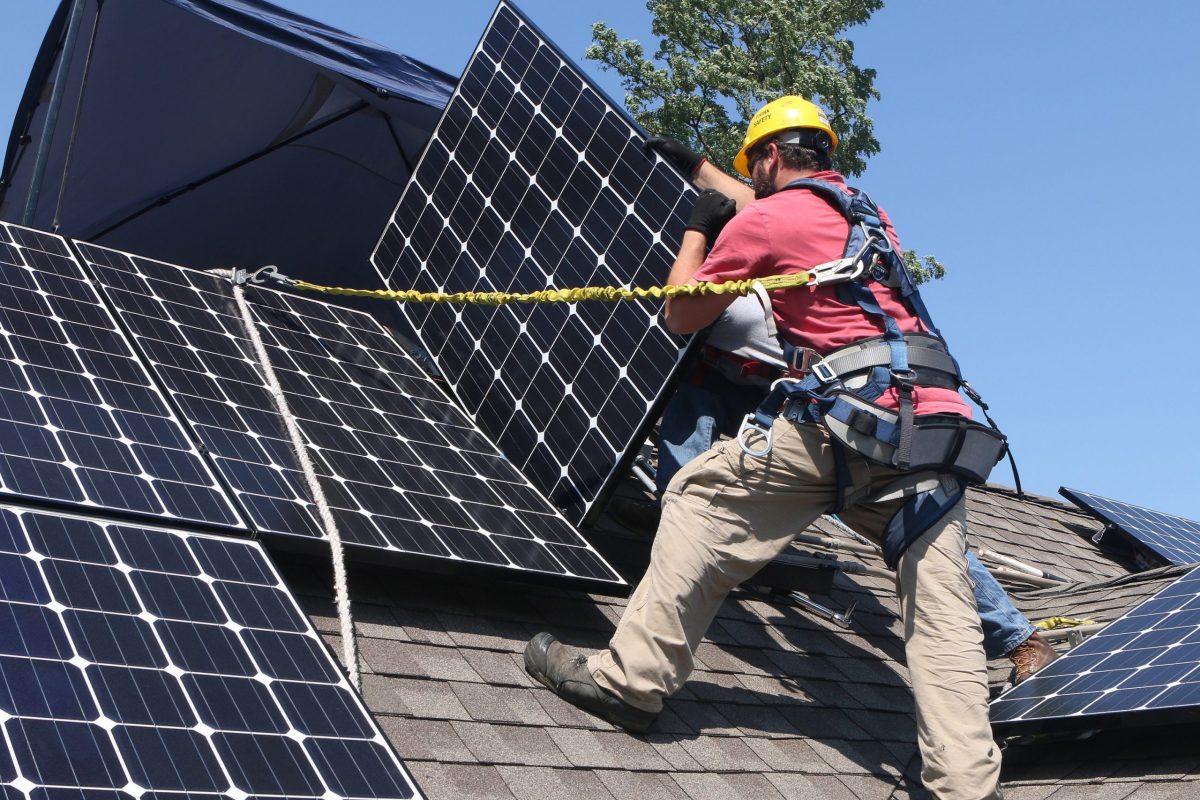
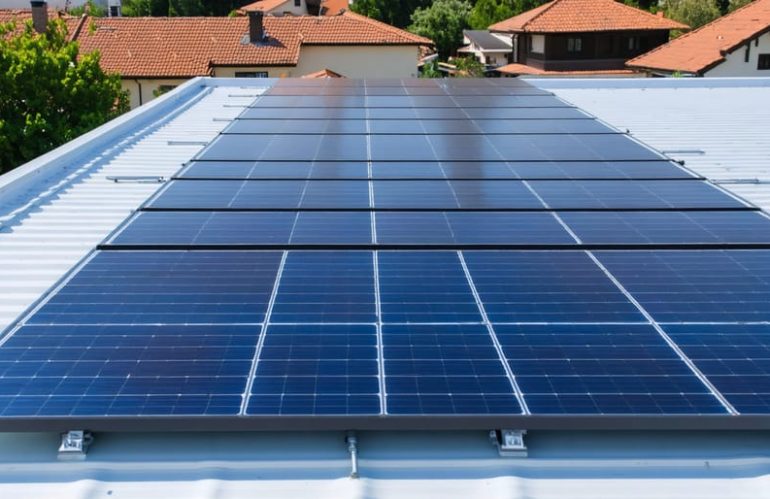
Protecting your solar investment requires understanding the true cost of solar panel insurance. After installing solar panels, most homeowners can expect their annual home insurance premium to increase anywhere from a few extra dollars to a few hundred dollars monthly, depending on their state and property specifics. Because solar panels increase your home’s value, your coverage needs go up accordingly. With the average cost of homeowners insurance in the U.S. running about $2,490 a year for $400,000 worth of dwelling coverage, this slight uptick is one cost increase to plan for when going solar.
Standard homeowners insurance usually covers solar panels if you own them and they’re permanently attached to your roof. However, if you lease your solar energy system or it’s attached to the ground or an external structure like a shed, coverage may be limited or excluded from your main policy. Smart homeowners factor these solar insurance cost considerations into their installation budgets, recognizing that proper coverage safeguards their renewable energy investment against damage from storms, accidents, and other unforeseen events.
The real value of solar insurance extends beyond simple protection. It ensures your clean energy system continues generating savings even after unexpected setbacks. Most insurance providers now offer specialized solar coverage options that can be customized based on your system’s size, location, and specific needs. Understanding these options helps you make informed decisions about protecting your solar investment while maintaining the financial benefits that made you choose solar in the first place.
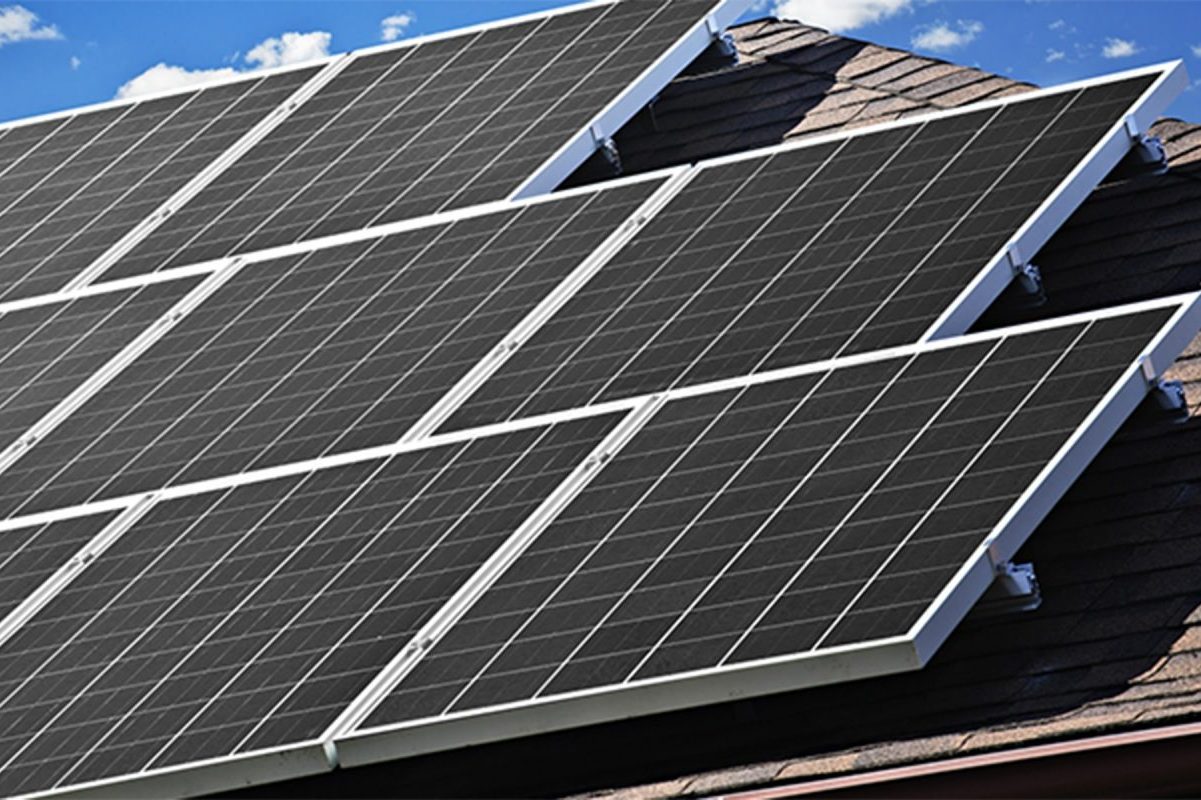
Modern residential solar installation showing professional grade panels and mounting systems.
Understanding Solar Insurance Coverage Types
Homeowners Insurance Coverage
Many homeowners are pleasantly surprised to learn that their existing homeowners insurance policy may already cover their solar panels. The impact on homeowners insurance is generally positive, as most standard policies consider solar installations as a permanent attachment to your home, similar to a new roof or built-in appliances.
Homeowners insurance usually covers solar panels if you own them and they’re permanently attached to your roof. Your panels are typically protected against common perils like fire, wind damage, and falling objects. However, coverage isn’t automatic in every situation, and understanding the specific conditions is crucial:
- Owned systems receive full coverage under standard homeowners policies, while leased solar energy systems may be excluded or require separate coverage
- Roof-mounted panels permanently attached to your home are typically covered as part of your dwelling
- Ground-mounted systems or panels attached to external structures like a shed may have limited coverage or be excluded from your main policy
- Additional coverage may be needed if your solar installation significantly increases your home’s value beyond your current dwelling coverage limits
Coverage limits and specific terms can vary between insurance providers. It’s essential to contact your insurance company to verify your existing coverage and determine if any adjustments are needed.
Some insurers may require you to increase your coverage limits to account for the added value of your solar system. Because solar panels increase your home’s value, your coverage needs and potentially your premium go up a bit, too. This adjustment usually results in a modest increase in your premium, but the extra protection is worth the peace of mind. Remember to provide your insurer with documentation about your solar installation, including professional certification and the system’s value, to ensure proper coverage.
Dedicated Solar Insurance Policies
Dedicated solar insurance policies are specifically designed to protect your investment in solar energy systems. These specialized policies offer comprehensive coverage that may not be included in standard homeowners insurance, such as protection against equipment breakdown, loss of income from reduced energy production, and damage from extreme weather events.
Many insurance providers now offer these tailored policies, recognizing the growing popularity of solar installations. These specialized plans typically cover theft, vandalism, and accidental damage, while also providing protection for inverters, panels, and mounting equipment. Some policies even include coverage for performance guarantees, ensuring you’re compensated if your system doesn’t generate the expected amount of electricity.
What sets these policies apart is their understanding of solar-specific risks and inclusion of features like debris removal, critter damage protection, and coverage for ground-mounted systems. While they may cost slightly more than adding solar coverage to your existing homeowner’s policy, the comprehensive protection and specialized coverage make them worth considering for many solar system owners.
Average Solar Insurance Costs
Premium Cost Factors
Several key factors influence the cost of insuring your solar panel system. The size and value of your installation play a primary role – larger systems with more panels typically require higher coverage limits and consequently higher premiums. Because solar panels increase your home’s value, your coverage needs go up accordingly. Installing solar panels can save you money long term, but it could increase your homeowners insurance premium. The age and quality of your equipment also matter, with newer, high-end systems often qualifying for better rates due to their reliability and warranty coverage.
Your location significantly impacts insurance costs. Areas prone to extreme weather events like hailstorms, hurricanes, or heavy snowfall may face higher premiums. Similarly, regions with higher theft rates might see increased costs for performance loss coverage and theft protection. Depending on your state and the specifics of your property, most homeowners can expect their premium to climb anywhere from a few extra dollars to a few hundred dollars a month after going solar.
The mounting system and installation method affect rates as well. Roof-mounted systems might incur different premiums compared to ground-mounted arrays, as insurers consider the structural integrity and potential risks associated with each type. Your installer’s credentials and the quality of installation can also influence costs, with professional installations by certified contractors often resulting in more favorable rates.
Your claims history and chosen deductible level will impact premiums. A higher deductible typically leads to lower monthly premiums, while a history of claims might increase costs. Many insurers also offer discounts for bundling solar panel coverage with other policies or for implementing additional safety features like monitoring systems and surge protection devices.
Regional Price Variations
Insurance costs for solar panels can vary significantly depending on your location, with several regional factors playing important roles. In areas prone to severe weather events like hurricanes or hailstorms, such as Florida or Texas, insurance premiums tend to be higher due to increased risk. Conversely, regions with milder weather patterns, like California’s central coast, often enjoy lower insurance rates.
Depending on your state and the specifics of your property, most homeowners can expect their premium to climb anywhere from a few extra dollars to a few hundred dollars a month after going solar. Urban areas typically have higher insurance costs compared to rural locations, primarily due to increased property values and replacement costs. However, states with strong solar initiatives often offer incentives or insurance discounts that can help offset these expenses. For example, some northeastern states provide special insurance programs or reduced rates for solar installations that meet specific safety standards.
Local installation regulations and building codes also influence insurance costs. Areas with strict installation requirements may have lower insurance premiums because these standards reduce the risk of damage or malfunction. Additionally, regions with high solar adoption rates often benefit from more competitive insurance markets, leading to better pricing options for homeowners.
Climate considerations affect coverage needs and costs as well. Desert regions may require additional coverage for sand and dust damage, while snowy areas might need protection against weight-related damage from snow accumulation. Coastal regions often require supplemental coverage for salt-air corrosion and hurricane protection.
To get the most accurate picture of insurance costs in your area, consult local insurance providers who understand your region’s specific challenges and requirements.
Solar installations must withstand various weather conditions, making proper insurance coverage essential.
Maximizing Your Insurance Value
Coverage Optimization Strategies
To optimize your solar insurance coverage while managing costs, a strategic approach can help you maintain comprehensive protection without overpaying. Because solar panels increase your home’s value, your coverage needs go up as well, but smart planning can keep premium increases reasonable.
Here are six actionable steps to maximize your insurance value:
- Bundle policies for discounts. Combining your solar panel coverage with your existing homeowner’s policy often results in significant savings compared to separate policies. Many insurers offer multi-policy discounts that reduce your overall premium.
- Compare multiple quotes. Shop around with at least three to five insurers before deciding. Some providers specialize in renewable energy systems and may offer more competitive rates. Remember that the average cost of homeowners insurance in the U.S. is about $2,490 a year for $400,000 worth of dwelling coverage, and your premium could climb anywhere from a few extra dollars to a few hundred dollars a month after going solar, depending on your state and property specifics.
- Increase deductibles strategically. Choosing a higher deductible typically lowers your premium payments. Just make sure you can comfortably cover the deductible amount if a claim becomes necessary.
- Document professional installation. Keep detailed records of your solar system installation, including contractor credentials, permits, and inspection reports. This documentation demonstrates responsible ownership to insurers and can strengthen your claim eligibility.
- Add safety features for discounts. Installing monitoring systems, surge protectors, and other security features may qualify you for additional premium reductions while protecting your investment.
- Review coverage annually. As solar technology costs decrease and your system ages, reassess your coverage levels. Consider the trade-off between actual cash value (ACV) and replacement cost coverage. While ACV costs less, replacement cost provides better long-term protection despite higher premiums.
Remember that coverage quality matters more than cost alone. Homeowners insurance usually covers solar panels if you own them and they’re permanently attached to your roof. However, if you lease your system or it’s attached to the ground or an external structure like a shed, coverage may be limited or excluded from your main policy. Coverage optimization means finding the right balance between comprehensive protection and manageable premiums.
Common Claims and Prevention
Solar panel insurance claims typically stem from severe weather events, with hail and wind damage being the most common causes. Regular wear and tear, electrical malfunctions, and occasional instances of theft or vandalism also rank among frequent claims. To effectively protect against vandalism and damage, homeowners should implement preventive measures.
Regular maintenance is crucial in preventing claims. Schedule professional inspections twice yearly to identify potential issues before they escalate. Ensure proper installation with certified professionals, as improper mounting can lead to wind damage. Install security features like cameras and motion-sensor lighting to deter theft and vandalism.
Tree management is equally important – trim branches that could fall onto panels during storms. Keep panels clean and free from debris, as accumulated materials can cause micro-cracks and reduce efficiency. Consider installing protective measures like hail guards in areas prone to severe weather.
Document your system’s condition with regular photos and maintain detailed maintenance records. These records prove invaluable when filing claims and can help demonstrate proper care of your investment. Working with your installer to understand specific maintenance requirements for your system model can further reduce claim likelihood.
When and How to Update Your Coverage
Regular review and updates of your solar insurance coverage are essential to ensure your investment remains properly protected. We recommend evaluating your coverage annually or whenever significant changes occur to your solar system or property.
Key times to update your coverage include:
– After system upgrades or expansions
– When replacing major components
– Following significant weather events
– If you’ve added energy storage solutions
– When your property value changes substantially
Start by contacting your insurance provider to review your current coverage. Have documentation ready about your system’s current value, any modifications, and maintenance records. Many insurers offer annual policy reviews at no additional cost, making it an excellent opportunity to ensure your coverage aligns with your needs.
Consider updating your coverage limits if:
– Local installation costs have increased
– Your system’s replacement value has changed
– You’ve added new features or technology
– Local regulations have been updated
– Your energy production has significantly changed
Remember to document any changes to your system with photos and receipts. This information will be valuable when discussing coverage updates with your insurer and can expedite potential claims in the future. If you’ve made significant improvements to your system, consider getting a professional appraisal to ensure accurate coverage levels.
Protecting your solar investment through proper insurance coverage is a smart move that can save you money and provide peace of mind in the long run. Remember to review your existing homeowner’s policy, discuss solar-specific coverage options with your insurance provider, and obtain multiple quotes to secure the best rates. Keep detailed documentation of your installation and maintain regular system inspections to potentially reduce your premiums. By understanding your coverage needs and shopping wisely, you can typically expect to add between $20-50 to your annual premium for comprehensive solar panel protection. Take action today by contacting your insurance agent to review your options and ensure your sustainable energy investment is properly protected for years to come.