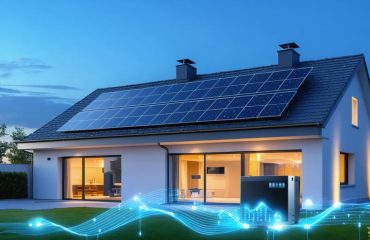
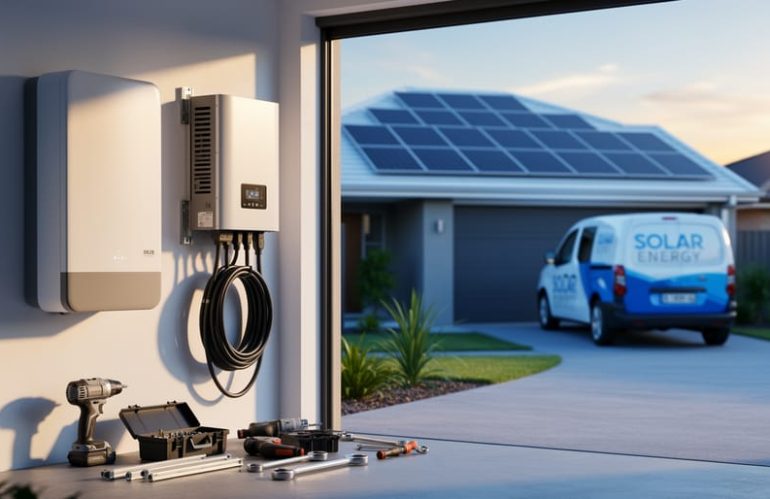
When homeowners ask how much solar costs, they’re usually thinking about panels. In reality, panels are only one slice of a much larger pie.
A residential solar system price reflects panels, an inverter, electrical labour, mounting brackets and cabling, battery storage, and the installer’s operating margin. Each piece carries a different weight in the final number.
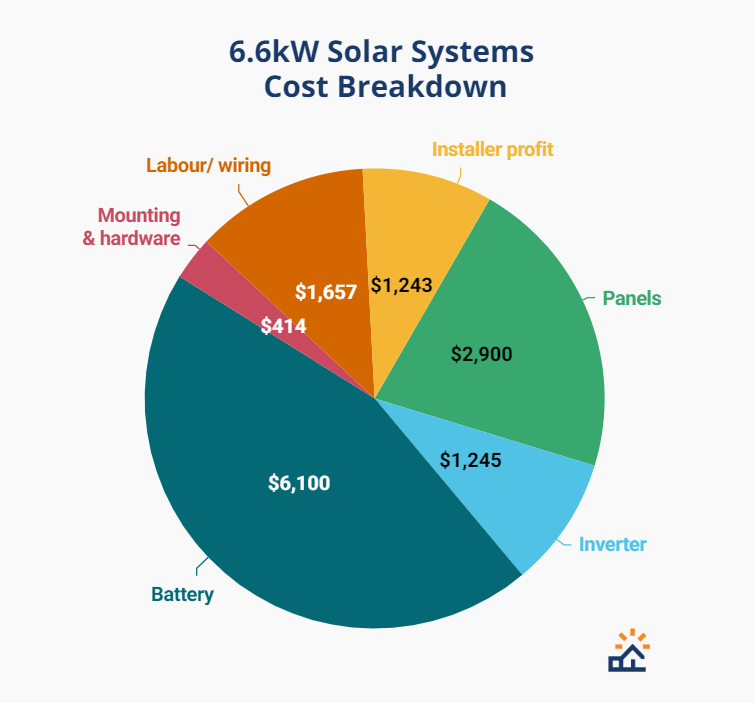
Using a typical mid-sized system with battery storage (6.6kW as in this example), here’s how the cost usually breaks down.
Battery storage often becomes the largest single component
When you add a backup battery to your system, it represents the largest portion of the total system cost.
In many installations, a lithium-ion battery can account for roughly 40–45% of the total project price. In real dollar terms, that can exceed the cost of the panels themselves.
A battery system includes not just the storage unit, but also:
- Battery management systems
- Additional wiring and disconnects
- Integration hardware or hybrid inverter upgrades
- Additional labour time
Because storage equipment is still relatively expensive compared to panels, adding a battery fundamentally changes the system’s cost structure. A solar-only installation and a solar-plus-storage installation operate in very different pricing tiers.
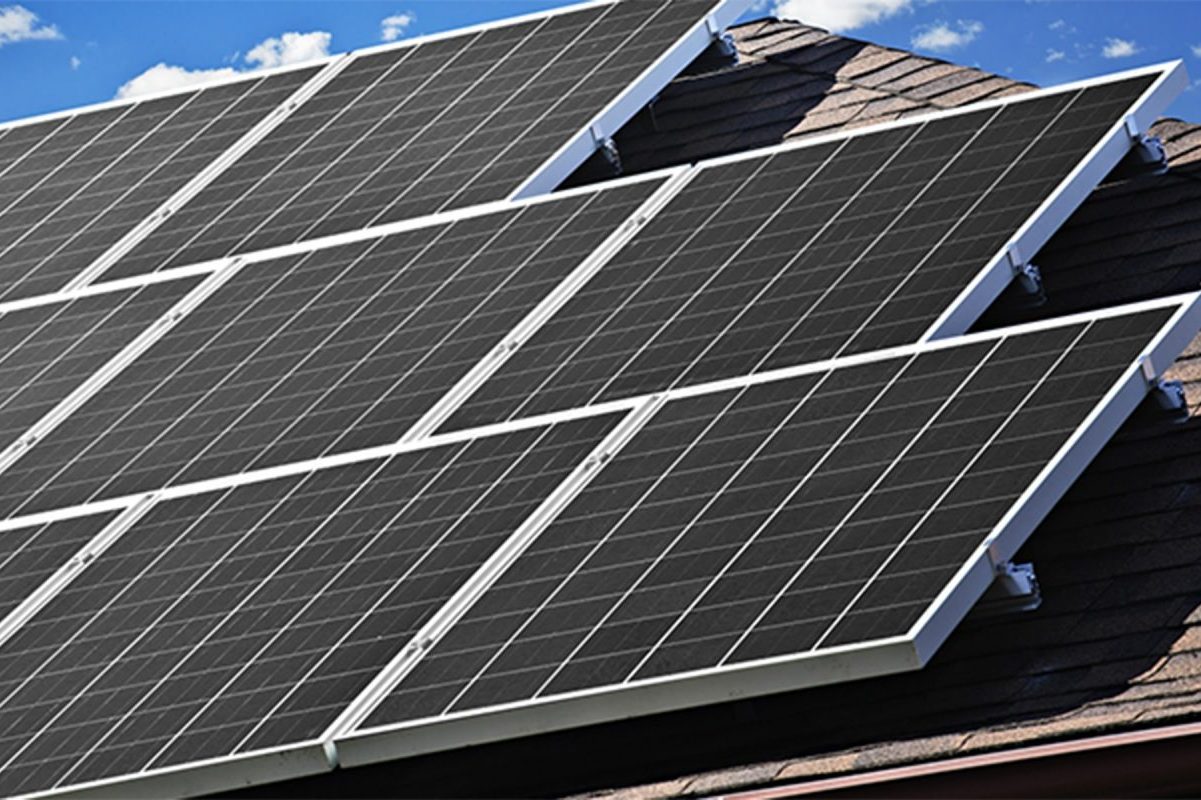
Solar panels typically make up around 20–25%
Panels are the most visible part of the system, but in a battery-backed setup they often represent roughly 20–25% of the total cost.
Panel pricing depends on wattage, efficiency, brand positioning, and warranty strength. Higher-efficiency modules may reduce the number of panels required, while premium brands may command higher pricing due to longer product guarantees or manufacturing standards.
Panels generate the energy, but they are only one part of the delivery system.
The inverter usually accounts for around 10%
The inverter converts the DC electricity generated by panels into usable AC power for the home. In a standard residential system, the inverter typically represents about 8–12% of total system cost.
Some installations use hybrid inverters capable of managing both panels and battery storage, while others require separate components. The technology chosen directly influences system flexibility and monitoring capability.
Although smaller in percentage terms, the inverter plays a central role in system performance and reliability.
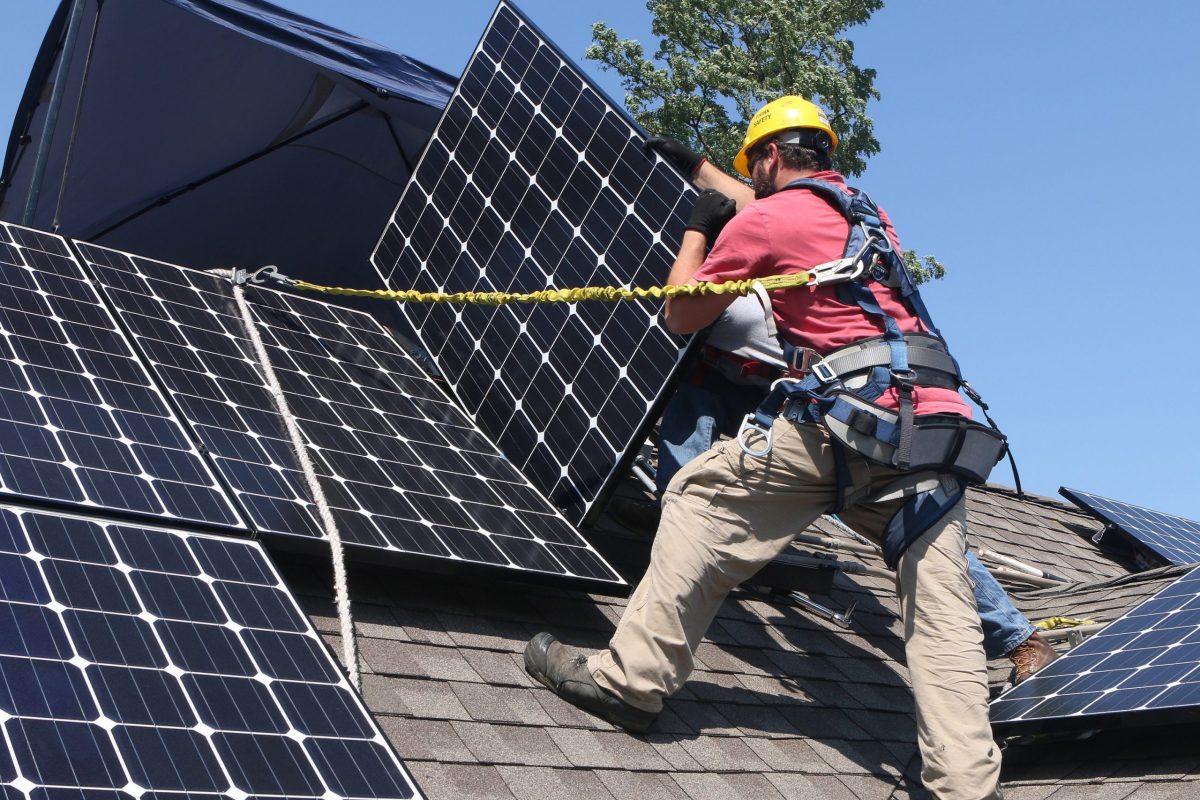
Labour and electrical wiring are significant cost drivers
Labour and electrical wiring commonly represent 10–15% of the total system cost, and in some regions, even more.
This portion covers licensed electrician work, conduit runs, grounding, breaker integration, rapid shutdown devices, system commissioning, and inspection preparation. If a home requires a main service panel upgrade to safely accommodate solar backfeed, costs can rise further.
Labour is not just physical panel placement; it is skilled electrical integration that ensures the system operates safely and correctly over the long term.
Mounting and hardware generally make up a smaller share
Mounting systems and structural hardware often represent around 3–5% of the total cost.
This includes roof racking, flashing, structural attachments, and wind-load-rated hardware. While the percentage is smaller compared to other components, mounting must meet engineering standards and roof-specific requirements.
A simple single-plane roof with easy access will cost less to mount than a steep, multi-section roof requiring custom bracket placement and additional structural considerations.
Installer profit is part of the equation
Installer profit margins often account for roughly 8–12% of the total project price.
This margin supports business operations, staff salaries, insurance, sales costs, service infrastructure, and warranty commitments. It also absorbs risk tied to long-term workmanship guarantees.
Lower-cost providers may operate on thinner margins or streamlined business models, while premium installers may price higher to support longer warranties and more robust post-installation service.
Profit is not an “extra” — it is what keeps the installation company viable over the 20–25 year lifespan of the system.
Why total system prices vary so widely
Two systems with the same panel wattage can differ significantly in price because the quality/ brand of panels, invert and battery variey in price as well as the complexity of the installation.
In battery-backed installations, especially, the largest cost variable is often storage capacity. Equipment tier, electrical complexity, labour rates, and installer margin further widen the range.
Multi-story homes with heavily pitched roofs can add time and complexity to installations, which will add to the installation cost.
For homeowners wanting a deeper look at how system size and configuration influence pricing benchmarks, GoSolarQuotes provides a detailed solar panel cost guide that walks through how residential system pricing is structured across different home setups.
The bottom line
A solar system price is not just the cost of panels multiplied by capacity.
It reflects:
- Brand and quality of panels, inverter and battery
- Installation complexity
- Skilled electrical labour
- Structural mounting systems
- Installer operating margin
Once you see how those pieces fit together, comparing quotes becomes a question of value and configuration — not just the lowest number on the page.