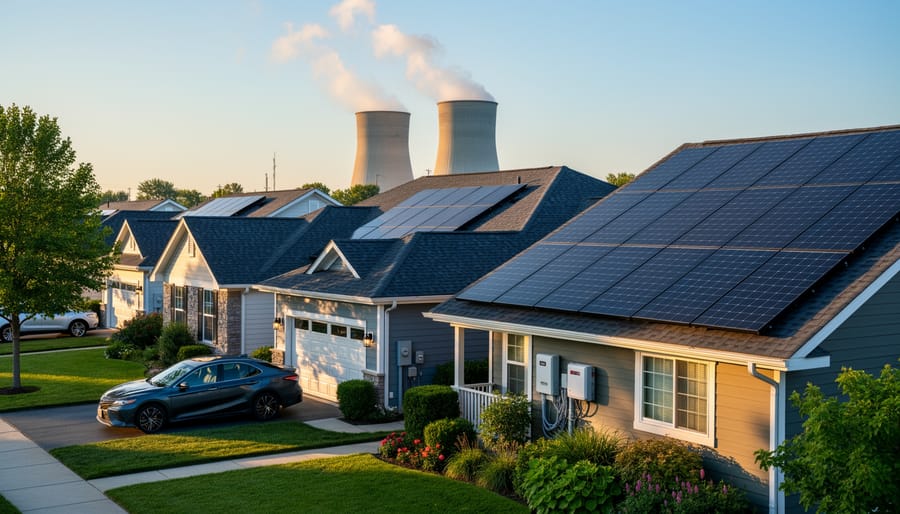
Solar power costs between 3-6 cents per kilowatt-hour for new installations, while nuclear energy ranges from 11-20 cents per kWh when accounting for actual construction costs and delays. That’s right—solar now produces electricity at roughly one-third the cost of nuclear power, completely reversing what many people learned in school about “cheap nuclear energy.”
If you’re a homeowner researching whether solar panels make financial sense, you’ve probably heard nuclear advocates claim their technology offers the most affordable clean energy. The numbers tell a different story. Solar installation costs have dropped 90% over the past decade, while every major nuclear project in the United States has suffered massive cost overruns and decade-long delays. The two new reactors at Georgia’s Plant Vogtle, completed in 2023, ended up costing over $35 billion—more than double their initial estimates.
This cost comparison matters for your wallet. When you install rooftop solar, you’re essentially locking in your electricity rate for 25-30 years at today’s low prices. Meanwhile, utility customers relying on nuclear or other conventional sources face unpredictable rate increases as construction costs spiral and maintenance expenses grow.
You don’t need to be an energy expert to understand this comparison. This article breaks down the real costs behind both technologies, explains why solar has become the economic winner, debunks persistent myths about nuclear being “too cheap to meter,” and shows you exactly how these differences translate into monthly savings on your electric bill.
Breaking Down the Real Cost Per kWh
What Does Cost Per kWh Actually Mean?
Think of cost per kWh like comparing the price of driving different cars per mile. Just as you’d calculate your fuel cost by dividing what you spend at the pump by miles driven, cost per kWh shows what you pay for each unit of electricity you use.
Here’s a simple example: If you drive a gas-guzzling SUV that costs $60 to fill up and takes you 300 miles, you’re paying 20 cents per mile. A fuel-efficient hybrid might cost $40 for 500 miles, which is just 8 cents per mile. Same idea with electricity.
When you see solar at 3-6 cents per kWh versus nuclear at 8-15 cents per kWh, those numbers tell you exactly what each unit of power costs to produce. For your home, this translates directly to your energy bill. A typical household uses about 30 kWh daily, so every cent difference per kWh adds up to real dollars in your pocket each month. Understanding this comparison helps you make smart decisions about where your energy comes from and how much you’ll actually pay.
The Numbers: Solar vs Nuclear Today
Let’s cut straight to the numbers. Right now, solar energy costs between $0.03 and $0.06 per kilowatt-hour to produce, while nuclear power ranges from $0.06 to $0.09 per kilowatt-hour. That means solar is roughly half the price of nuclear energy today.
Here’s a simple way to think about it: if solar costs a nickel per kilowatt-hour and nuclear costs eight cents, you’re saving three cents for every unit of electricity. For the average home using 900 kilowatt-hours monthly, that adds up to $27 in savings each month, or $324 per year.
The gap has widened dramatically over the past decade. Solar panel costs have dropped by more than 90 percent since 2010, while nuclear construction costs have actually increased due to stricter safety requirements and complex regulations. This trend shows no signs of reversing, making solar the clear winner for cost-conscious homeowners looking to take control of their energy expenses.
Why Solar Wins the Cost Battle
No Fuel Costs, Ever
Here’s one of solar power’s biggest advantages: once your panels are installed, sunlight costs absolutely nothing. Zero. Your solar panels simply convert those free rays into electricity, day after day, for 25 years or more. There’s no monthly fuel bill, no price fluctuations, and no supply chain worries.
Nuclear plants tell a different story. They depend on uranium fuel that must be mined, processed, enriched, and transported—all at significant cost. These facilities spend millions annually on fuel alone, and those expenses get passed directly to ratepayers through their electricity bills. When uranium prices spike, your utility rates often follow.
For homeowners, this difference is transformative. After your solar installation pays for itself, you’re essentially generating electricity for free. No fuel deliveries. No commodity price anxiety. Just sunshine doing what it does best. While your neighbors continue paying monthly utility bills that include fuel costs and delivery charges, you’re producing clean energy without any ongoing fuel expenses. That’s the kind of financial predictability that makes budgeting easier and keeps more money in your pocket year after year.
Installation Costs Have Plummeted
The story of solar energy costs is one of the most remarkable success stories in modern technology. Just a decade ago, solar panels were considered a luxury reserved for the environmentally dedicated few. Today, they’re a smart financial choice for everyday homeowners. Solar panel prices have dropped by approximately 90% since 2010, transforming the residential energy landscape entirely.
This dramatic price drop stems from improved manufacturing processes, increased competition, and economies of scale as solar technology went mainstream. What once cost $50,000 to install on your home might now run closer to $15,000 before incentives. Solar installation costs continue to trend downward, making clean energy achievable for middle-class families.
Nuclear power has followed the opposite trajectory. Construction costs for new nuclear plants have skyrocketed due to increased safety requirements, regulatory complexity, and lengthy building timelines. Modern nuclear projects routinely run billions over budget and years behind schedule. The Vogtle nuclear plant in Georgia, for example, saw costs balloon from $14 billion to over $30 billion.
This divergence creates a clear winner for homeowners: solar delivers decreasing costs while nuclear becomes increasingly expensive and inaccessible for personal energy generation.
Minimal Maintenance, Maximum Savings
One of solar power’s biggest advantages is its simplicity. Once installed on your roof, solar panels essentially run themselves. You’ll typically only need to hose them down a few times a year to remove dust and debris, and maybe schedule a professional inspection every few years. That’s it. No moving parts means minimal wear and tear, and most quality panels come with 25-year warranties because manufacturers know they’ll keep working with virtually no intervention.
Nuclear power plants, on the other hand, require constant attention from highly trained specialists. These facilities need 24/7 monitoring, regular safety inspections, complex cooling systems, and strict regulatory compliance. The staff alone represents a massive ongoing expense that never appears in those attractive per-kilowatt-hour figures you might see quoted for nuclear energy.
This maintenance difference directly impacts your wallet. While nuclear’s operational complexity drives up costs at the utility level, solar’s hands-off nature means predictable, minimal expenses after installation. You won’t face surprise repair bills or need specialized technicians on speed dial. For homeowners, this translates to genuine peace of mind alongside your energy savings. Your solar panels work quietly in the background, generating clean electricity while you focus on everything else life throws your way.
What This Means for Your Home Energy Bills
Your Savings Timeline
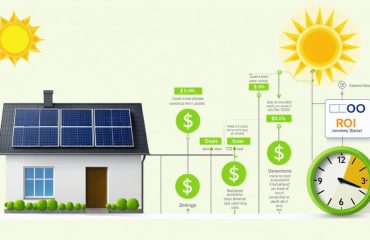
Let’s get practical about your investment timeline. When you install a residential solar system, solar payback periods typically range from 6 to 10 years, depending on your location, electricity rates, and available incentives.
Here’s a simple example: Say you invest $15,000 in a solar system after the federal tax credit. If your monthly electric bill drops from $150 to $20, you’re saving $1,560 annually. Divide your initial investment by yearly savings, and you’ll break even in about 9.6 years. After that, every dollar you’re not sending to the utility company goes straight into your pocket.
With solar panels lasting 25 to 30 years, this means 15 to 20 years of essentially free electricity. Over the system’s lifetime, a typical homeowner saves between $20,000 and $40,000. That’s real money you can redirect toward other priorities.
Compare this to nuclear power, which remains utility-controlled. You can’t install a personal nuclear reactor, so there’s no payback period, no ownership, and no profit phase. You’ll simply keep paying whatever rate your utility charges, year after year.
The key takeaway? Solar transforms you from perpetual customer to energy producer. Your panels work for you, not against your budget, delivering decades of financial returns after that initial payback window closes.

Protection From Rising Energy Prices
Here’s one of the most empowering aspects of going solar: you’re taking control of your energy costs for the next 25-30 years. While homeowners relying on the electrical grid face unpredictable rate increases year after year, solar owners lock in their electricity costs from day one.
The numbers tell an impressive story. Utility rates have historically risen about 3% annually, and that includes power from all sources on the grid, nuclear included. Over a 25-year period, those increases compound dramatically. Meanwhile, your solar panels produce energy at the same predictable cost throughout their lifespan.
Think of it as protecting yourself from future sticker shock. While your neighbors watch their monthly bills climb, you’ll have the peace of mind that comes with energy independence. Your solar investment acts as a hedge against inflation and rising energy costs, delivering savings that grow larger each year utility rates increase.
This protection becomes even more valuable when you consider that your panels will keep generating free electricity long after they’ve paid for themselves. You’re not just comparing today’s costs—you’re securing decades of stable, predictable energy expenses while traditional utility customers remain vulnerable to whatever rates the power company decides to charge.
Incentives Make Solar Even Cheaper
Here’s the good news: solar’s already competitive cost per kWh gets even better when you factor in available incentives. Homeowners can take advantage of federal tax credits that currently cover 30% of your total solar installation costs. This alone can reduce your effective cost per kWh by thousands of dollars over your system’s lifetime.
Beyond federal programs, many states and local utilities offer additional rebates, performance payments, and property tax exemptions. Some areas even provide upfront cash incentives that lower your initial investment. Nuclear energy, being exclusively utility-scale, offers no comparable personal incentives. These combined benefits mean your actual out-of-pocket solar costs—and your real cost per kWh—are significantly lower than the sticker price suggests, making solar an even smarter financial choice.
Debunking the ‘Nuclear Is Cheaper’ Myth
Why Old Cost Estimates Are Misleading
If you’ve heard that nuclear power is cheaper than solar, you’re likely looking at outdated information. Many cost comparisons rely on data from the 1980s and 1990s, when solar panels were expensive, experimental technology. Back then, solar cost upwards of $100 per watt to install. Today, that same technology costs less than $3 per watt, representing a 97% price drop.
The solar industry has experienced dramatic improvements in manufacturing efficiency, panel performance, and installation practices. Modern panels convert sunlight to electricity far more effectively than their predecessors, meaning you need fewer panels to power your home. Meanwhile, nuclear power construction costs have actually increased over the decades due to stricter safety requirements and complex regulatory processes.
When someone quotes nuclear as “the cheapest option,” ask when that data was collected. Chances are, it doesn’t reflect the current market reality. For homeowners making energy decisions today, recent data tells a completely different story about which technology offers better value for your investment.
Hidden Costs Nuclear Doesn’t Include
When you see nuclear power advertised at a certain cost per kWh, that number often tells only part of the story. While nuclear plants can generate electricity efficiently once they’re running, several substantial expenses often get left out of the headline figures.
Long-term waste storage represents a significant ongoing cost. Spent nuclear fuel remains hazardous for thousands of years and requires secure storage facilities. These expenses are frequently subsidized by taxpayers rather than reflected in your electricity bill. Currently, there’s no permanent storage solution in the United States, meaning these costs continue accumulating.
Decommissioning a nuclear plant at the end of its life is remarkably expensive, typically costing $500 million to over $1 billion per facility. This 15-20 year process involves safely dismantling radioactive components and restoring the site. While utilities set aside decommissioning funds, these reserves sometimes fall short, leaving ratepayers or taxpayers to cover the difference.
Insurance and liability protections also affect the true cost picture. The Price-Anderson Act limits nuclear plant liability in case of accidents, essentially providing a government-backed insurance subsidy. Without this protection, nuclear electricity costs would likely increase substantially.
In contrast, solar panels require minimal decommissioning costs and produce no hazardous waste requiring thousands of years of storage. When solar panels reach end-of-life after 25-30 years, most components can be recycled using standard processes. This transparent cost structure means the price you see for solar energy is genuinely what you get, with no hidden long-term obligations passed to future generations.
Making Solar Work for Your Home
Getting an Accurate Cost Estimate
Every home is unique, which means your solar cost per kWh will be too. The good news? Getting a personalized estimate is straightforward and reveals whether solar makes financial sense for you specifically.
Start by gathering your recent electricity bills to understand your monthly energy usage in kilowatt-hours. Next, assess your available roof space—south-facing roofs with minimal shade typically generate the most power. Your location matters significantly since sunnier regions produce more energy per panel, lowering your effective cost per kWh.
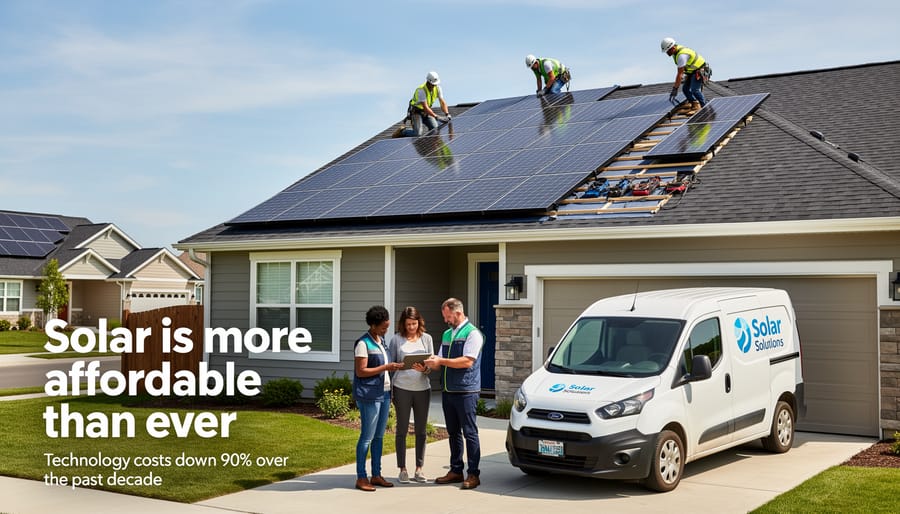
Most solar installers offer free assessments that factor in these variables along with local electricity rates, available incentives, and financing options. You can also calculate your specific costs using online tools that provide ballpark figures before meeting with installers.
The key is getting multiple quotes. Installation costs vary by company, and system designs differ based on your energy goals. Some homeowners aim to cover 100% of their usage, while others start smaller and expand later. Each approach affects your per-kWh cost differently.
Remember, while nuclear power costs remain theoretical for homeowners, your solar cost estimate translates directly into monthly savings you can count on.
Energy Storage: Maximizing Your Savings
Adding battery storage solutions to your solar system unlocks even greater savings potential. Here’s how it works: your panels generate electricity during sunny midday hours when rates are often lowest, but you actually use most power in the evening when rates spike. A battery stores that excess daytime energy for use during expensive peak hours, effectively letting you avoid premium rates altogether. Think of it as banking sunshine for later. This strategy can reduce your electricity bills by an additional 20-30% compared to solar panels alone, making your cost per kWh even more competitive with any traditional energy source. The upfront investment pays for itself through these peak-time savings.
The numbers tell a clear story: solar power delivers electricity at a lower cost per kWh than nuclear energy, especially for homeowners. With solar installation costs dropping dramatically over the past decade and nuclear projects consistently running over budget, solar has emerged as the smarter financial choice. Beyond the dollars and cents, you’re also choosing clean, renewable energy that reduces your carbon footprint without the concerns surrounding nuclear waste and safety.
For your home, this means real savings on your monthly electric bills, increased property value, and energy independence. You’re not waiting for utility companies to build expensive nuclear plants over decades—you can start generating your own clean power within months.
If you’ve been considering solar, now is an excellent time to explore your options. Get a few quotes from reputable installers, compare the numbers for your specific situation, and see how much you could save. The combination of lower costs, environmental benefits, and available incentives makes solar an investment worth investigating for your home’s energy future.