Thinking about solar panels for your home? You’re right to weigh the risks alongside the rewards. Every significant home investment deserves careful consideration, and solar energy is no exception. While solar power offers tremendous financial savings and environmental benefits, understanding potential challenges upfront helps you make a confident, informed decision.
The truth is, most solar risks are manageable or entirely avoidable with proper planning. Common concerns like upfront costs, equipment failure, roof compatibility, and uncertain savings often stem from outdated information or myths that deserve debunking. Modern solar technology has matured significantly, with improved warranties, financing options, and proven performance records that minimize real risk.
What separates successful solar installations from disappointing ones? Knowledge. Understanding which risks actually matter for your specific situation, which are overblown concerns, and how to protect your investment makes all the difference. From evaluating your roof’s condition to choosing reputable installers and understanding warranty coverage, practical strategies exist to address each potential downside.
This guide cuts through the confusion to give you honest, straightforward answers about solar energy risks. You’ll discover which concerns warrant attention, which you can safely dismiss, and exactly how to mitigate legitimate challenges before they become problems.
Why Understanding Solar Risks Makes You a Smarter Investor
Knowledge is power, especially when it comes to your home energy decisions. Understanding the potential risks of solar doesn’t mean you should avoid it—quite the opposite. When you’re aware of what could go wrong, you’re better equipped to prevent problems and protect your investment from day one.
Think of it this way: you wouldn’t buy a car without understanding maintenance needs, insurance options, and warranty coverage. The same logic applies to solar panels. By educating yourself about possible challenges like equipment failures, installation quality issues, or shading concerns, you can ask better questions, choose more reliable installers, and spot red flags before signing any contracts.
Smart solar investors understand that every home improvement carries some level of risk. The difference is that solar risks are largely manageable and predictable. When you know what to look for, you can negotiate stronger warranties, verify installer credentials, review production guarantees, and plan for maintenance costs. This knowledge transforms you from a passive buyer into an informed decision-maker who can maximize your return on investment.
Rather than letting uncertainty hold you back, use risk awareness as your roadmap to success. Understanding solar investment considerations helps you avoid common pitfalls that catch unprepared homeowners off guard. You’ll make choices that align with your home’s unique characteristics, your budget, and your long-term energy goals—ultimately leading to greater satisfaction and better financial outcomes.
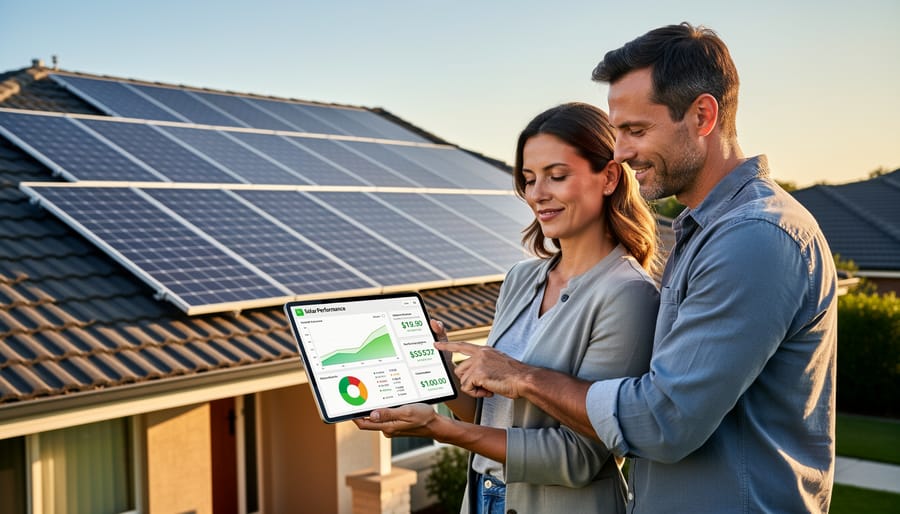
Financial Risks: What Could Affect Your Bottom Line
Upfront Investment and Payback Period
The upfront cost of solar panels typically ranges from $15,000 to $25,000 for an average home system before incentives. While this may seem substantial, it’s important to understand that this isn’t truly a risk—it’s an investment with predictable returns.
The federal solar tax credit currently covers 30% of your installation costs, immediately reducing your out-of-pocket expense. Many states and utilities offer additional rebates and incentives that can lower costs even further. Some homeowners reduce their initial investment to under $10,000 after all incentives.
Most solar systems pay for themselves within 6 to 12 years through energy savings, though this varies by location and energy usage. After payback, you’ll enjoy decades of virtually free electricity since panels typically last 25 to 30 years. When calculating your solar ROI, factor in rising utility rates—your savings increase each year as traditional electricity costs climb.
Financing options like solar loans and leases can eliminate upfront costs entirely, allowing you to start saving from day one. This transforms solar from a large purchase into an accessible monthly payment that’s often lower than your current electric bill.
Equipment Warranties and Long-Term Value
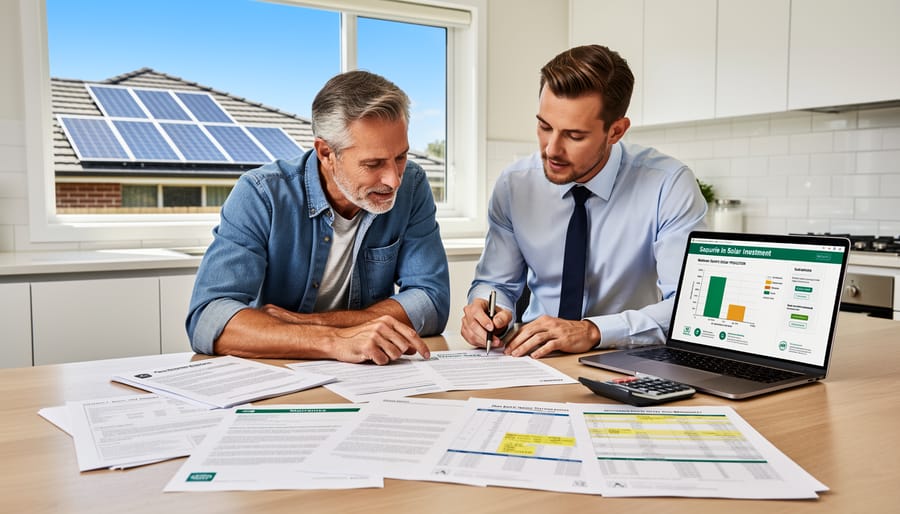
Quality warranties are your financial safety net when investing in solar. Most reputable solar panels come with two separate guarantees: a performance warranty (typically 25 years) that ensures your panels will still produce at least 80-85% of their original output, and a product warranty (usually 10-25 years) covering manufacturing defects. These aren’t just nice-to-have features—they’re essential protections for your investment.
Inverters, which convert your solar energy into usable electricity, typically carry warranties between 10-25 years. Since inverters may need replacement during your system’s lifetime, choosing equipment with solid warranties saves you thousands in potential repair costs.
Here’s the good news: the solar industry has matured significantly, and today’s panels are incredibly durable. The myth that solar panels quickly degrade simply isn’t supported by real-world data. When you choose established manufacturers with proven track records, you’re getting equipment that’s been tested in diverse climates and conditions.
Before signing any contract, review warranty details carefully. Ensure your installer is certified and will honor warranties long-term. Ask about warranty transferability if you sell your home—this feature can actually increase your property value and appeal to buyers.
Energy Savings Uncertainty
One common worry homeowners have is whether their actual energy savings will live up to the initial estimates. This concern is entirely reasonable, but the good news is that modern solar technology and assessment methods have become remarkably accurate.
Professional solar installers use sophisticated tools to evaluate your specific situation. They analyze your home’s energy consumption history, measure your roof’s sun exposure throughout the year, account for shading from trees or nearby buildings, and consider your local weather patterns. These comprehensive assessments provide realistic projections rather than overly optimistic promises.
The key to avoiding disappointment is working with reputable installers who offer transparent, data-driven estimates. Ask questions about how they calculated your projected savings and request explanations for their methodology. Most quality providers will even offer monitoring systems that let you track your actual production against expectations in real-time.
While minor variations can occur due to unusually cloudy years or changes in your energy usage, well-designed systems typically perform within 5-10% of projections. Many homeowners actually find their savings exceed expectations once they optimize their energy consumption habits around peak solar production hours.
Technical and Performance Risks: Keeping Your System Running Strong
Weather and Environmental Factors
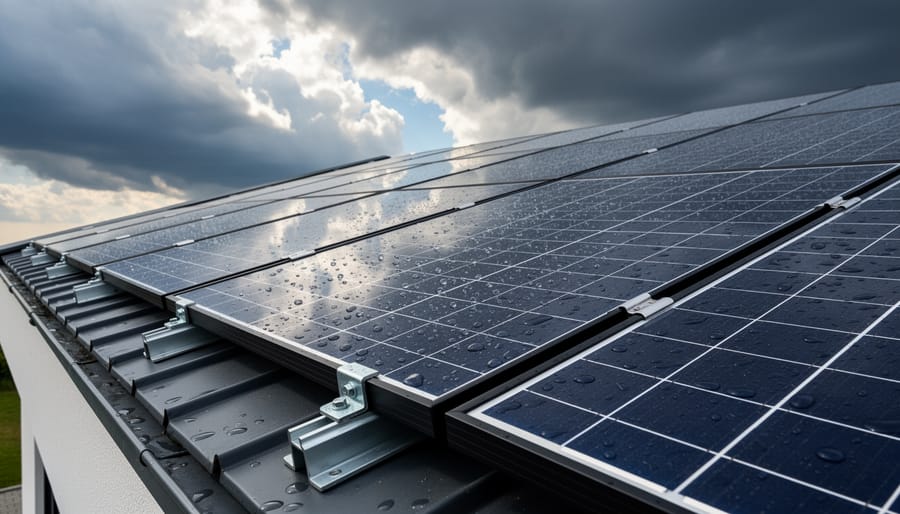
Here’s a common worry that keeps homeowners up at night: what happens when Mother Nature decides to throw a tantrum? The good news is that solar panels are surprisingly tough. Modern systems undergo rigorous testing to handle extreme weather, from baseball-sized hail to hurricane-force winds and heavy snow loads.
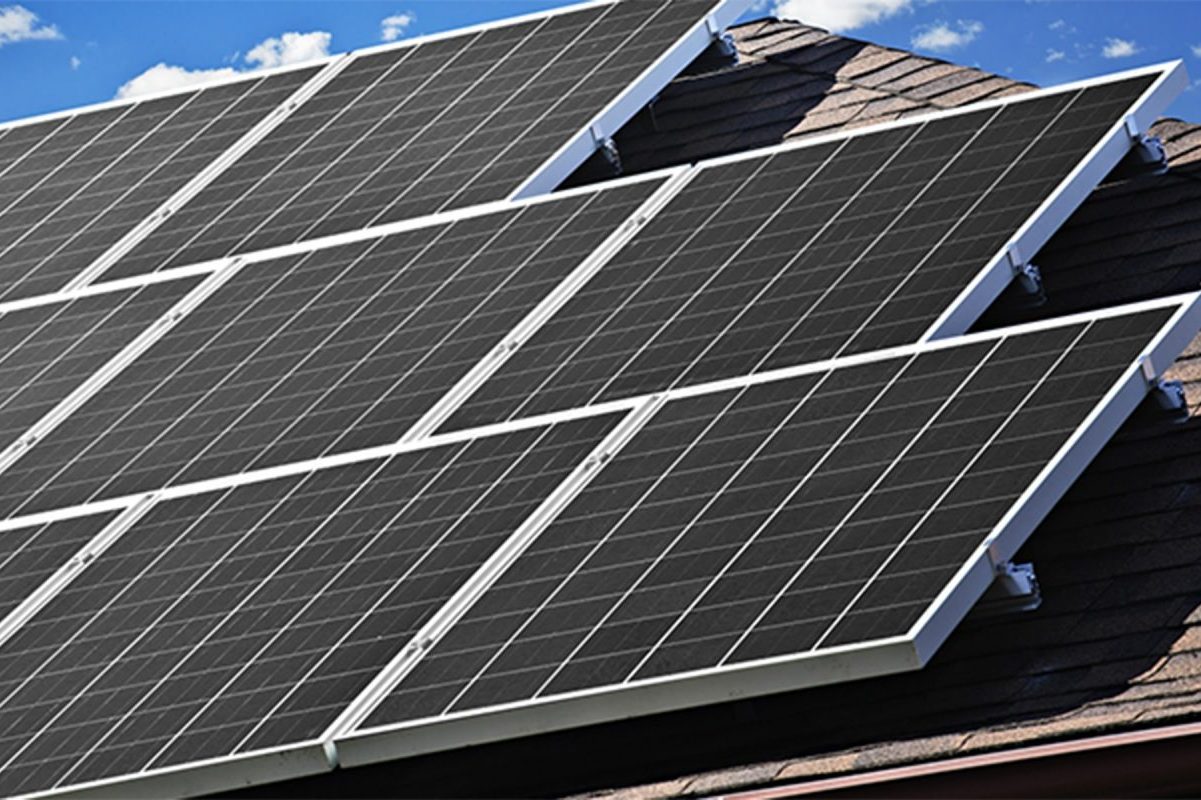
In fact, most panels are certified to withstand hail up to one inch in diameter traveling at 50 mph. They’re also engineered to handle wind speeds exceeding 140 mph and can bear significant snow weight. The tempered glass covering and reinforced aluminum frames make them more durable than many standard roofing materials.
That said, severe weather can occasionally cause damage, which is why proper installation matters immensely. A certified installer will ensure your panels are securely mounted and positioned correctly for your local climate. Plus, homeowners insurance typically covers weather-related damage, and warranties protect against manufacturing defects.
Climate considerations work in your favor too. While panels operate most efficiently in moderate temperatures, they still generate power on cloudy days and in various conditions. The financial protection from available tax incentives and insurance coverage means you’re well-protected against weather-related risks while enjoying decades of clean energy.
System Degradation Over Time
Like any technology exposed to the elements, solar panels naturally lose a small amount of efficiency over time—but this isn’t the problem many people fear. Quality solar panels degrade at about 0.5% per year, meaning after 25 years, they’ll still produce around 87-90% of their original output. That’s excellent longevity for any home improvement investment.
Think of it like a reliable car that gradually gets slightly lower gas mileage but still gets you where you need to go for decades. The degradation is so gradual you won’t notice day-to-day changes, and your panels will continue generating substantial electricity savings well past their warranty period.
The key to minimal degradation lies in choosing quality panels from reputable manufacturers. Premium panels often come with 25-year performance warranties guaranteeing at least 80-85% efficiency after a quarter century. These warranties protect your investment and demonstrate manufacturer confidence in their product’s durability.
Regular maintenance—like occasional cleaning and ensuring proper ventilation—can further slow degradation. When you factor in rising electricity costs, even slightly less efficient panels in year 20 will likely save you more money than brand-new panels did in year one.
Installation Quality Matters
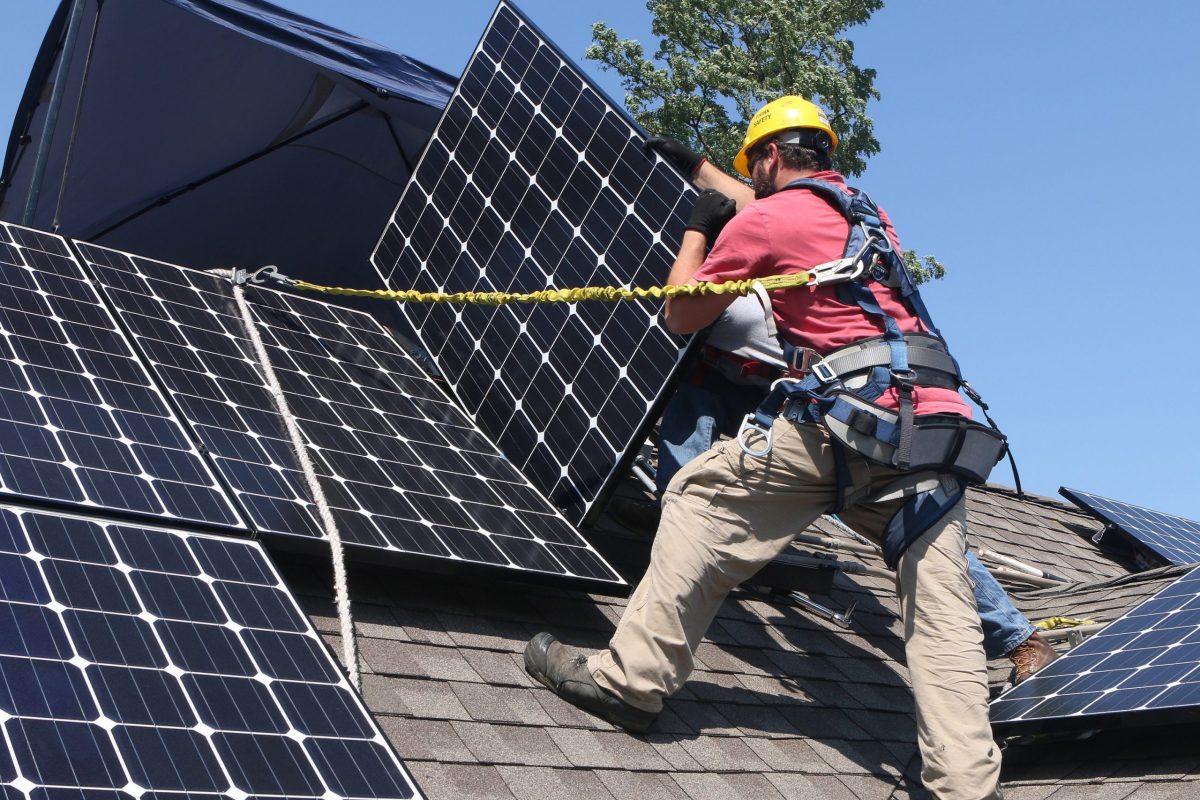
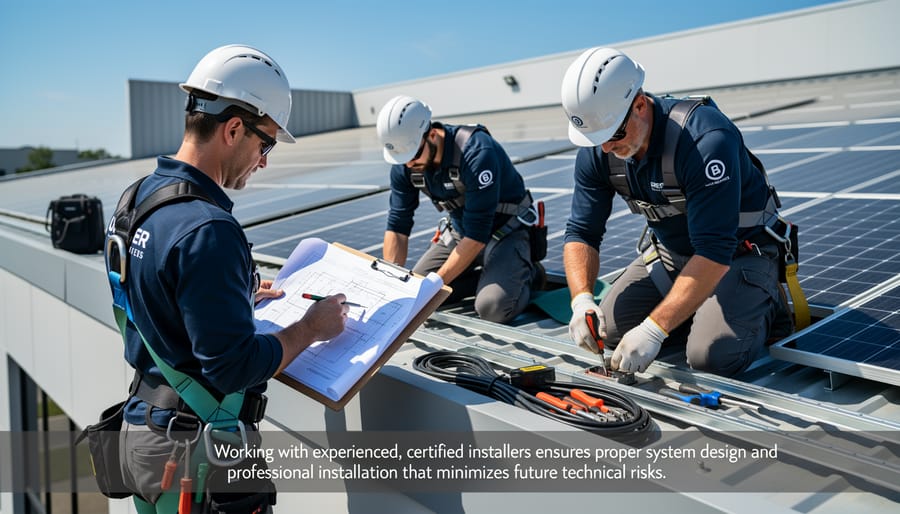
Here’s the good news: most solar-related technical issues stem from poor installation rather than the technology itself. Choosing a certified, experienced installer dramatically reduces your risk of future problems like roof leaks, electrical issues, or underperforming panels.
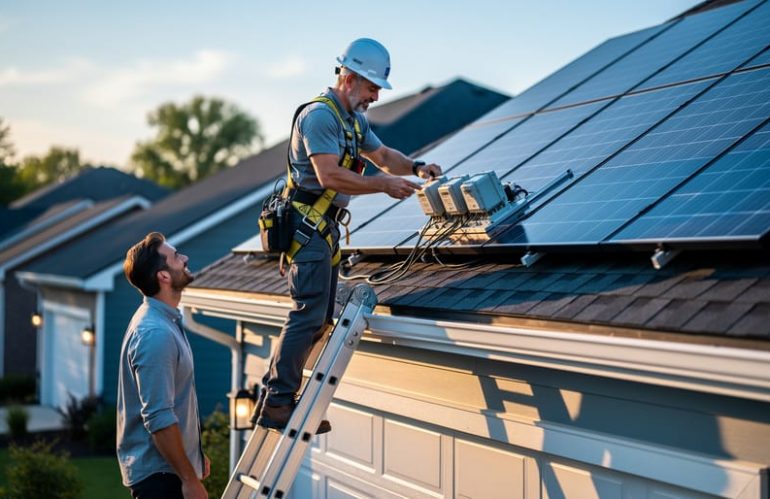
Professional installers conduct thorough roof assessments before installation, ensuring your structure can support the system safely. They understand proper weatherproofing techniques, electrical code requirements, and optimal panel positioning for maximum energy production. While a quality installation might cost slightly more upfront, it prevents expensive repairs down the road and ensures your system performs as expected for decades.
Red flags to watch for include unusually low quotes, installers without proper licensing or insurance, and companies unwilling to provide references. Don’t hesitate to ask about warranties, certifications, and previous projects. A reputable installer will gladly answer your questions and provide transparent information about their process.
Think of professional installation as insurance for your investment. When done right, your solar system will quietly generate clean energy and savings for 25-30 years with minimal maintenance required.
Regulatory and Policy Risks: Navigating the Changing Landscape
Changes to Solar Incentives and Tax Credits
One of the most common concerns homeowners have is whether solar incentives will disappear after they invest. Here’s the good news: once you install your system and claim available tax credits or rebates, those benefits are typically locked in, even if policies change later.
The federal solar Investment Tax Credit (ITC) is a perfect example. This credit currently allows you to deduct a significant percentage of your solar installation costs from your federal taxes. While the percentage may decrease in future years according to scheduled phase-downs, homeowners who install their systems before those reductions take effect can claim the higher rate. You’re grandfathered in at the time of installation.
State and local incentives work similarly. Many programs operate on a first-come, first-served basis with limited funding pools. Once budgets are exhausted, the programs close to new applicants, but existing participants keep their benefits.
This creates a natural advantage for early adopters. Waiting to see if incentives improve rarely pays off because programs typically phase down over time as solar becomes more mainstream. By acting sooner rather than later, you maximize your financial benefits while protecting yourself from future policy changes. Think of it as securing today’s advantageous terms before they potentially become less generous tomorrow.
Net Metering and Utility Policy Shifts
One concern homeowners sometimes hear about is net metering—the policy that lets you sell excess solar energy back to the utility company. While it’s true that some utilities have adjusted their buyback rates over recent years, this doesn’t mean solar suddenly becomes a bad investment.
Here’s the good news: even with reduced net metering rates, solar panels typically still provide significant savings on your electricity bills. You’re producing your own power during peak rate hours, which means you’re using less from the grid when electricity costs the most. Plus, solar continues to deliver the impact on home value regardless of utility policies.
The real game-changer for policy independence is battery storage. By adding a home battery system, you can store excess solar energy instead of selling it back at potentially lower rates. This means you’re less affected by whatever your utility decides to do with their programs. You maintain control over your energy, use what you produce when you need it most, and gain backup power during outages. While batteries add upfront cost, they’re increasingly affordable and provide energy security that makes you far less vulnerable to future policy changes.
Property and Resale Considerations: Protecting Your Home Value
Roof Age and Structural Requirements
Your roof is your solar system’s foundation, and understanding its condition upfront saves money and stress down the road. Most solar panels last 25-30 years, so your roof needs to support them for the long haul. The good news? A simple roof inspection before installation identifies any issues early.
Roofs older than 15-20 years may need repairs or replacement before solar installation. While this might sound like an inconvenience, it’s actually a smart move. Removing panels to fix roof problems later costs significantly more than addressing them first. Think of it as getting your house in order once, rather than twice.
Structural assessments ensure your roof can handle the panel weight, which is typically minimal—about 3-4 pounds per square foot. Most homes easily meet these requirements, but checking confirms everything is safe and sound. Professional installation teams routinely perform these evaluations as part of the process.
The bottom line: a pre-installation roof check protects your investment and ensures decades of worry-free solar energy. Any necessary upgrades become part of your overall home improvement, increasing property value alongside your new solar system.
Solar’s Impact on Home Resale Value
Contrary to popular belief, solar panels don’t hurt your home’s value—they actually boost it. Multiple studies show that homes with solar installations sell for more than comparable homes without them. According to Zillow research, solar panels can increase property values by an average of 4.1%, which translates to roughly $9,000 on a median-priced home.
The key is ensuring your system is properly installed and maintained. Leased systems can sometimes complicate sales since buyers must assume the lease agreement, but owned systems are viewed as valuable upgrades, much like a renovated kitchen or new roof. Most homebuyers today see solar as a desirable feature that promises lower electricity bills from day one.
To maximize resale value, keep all your solar documentation organized, including warranties, maintenance records, and energy production data. This transparency helps potential buyers understand exactly what they’re getting. The bottom line? Solar is an investment that typically pays dividends not just in energy savings, but also when it’s time to sell your home.
How to Minimize Your Solar Investment Risks
Choose a Trusted, Experienced Installer
Selecting the right solar installer is one of the most effective ways to minimize risk and ensure a smooth experience. Start by researching companies with established track records in your area. Look for installers who have been in business for at least several years, as they’re more likely to honor warranties and provide ongoing support.
Check credentials carefully. Your installer should hold proper licensing for your state, carry adequate insurance, and employ certified technicians. Certifications from organizations like the North American Board of Certified Energy Practitioners signal professional expertise and commitment to industry standards.
Read customer reviews on independent platforms, not just the company’s website. Pay attention to how installers handle problems and communicate throughout the project. Request multiple quotes and compare not just prices, but the quality of equipment, warranty terms, and customer service responsiveness.
Ask for references from recent customers and follow up with them. A reputable installer will gladly connect you with satisfied homeowners. They should also provide clear, written contracts that detail every aspect of the installation, timeline, and costs.
Working with established, credentialed providers protects you from subpar installations, financial surprises, and the headache of dealing with companies that might disappear before honoring their commitments.
Get a Comprehensive Site Assessment
Before committing to solar, invest in a professional site assessment to minimize your financial risk. A qualified solar installer will evaluate your roof’s condition, orientation, and shading patterns throughout the year to provide accurate energy production estimates. This evaluation typically includes a detailed analysis of your current electricity usage, available roof space, and local weather patterns.
Professional assessments help you avoid common pitfalls like undersized systems that don’t meet your needs or oversized installations that unnecessarily increase your upfront costs. Your installer should also identify any roof repairs needed before installation, helping you budget appropriately. Most reputable solar companies offer free assessments, making this a no-risk first step. During the evaluation, ask about warranties, expected system performance, and realistic payback timelines. This upfront diligence ensures your solar investment delivers the financial returns you expect while eliminating surprises down the road.
Review All Contracts and Warranties Carefully
Before signing any solar agreement, take time to read everything thoroughly—it’s your best protection against future headaches. Your contract should clearly spell out system size, equipment brands, installation timeline, total costs, and payment schedules. Don’t let anyone rush you through this process.
Pay special attention to warranties. Equipment warranties typically cover panels for 25 years and inverters for 10-15 years, while workmanship warranties should protect installation quality for at least 10 years. Make sure you understand who honors each warranty—the installer or manufacturer—and what circumstances might void coverage.
Watch for these red flags: vague language about system performance, unusually short warranties, requirements to pay large deposits upfront, or pressure to sign immediately. Legitimate installers give you time to review documents and answer questions patiently. If something feels unclear, ask for clarification in writing. Consider having an attorney review financing agreements, especially leases or power purchase agreements, since these are long-term commitments. A few hours of careful review now can save you thousands of dollars and years of frustration down the road.
Here’s the truth: every worthwhile investment comes with considerations, and solar energy is no exception. But as we’ve explored, the risks associated with going solar are both manageable and far less intimidating than many people fear. With the right information and a trustworthy partner by your side, you can confidently navigate any challenges that arise.
The key takeaway? Don’t let concerns about potential risks keep you from enjoying decades of clean energy, lower electricity bills, and increased home value. Thousands of homeowners just like you have already made the switch and are reaping the rewards. The minor hurdles along the way pale in comparison to the long-term financial savings and environmental impact you’ll achieve.
Knowledge is your greatest tool in this journey. By understanding what to watch for—from choosing quality equipment to working with reputable installers—you’re already ahead of the game. The solar industry has matured significantly, with better technology, stronger warranties, and more consumer protections than ever before.
Ready to take the next step? Armed with this knowledge, you’re now equipped to make a confident, informed decision about solar energy for your home.