
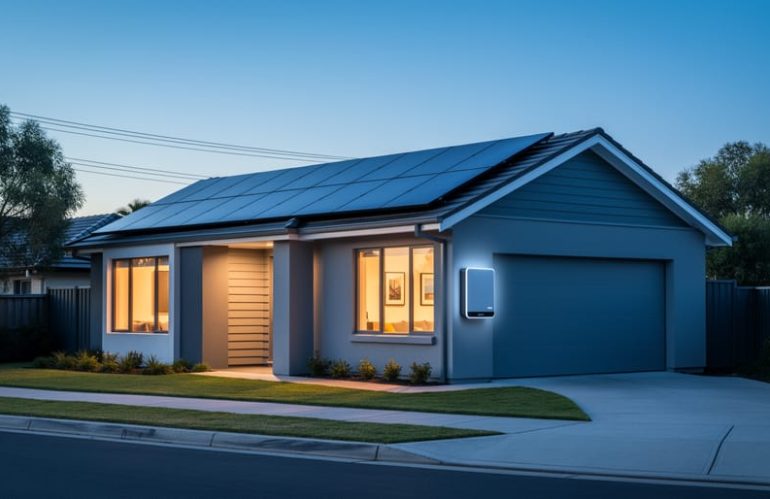
Your monthly electric bill doesn’t have to be a mystery you can’t control. A residential energy management system puts you in the driver’s seat, transforming your home into an intelligent network that monitors every watt, optimizes when you use power, and maximizes savings from solar panels and battery storage. Think of it as the brain behind your home’s energy independence—automatically shifting heavy energy use to times when electricity is cheapest, storing excess solar power for evening use, and keeping your lights on during grid outages.
The financial case is straightforward: homeowners with these …
Author: richard
Why T-Type Inverters Are Changing Home Solar Forever
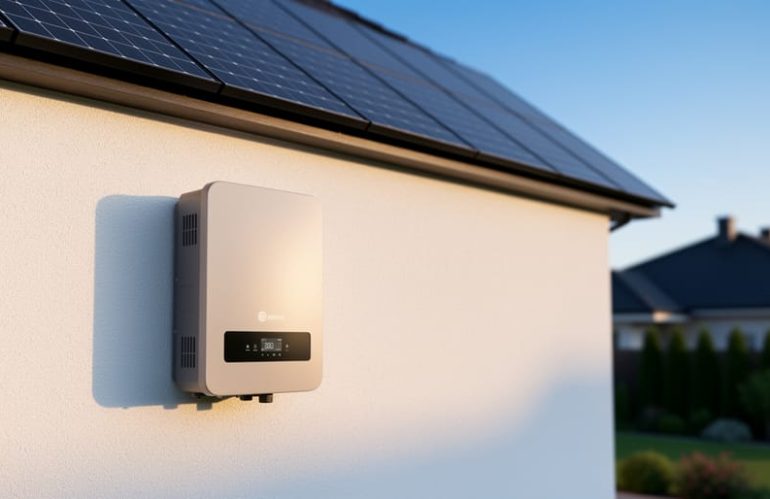
T-type inverters represent the latest evolution in solar technology, delivering better efficiency and longer lifespan than traditional string inverters while costing less than complex microinverter systems. This three-level topology reduces heat generation and electrical stress on components, translating directly to fewer breakdowns and more consistent power production for your home.
Think of it as the middle-ground solution that captures advantages from both worlds. Where standard inverters work harder and wear out faster under challenging conditions, T-type inverters maintain stable performance across varying weather and grid …
Why Drones Are Revolutionizing Rooftop Solar Inspections in Cities
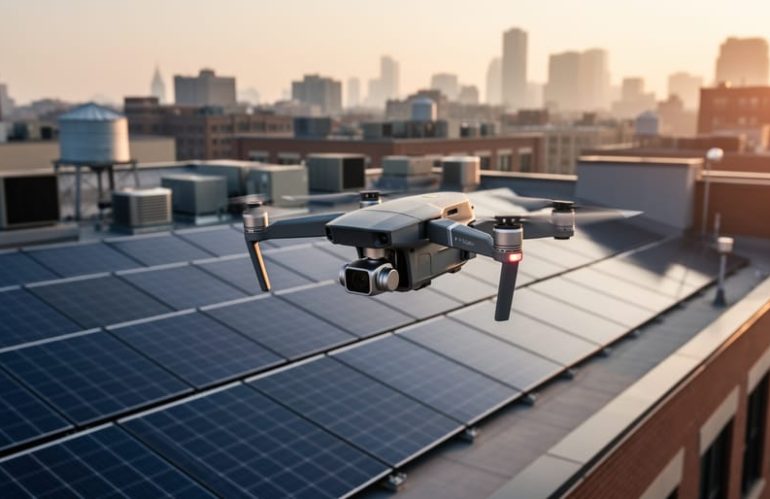
Your solar panels could be underperforming by 20-30% without you ever knowing it. Traditional roof inspections miss crucial problems like micro-cracks, hotspots, and faulty connections that silently drain your energy production and savings. Drone solar inspections have changed this entirely.
Using thermal imaging cameras and high-resolution photography, drones can scan your entire solar array in minutes, detecting issues invisible to the naked eye. What once required costly manual inspections with technicians climbing on your roof now happens safely from the air, delivering detailed reports that pinpoint exactly where problems exist…
Your Solar Investment Needs Protection (Here’s What Insurance Actually Covers)
Your solar panels represent a significant financial investment—often $15,000 to $30,000—and understanding insurance protection ensures you won’t face unexpected costs if something goes wrong. Most homeowners don’t realize their existing homeowners insurance may already cover solar panel damage from weather events, but coverage gaps and exclusions can leave you vulnerable to expensive repairs or replacement costs.
Solar farm insurance isn’t just for massive commercial operations. Whether you’ve installed rooftop panels or a small ground-mounted system, proper coverage protects against hail damage, fire, …
Why Your Solar Installation Could Be Stuck in Line for Years (And What You Can Do About It)
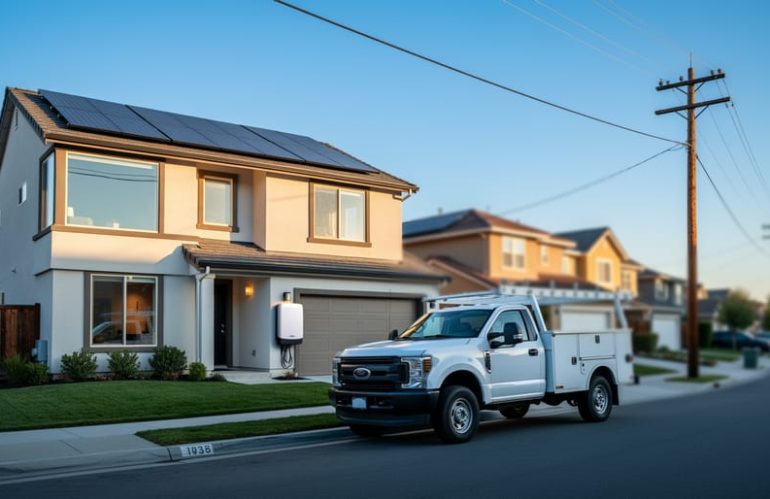
You’ve decided to go solar, submitted your application, and then heard those unexpected words: “You’re in the interconnection queue.” For thousands of homeowners across America, this utility backlog has become the surprising roadblock between signing contracts and flipping the switch on clean energy savings.
The grid interconnection queue is essentially a waiting list maintained by your utility company to review and approve new solar systems connecting to the electrical grid. What once took weeks now stretches into months—sometimes over a year in congested markets—as utilities struggle with unprecedented …
How Home Energy Systems Free You From the Grid (And Save You Money)
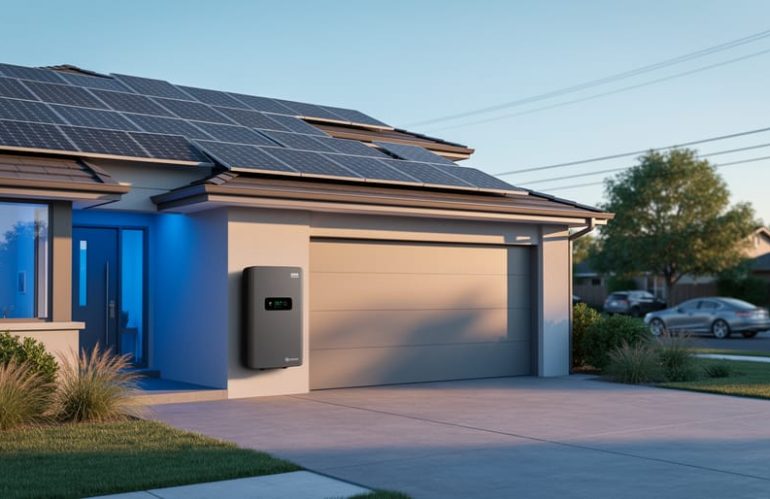
Imagine never worrying about rising electricity bills again. An independent energy system—combining solar panels, battery storage, and smart energy management—gives your home the power to generate, store, and use its own electricity, dramatically reducing or even eliminating your dependence on the utility grid.
For homeowners tired of unpredictable energy costs and concerned about blackouts, these systems represent a practical path to energy freedom. You’re not just installing equipment; you’re taking control of one of your home’s biggest recurring expenses while protecting yourself from grid failures and rate …
How GM’s V2H Technology Slashes Your Electric Bill While Keeping Your Lights On
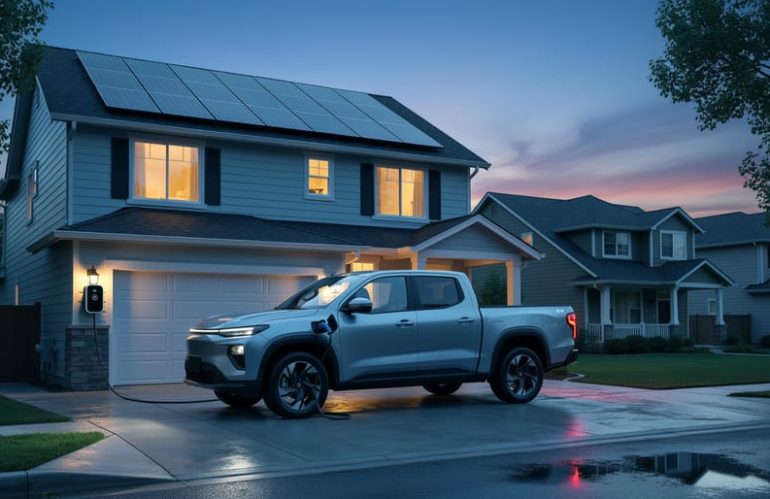
Picture this: Your electric vehicle sitting in your driveway transforms into a massive backup battery, powering your refrigerator during an outage, slashing your electricity bills during peak hours, and working seamlessly with your residential solar panels to create true energy independence. That’s exactly what GM’s vehicle-to-home technology delivers.
GM V2H turns your electric Silverado, Sierra, or Blazer into a mobile power station that can run your entire …
How Wind Energy in Virginia Could Slash Your Home Energy Costs

Virginia’s coastal winds are powering a renewable energy revolution that’s reshaping how homeowners think about energy independence. The Commonwealth is rapidly expanding its offshore wind capacity, with the Coastal Virginia Offshore Wind project set to become one of America’s largest renewable energy installations by 2026, generating enough clean electricity to power 660,000 homes.
This massive shift affects you directly, even if wind turbines never spin on your property. As wind energy feeds more clean power into Virginia’s electrical grid, it stabilizes energy costs, reduces reliance on fossil fuels, and …
Why 100-Watt Solar Panels Could Be Your Home’s Best Energy Investment
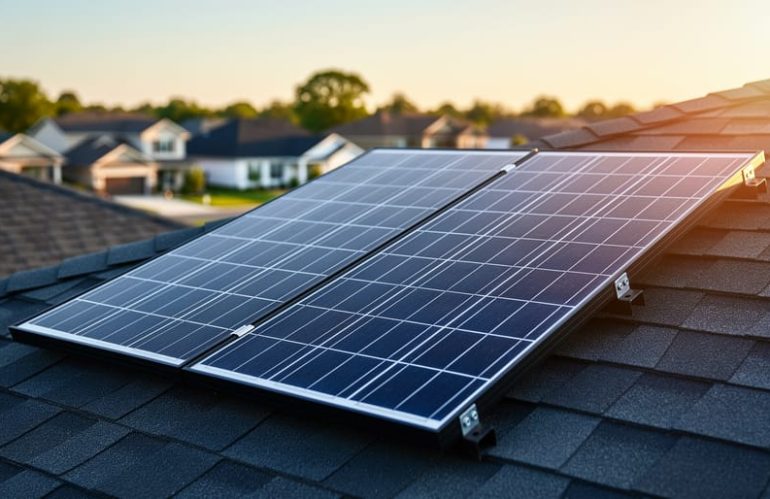
A 100-watt solar panel won’t power your entire home, but dismissing it as inadequate means missing one of the smartest entry points into solar energy. These compact panels generate enough electricity daily to run your laptop, charge multiple devices, slash standby power costs, and knock $10-20 off your monthly bill when used strategically. The confusion around “100 efficient” stems from a common misconception: shoppers often conflate wattage capacity with efficiency percentage, two completely different measurements that determine whether these panels make financial sense for your situation.
Understanding what 100 …
Why Bi-Directional Inverters Are Changing Home Energy Forever
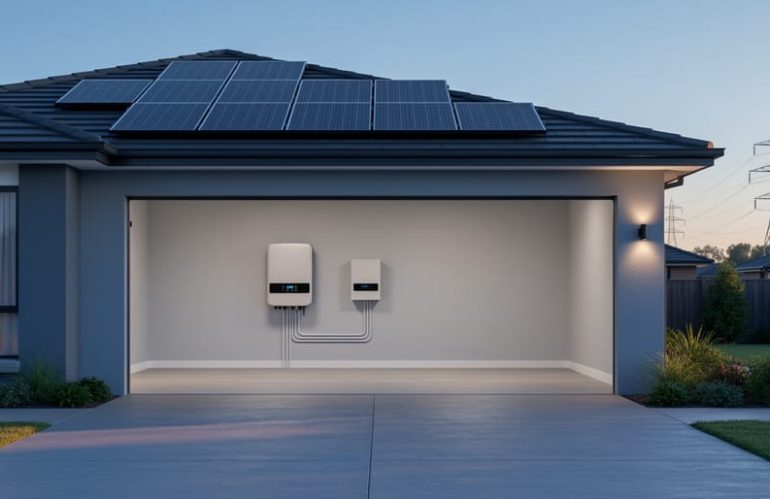
Your solar panels can now do something revolutionary: send power back to the grid during outages while keeping your home running. That’s the game-changing promise of bi-directional inverters, technology that’s transforming how homeowners think about energy independence and resilience.
Unlike traditional inverters that simply convert solar energy for your home’s use, bi-directional inverters manage a two-way conversation between your solar system, battery storage, and the electrical grid. When storms knock out power in your neighborhood, your lights stay on. When energy prices spike during peak hours, you’re …