
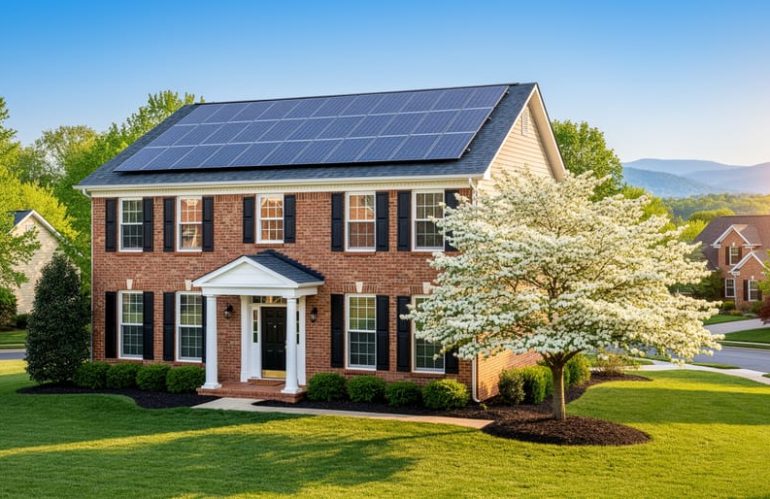
Searching for “VA solar panel program” typically brings up confusion—there’s no Department of Veterans Affairs solar program, but Virginia homeowners have access to substantial state and federal incentives that can cut solar installation costs by 30-50%. Virginia residents qualify for the federal solar Investment Tax Credit (ITC), which covers 30% of your system cost, plus state-specific programs like net metering that credits you for excess energy your panels produce. These financial benefits make exploring whether …
Author: richard
How Blockchain Technology Protects Your Solar Investment From Tampering and Theft
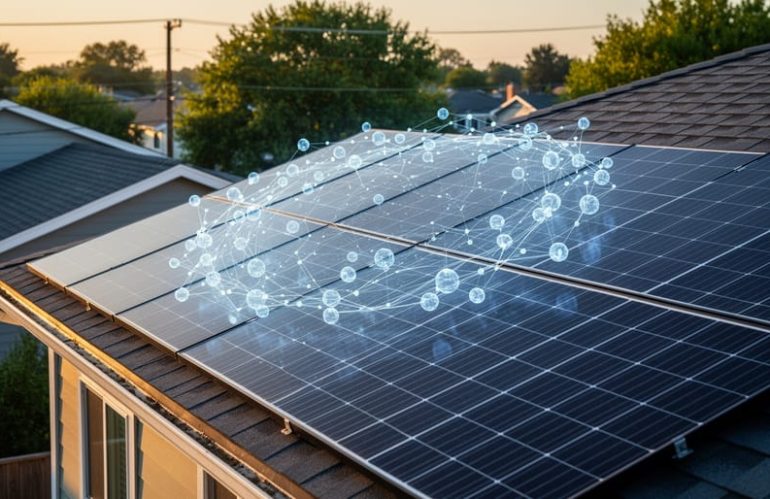
Your solar panels generate clean energy and savings every day, but without proper tracking, you could be losing money to billing errors, system inefficiencies, or even energy theft. Blockchain technology creates an unchangeable digital record of every kilowatt your system produces, acting like a financial shield that protects your solar investment from discrepancies and ensures you receive full credit for the power you generate.
Think of blockchain as a digital notary that timestamp-stamps your energy data every few minutes, making it virtually impossible for anyone to alter your production records or dispute your solar credits. …
What Actually Makes Up the Cost of a Solar System?
When homeowners ask how much solar costs, they’re usually thinking about panels. In reality, panels are only one slice of a much larger pie.
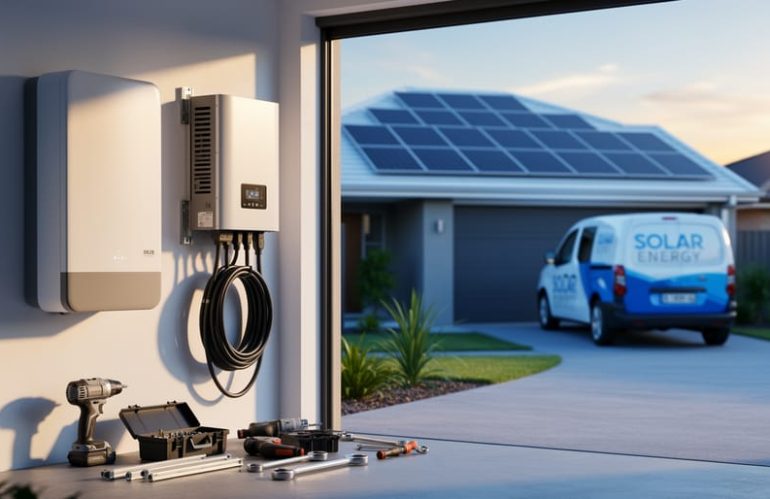
A residential solar system price reflects panels, an inverter, electrical labour, mounting brackets and cabling, battery storage, and the installer’s operating margin. Each piece carries a different weight in the final number.
Using a typical mid-sized system with battery storage (6.6kW as in this example), here’s how the cost usually breaks down.
…
Green Tracks: How Solar Energy Is Powering the Future of Horse Racing Facilities
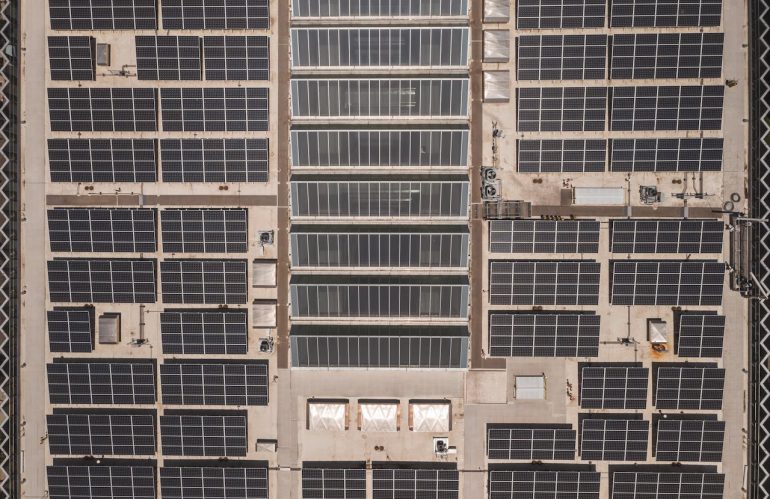
Even though it doesn’t seem like it, horse racing facilities have always been energy-hungry places. Most people think of them as barns where horses stay, and the only power consumption happens when the lights are turned on. But most horse racing facilities are massive barns that need ventilation year-round, scoreboards, broadcast equipment, offices, restaurants, a kitchen, and a parking structure, and most of them act as hotels where people can stay for a few days.
So, yes, they consume a lot of energy, and for a sport that’s as “green” as horse racing (or trying to be), advancing to solar power energy is the right step. …
How a Zero Energy Home Pays for Itself (While Cutting Ties with Your Utility)
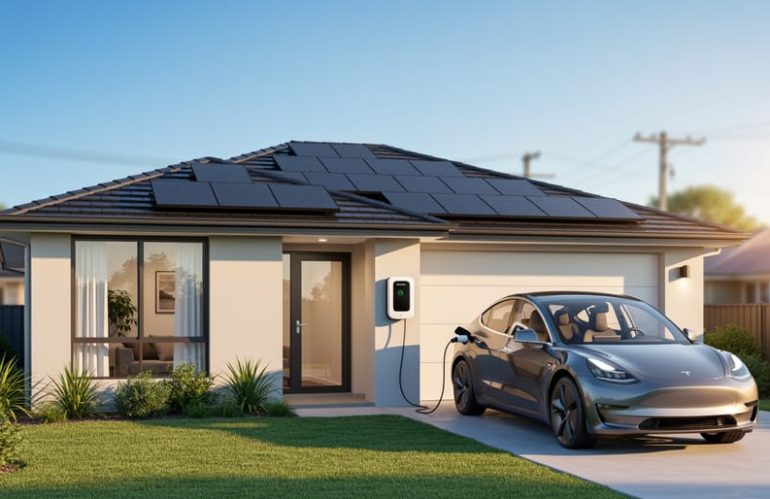
Imagine waking up to sunlight that powers your coffee maker, charges your electric vehicle, and keeps your home comfortable—all while your electric meter runs backward, earning you credits instead of bills. A zero energy home produces as much clean energy as it consumes over the course of a year, transforming you from an energy consumer into an energy producer. This isn’t science fiction or a luxury reserved for the wealthy. It’s an achievable reality that thousands of homeowners are embracing right now, combining smart design, solar technology, and intelligent energy management to eliminate their power bills permanently….
Integrating Solar Panels into Contemporary Home Design
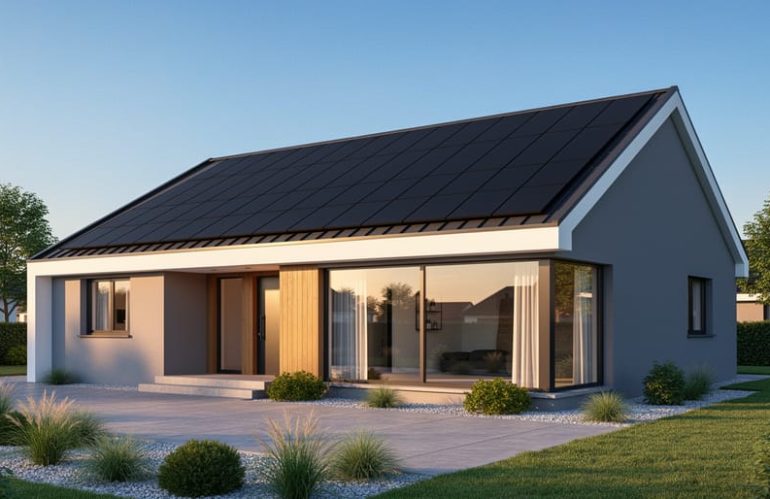
Solar panels are no longer a purely technical upgrade. In contemporary home design, they are becoming part of the architectural language itself. Homeowners now expect clean rooflines, intentional placement, and systems that enhance both performance and appearance. When planned correctly, solar can reinforce modern design principles, efficiency, simplicity, and honesty in materials. This guide explains how to integrate solar panels into contemporary homes without compromising …
How Guest Posting Can Fill Your Solar Installation Calendar (Without Paid Ads)
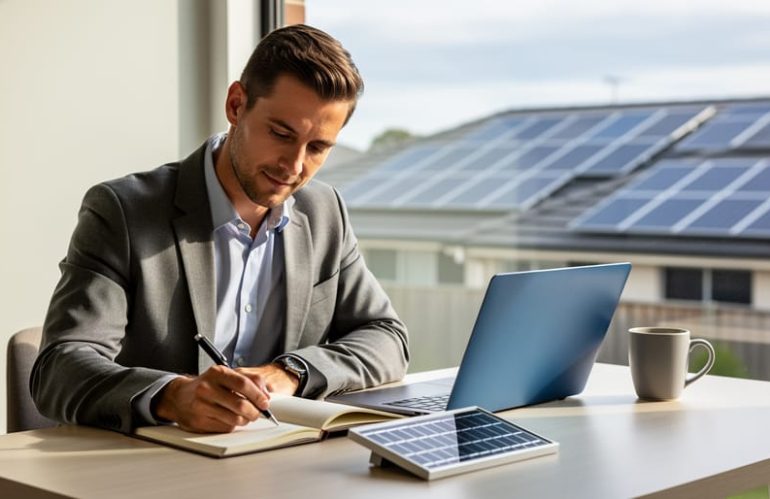
Leverage a guest posting service to position your solar company as an industry authority while driving qualified homeowners to your website. This targeted content marketing strategy places expert articles on established home improvement, sustainability, and energy-saving websites where your ideal customers already spend time researching solutions.
Solar companies face unique marketing challenges. Homeowners researching solar panels often feel overwhelmed by technical specifications, upfront costs, and installation complexities. They’re actively seeking trustworthy voices to guide …
Solar Panels That Last: Why Reliability Makes Home Solar Worth Every Penny
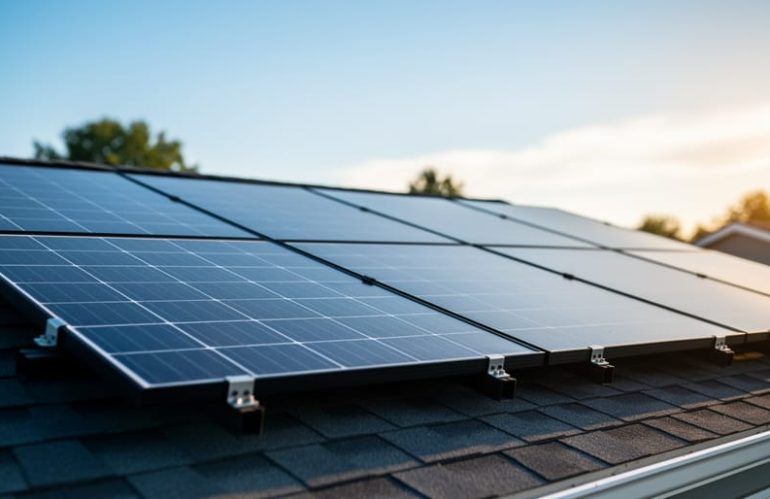
You’re staring at your electricity bill, wondering if those solar panels your neighbor installed are actually the smart investment they claim—or just an expensive gamble that’ll need replacing in a few years.
The short answer: modern solar panels last 25-30 years with minimal performance loss, making them one of the most reliable home upgrades you can make. But longevity alone doesn’t answer whether solar is worth it for your specific situation. What matters is whether those decades of durability translate into real financial returns that justify the upfront cost.
Here’s what most homeowners don&#…
Protect Your Solar Investment When the Sun Still Shines (But Your System Doesn’t)
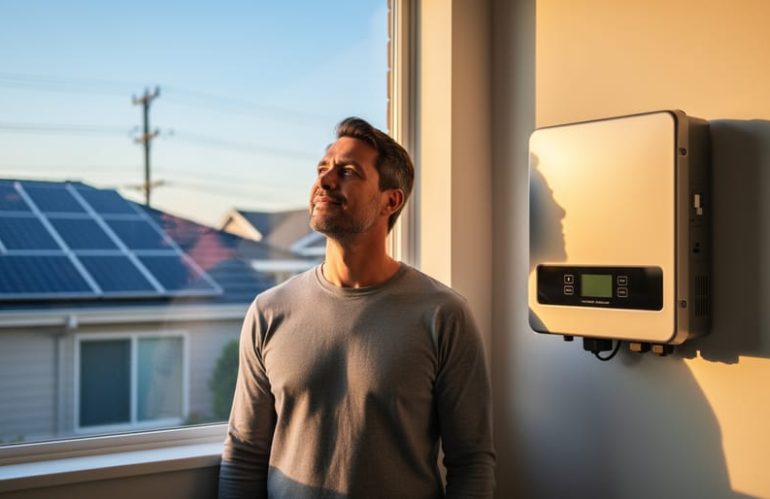
Your solar panels are generating clean energy and slashing your electricity bills—but what happens when your system goes offline for weeks due to storm damage, equipment failure, or grid issues? Many homeowners don’t realize that during system downtime, they’re not only losing the energy their panels would produce, but they’re also paying full price to the utility company for every kilowatt they consume.
Business interruption insurance for solar energy systems protects you from these unexpected financial losses. Unlike standard homeowners insurance that covers physical damage to your panels, this specialized …
When Your Solar Panels Are Costing You Money (It’s Time to Repower)
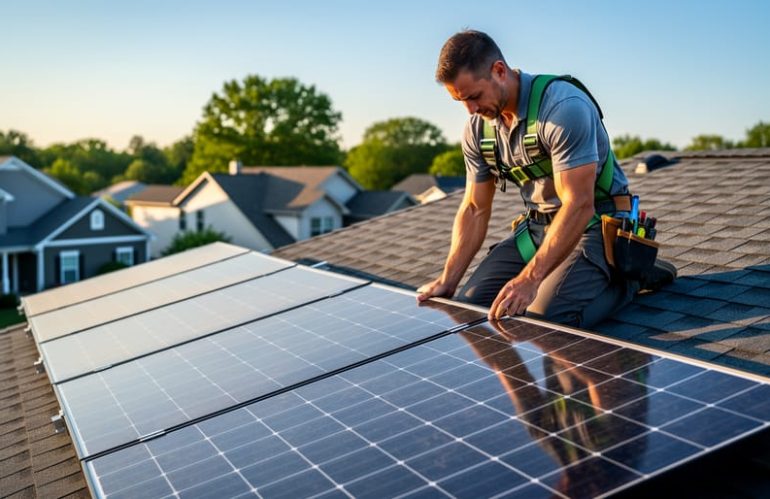
Your solar panels won’t last forever, but you don’t need to panic when they start showing their age. Most residential solar systems begin losing efficiency after 15-20 years, producing 10-20% less electricity than when they were new. If your energy bills have been creeping up or your system isn’t generating what it used to, upgrading might save you more money than you think.
The good news? Modern solar technology has improved dramatically since you first went solar. Today’s panels are more efficient, durable, and affordable than ever before. You have real options beyond replacing everything from scratch, and …