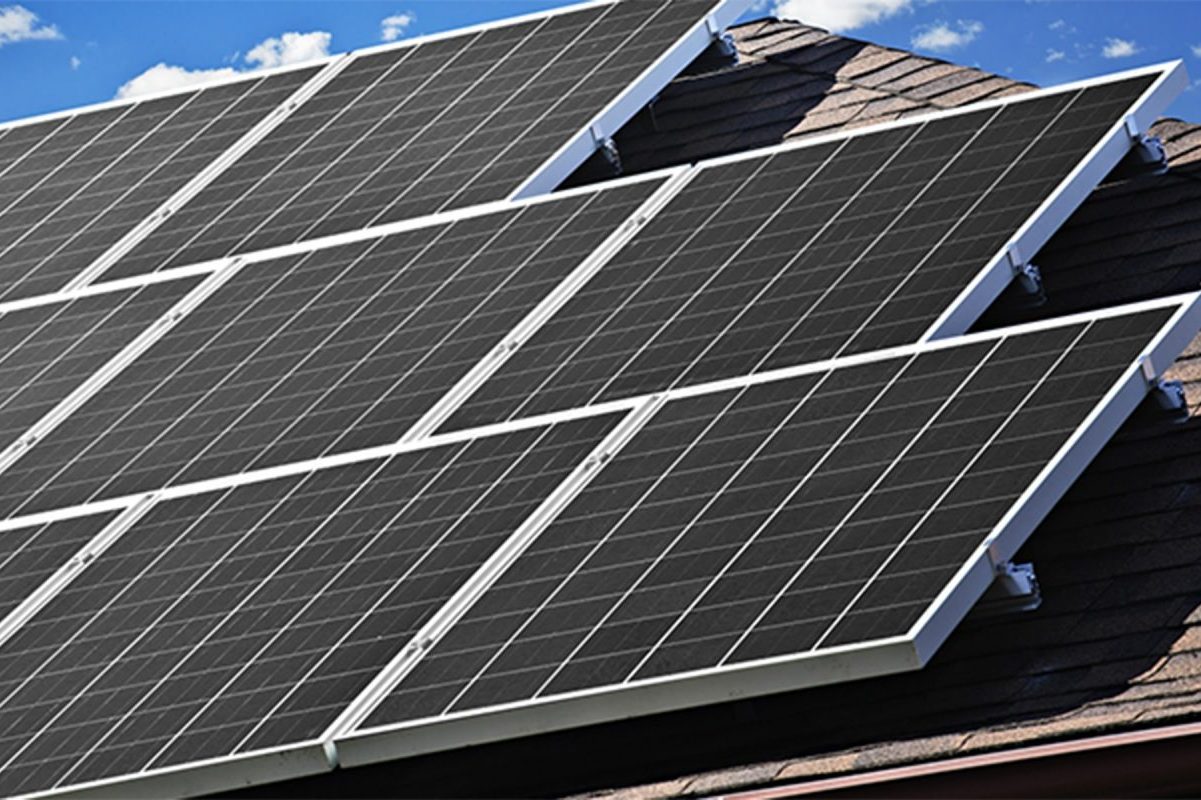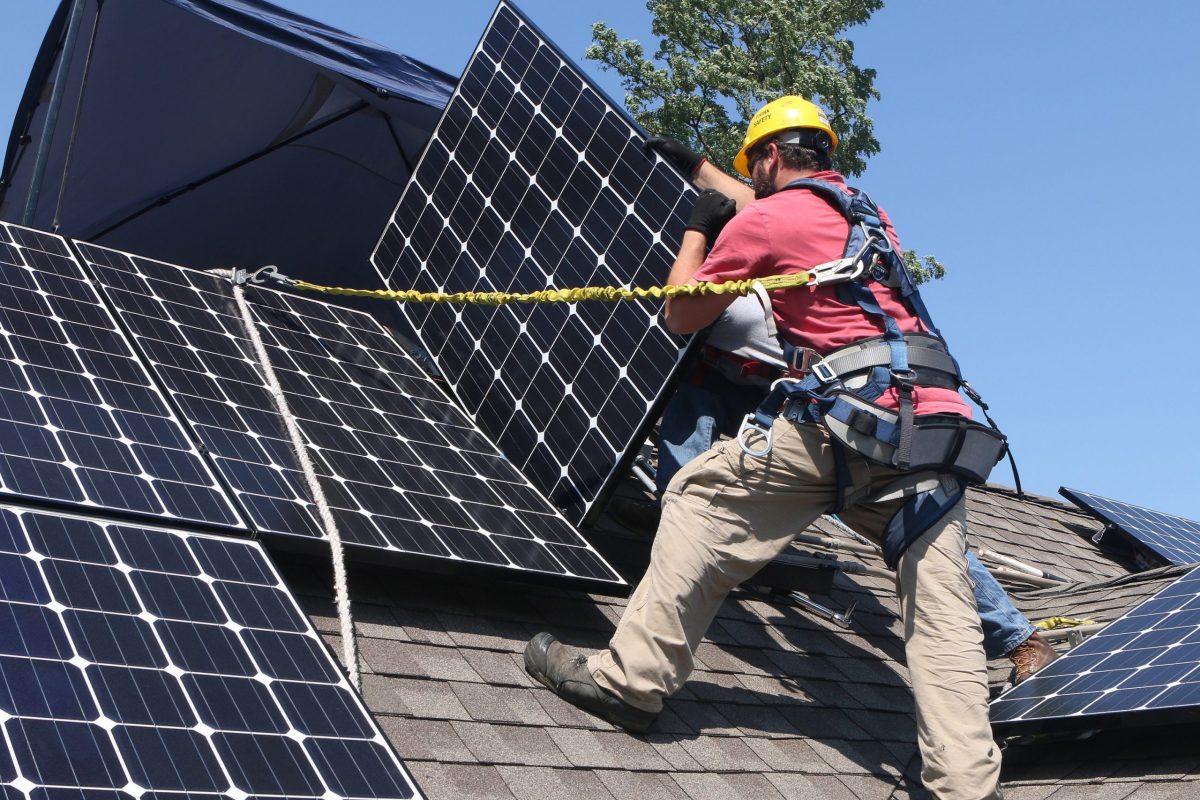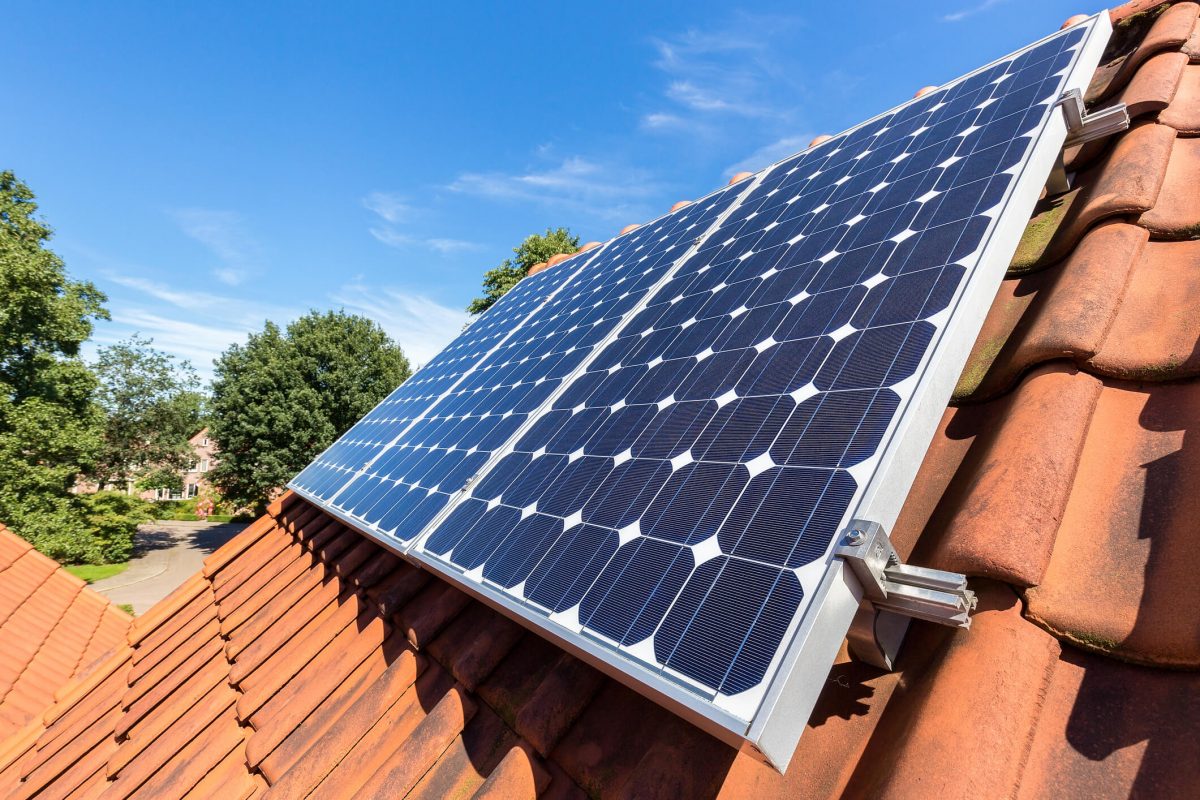
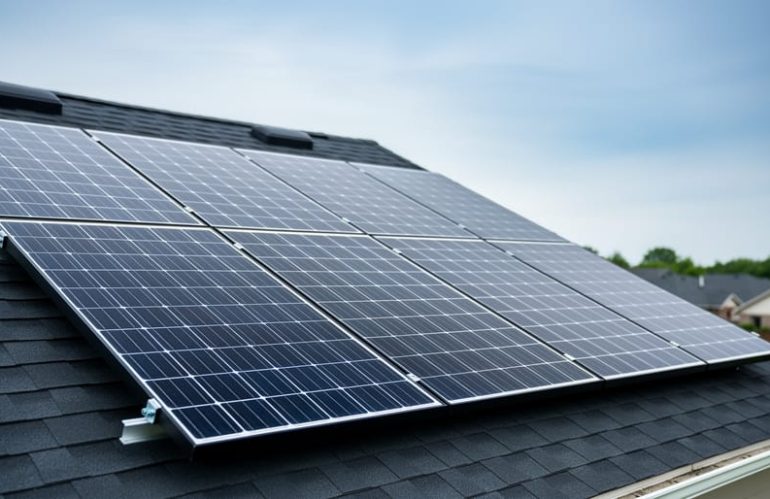
Solar panels for cloudy weather are photovoltaic systems specifically designed or selected to generate electricity efficiently even when direct sunlight is limited or obscured by cloud cover. These panels capture diffuse light, the scattered sunlight that filters through clouds, converting it into usable energy for your home.
If you’ve been told solar won’t work in your region because it’s too cloudy, you’ve encountered one of the most persistent myths in renewable energy. The truth is far more encouraging. Solar panels don’t need blazing sunshine to produce power. They need light, and cloudy skies still deliver plenty of it. Germany, one of the world’s solar leaders, generates massive amounts of solar energy despite having cloud cover comparable to Seattle or London. The technology works, and it works reliably.
The question isn’t whether solar panels function in cloudy weather. They do. The real questions are how well they perform, which panel types deliver the best results in overcast conditions, and whether the investment makes financial sense for your specific situation.
This article breaks down exactly how solar panels convert diffuse light into electricity, which technologies handle cloudy conditions most effectively, and what kind of energy output you can realistically expect. You’ll see real-world performance data from cloudy regions, understand the key differences between panel types, and get clear answers about costs and savings. By the end, you’ll know whether solar is a smart choice for your home, even if blue skies are rare where you live.
What Solar Panels for Cloudy Weather Really Mean
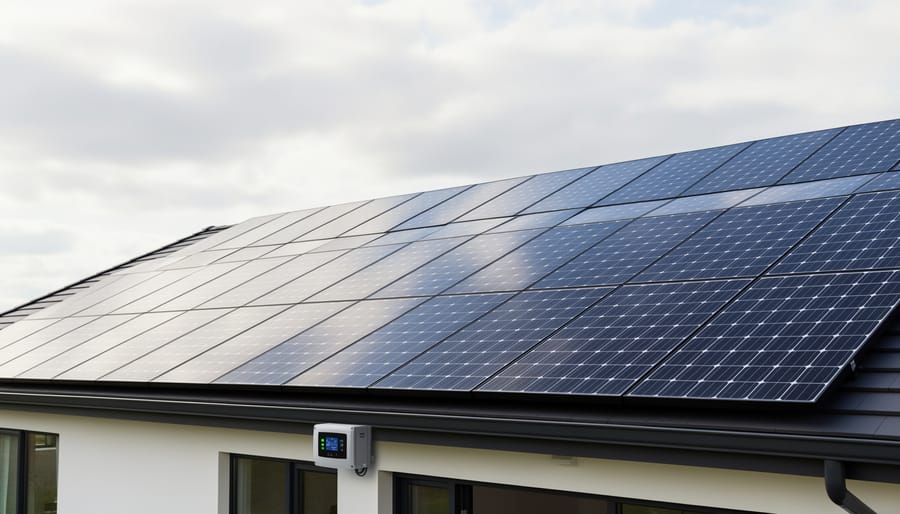
When homeowners ask about “solar panels for cloudy weather,” they’re often surprised to learn there’s no special category of panels designed exclusively for overcast conditions. Instead, the term describes standard solar technologies, particularly high-efficiency models, that perform better at capturing indirect and scattered light. The difference isn’t a magic cloudy-weather feature, it’s engineering that maximizes photon capture regardless of whether sunlight arrives directly or filtered through clouds.
Modern solar panels generate electricity from any available light, not just blazing sunshine. Even on gray days when you can’t see your shadow, panels are converting diffuse light into usable power. The key is choosing panels with the right efficiency characteristics and understanding what performance you can realistically expect.
- Diffuse Light
- Sunlight scattered by clouds, fog, or atmospheric particles that reaches panels indirectly from all directions. This is what powers your solar array on overcast days.
- Direct Sunlight
- Unobstructed light traveling straight from the sun to your panels, creating maximum energy output. Panels can function without it.
- Panel Efficiency Rating
- The percentage of sunlight a panel converts to electricity under ideal lab conditions. Higher ratings (20-22%+) mean better performance in all lighting conditions, including cloudy weather.
- Low-Light Performance
- A panel’s ability to generate electricity in reduced illumination like dawn, dusk, or overcast skies. Premium panels maintain a higher percentage of their rated output in these conditions.
The myth that solar only works in desert climates persists because people confuse optimal with viable. Sure, Arizona gets more peak sun hours than Seattle, but Seattle homeowners are still reducing their energy bills and seeing solid returns on investment. Germany, hardly a sun-drenched paradise, ranks among the world’s top solar adopters precisely because the technology works in real-world weather patterns.
What matters for financial viability isn’t constant sunshine, it’s total annual energy production, system cost, local electricity rates, and available incentives. In many foggy coastal regions, high electricity costs actually make solar more financially attractive than in sunnier areas with cheap grid power.
How Solar Panels Generate Power in Overcast Conditions
The Role of Diffuse Light
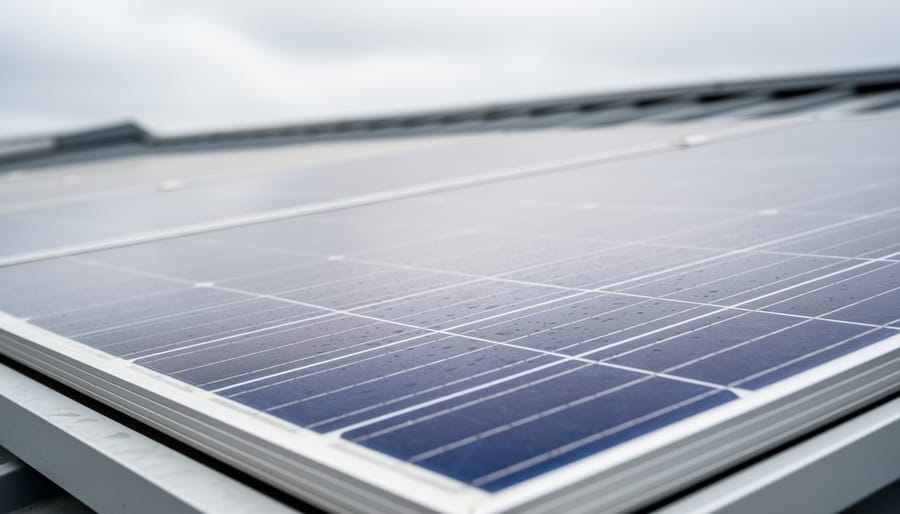
When clouds cover the sky, sunlight doesn’t simply vanish, it scatters. Those clouds act like a massive diffuser, breaking direct rays into countless light particles called photons that bounce around in all directions. Your solar panels capture these photons just as effectively as they do direct sunlight, though the volume is lower.
Think of it this way: on a cloudy day, you can still read a book outside without a flashlight. That’s diffuse light at work. The same principle applies to solar panels. The photovoltaic cells inside don’t distinguish between “direct” and “scattered” photons, they convert both into electricity through the same photoelectric process.
What changes is quantity, not capability. A typical solar panel might generate 10-25% of its rated capacity under thick cloud cover, compared to 100% in direct sunshine. But here’s what matters: that reduced output still accumulates over time. In regions where cloudy days outnumber sunny ones, your panels are working consistently rather than waiting for perfect weather that rarely comes.
The key isn’t whether your panels can use diffuse light, they absolutely can, it’s choosing technology efficient enough to make the most of it.
Why Efficiency Matters More in Low-Light Climates
When you live in a fog-prone or overcast region, every photon counts. That’s why panel efficiency, the percentage of sunlight converted into usable electricity, becomes dramatically more important in low-light climates than in sunny ones.
In consistently sunny areas, even mid-efficiency panels receive enough direct sunlight to meet most household energy needs. The difference between a 17% efficient panel and a 22% efficient one might save you a bit of roof space, but both will generate plenty of power. In cloudy climates, however, that five-percentage-point gap translates to significantly more electricity production from the same limited light conditions.
Here’s the practical impact: a higher-efficiency panel captures more energy from the diffuse light filtering through clouds, meaning you generate enough power to offset your utility bills even when the sky stays gray for weeks. Lower-efficiency panels in the same conditions might leave you relying more heavily on grid power, reducing your savings and extending your payback period.
Temperature also plays a role. Solar panels actually perform better in cooler conditions, which overcast regions naturally provide. A high-efficiency panel in a cool, cloudy climate can sometimes match the total energy output of a lower-efficiency panel in a hot, sunny location, making the upfront investment in premium panels particularly worthwhile when sunshine is scarce.
Types of Solar Panels That Excel in Cloudy Climates
Monocrystalline: The Low-Light Champion
Monocrystalline panels consistently outperform other solar technologies when the sun disappears behind clouds or fog. Their single-crystal silicon construction creates a more uniform surface for capturing photons, which translates to efficiency ratings typically between 18% and 22%. In practical terms, this means your panels generate more electricity per square foot even when light is scattered and diffuse.
The real advantage shows up on gray days. While all panels experience reduced output in overcast conditions, monocrystalline cells maintain a higher percentage of their rated capacity compared to polycrystalline alternatives. This matters significantly when you’re dealing with weeks of consecutive cloudy weather.
Temperature also works in your favor. Monocrystalline panels actually perform better in the cooler conditions that accompany fog and overcast skies. Unlike the common assumption that solar needs heat, these panels operate more efficiently at lower temperatures, making them ideal for coastal regions where marine layers and cool ocean breezes are the norm.
The upfront cost runs higher than polycrystalline options, but homeowners in fog-prone climates typically recover that investment faster because each panel produces more electricity year-round. You’ll need fewer panels to meet your energy goals, which can offset some of the price premium.
Polycrystalline: The Budget-Conscious Option
Polycrystalline panels offer a cost-effective entry point for homeowners in overcast regions who want to go solar without premium pricing. These panels use multiple silicon crystals rather than a single crystal structure, which makes them cheaper to manufacture but slightly less efficient at capturing diffuse light compared to monocrystalline options.
In cloudy conditions, polycrystalline panels typically operate at 13-16% efficiency versus the 17-22% you’ll see with monocrystalline technology. What this means in practical terms: you’ll need about 15-20% more roof space to generate the same amount of electricity. For a typical 6kW home system in a fog-prone climate, that might translate to needing 22-24 panels instead of 18-20.
The trade-off makes sense if you have ample roof space and want to minimize upfront costs. You’ll still see solid energy production on gray days and achieve payback within 8-12 years in most overcast regions. The panels carry the same 25-year warranties as pricier options, making them a financially sound choice for budget-conscious homeowners committed to solar.
Thin-Film: When Space Isn’t Limited
Thin-film panels offer a compelling option when roof or ground space isn’t a constraint. While they produce less power per square foot than crystalline panels, they maintain remarkably consistent performance in diffuse light conditions, the scattered, indirect sunlight that dominates cloudy climates.
These panels work well for large commercial roofs, ground-mounted arrays with ample land, or buildings where weight restrictions rule out heavier crystalline options. They’re also less affected by partial shading from fog or passing clouds, bouncing back to full production faster than their crystalline counterparts.
The real advantage? Thin-film panels perform more predictably throughout the day in overcast conditions, avoiding the sharp output drops that monocrystalline panels sometimes experience when light shifts from direct to diffuse. If you’ve got the space and want stable, reliable output in gray weather without paying premium prices for high-efficiency panels, thin-film technology deserves consideration. Just plan for about 50% more installation area compared to monocrystalline systems.
Real-World Applications: Where Cloudy-Climate Solar Thrives
Germany leads the world in solar capacity despite weather comparable to Alaska. Seattle homeowners routinely cut their electricity bills by 50-70% with solar, even though the city sees fewer than 60 clear days per year. San Francisco, famous for its fog, has one of the highest residential solar adoption rates in the United States. The myth that you need constant sunshine has been thoroughly debunked by real-world results.
In the Pacific Northwest, residential solar installations have grown by over 40% since 2024. Portland and Eugene, Oregon, cities known for overcast skies, now have thousands of homes generating their own power. These homeowners aren’t waiting for perfect weather; they’re capturing diffuse light year-round and banking credits through net metering programs during their sunnier spring and summer months. Coastal California, from Humboldt County down through the Bay Area, shows similar patterns. The marine layer that blankets these regions for months doesn’t prevent solar panels from producing consistent energy.
Cloudy-climate solar excels in several practical applications:
- Residential energy offset reducing monthly utility bills by 40-80% annually
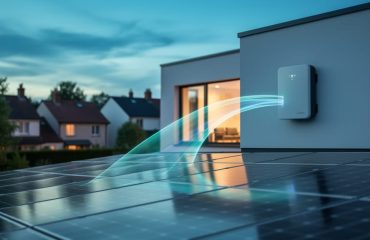
- Pairing with battery storage systems to maximize self-consumption and provide backup power during outages
- Net metering advantages that credit excess production during longer summer days against winter consumption
- Backup power systems that maintain critical loads during grid failures, particularly valuable in storm-prone coastal areas
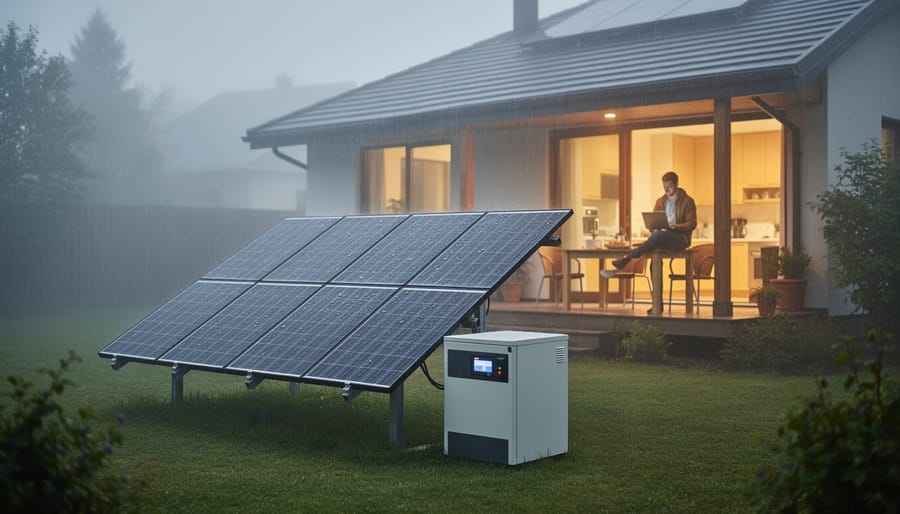
The battery storage pairing has become especially popular in overcast regions. A typical 10-kilowatt system with 13-kilowatt-hour battery storage allows homeowners to store midday production and use it during evening peaks, when utility rates climb. This combination delivers energy independence that pure grid reliance can’t match, even when the sky stays gray for weeks.
The Midwest presents another success story. Michigan, Wisconsin and Minnesota, states with long, cloudy winters, have seen residential solar installations triple since 2022. Homeowners in these regions focus on annual production rather than daily output. Their panels generate enough during spring and summer to offset winter shortfalls, with net metering banking those sunny-month credits. The cooler temperatures actually boost panel efficiency, partially compensating for reduced light intensity. You don’t need palm trees and blazing sun to make solar work financially; you need the right system design and realistic expectations about seasonal production patterns.
What to Look for When Choosing Panels for Low-Light Conditions
Shopping for solar panels when you live in a foggy or overcast region requires focusing on different specs than someone in Arizona would prioritize. Here’s what actually matters for your climate.
Start with efficiency ratings above 20%. In low-light conditions, every percentage point counts because you’re working with less total sunlight hitting your roof. A panel rated at 22% efficiency will produce roughly 10% more electricity from the same cloudy sky compared to a 20% model. That difference compounds over decades.
Temperature coefficient is where cloudy climates shine, literally and financially. This number, expressed as a percentage per degree Celsius, tells you how much output drops as panels heat up. Most panels lose 0.3% to 0.5% of their power for every degree above 25°C. In your cool, overcast environment, panels stay closer to optimal temperature all year. You’re actually harvesting more of your system’s rated capacity than homeowners in blazing sunshine who deal with heat-related efficiency losses.
Examine warranty terms closely. Look for 25-year performance guarantees that promise at least 85% output after two decades, and separate product warranties covering defects for 10-12 years minimum. Manufacturers confident in their low-light performance will back it up contractually.
Performance guarantees in varied conditions matter too. Some manufacturers now specify output percentages under diffuse light or overcast skies, not just full sun. If two panels have similar efficiency ratings but one explicitly guarantees better cloudy-day performance, that’s your answer.
For ROI in overcast climates, expect payback periods of 8-12 years depending on your electricity rates and available incentives. Factor in net metering policies, your system will overproduce on occasional sunny days, banking credits for gray stretches. The financial case holds up because you’re offsetting the same expensive grid electricity, regardless of weather. Your annual production might be 15-20% lower than sunnier regions, but your investment still pencils out when electricity costs keep rising.
Common Questions About Solar in Cloudy Weather
Do solar panels work in the rain?
Yes, panels generate electricity during rainy weather by capturing diffuse light passing through clouds. Rain also helps by washing away dust and debris that can reduce efficiency.
How much power do I lose on cloudy days?
Panels typically produce 10-25% of their rated capacity during overcast conditions, depending on cloud thickness and panel quality. This still translates to meaningful energy generation that reduces your utility bill.
Is solar worth it financially in foggy climates?
Absolutely. Homeowners in the Pacific Northwest and other fog-prone regions consistently achieve positive ROI within 6-10 years, thanks to net metering, federal incentives, and the fact that panels perform efficiently in the cool temperatures that accompany cloudy weather.
Do I need batteries if I live somewhere cloudy?
Batteries aren’t required but they maximize savings by storing excess energy produced during occasional sunny periods. Most homeowners start with grid-tied systems and add batteries later once they see their production patterns.
Beyond these common concerns, many homeowners worry unnecessarily about winter performance. Panels actually gain efficiency in cold temperatures, offsetting the shorter daylight hours. The combination of reflected light off snow, cooler operating conditions, and modern panel technology means winter production often exceeds expectations. Your annual energy output matters more than daily fluctuations, and properly sized systems in overcast regions deliver consistent savings year-round. The key is working with installers who understand local weather patterns and can design systems that account for your specific climate reality rather than relying on sunny-state assumptions.
Solar panels work remarkably well in cloudy climates, and the numbers prove it. Regions like Seattle, Portland, and parts of coastal California demonstrate that consistent fog and overcast skies don’t prevent homeowners from achieving significant energy savings. Modern high-efficiency panels capture diffuse light throughout the day, generating electricity even when the sun stays hidden behind clouds.
The financial case remains strong. Lower panel temperatures in cooler, cloudy weather actually boost efficiency compared to scorching desert installations. When you pair solar with battery storage, you’re building energy independence that shields you from rising utility rates for decades. Most homeowners in overcast regions see their systems pay for themselves within 8-12 years, then enjoy free electricity for another 15-20 years beyond that.
Don’t let gray skies hold you back. The technology has evolved specifically to handle low-light conditions, and manufacturers stand behind their products with 25-year performance guarantees. Your foggy climate isn’t a barrier, it’s simply a different environment where solar performs differently but still delivers real value.
If you’ve been waiting for perfect conditions, you’re missing out on savings that started yesterday. Contact local installers who understand your regional weather patterns. Get quotes, review your roof’s potential, and see the projected returns for yourself. The best time to go solar in a cloudy climate was five years ago. The second-best time is right now.