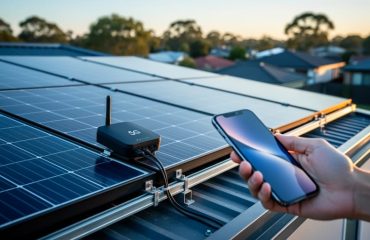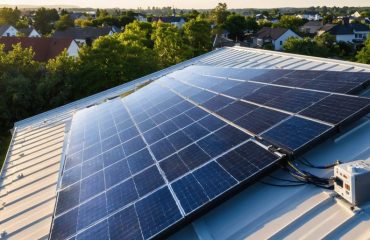
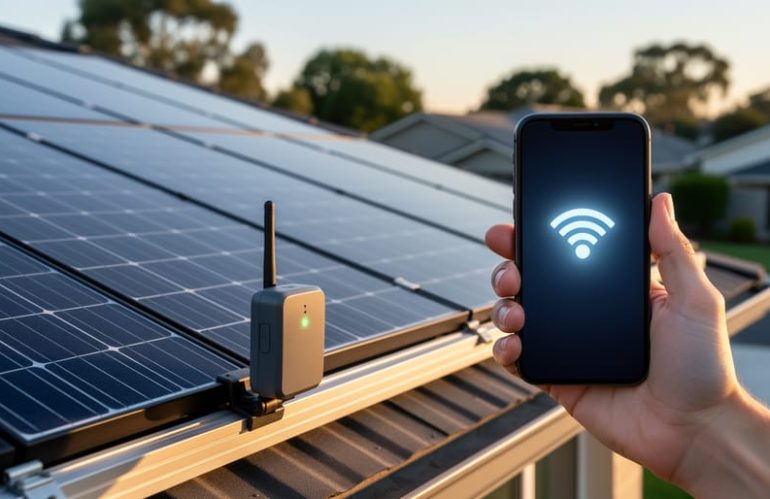
Your solar panels quietly generate power on your roof, but how do you know if they stop working? A Z-Wave alarm panel acts as your solar system’s watchdog, sending instant alerts to your smartphone when energy production drops, equipment malfunctions, or performance dips below expected levels. This simple monitoring solution protects your investment by catching problems before they drain thousands of dollars from your energy savings.
Think of it as a home security system for your solar panels. Instead of waiting weeks or months to notice higher electric bills, you receive real-time notifications the moment something goes wrong. A failing inverter, shaded panels from new tree growth, or damaged wiring all trigger immediate warnings, letting you address issues while they’re still minor and affordable to fix.
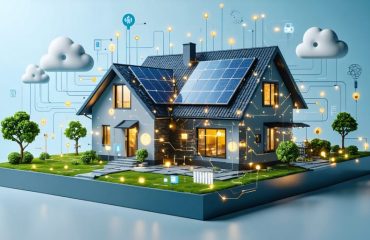
The technology connects seamlessly with your existing smart home setup through Z-Wave wireless communication, requiring no complicated wiring or expensive professional installation. You simply monitor your system’s health from the same app you use for lights, thermostats, and door locks. Most homeowners recoup the modest investment within the first year by avoiding prolonged equipment failures that silently reduce energy production.
Whether you’re planning a new solar installation or already generating clean energy, understanding Z-Wave alarm panels helps you make informed decisions about protecting your system. The right monitoring solution prevents costly downtime, maximizes your return on investment, and gives you peace of mind that your solar panels are performing exactly as promised.
What Is a Z-Wave Alarm Panel for Solar Systems?
The Basics: Wireless Communication Made Simple
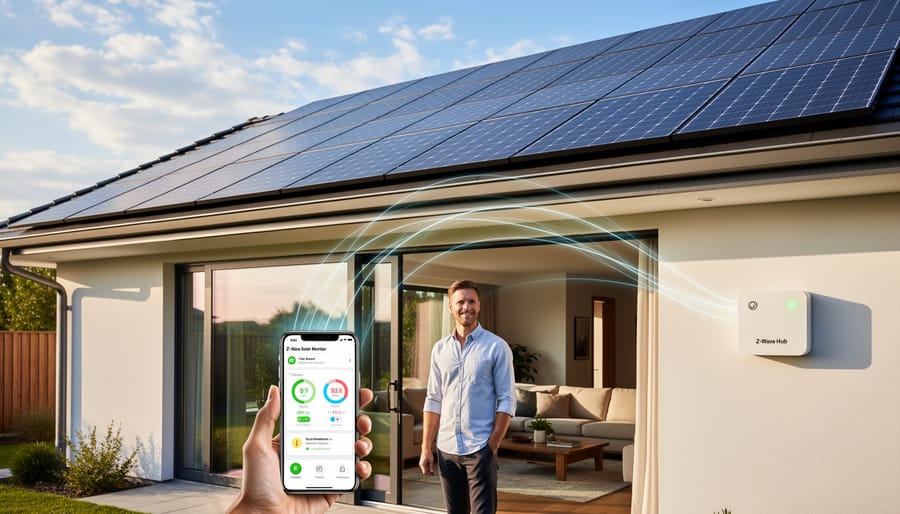
Think of Z-Wave technology like a friendly neighborhood where houses pass messages to each other. Instead of running wires throughout your home, Z-Wave devices communicate wirelessly, creating what’s called a mesh network. Here’s how it works: when your solar monitoring system needs to send information to your alarm panel, it doesn’t have to reach it directly. The signal can hop through other Z-Wave devices in your home, like smart outlets or sensors, until it reaches its destination. This relay system means stronger, more reliable connections throughout your property.
The beauty of this approach is its simplicity. You won’t need an electrician to drill holes or snake wires through walls. Each device you add actually strengthens the network, making communication more robust. For homeowners, this means easy installation, flexibility to expand your system later, and no damage to your home’s structure. It’s smart technology that works quietly in the background, keeping your solar investment protected without the headache of complicated setup.
Why Solar Systems Need Smart Alerts
Solar panels are incredibly reliable, but they’re not immune to problems. Weather events like hailstorms or heavy snow can cause physical damage, while dust buildup and shading can quietly reduce your energy production by 20% or more. Equipment issues, such as inverter failures or loose connections, can stop your system cold without any visible warning signs.
The good news? Most common solar panel issues are easy and inexpensive to fix when caught early. A smart alert system acts like a vigilant guardian, notifying you the moment something goes wrong. Instead of discovering a problem weeks later through a surprisingly high electric bill, you’ll know immediately if your system stops producing at its normal rate.
This instant awareness transforms potential disasters into minor inconveniences. A small wiring issue caught today might cost $100 to repair, but left undetected for months, it could lead to equipment failure costing thousands. Think of alerts as your solar system’s early warning system, protecting your investment around the clock.
How Real-Time Alert Protocols Protect Your Solar Investment
Performance Monitoring That Actually Makes Sense
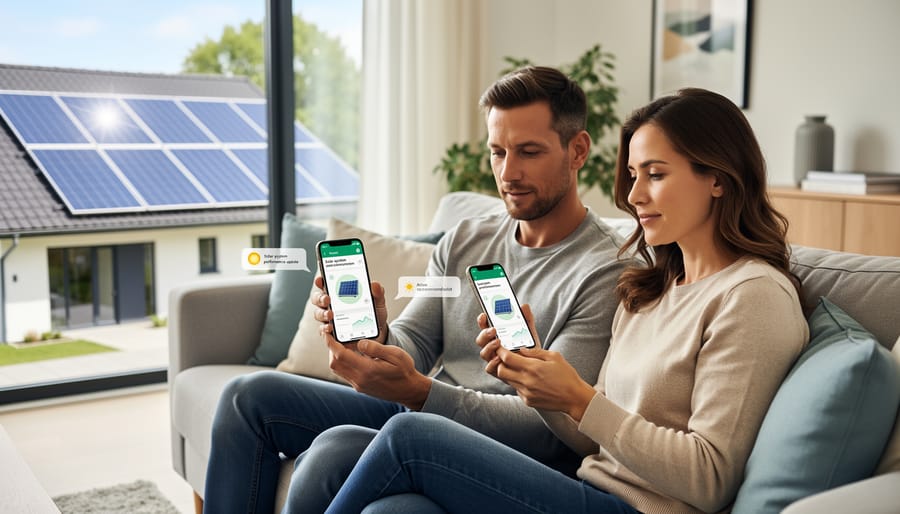
Your Z-wave alarm panel transforms complex solar data into simple, actionable information you can check from anywhere. Through a smartphone app or web dashboard, you’ll see your daily energy production displayed in easy-to-read graphs and numbers. Most homeowners glance at their phones each morning to confirm their panels generated power overnight, just like checking the weather.
The real magic happens with real-time alerts when something goes wrong. If your system suddenly stops producing energy or drops below expected levels, you’ll receive an instant notification. For example, if a tree branch falls on your panels during a storm, you’ll know within minutes rather than discovering it weeks later on your electric bill. These alerts typically show up as push notifications with clear messages like “Solar production 40% below normal” or “System offline since 2:15 PM.”
Many systems also compare your current performance against previous days and weather conditions, helping you understand whether lower production is normal for cloudy weather or indicates a real problem requiring attention.
Safety Alerts You Can’t Ignore
Your z-wave alarm panel acts as a vigilant guardian, instantly notifying you when something isn’t right with your solar system. Think of it as having an expert technician watching over your investment 24/7. The panel detects issues that could cost you serious money if left unaddressed—like electrical faults that might damage your inverter, overheating components that reduce efficiency, or unexpected system shutdowns that mean you’re drawing expensive grid power instead of using your free solar energy.
These alerts arrive on your smartphone the moment a problem occurs, giving you a head start on repairs before minor issues become major expenses. For example, if a circuit breaker trips or your system temperature spikes, you’ll know immediately rather than discovering it weeks later on your electricity bill. This early warning system has saved homeowners thousands in potential repair costs and lost energy production.
The real value isn’t just catching problems—it’s the peace of mind knowing your solar investment is protected. You’ll sleep better knowing that any safety concern triggers an instant notification, allowing you to take action quickly and keep your system running smoothly for decades to come.
Weather and Environmental Warnings
Your Z-wave alarm panel does more than monitor break-ins—it’s your solar system’s weather guardian. By connecting to environmental sensors and online weather services, the system can alert you before severe conditions threaten your investment. When high winds, hail, or extreme temperatures approach, you’ll receive advance notifications on your smartphone, giving you time to take protective action if needed.
The real value shows up in preventing weather-related damage that could cost thousands in repairs. Temperature sensors detect overheating issues before they harm your panels, while rain and moisture sensors identify leaks that might damage electrical components. Some systems even automatically adjust settings during storms, shutting down vulnerable equipment to prevent lightning damage. Think of it as having a weather-aware security guard watching over your solar setup 24/7, protecting both your panels and your long-term savings without requiring constant attention from you.
The Financial Benefits of Instant Notifications
Catching Problems Before They Cost You Money
Think of your Z-Wave alarm panel as an early warning system that pays for itself. Last winter, one homeowner’s monitoring system detected that three panels were producing 40% less power than expected. A quick inspection revealed a small tree branch had fallen during a storm, creating just enough shade to significantly reduce output. The simple fix took minutes, but catching it early saved roughly $200 in lost energy production over the season.
Similarly, monitoring alerts often catch inverter issues within days rather than months. When inverters begin failing, you might not notice anything wrong visually, but your production drops steadily. One family discovered their inverter was underperforming by 25% thanks to their monitoring system’s alerts. The repair was covered under warranty, but without detection, they would have lost approximately $500 in annual production while remaining completely unaware of the problem.
These systems also help identify cleaning needs. When panels get covered with pollen, dust, or debris, production can drop 15-20%. Your monitoring dashboard shows exactly when performance dips, so you know when a simple cleaning will restore full efficiency rather than guessing or following an arbitrary schedule.
Maximizing Your Energy Savings
One of the biggest advantages of a Z-Wave alarm panel connected to your solar system is the ability to see exactly how much money you’re saving in real time. Think of it as a fitness tracker for your home’s energy production. Instead of waiting for your monthly utility bill to arrive and wonder if your solar panels are performing as promised, you get immediate feedback on your system’s output.
The monitoring features help you identify exactly when your panels generate the most power, allowing you to shift energy-heavy tasks like running the dishwasher or charging electric vehicles to peak production hours. This simple adjustment can increase your self-consumption of solar energy by up to 30%, meaning more of your own clean electricity powers your home instead of being sent back to the grid at lower rates.
Over time, the data collected builds a comprehensive picture of your savings trends. You’ll notice seasonal patterns, understand how weather affects production, and quickly spot if performance dips below expectations. This insight empowers you to make informed decisions about your energy usage and ensures your solar investment delivers the financial returns you expected when you installed the system.
Setting Up Z-Wave Monitoring: What Homeowners Need to Know
Is Your Solar System Compatible?
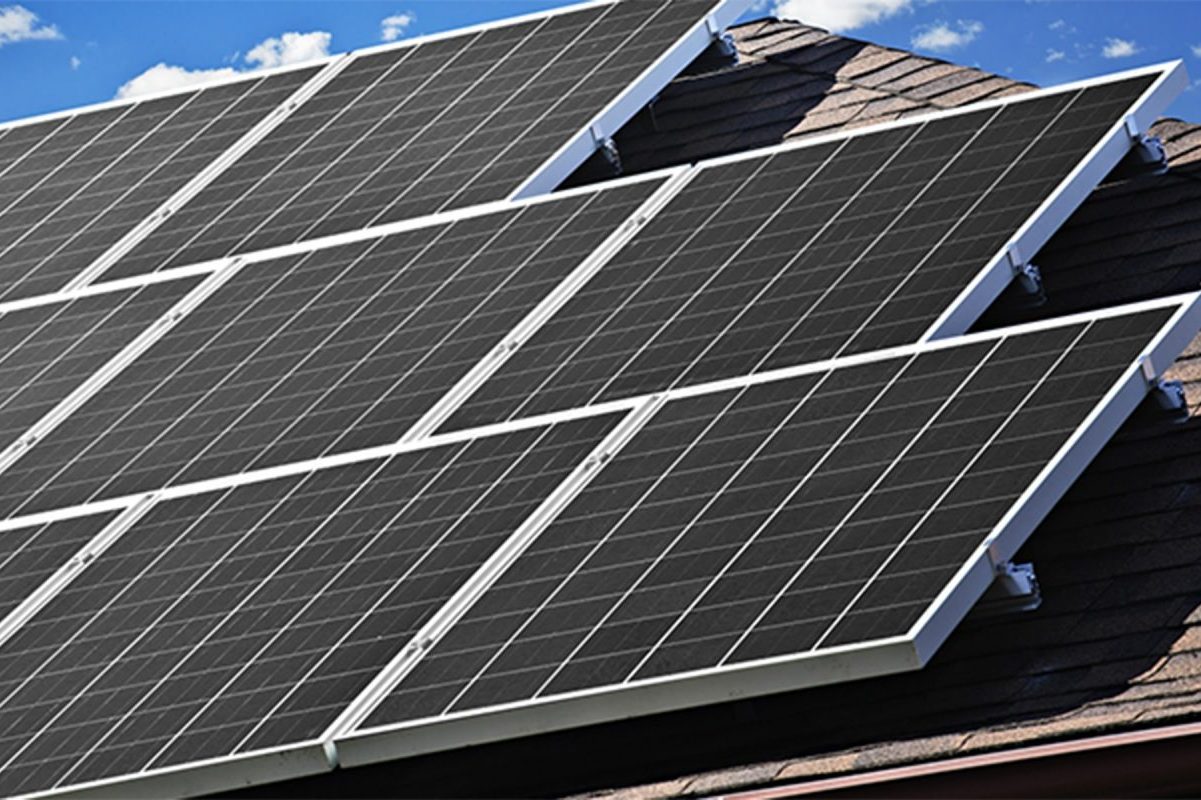
Good news: most modern Z-Wave alarm panels work with the majority of solar systems on the market today. The technology is designed to be universal, meaning whether you have rooftop panels, ground-mounted arrays, or battery storage, you can typically integrate Z-Wave monitoring without issue.
The key compatibility factor isn’t your solar panels themselves, but rather your inverter and monitoring equipment. Z-Wave panels connect to your home’s existing smart home network and communicate with sensors that track your system’s performance. As long as your solar setup includes standard monitoring capabilities, which nearly all installations do, you’re good to go.
Before installation, ask your solar provider three simple questions: Does my inverter support third-party monitoring? Can I access real-time performance data? Will adding Z-Wave monitoring void any warranties? These answers will confirm compatibility and protect your investment.
If you’re installing solar for the first time, mention your interest in Z-Wave integration upfront. Your installer can ensure all components work together seamlessly from day one. For existing systems, a quick assessment by your provider will determine if any small upgrades are needed, though this is rarely the case with systems installed in the past decade.
Installation: Easier Than You Think
Here’s a refreshing reality: installing a Z-Wave alarm panel for your solar system doesn’t require an engineering degree or a weekend of frustration. While many homeowners worry about complicated installations, the process is typically straightforward and often handled entirely by professionals.
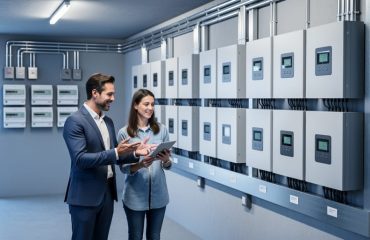
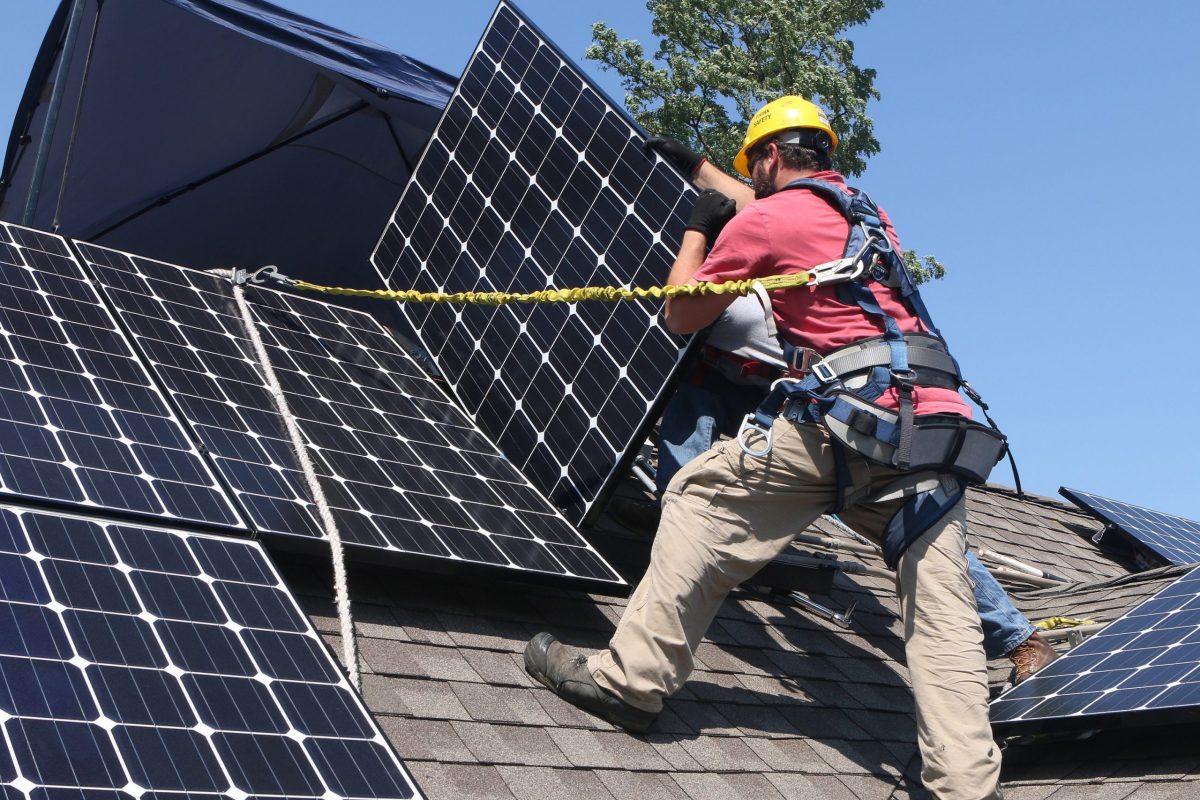
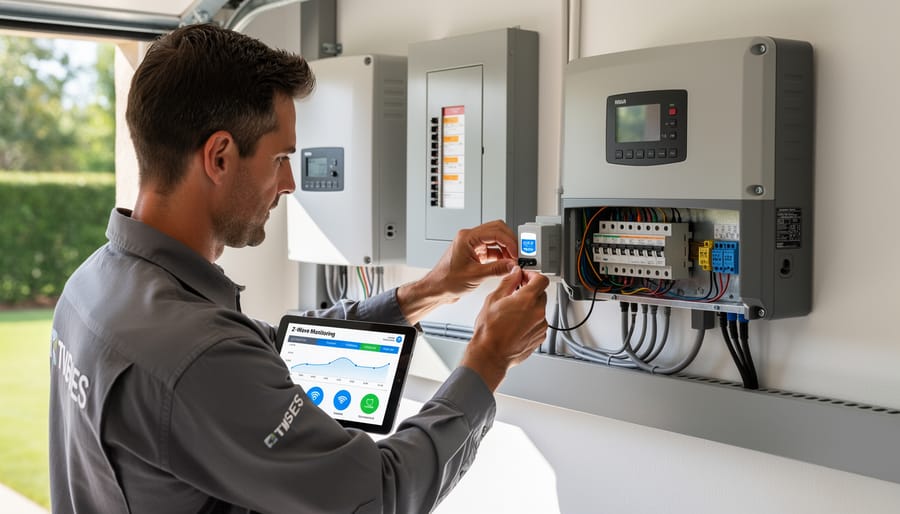
Most solar companies offer installation as part of their service package when you add a Z-Wave monitoring system. A qualified technician will integrate the panel with your existing solar setup, usually completing the job in just a few hours. They’ll handle all the technical connections, ensuring your system communicates properly with your home network and your solar equipment.
If you’re comfortable with basic home technology, some systems do offer DIY options. Think of it as similar to setting up a smart thermostat—you’ll follow step-by-step instructions, connect to your Wi-Fi, and download an app. The beauty of Z-Wave technology is that it’s designed with homeowners in mind, not just tech experts.
Once installed, operating your panel is remarkably intuitive. Most systems feature smartphone apps that display your solar production, energy usage, and system health in easy-to-read dashboards. You’ll receive notifications if anything needs attention, and many remote monitoring solutions even allow your installer to troubleshoot issues without making a house call.
The takeaway? Don’t let installation concerns hold you back from protecting your solar investment. Professional support is readily available, and the user-friendly operation means you’ll be monitoring your system confidently from day one.
Common Myths About Solar Monitoring Systems
Let’s clear up some common misunderstandings about solar monitoring systems with Z-Wave alarm panels that might be holding you back from protecting your investment.
The biggest myth? That these systems are impossibly complex to use. The reality is quite the opposite. Modern Z-Wave alarm panels are designed with everyday homeowners in mind, not electrical engineers. You’ll get simple smartphone notifications in plain English, like “Panel 3 production down” rather than confusing technical codes. Most homeowners find checking their system easier than managing their home thermostat.
Another misconception is that real-time monitoring is an expensive luxury. While there is an upfront cost, consider this: catching a single malfunctioning panel within hours instead of months can save you hundreds of dollars in lost energy production. Many homeowners recover their monitoring system investment within the first year through early problem detection. Think of it as insurance that actually pays you back.
Some believe monitoring is unnecessary because solar panels “just work.” While solar panels are reliable, they’re not invincible. Weather damage, wiring issues, and inverter problems happen more often than you’d think. Without monitoring, you might not notice a 30% production drop until your next electricity bill arrives, weeks later. By then, you’ve already lost significant savings.
Finally, many assume professional installation is prohibitively expensive. Z-Wave systems actually integrate with existing smart home setups quite affordably. Installation typically takes just a few hours, and the ongoing monitoring requires zero maintenance from you. The system works quietly in the background, alerting you only when something needs attention, giving you genuine peace of mind without constant oversight.
Investing in solar panels is a smart move for your home and the environment, and protecting that investment is just as important. A Z-Wave alarm panel gives you the peace of mind that comes from knowing your solar system is being watched around the clock. You’ll catch problems before they turn into expensive repairs, keep your energy savings on track, and enjoy the simplicity of monitoring everything from your smartphone.
The financial protection alone makes this technology worth considering. When your system alerts you to issues immediately, you avoid the costly scenario of weeks or months of reduced energy production going unnoticed. Plus, many insurance providers offer better rates when you have monitoring in place, adding another layer of savings to your solar investment.
The best part? This technology works seamlessly in the background, requiring minimal effort from you while maximizing your solar benefits. You get to enjoy clean energy and lower bills without worrying about whether everything is functioning properly.
Ready to make solar ownership even easier? When you schedule your solar consultation, ask about Z-Wave monitoring options. Your installer can recommend the right setup for your home and show you exactly how simple it is to keep your system running at peak performance for years to come.