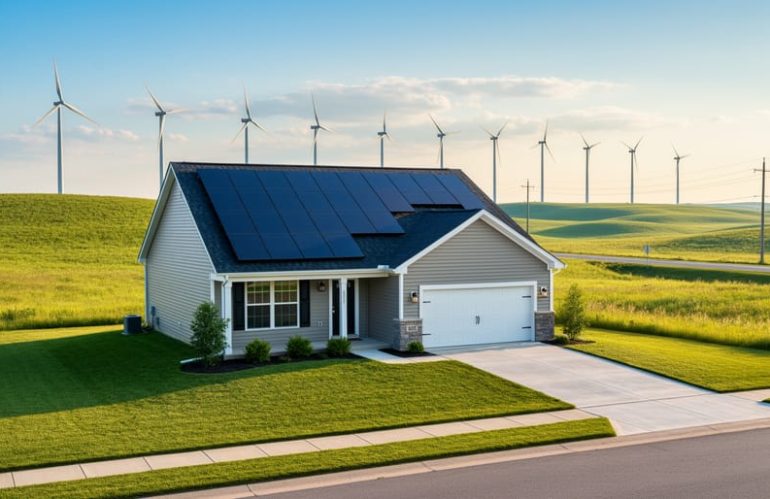
America’s wind turbines now generate enough electricity to power over 43 million homes, marking a dramatic shift in how the nation produces and consumes energy. This clean power revolution isn’t just changing the landscape with those iconic white turbines dotting plains and coastlines—it’s fundamentally transforming our relationship with energy independence and what that means for your household budget.
Wind energy has grown from a niche experiment to America’s largest source of renewable electricity, accounting for nearly 10% of the country’s total power generation. This expansion means fewer dollars flowing to foreign oil producers and more investment staying right here at home, building infrastructure and creating jobs in American communities.
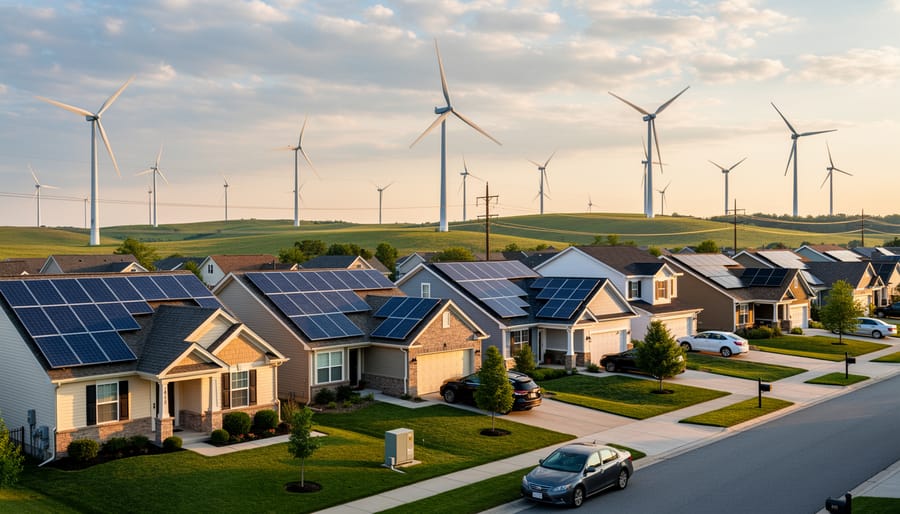
For homeowners, this national shift creates unprecedented opportunities. As wind farms multiply across 41 states, they’re making the electrical grid cleaner and more stable, which directly enhances the value of residential solar installations. When your rooftop solar panels generate excess power during sunny days, you’re feeding it back into an increasingly renewable grid—a system that’s becoming more efficient and environmentally sound with each new wind farm that comes online.
The connection between large-scale wind development and home energy solutions is straightforward: as America builds more renewable capacity, the entire energy ecosystem becomes more favorable for households looking to take control of their power costs. Wind and solar work as complementary forces, with wind often generating peak power during evenings and winters when solar production dips, creating a more reliable renewable energy framework that benefits everyone plugged into the grid.
How Wind Energy Transformed America’s Power Grid
Where America’s Wind Power Comes From
America’s wind resources are concentrated in specific regions where nature provides consistent, powerful breezes. The Great Plains, stretching from North Dakota down through Texas, forms what experts call the “wind corridor”—a vast expanse where steady winds sweep across flat terrain with minimal obstacles. This makes states like Kansas, Oklahoma, and Iowa prime locations for wind farms that now power millions of homes.
Texas leads the nation in wind energy production, generating more wind power than the next three states combined. The state’s massive size, wide-open spaces, and strong gulf winds create perfect conditions for turbines to spin efficiently year-round.
Coastal areas, particularly along the Atlantic and Pacific shorelines, offer another advantage: offshore winds that blow stronger and more consistently than on land. These ocean breezes are becoming increasingly important as new offshore wind projects launch.
What makes these locations ideal? It comes down to three factors: wind speed averaging above 13 miles per hour, wide-open spaces with few buildings or trees to block airflow, and existing infrastructure to transport electricity to population centers. These natural advantages mean wind farms in these regions can generate clean electricity at costs that increasingly compete with traditional power sources, helping reduce energy bills for everyone connected to the grid.
The Numbers That Matter for Your Energy Bills
Wind energy has become one of the most affordable electricity sources in America, and that’s good news for your monthly bills. In many regions where wind farms have expanded, electricity rates have actually stabilized or decreased compared to areas still heavily dependent on fossil fuels. The reason is simple: once wind turbines are built, the fuel (wind) is completely free, unlike coal or natural gas that require constant purchasing.
Here’s what this means for you: wind energy now supplies roughly 10% of America’s electricity, creating price competition that keeps all energy costs in check. States like Texas and Iowa, which generate significant wind power, often enjoy lower electricity rates than the national average. This price stability matters especially when you’re considering renewable energy for your home, as predictable grid prices make your investment calculations more reliable.
The myth that wind energy makes the grid unstable has been thoroughly debunked. Modern grid technology manages wind’s variable nature seamlessly, often paired with battery storage and other renewables like solar. Your lights stay on, and you benefit from cleaner, increasingly affordable electricity that strengthens America’s energy independence.
Why Wind and Solar Work Better Together
When the Wind Blows and When the Sun Shines
One of the most exciting advantages of combining wind and solar energy is how they naturally complement each other throughout the day and across seasons. Solar panels generate electricity when the sun is shining, typically peaking during midday hours. Wind turbines, on the other hand, often produce their strongest output during evening and nighttime hours when weather patterns shift and winds pick up.
This partnership creates a more reliable renewable energy supply. During summer months, solar energy dominates with long, sunny days, while wind energy tends to be stronger during fall and winter when storms are more frequent and daylight hours are shorter. Even throughout a single day, as your solar panels wind down production in the late afternoon, wind farms across the country are often ramping up.
For homeowners with solar panels, this matters because the overall electricity grid becomes more stable and renewable. When wind energy fills the gaps that solar can’t cover, utility companies rely less on fossil fuel backup power. This means cleaner grid power during hours when your panels aren’t producing, and it supports better rates and incentives for solar users. The two technologies working together create a win-win situation that makes your investment in home solar even more valuable.
What This Means for Your Home Energy System
The rapid expansion of wind energy across America creates a stronger, more resilient power grid that directly benefits homeowners with solar installations. As wind farms generate clean electricity during different times than solar panels—often producing peak power at night and during winter months—they complement residential solar systems perfectly. This balanced energy mix means the grid can better handle the variable nature of renewable power, making your independent solar panels a more valuable investment.
When wind energy contributes significant power to the grid, utilities rely less on expensive peak-demand pricing, which translates to better net metering rates for solar homeowners. You’ll receive fairer credit for the excess energy your panels send back to the grid. Additionally, as renewable sources like wind reduce overall energy costs, your utility bills decrease even when drawing power from the grid during cloudy days or nighttime hours.
The growing wind infrastructure also strengthens arguments for favorable solar policies in your state. As renewables prove their reliability and economic benefits through wind farms, policymakers become more supportive of residential solar incentives and protective net metering regulations. This means your solar investment gains long-term security and potentially improved financial returns as the renewable energy ecosystem matures.
Wind Energy’s Role in Stabilizing Your Electricity Costs
One of wind energy’s most valuable yet overlooked benefits is its ability to shield you from the roller coaster ride of electricity costs. Unlike natural gas and coal, which fluctuate wildly based on global market conditions, geopolitical tensions, and supply disruptions, wind operates on an entirely different economic model. Once a wind turbine is built, the fuel—literally the wind itself—is free and will never increase in price.
This fundamental difference matters for your wallet. Over the past decade, fossil fuel prices have swung dramatically, with natural gas prices sometimes tripling within a single year. These spikes translate directly to your monthly electricity bill. However, regions with higher wind energy integration have experienced significantly more stable electricity rates because a larger portion of their energy mix isn’t subject to commodity price fluctuations.
Think of it as diversifying your energy portfolio. When your local utility relies heavily on fossil fuels, you’re essentially betting that global energy markets will remain stable—a risky proposition given recent history. As wind energy becomes a larger part of the United States energy mix, it acts as a buffer against these unpredictable price swings.
For homeowners considering solar panels, this trend becomes even more attractive. As grid electricity costs stabilize at lower levels due to wind integration, the combination of predictable utility rates and your own solar production creates a highly favorable financial environment. You’re protecting yourself on both fronts—generating your own power while benefiting from a more stable grid when you need supplemental energy. This dual advantage represents the future of smart energy management, where renewable sources work together to deliver both environmental and financial peace of mind.
The Connection Between National Wind Energy and Your Solar Investment
Better Grid Infrastructure Benefits Solar Homeowners
The massive investments flowing into wind energy aren’t just building turbines—they’re transforming America’s entire electrical grid into a smarter, more reliable system that benefits everyone, including homeowners with solar panels. As wind farms have expanded across the country, utility companies have been forced to upgrade transmission lines, install advanced monitoring systems, and develop better energy storage solutions. These improvements mean your rooftop solar system can connect more easily to the grid and receive fair credit for the excess electricity you produce.
Modern grid infrastructure developed for wind energy includes sophisticated metering technology that accurately tracks the electricity flowing both to and from your home. This matters because you want every kilowatt-hour your solar panels generate to count toward reducing your energy bills. Additionally, enhanced grid stability means fewer power disruptions and better integration of renewable energy sources. When the grid can efficiently handle large-scale wind power, it becomes much better at managing distributed solar generation from residential systems too. Think of it as wind energy paving the highway that your solar investment travels on—making the entire renewable energy ecosystem work more smoothly and profitably for homeowners like you.
Energy Storage Gets More Affordable
Here’s some great news for homeowners: the rapid expansion of wind energy across the United States has created an unexpected benefit for residential energy users. As utilities invest billions in large-scale renewable projects, they’re also investing heavily in battery technology to store that power. This surge in demand has sparked innovation and competition among manufacturers, driving battery storage costs down by more than 70% over the past decade.
What does this mean for you? Home battery storage systems that were once prohibitively expensive are now within reach for average homeowners. These systems allow you to store excess solar energy generated during the day for use at night or during power outages, maximizing your energy independence. The technology that utilities rely on to balance their wind-heavy grids is the same technology now making your home more resilient and cost-effective. As wind energy continues its impressive growth trajectory, experts predict battery prices will keep falling, making energy independence more affordable than ever before.
Busting Common Myths About Wind Energy
Let’s clear up some common misunderstandings about wind energy that might be holding you back from embracing this powerful renewable resource.
One of the biggest myths is that wind turbines don’t work when the wind isn’t blowing. While it’s true that individual turbines need wind to generate power, the U.S. electric grid connects wind farms across vast regions where wind patterns differ. When it’s calm in one area, it’s often windy in another, creating a reliable flow of energy. Plus, modern battery storage technology and integration with other renewable sources like solar ensure consistent power delivery to your home.
Another misconception is that wind turbines harm birds and wildlife. Research shows that wind turbines cause far fewer bird deaths than other human-made structures like buildings and vehicles. In fact, climate change poses a much greater threat to wildlife populations. Wind energy operators also work closely with environmental groups to site turbines responsibly and minimize any impact on local ecosystems.
Some people worry that wind energy is too expensive or inefficient. The truth is quite the opposite. Wind power costs have dropped by 70% over the past decade, making it one of the most affordable energy sources available today. This price reduction directly benefits homeowners by lowering overall electricity costs and making renewable energy combinations more economically attractive.
There’s also a belief that wind turbines are noisy and disruptive. Modern turbines operate at sound levels comparable to a quiet office or library. Most residential areas never hear nearby wind farms, and setback regulations ensure turbines maintain appropriate distances from homes.
Understanding these facts helps you make informed decisions about your energy future. Wind energy’s growth strengthens America’s entire renewable energy infrastructure, creating a more resilient and affordable power system that complements home solar installations and supports your journey toward energy independence.
What Homeowners Can Do Right Now
You don’t need to wait for national policies to shift before joining the renewable energy movement. There are several practical ways to take action today and contribute to a cleaner energy future while reducing your monthly bills.
The most direct approach is installing solar panels on your property. Solar technology has become significantly more affordable over the past decade, with federal tax credits covering up to 30% of installation costs. Many homeowners see their systems pay for themselves within 7-10 years through energy savings. Even better, solar panels can work alongside wind energy supplied by your utility, creating a comprehensive clean energy solution for your home.
If installation isn’t feasible right now, check whether your utility company offers renewable energy programs. Many providers let you choose the source of your electricity, allowing you to support wind and solar generation without any equipment installation. These programs typically add a small premium to your monthly bill, but you’ll know your energy consumption supports clean power development.
Community solar programs offer another accessible option. These initiatives let you subscribe to a portion of a larger solar array built elsewhere, receiving credits on your utility bill for the power generated. This works perfectly for renters or homeowners whose properties aren’t ideal for solar installation.
Taking these steps toward energy independence reduces your carbon footprint while protecting you from rising utility rates. Start by requesting quotes from local solar installers or contacting your utility provider about renewable energy options. Small actions today create meaningful change for tomorrow, both for your wallet and the environment.
America’s wind energy expansion represents more than just clean power generation—it’s a pathway to genuine energy independence that creates ripple effects benefiting every household. As wind farms continue powering millions of homes across the country, they’re reducing our reliance on imported fuels and stabilizing energy costs for everyone. This national shift toward renewable energy opens doors for you to take the next step in your own energy journey.
The beauty of America’s renewable energy transformation is that you don’t need to wait for large-scale infrastructure changes to make a difference. While wind energy strengthens our national grid, you can establish your own energy independence right at home. Solar panels and battery storage systems put you in the driver’s seat, allowing you to generate, store, and use your own clean electricity. The financial benefits are real—many homeowners see significant reductions in their monthly bills, and some even eliminate them entirely.
The momentum behind wind and solar energy isn’t slowing down. Federal incentives, falling equipment costs, and improved technology mean there’s never been a better time to explore residential solar options. You’ll join a growing community of forward-thinking homeowners who’ve discovered that energy independence isn’t just possible—it’s practical and affordable.
Taking control of your energy future starts with a simple conversation. The transition to clean, self-generated power is more accessible than you might think, and the long-term rewards for your wallet and our planet make it a decision you’ll feel good about for years to come.