
Your monthly electric bill just jumped 40% even though you didn’t use more power. The culprit? Time-of-use rates and demand charges that penalize you for using electricity during peak hours or drawing too much power at once. Before you invest thousands in solar panels or battery storage, you need to run the numbers yourself.
A proper benefit-cost analysis transforms confusing utility bills into clear financial decisions. Take the Martinez family in Phoenix: their $240 monthly bill included $85 in demand charges from running their AC and pool pump simultaneously each afternoon. By shifting just two appliances to off-peak hours, they cut costs by $612 annually without spending a dime. When they added solar panels, the payback period dropped from 12 years to 7 years because they understood exactly which charges they were eliminating.
Most homeowners skip this crucial step and either overspend on unnecessary equipment or miss significant savings opportunities. The reality is simple: you cannot evaluate whether solar makes financial sense without first understanding what you are actually paying for. This guide walks through a real-world example with actual numbers, showing you how to calculate costs, compare solutions, and determine your true return on investment. You will see precisely how behavior changes stack up against technology investments, and why the combination of both often delivers the fastest payback. No complicated formulas or industry jargon, just straightforward math that reveals your best path to lower bills.

Understanding Your Electric Bill: The Two Hidden Costs
What Time-of-Use Rates Really Mean for Your Budget
Time-of-use rates divide your day into pricing periods based on electricity demand. Peak hours typically run from 4 PM to 9 PM on weekdays when everyone comes home, turns on appliances, and cranks up heating or cooling. During these hours, you might pay 30 to 50 cents per kilowatt-hour. Off-peak periods, usually late night to early morning, offer the lowest rates at around 10 to 15 cents per kWh. Shoulder periods fill the gaps with moderate pricing.
Here’s what this means in real dollars: running your dishwasher at 7 PM during peak hours could cost you three times more than running it at 11 PM. Most families unknowingly use 40 to 60 percent of their electricity during expensive peak hours because that’s when they’re home cooking dinner, doing laundry, and using electronics.
The good news? Understanding these periods is the first step toward slashing your bill. Small shifts in when you use major appliances can add up to hundreds in annual savings without sacrificing comfort or convenience.
Demand Charges: The Cost of Your Biggest Energy Spike
Think of demand charges as a penalty fee for your home’s “peak performance moment” each month. While most of your electric bill reflects the total energy you use (measured in kilowatt-hours), demand charges focus on your highest power spike during a specific timeframe—usually a 15-minute window.
Here’s what triggers them: When multiple high-energy appliances run simultaneously, your home draws a surge of power from the grid. Common culprits include running your air conditioner, electric dryer, and oven all at once on a hot afternoon. Even a single event—like firing up that hot tub heater right when everyone’s home cooking dinner—can set your demand peak for the entire month.
Many utilities charge commercial customers based on this peak demand, though some are now extending these charges to residential customers. The cost? You might pay an extra fee ranging from $5 to $20 per kilowatt of your peak demand, which can add $50-$200 to your monthly bill. The frustrating part is that one brief spike—even if it only lasts 15 minutes—determines this charge for the whole billing period, regardless of how efficiently you use energy the rest of the month.
A Real-World Example: The Johnson Family’s Energy Bill Analysis

Breaking Down Their Current Energy Costs
Let’s look at the Martinez family, a typical four-person household in Southern California, to see how their energy costs break down. Their monthly electricity bill averages $245, totaling $2,940 annually.
During summer months (June through September), their usage spikes to around 1,200 kilowatt-hours per month, primarily due to air conditioning. Winter months see lower consumption at roughly 650 kilowatt-hours monthly. This seasonal variation is common for most homes.
Here’s where it gets interesting. The Martinez family pays different rates depending on when they use electricity. Their utility company charges $0.28 per kilowatt-hour during peak hours (4 PM to 9 PM on weekdays) and just $0.15 per kilowatt-hour during off-peak times. Currently, about 40% of their usage happens during those expensive peak hours, which significantly inflates their bill.
They also face demand charges, an often-overlooked cost component. These charges are based on their highest usage within any 15-minute window during the billing period. For the Martinez family, this adds approximately $25 monthly, or $300 annually, to their total costs.
Breaking it down annually, they’re spending roughly $2,100 on actual electricity consumption and $840 on peak-time premiums and demand charges. Understanding these numbers is the first step in evaluating whether investing in solar panels, battery storage, or simply shifting their energy habits makes financial sense.
Identifying Where the Money Goes
The first step in any benefit-cost analysis is understanding exactly where your electricity dollars are going. Think of it like tracking your spending habits before creating a budget—you can’t save money if you don’t know what you’re spending it on.
Start by examining your utility bills from the past year. Look beyond the total amount due and identify patterns. Most homeowners discover that their highest costs cluster around specific times and activities. For example, running your air conditioner between 4 PM and 9 PM during summer months typically costs two to three times more per kilowatt-hour than using it in the morning. Similarly, that evening laundry routine or dinner prep might be costing you significantly more than the same activities would at different times.
Create a simple spreadsheet listing your major energy-using appliances and when you typically use them. Include your HVAC system, water heater, washer and dryer, dishwasher, pool pump, and electric vehicle charger if applicable. Cross-reference these usage times with your utility’s rate schedule to calculate the true cost of each activity.
Many homeowners are surprised to find that just two or three daily habits account for 40-50% of their peak-period charges. One family discovered their routine of running the dishwasher after dinner, doing laundry in the evening, and charging their electric vehicle overnight was costing them an extra $75 monthly compared to shifting these activities to off-peak hours. This clarity transforms vague concerns about high bills into actionable opportunities for real savings.
Three Strategies to Reduce Time-of-Use and Demand Charge Costs
Strategy 1: Shifting Your Usage (The Free Option)
The good news? You can reduce your bill without spending a dime by simply shifting when you use electricity. Let’s look at the numbers.
For our 2,500-square-foot home example, switching high-energy tasks to off-peak hours could save approximately $30-50 per month. This means running your dishwasher and washing machine after 9 PM, charging electric vehicles overnight, and setting your pool pump timer for early morning hours.
The benefits are straightforward: you keep the same lifestyle while paying less. No upfront investment required.
However, the lifestyle considerations matter. You’ll need to plan around off-peak windows, which typically run from 9 PM to 9 AM on weekdays. If you work night shifts or have a household schedule that conflicts with these hours, the savings become harder to capture. Families with young children often find evening appliance use disruptive.
The reality check: while $30-50 monthly adds up to $360-600 yearly, you’re still paying demand charges based on your peak usage, which typically accounts for the largest portion of time-of-use bills. This strategy helps but doesn’t eliminate the core problem of high peak-time rates.
Strategy 2: Adding Battery Storage
Battery storage systems take your savings strategy to the next level by storing electricity when rates are low and using it when prices spike. Think of it as your personal energy piggy bank.
Here’s how the numbers work for a typical home battery setup:
Upfront investment: A 10 kWh battery system costs approximately $10,000 after federal tax credits. This capacity can power essential appliances during peak hours or cover your evening energy needs.
Annual savings: By strategically using stored energy to avoid peak rates and reduce demand charges, homeowners typically save $800 to $1,200 yearly. The battery automatically charges during off-peak periods at $0.12 per kWh and discharges during peak times, eliminating those $0.40 per kWh charges.
Payback period: With $1,000 in average annual savings, your battery investment pays for itself in roughly 10 years. After that, every dollar saved goes straight to your pocket.
The real benefit shines when you combine batteries with solar panels. Your system charges from free sunlight during the day, then powers your home through expensive evening hours. This combination can slash your electricity bills by 80-90 percent, turning a good investment into a great one.
Strategy 3: Solar Panels with Net Metering
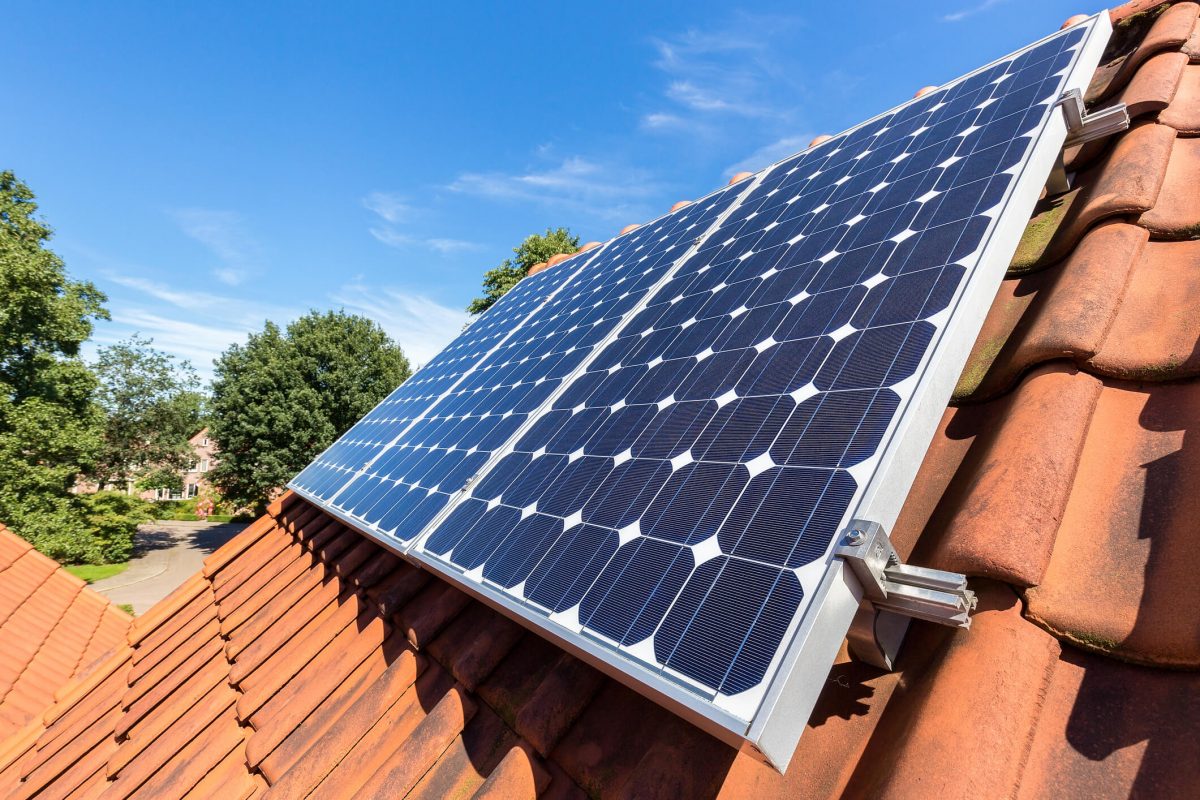
Installing solar panels with net metering represents the most significant opportunity to reduce energy costs under time-of-use rates. When you generate electricity during peak afternoon hours, you’re essentially creating power when it’s most valuable to the grid.
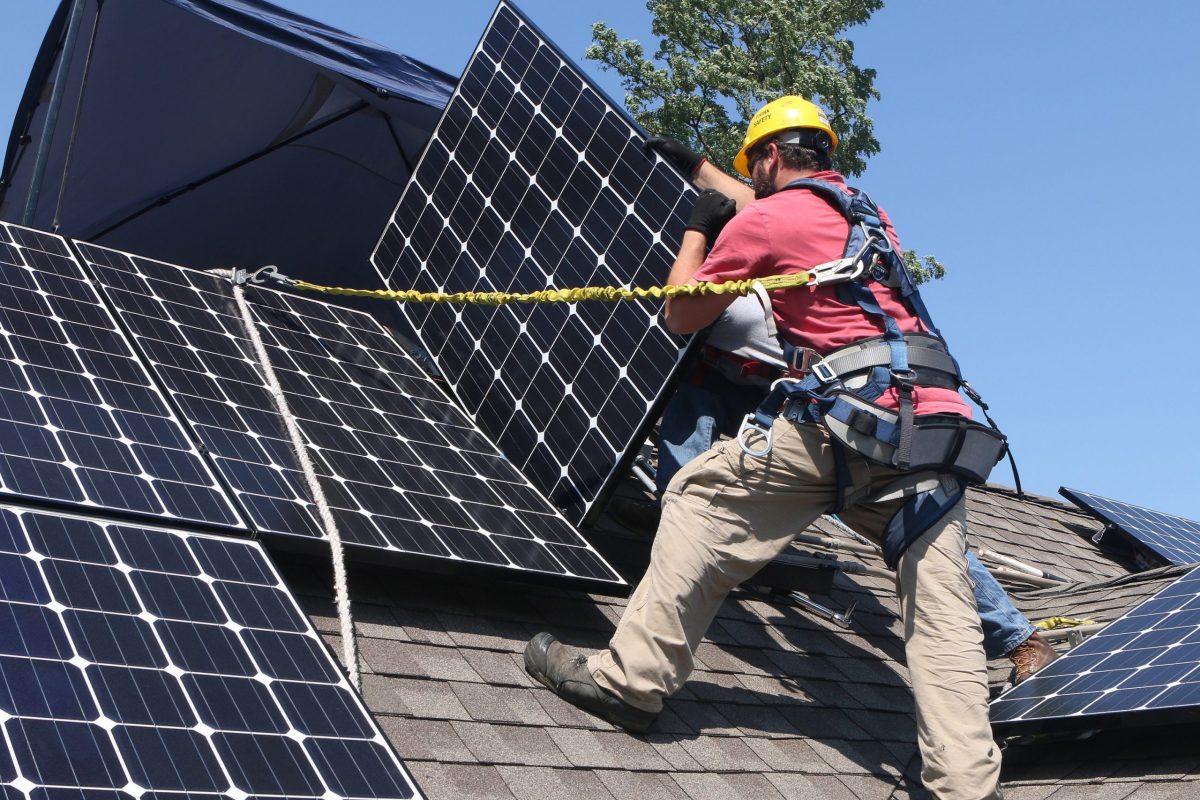
Let’s break down the numbers for our case study home. A typical 6-kilowatt solar system costs around $18,000 before incentives. After claiming the federal solar tax credit, your actual investment costs drop to approximately $13,320.
With net metering, your solar panels offset expensive peak-hour electricity at 28 cents per kilowatt-hour. That same home previously spending $2,040 annually could reduce their bill by 70-80%, saving roughly $1,500 per year. The ROI timeline works out to about 9 years, after which you’re essentially getting free electricity.
The benefit-cost ratio becomes even more favorable when you consider that solar panels typically last 25-30 years. Over that lifetime, you’re looking at $37,500 in total savings against a $13,320 investment, delivering a nearly 3:1 return. Unlike behavioral changes that require constant vigilance, solar works automatically, generating maximum savings precisely when electricity costs the most.

Running the Numbers: Which Option Makes Financial Sense?
Let’s break down what the Johnson family can expect with each approach over two meaningful timeframes.
Strategy 1: Status Quo (Do Nothing)
Over 5 years, the Johnsons will spend approximately $18,000 on electricity at their current rate of $300 monthly. Factor in a conservative 3% annual utility rate increase, and that number climbs to $19,140. Looking ahead 25 years, they’re looking at $116,500 in total electricity costs. That’s money leaving their household with nothing to show for it.
Strategy 2: Behavior Changes Only
By shifting laundry, dishwashing, and EV charging to off-peak hours, the Johnsons reduce their monthly bill to $225. Over 5 years, that’s $14,355 in total costs, saving them $4,785 compared to doing nothing. The 25-year outlook shows $87,375 in electricity expenses, saving about $29,000. The best part? This strategy costs nothing to implement. However, it requires constant vigilance and lifestyle adjustments that can feel restrictive over time.
Strategy 3: Solar Plus Battery Storage
Here’s where the numbers get exciting. The Johnsons invest $22,000 upfront (after federal tax credits) for an 8kW solar system with battery storage. Their new monthly electricity cost drops to just $50 for minimal grid usage. Over 5 years, they’ll spend only $3,000 on electricity while their system has already generated $12,000 in savings, putting them $8,000 ahead even after the initial investment.
The 25-year picture is even more compelling. Total electricity costs amount to just $15,000, while their solar system generates approximately $101,500 in value. Subtract the initial $22,000 investment, and the Johnsons come out $79,500 ahead compared to doing nothing.
The myth that solar doesn’t pay for itself? Completely busted. The system pays for itself within 6-7 years, then continues generating savings for decades. With most quality systems lasting 25-30 years, you’re essentially locking in low electricity costs for a generation while your neighbors watch their bills climb year after year.
What Your Utility Company Doesn’t Tell You About Time-of-Use Rates
Utility companies aren’t exactly eager to advertise how their rate structures work against you. Time-of-use rates can increase your bill by 30-50% during peak hours, typically when you’re home cooking dinner or running the air conditioner. What they rarely explain is that these peak rates often coincide with when solar panels generate the most electricity, creating a perfect hedge against high costs.
Here’s what changes the math: when you produce solar power during expensive peak periods, you’re avoiding those premium charges entirely. Instead of buying electricity at $0.45 per kilowatt-hour during summer afternoons, you’re using free energy from your roof. That difference dramatically shortens your payback period compared to the averages most people quote.
The financial picture gets even better when you factor in federal tax incentives, which currently cover 30% of your total system cost. This isn’t a deduction; it’s a direct credit reducing what you owe the IRS. Combined with net metering programs that credit you for excess power, your actual out-of-pocket investment drops significantly.
The hidden cost nobody talks about? Doing nothing. Utility rates have increased an average of 3% annually over the past decade, and time-of-use structures are becoming standard nationwide. Waiting means you’ll pay increasingly more for electricity while missing years of potential savings. A system installed today starts delivering returns immediately, while delaying locks you into escalating rates.
Understanding these realities transforms solar from an environmental choice into a clear financial winner, especially for households with daytime energy consumption or anyone facing steep time-of-use premiums.
Understanding time-of-use and demand charges puts you in the driver’s seat when it comes to your electricity bills. These rate structures might seem complicated at first, but once you know how they work, you can make informed decisions that directly impact your bottom line. The good news? Solar panels transform these charges from a financial burden into a genuine opportunity. By generating power during those expensive peak hours and reducing your demand on the grid, you flip the script on utility rates. Every kilowatt-hour your system produces during high-cost periods means real money staying in your pocket. The numbers don’t lie—as we’ve seen in our example, the savings add up quickly. Ready to see what solar could mean for your specific situation? Get a personalized benefit-cost analysis that factors in your actual usage patterns, local rates, and available incentives. Your path to lower bills and energy independence starts with understanding your options.