Your home’s solar system design determines whether you’ll love or regret your renewable energy investment for the next 25 years. The difference between an exceptional solar installation and a disappointing one rarely comes down to panel brand or efficiency ratings—it hinges on thoughtful design decisions that align with how you actually live.
Smart solar design starts with mapping your energy patterns throughout the day, not just calculating your annual kilowatt-hour consumption. A well-designed system accounts for when your family uses the most electricity, where shade falls across your roof during different seasons, and how your energy needs might evolve as you add electric vehicles or home batteries. These considerations transform solar from a simple rooftop addition into an integrated energy solution that works seamlessly with your lifestyle.
The best solar designs prioritize accessibility and monitoring, giving you clear visibility into your system’s performance without requiring an engineering degree. When installers focus solely on maximizing watts per square foot, they often overlook practical factors like maintenance access, aesthetic integration with your home’s architecture, and future expansion capabilities.
Understanding these design fundamentals empowers you to ask the right questions during consultations and recognize when an installer is genuinely customizing a solution versus applying a cookie-cutter approach. Your solar system should feel invisible in daily life while delivering consistent savings and energy independence—that outcome starts with intentional, homeowner-focused design.
What Makes Solar System Design Different from Solar Installation
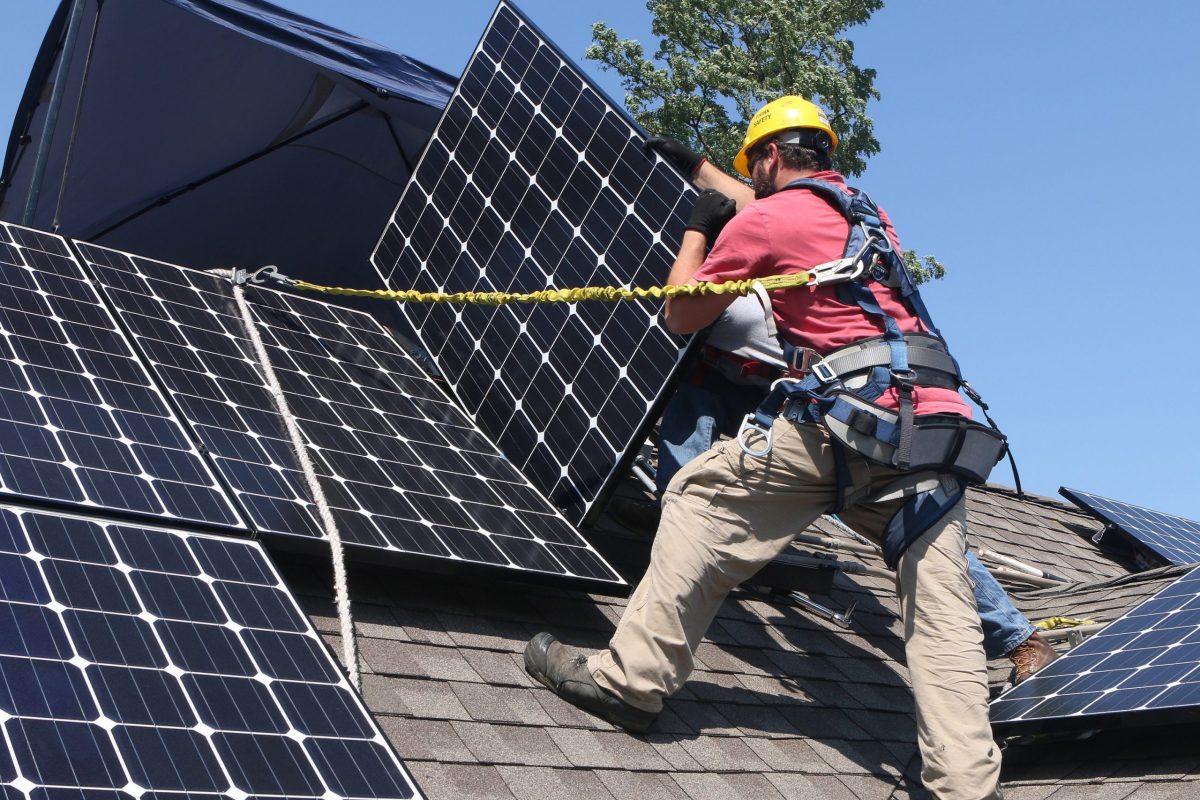
When most people think about “going solar,” they imagine workers mounting panels on their roof and connecting wires. But there’s a crucial difference between solar installation and solar system design—and understanding this distinction can mean the difference between a solar setup you tolerate and one you truly appreciate.
Installation is simply the physical act of putting equipment in place. Design, on the other hand, is the thoughtful process of creating a solar system that fits seamlessly into how you actually live. Think of it like the difference between assembling furniture and designing a functional living room. One focuses on following instructions; the other considers how you’ll use the space every single day.
A design-focused approach starts with your lifestyle, not just your roof. It asks questions like: When do you use the most electricity? Do you work from home? Are you planning to add an electric vehicle? How tech-savvy are you? These aren’t trivial details—they shape everything from panel placement to the type of monitoring system you’ll interact with.
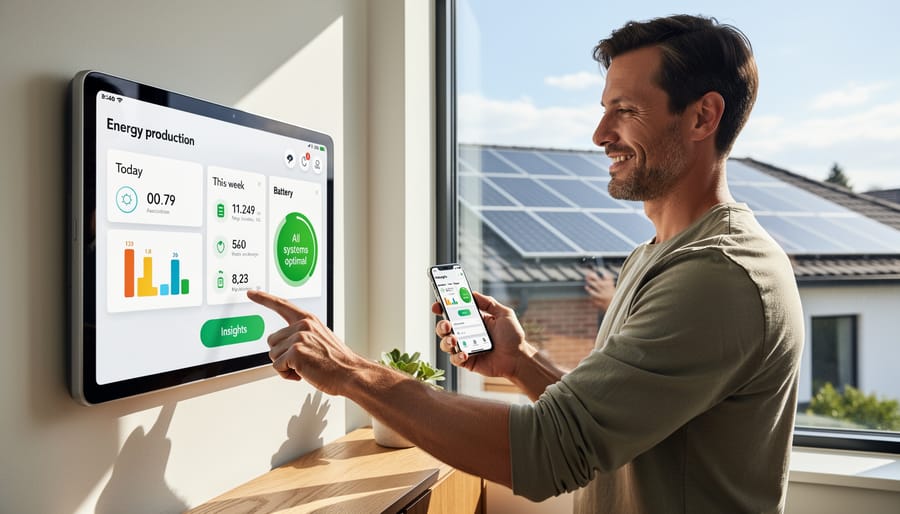
Consider the monitoring experience, for example. A well-designed system includes an intuitive app or dashboard that actually makes sense to you, showing real-time energy production and usage in clear, visual terms. You’ll know at a glance whether your system is performing well, when you’re using the most power, and how much money you’re saving. Poor design might give you access to data but leave you confused about what it means.
Daily interactions matter too. Where will the inverter be located? Can you easily access your system’s shut-off switch if needed? Is the monitoring interface something you’ll actually want to check, or will it collect digital dust? Making solar simple means considering these touchpoints from day one, ensuring your solar investment enhances your life rather than complicates it.
The Five Pillars of User-Friendly Solar Design
Intuitive Monitoring That Actually Makes Sense
The best solar systems translate complex energy data into insights you can understand at a glance—no engineering degree required. Think of it like checking your bank balance: you want to see what’s coming in, what’s going out, and whether you’re ahead or behind.
Well-designed user-friendly solar interfaces show you the essentials without burying you in technical metrics. You’ll see how much energy your panels generated today, how much your home consumed, and how much you’re saving on your electricity bill. Simple visual indicators—often using color-coded displays or intuitive graphs—make it easy to spot trends without interpreting complicated data.
Modern solar monitoring apps take this further by sending helpful notifications when something needs attention or when you’re producing exceptional amounts of energy on sunny days. The key is actionable information that helps you make smart decisions about when to run major appliances or when to celebrate your energy independence.
A thoughtfully designed monitoring system becomes a tool for empowerment rather than confusion. It helps you understand your energy patterns naturally, making sustainable living feel effortless instead of overwhelming.
Aesthetic Integration with Your Home
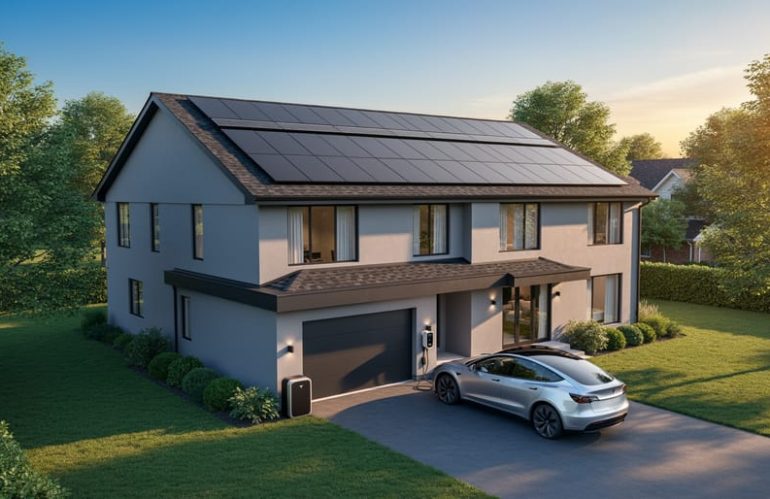
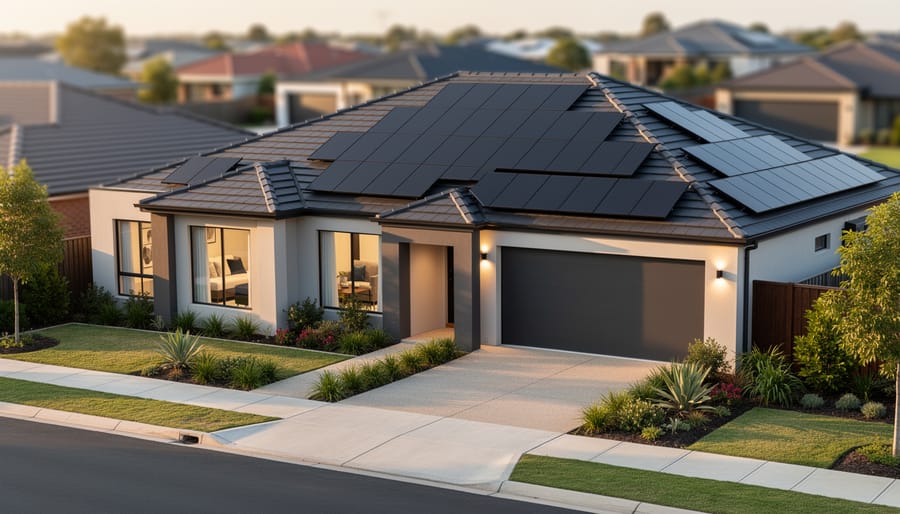
Gone are the days when solar panels meant compromising your home’s curb appeal. Today’s solar design prioritizes visual harmony just as much as energy production. Professional installers carefully assess your roof’s angles, orientation, and architectural style before recommending panel placement that complements rather than clashes with your home’s appearance.
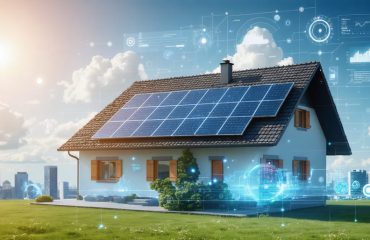
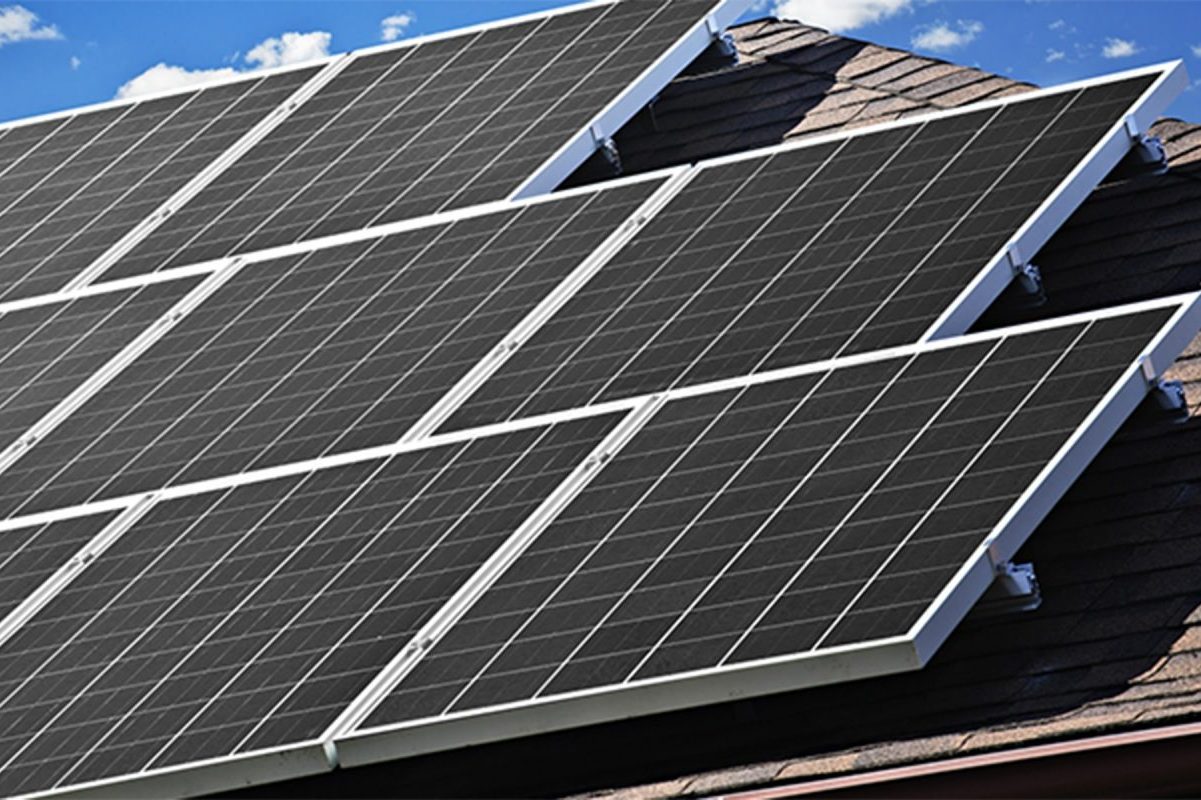
Modern solar panels come in sleek, low-profile designs with black frames and dark blue or all-black surfaces that blend seamlessly with most roofing materials. Strategic placement considers sightlines from the street, ensuring panels are positioned where they’re less visible to passersby while still capturing maximum sunlight. For homes with complex rooflines, designers can distribute panels across multiple sections to create a balanced, intentional look rather than an awkward patchwork.
Your installer should provide visual mockups showing exactly how panels will appear on your specific home. This preview allows you to request adjustments before installation begins. Many homeowners are pleasantly surprised to discover that well-designed solar installations actually enhance their property’s modern, forward-thinking aesthetic. Some neighborhoods even report increased home values as solar becomes more desirable. The key is working with designers who understand that your solar system should feel like a natural extension of your home, not an afterthought bolted onto your roof.
Seamless Energy Storage Experience
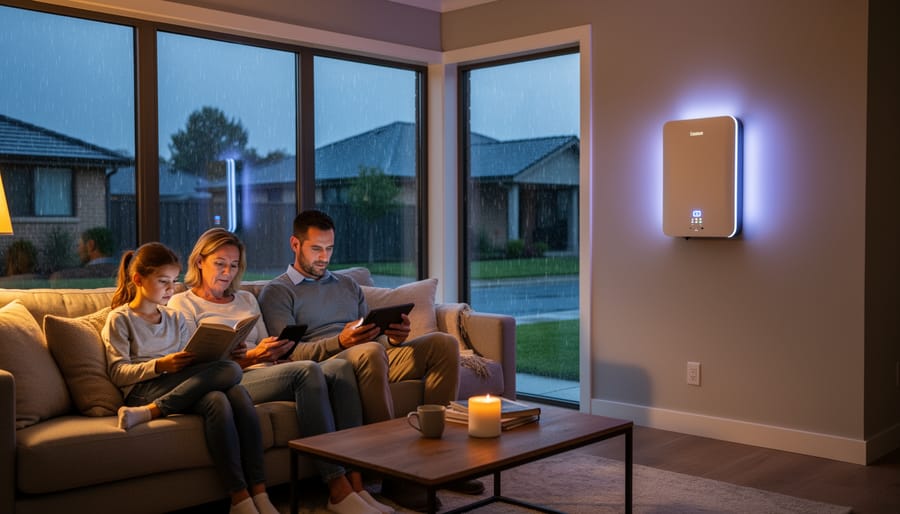
The best battery storage systems are the ones you barely notice—until you need them. When designing your solar system, the goal is creating an energy storage solution that operates quietly in the background, automatically charging when the sun shines and seamlessly switching to backup power when the grid goes down.
Think of it like having a generator that never needs refueling and turns on instantly without you lifting a finger. Modern battery systems monitor your home’s energy needs 24/7, deciding when to store excess solar power, when to use it, and when to draw from the grid—all without requiring your input.
The real value becomes clear during power outages. While your neighbors scramble for flashlights and worry about spoiled food, your lights stay on, your refrigerator keeps running, and your daily routine continues uninterrupted. Many homeowners report that this peace of mind alone justifies their battery investment.
A well-designed system includes monitoring capabilities that let you check your battery status from your smartphone, but you’ll rarely need to. The system handles everything automatically, giving you the confidence that comes from energy independence without adding complexity to your life. It’s not about managing technology—it’s about enjoying the security of knowing your home has reliable backup power whenever storms or grid problems strike.
Right-Sized Systems That Match Your Life
When it comes to solar panels, the “more is better” mentality can actually work against you. A properly designed system matches your actual energy consumption rather than simply filling your roof with panels. Think of it like buying a car—you wouldn’t purchase a 12-passenger van if you’re a single person commuting to work.
Your solar designer should analyze your past 12 months of electricity bills to understand your household’s unique patterns. Do you use more energy in summer for air conditioning or winter for heating? Are you home during the day, or does most usage happen in evenings? These details matter significantly.
An oversized system means you’re paying for production capacity you don’t need, extending your payback period unnecessarily. Meanwhile, an undersized system leaves money on the table by continuing to buy power from the utility when you could be generating it yourself.
The sweet spot typically covers 90-100% of your annual usage. This approach maximizes your return on investment while keeping upfront costs reasonable. You’ll eliminate most utility bills without overbuilding, and if your energy needs increase later, many systems can accommodate additional panels. The goal isn’t the biggest system—it’s the smartest one for your specific lifestyle and budget.
Future-Proof Flexibility
Life rarely stands still, and your solar system shouldn’t trap you in yesterday’s assumptions. A well-designed system thinks ahead, building in room for the changes most homeowners eventually make.
Planning to buy an electric vehicle? That could add 3,000-4,000 kWh to your annual energy needs. Adding a home office, pool, or finishing your basement? Each expansion changes your power picture. The beauty of thoughtful solar design is that it anticipates these possibilities from day one.
Modern smart solar systems can grow with you. Your installer might leave conduit pathways for additional panels or spec an inverter with extra capacity. Think of it like buying a house with an unfinished bonus room rather than needing to add an entire wing later.
The upfront investment difference is minimal, but the long-term savings are substantial. Expanding an existing system costs far less than retrofitting one that wasn’t designed for growth. You’ll avoid duplicate permitting fees, additional installation charges, and the headache of matching discontinued equipment.
Ask potential installers how they account for future needs. The right answer includes questions about your five-year plans, not just this year’s electric bill. That conversation signals a partner invested in your satisfaction long after installation day.
The Financial Benefits of Design-First Solar
A well-designed solar system isn’t just about aesthetics—it’s a smart financial investment that pays dividends for years to come. When solar installations prioritize thoughtful design from the start, homeowners typically see measurably better returns than those who opt for quick, cookie-cutter installations.
The most immediate financial benefit comes from optimized energy production. A design-first approach carefully considers your roof’s orientation, shading patterns throughout the day and across seasons, and panel placement to capture maximum sunlight. This attention to detail can boost energy generation by 15-25% compared to generic installations, translating directly into lower electricity bills and faster payback periods.
Maintenance costs tell an equally compelling story. Systems designed with accessibility in mind make routine inspections and cleaning straightforward, reducing service call expenses. Well-planned cable management and component placement mean fewer weather-related issues and easier troubleshooting when problems do arise. Many homeowners with thoughtfully designed systems report 40-60% fewer maintenance calls in the first five years compared to industry averages.
Property value increases also favor design-conscious installations. Real estate studies consistently show that homes with clean, professionally integrated solar systems command higher premiums than those with visually cluttered or awkwardly placed panels. Buyers recognize quality installation and are willing to pay more for systems that look intentional rather than like an afterthought.
Perhaps most importantly, good design prevents costly retrofits. When installers take time upfront to plan for future expansion, integrate with home batteries, or accommodate smart home systems, you avoid expensive modifications down the road. Adding capacity to a well-designed system might cost a few thousand dollars, while redesigning a poorly planned installation can run into tens of thousands.
The upfront investment in quality design—often just 5-10% more than basic installation—typically pays for itself within the first two years through improved efficiency and reduced complications. After that, it’s pure savings that compound year after year.
What to Ask Your Solar Provider About Their Design Process
Before signing a contract, ask your potential solar provider these revealing questions. First, inquire about their site assessment process: “How do you evaluate my roof’s unique characteristics and my household’s energy patterns?” Quality providers will discuss shading analysis, your historical energy usage, and future needs rather than offering cookie-cutter solutions.
Next, ask: “How will you position panels to balance efficiency with aesthetics?” Companies that care about design will show you mockups and explain placement decisions that respect your home’s appearance. Request examples of previous installations on homes similar to yours.
Don’t skip this important one: “What happens if my energy needs change in five years?” Forward-thinking designers plan for expandability, explaining how they’ll accommodate electric vehicles or home additions. Ask about their monitoring systems too: “How will I track my system’s performance, and is the interface easy to understand?”
Finally, understand their approach to your entire solar installation journey by asking: “What support do you provide after installation?”
Watch for red flags like pushy sales tactics, one-size-fits-all proposals without site visits, or vague answers about equipment warranties. Conversely, green flags include detailed written proposals, transparent pricing breakdowns, multiple equipment options with clear pros and cons, and enthusiasm for answering your questions.
A reputable provider will welcome these questions and provide thoughtful, jargon-free responses. If they seem annoyed or dismissive, that’s your signal to keep shopping. Remember, you’re making a 25-year investment in your home’s energy future—you deserve a partner who values both technical excellence and your long-term satisfaction.
The best solar system is the one you don’t think about. When your installation is designed with thoughtful attention to how you actually live, it becomes an invisible partner in your daily routine—quietly generating clean energy, automatically managing your usage, and steadily delivering savings without demanding your attention.
This is what sustainable design principles accomplish. By prioritizing seamless integration over cutting-edge specs alone, you create a solar experience that enhances your life rather than complicating it. Your panels become part of your home’s architecture, not an eyesore. Your monitoring becomes a quick glance at reassuring numbers, not a technical puzzle. Your maintenance becomes an occasional check-in, not a constant worry.
The financial rewards keep accumulating whether you’re thinking about your system or not—that’s the beauty of truly well-designed solar. Lower electric bills arrive month after month. Your home value quietly appreciates. Your carbon footprint shrinks with every sunrise.
When homeowners tell us they “forget” they have solar, we consider that the highest compliment. It means we’ve achieved what sustainable design should always deliver: technology that works so naturally within your life that the benefits feel effortless. That’s not just good design—it’s solar done right.