
Predictive analytics uses artificial intelligence to forecast your solar panel performance, energy usage patterns, and potential savings before you even install a system. While the technology sounds complex, it simply means your solar setup can learn from weather data, your household habits, and grid conditions to maximize how much money you’ll save each month.
Think of it as a smart assistant that predicts cloudy days, anticipates when your energy use will spike, and automatically adjusts to keep your bills low. This isn’t science fiction—many modern solar systems already use these AI-powered tools to optimize performance in real-time, helping homeowners reduce energy costs by 15-30% compared to traditional solar installations.
The confusion around predictive analytics often stems from misleading marketing. Some companies label basic monitoring features as “AI-driven,” while others genuinely deploy sophisticated algorithms that adapt to your unique situation. Understanding the difference matters because true predictive analytics can identify maintenance issues before they become expensive problems, suggest the best times to use high-energy appliances, and even predict your return on investment with remarkable accuracy.
You don’t need a computer science degree to benefit from this technology. The key question isn’t whether predictive analytics qualifies as “real AI” by technical standards—it’s whether the system you’re considering actually delivers measurable financial benefits through smarter energy management. That practical distinction determines whether you’re investing in genuine innovation or just paying extra for a buzzword.
What Predictive Analytics Actually Means for Your Solar Panels
The Simple Truth: It’s AI That Looks Ahead
Yes, predictive analytics is a type of artificial intelligence, but here’s what that really means for you: it’s technology that learns from patterns to forecast what’s coming next. Think of it like a weather app that gets better at predicting rain the more data it collects, except for your solar panels, it’s predicting energy production and consumption.
In practical terms, AI-powered predictive analytics looks at information like your past energy usage, weather forecasts, and your solar panel performance to make smart predictions about your future energy needs. It’s not science fiction or complicated robot thinking. It’s simply pattern recognition that helps your solar system work smarter for you.
The technology works quietly in the background, constantly learning and adjusting. When your solar system uses predictive analytics, it can anticipate when you’ll need more power, when to store excess energy in your battery, and when to draw from the grid at the cheapest rates. This means lower bills and better performance without you lifting a finger. The AI handles the complex calculations while you enjoy the straightforward benefits: more savings and a more efficient home energy system.
How It Works Behind the Scenes (In Plain English)
Here’s the good news: you don’t need to understand complex algorithms to benefit from predictive analytics in your solar system. Once installed, the technology works automatically in the background.
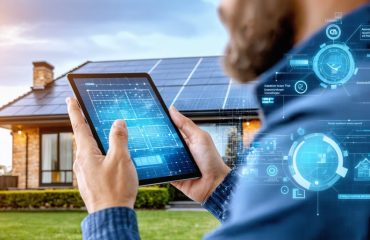
Your solar panels continuously collect data about energy production throughout the day. This information flows to the system’s software, often accessible through your solar monitoring app. The predictive analytics component analyzes patterns from this data, looking at factors like weather conditions, seasonal changes, and your household’s energy usage habits.
Based on these patterns, the system generates predictions about future energy production and consumption. Think of it like a smart thermostat that learns your preferences over time, except your solar system is optimizing when to use, store, or send power back to the grid.
The beauty of this technology is its hands-off nature. You simply go about your daily life while the system continuously refines its predictions and adjusts accordingly. Most homeowners never interact directly with the predictive features, they just enjoy lower energy bills and more efficient solar performance without lifting a finger.
Real Benefits You’ll Actually Notice on Your Energy Bill
Catch Problems Before They Cost You Money
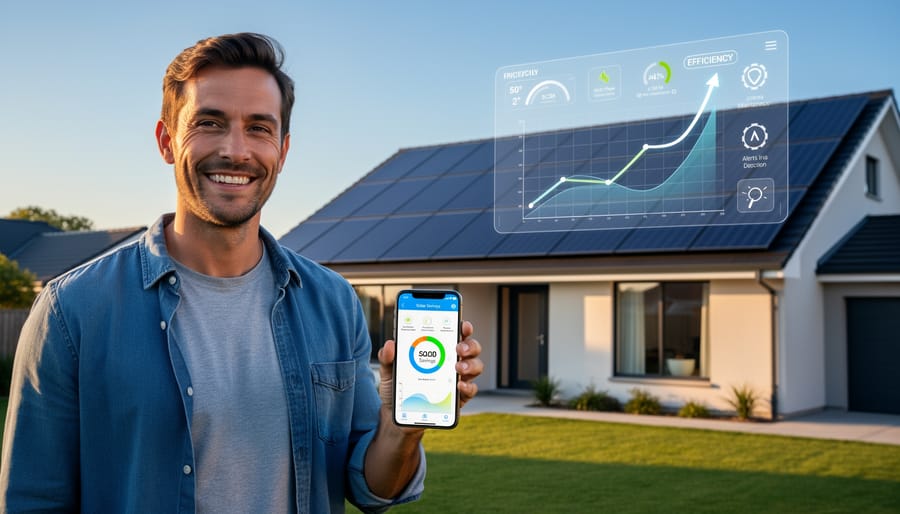
Think of predictive analytics as your solar system’s early warning system. Instead of discovering problems when your electricity bill suddenly jumps, the AI spots trouble while it’s still small and fixable.
Here’s how it protects your wallet: The technology continuously monitors each panel’s performance and can detect when one starts producing less energy than it should. Maybe a tree has grown and now casts afternoon shade, or dust has built up unevenly. Catching these issues early means you can trim branches or schedule a cleaning before you lose weeks of production.
The same goes for equipment problems. Predictive analytics can identify when an inverter shows signs of wearing out, often months before it fails completely. One homeowner avoided a mid-summer breakdown by replacing a flagging inverter in spring, saving both the emergency service fees and the lost production during peak sunshine months.
Even small efficiency drops add up. A panel operating at 85% capacity instead of 95% might cost you $50-100 annually. Multiply that across multiple panels over several years, and early detection easily pays for itself. The AI helps you maintain peak performance without constantly monitoring everything yourself.
Maximize Your Solar Production Year-Round
Predictive analytics takes the guesswork out of solar energy production by learning your home’s unique patterns and adapting to changing conditions throughout the year. Think of it as having a smart assistant that constantly monitors weather forecasts, seasonal sun angles, and your family’s energy usage habits to ensure your system performs at its best.
During winter months when days are shorter, the system anticipates reduced sunlight hours and helps you adjust your energy consumption accordingly. In summer, it maximizes production during peak sunshine periods while identifying the optimal times to run energy-intensive appliances like washing machines or air conditioners. This intelligent coordination means you’re using solar power when it’s most abundant and avoiding grid electricity during expensive peak hours.
The technology also accounts for weather patterns specific to your location. If storms are forecast, the system can recommend charging battery storage beforehand. During extended cloudy periods, it helps manage your energy usage to minimize costs. The result is a solar system that works smarter, not harder, potentially increasing your annual energy savings by 15-25% compared to systems without predictive capabilities. You’ll enjoy lower bills and greater energy independence without lifting a finger.
Less Guesswork About Your Energy Storage
If you’ve invested in a home battery system, predictive analytics takes the guesswork out of energy management. Instead of manually deciding when to charge or discharge your battery, AI analyzes patterns like your typical energy usage, upcoming weather forecasts, and electricity rate schedules to make these decisions automatically.
For example, if your utility charges more during evening peak hours, the system learns to store excess solar energy during the day and deploy it when rates spike, maximizing your savings. On cloudy days forecasted ahead, it might conserve battery power rather than using it immediately. This smart timing means you’re not caught off guard by unexpected weather changes or left paying premium rates when you could have used stored energy instead. The result? Your battery works harder for you without requiring constant attention or complex programming on your part.
What Your Solar System Learns About Your Home
Your Unique Energy Patterns
Your home’s energy use isn’t random—it follows patterns based on your daily routines, weather, and seasonal changes. Modern smart solar systems use predictive analytics to learn these unique patterns over time, getting smarter the longer they’re installed.
The system tracks when you typically use the most electricity—whether that’s morning coffee routines, afternoon air conditioning peaks, or evening cooking and entertainment. It notices that you use more energy on weekends when the family’s home, or less during your summer vacation. By recognizing these trends, the AI can predict when you’ll need more power and optimize your solar production and battery storage accordingly.
This personalized approach means you’re not getting generic advice that works for an average household. Instead, you receive tailored recommendations that fit your actual lifestyle. The system might suggest running your dishwasher at 2 PM when your panels are producing peak power, or automatically reserve battery power for your typical 7 PM energy surge. The result? You use more of your own clean energy and buy less from the grid, maximizing your savings without changing your lifestyle.
Local Weather and Seasonal Adjustments
Your solar system’s predictive analytics doesn’t use generic weather data. Instead, it taps into detailed information about your specific neighborhood and local climate patterns. Think of it as having a weather expert who knows exactly how your area behaves throughout the year.
The system tracks everything from typical cloud cover in your region to seasonal rainfall patterns and temperature fluctuations. If you live somewhere with monsoon seasons, marine layer mornings, or frequent afternoon thunderstorms, the analytics learn these rhythms and adjust expectations accordingly. This means your energy production forecasts reflect reality, not textbook assumptions.
During winter months, the system automatically accounts for shorter days and lower sun angles specific to your latitude. In summer, it anticipates longer daylight hours and higher production potential. This seasonal intelligence helps you plan your energy usage more effectively and understand what’s normal for your location versus what might indicate a performance issue.
The best part? This localized approach means you’ll receive alerts and recommendations tailored to your actual environment, helping you maximize savings year-round without guessing or doing complicated calculations yourself.
Busting Common Myths About AI in Solar Technology
“It’s Too Complicated for the Average Homeowner”
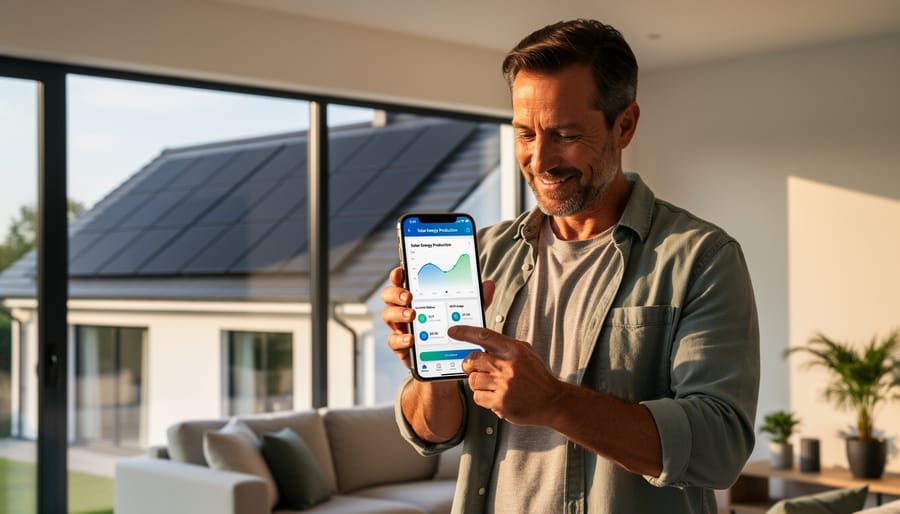
You don’t need a computer science degree to benefit from predictive analytics in your solar system. Today’s AI-powered solar solutions are designed with user-friendly interfaces that make operation effortless. These systems work automatically in the background, analyzing your energy patterns and optimizing performance without requiring any input from you. Most homeowners interact with their solar AI through simple smartphone apps that display easy-to-understand graphs and recommendations. You’ll see straightforward information like how much energy you’re producing, potential savings opportunities, and simple alerts if attention is needed. The technology handles all the complex calculations while you simply enjoy lower energy bills and improved system performance. Think of it like your smartphone: you don’t need to understand the technology behind it to benefit from its features every day.
“AI Means My Data Isn’t Private”
Good news: your personal data isn’t being broadcast to the cloud. Most solar systems with predictive analytics operate right at your home, collecting only system performance data like energy production, weather patterns, and usage habits. This information stays within your system to optimize how your panels work throughout the day.
Think of it like your home thermostat learning your temperature preferences. The system observes patterns to make smarter decisions about energy storage and distribution, but it’s not collecting personal information about your daily activities or sharing details about your household.
Your system simply tracks when your panels produce the most energy and when you use electricity most heavily. This data helps maximize your savings by timing when to store excess power versus when to draw from your battery. The focus is entirely on making your solar investment work harder for you, not on monitoring your private life.
“This Technology Is Too Expensive to Be Worth It”
Here’s the good news: predictive analytics often comes built into modern solar systems at no extra charge. Many manufacturers include this technology as a standard feature because it helps their systems perform better and keeps customers happy. Even when there is an additional cost, the technology typically pays for itself within the first year through improved energy production and early problem detection. Think of it like the backup camera in your car—it might have seemed like fancy tech once, but now it’s standard equipment that proves its value every day. The real expense would be choosing a system without these capabilities and missing out on 10-15% better performance over your system’s lifetime. When you’re making a 25-year investment in solar panels, having predictive analytics working behind the scenes to maximize your savings is simply smart economics, not an unnecessary luxury.
What to Look for in a Solar System with Smart Analytics
Essential Features That Actually Matter
Not all predictive analytics features deliver real value to homeowners. Here’s what genuinely matters for your solar investment:
Performance alerts are your system’s early warning system. The best platforms notify you immediately when energy production drops below expected levels, helping you catch issues before they impact your savings. You’ll receive straightforward notifications if something needs attention, rather than discovering problems on your next utility bill.
Production forecasts take the guesswork out of energy planning. Quality systems predict your daily and weekly solar generation based on weather patterns, helping you optimize when to run energy-intensive appliances. Think of it as a personalized energy weather forecast for your home.
Maintenance notifications remind you when it’s time for panel cleaning or system checks. Instead of following rigid schedules, these smart reminders account for your local conditions, whether that’s pollen season, nearby construction dust, or winter weather.
Energy optimization recommendations identify opportunities to maximize your solar benefits. The system learns your household patterns and suggests simple adjustments, like shifting dishwasher cycles to peak production hours, translating directly into lower bills without requiring you to become an energy expert.
Questions to Ask Your Solar Provider
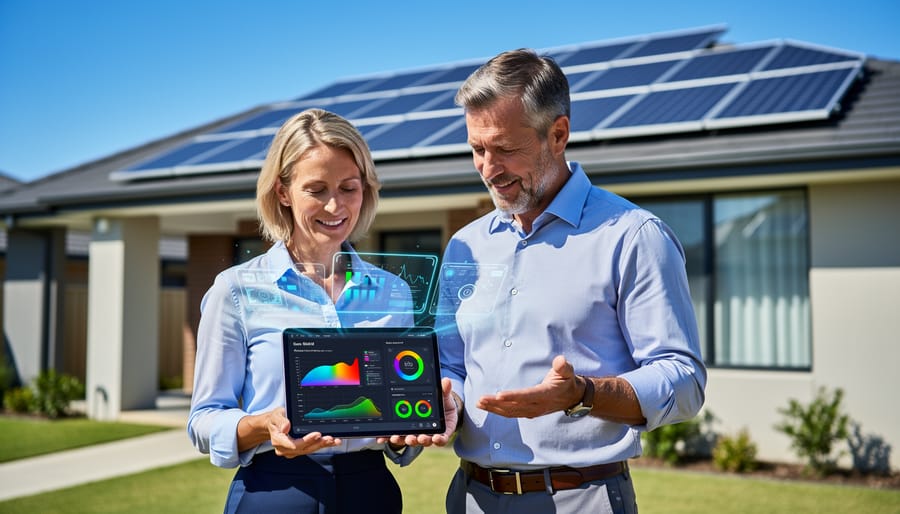
During solar consultations, ask these key questions to understand what AI features you’re actually getting. First, “Does your system include predictive analytics, and what will it predict for my home?” This reveals whether the technology is genuinely tailored to your usage patterns. Second, “How will the AI help me save money beyond basic solar panels?” Look for specifics about optimizing energy storage or identifying the best times to use power. Third, “Can I see examples of how the analytics work in the app?” Request a demo to ensure the interface makes sense to you. Finally, ask “Is there an additional monthly fee for AI features?” Some companies charge subscriptions for advanced analytics, which affects your long-term savings calculations.
AI-driven predictive analytics is transforming solar energy from a significant upfront investment into a smart, data-backed decision that pays off for years to come. The beauty of this technology is that it works behind the scenes, requiring virtually no effort from you while continuously optimizing your system’s performance and maximizing your savings.
For homeowners, this means fewer surprises and more confidence in your solar investment. You’ll know what to expect from your energy production, when maintenance might be needed, and how much you can realistically save on your electricity bills. This level of insight removes much of the uncertainty that traditionally made solar adoption feel risky.
Beyond the financial benefits, predictive analytics helps you contribute more effectively to environmental sustainability goals. By ensuring your solar panels operate at peak efficiency, you’re generating the maximum amount of clean energy possible and reducing your carbon footprint more significantly than with standard systems.
The solar industry is evolving rapidly, and AI-powered analytics represents the cutting edge of this transformation. As you explore solar options for your home, look for providers who incorporate these advanced capabilities into their offerings. The combination of lower energy costs, reduced maintenance headaches, and environmental impact makes AI-enhanced solar systems an investment that serves both your wallet and the planet. The future of home energy is intelligent, efficient, and more accessible than ever before.