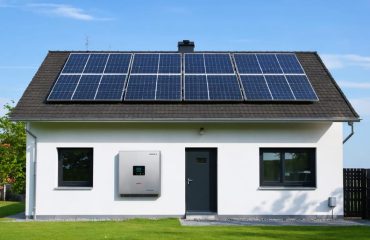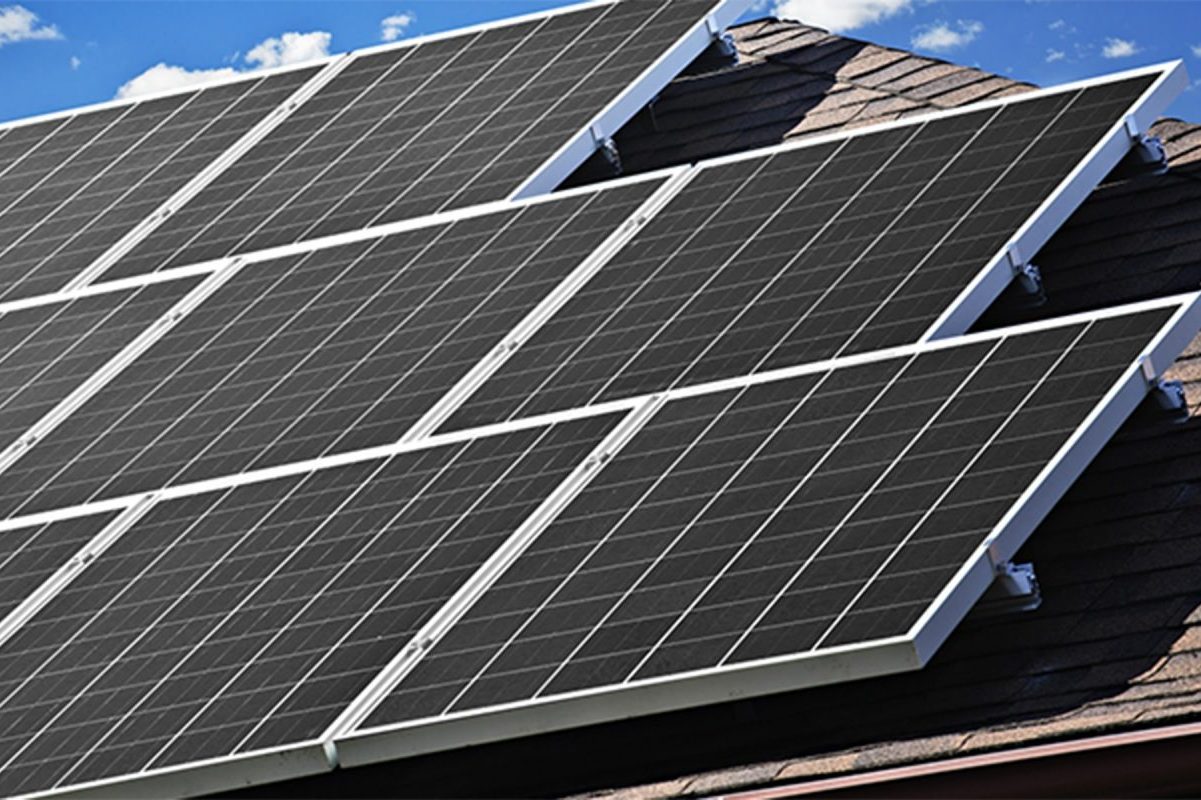
Solar panels generate electricity during the day, but what happens when the sun goes down or clouds roll in? This is the challenge every solar-powered home faces, and it’s exactly why storage solutions have become the missing piece in the renewable energy puzzle.
The good news: storing solar energy is more practical and affordable than ever. You have three main options. First, battery systems capture excess electricity your panels produce and release it when needed, letting you use solar power around the clock. Second, thermal storage converts solar energy into heat stored in water tanks or specialized materials, perfect for heating your home and water supply. Third, feeding excess power back to the grid creates credits you can draw on later through net metering programs.
Each storage method offers distinct advantages depending on your household needs, budget, and goals. Battery systems provide independence from the grid during outages. Thermal solutions integrate seamlessly with existing heating systems at lower costs. Grid-tied arrangements require minimal upfront investment while still reducing your electricity bills.
Understanding these options helps you maximize your solar investment and achieve true energy independence. The right storage solution transforms solar panels from a daytime-only asset into a complete home energy system that works for you 24/7.
The Basic Problem Solar Homeowners Face
If you have solar panels on your roof, you’ve probably noticed something frustrating: your system produces the most energy right when you need it least. During sunny midday hours when you’re at work or the kids are at school, your panels are working overtime, generating electricity while your home sits mostly empty. Meanwhile, when everyone’s actually home—rushing through morning routines or cooking dinner in the evening—the sun is either just rising or already setting, and your solar production drops dramatically.
This timing mismatch is the fundamental challenge every solar homeowner faces. Think about your typical day: you’re using energy for showers, coffee makers, and breakfast before the sun fully rises. During the afternoon when solar production peaks, maybe just your refrigerator and a few standby appliances are running. Then comes the evening rush—dinner preparation, laundry, TV time, phone charging—right when your panels are producing little to nothing.
Without a way to capture and store that abundant midday energy, you’re forced to pull electricity from the grid during those high-demand hours, essentially paying for power you could have used from your own roof. You might even be sending excess solar energy back to the grid during the day for minimal credit, only to buy it back at higher rates later. It’s like filling a bucket with water only to watch it drain away before you can use it.
What Is Thermal Storage? (And Why It’s Simpler Than You Think)
Think of your favorite thermos. You pour hot coffee in at 7 a.m., and it’s still steaming at lunchtime. That’s thermal storage at work—and the same simple principle can capture and hold the sun’s energy in your home.
Unlike solar panels that convert sunshine directly into electricity, thermal storage systems work by capturing heat energy and keeping it ready for when you need it. The sun heats up a special material—often water, salt, or even concrete—and that warmth stays trapped, sometimes for hours or even days.
Here’s the beauty of it: you’re probably already familiar with this concept. When you warm up a brick on a sunny windowsill and it stays hot well into the evening, that’s thermal storage. When your home’s concrete floor soaks up afternoon sunshine and radiates warmth after sunset, same principle.
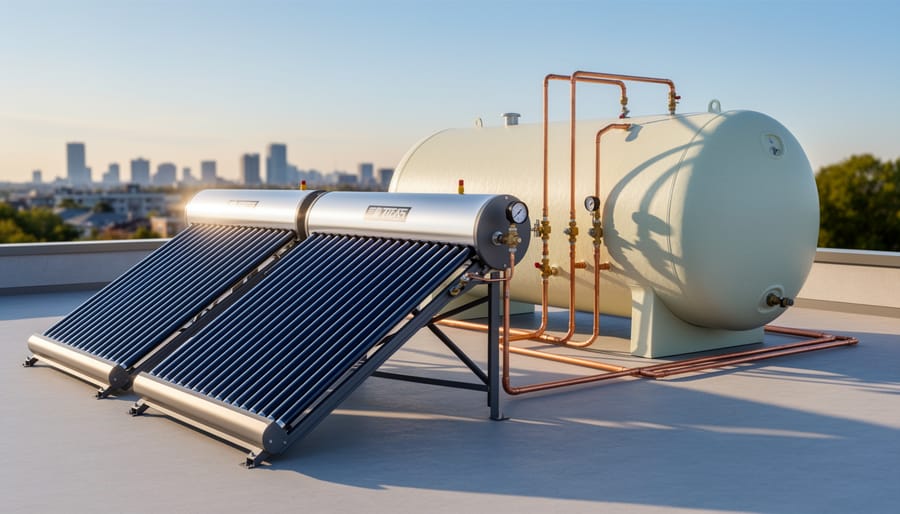
For homeowners, this technology offers surprising versatility. Solar water heaters are the most common example—the sun heats water during the day, which stays hot in an insulated tank for your evening shower. Some systems heat ceramic tiles or water tanks that slowly release warmth throughout your home when temperatures drop.
The real advantage? Thermal storage is remarkably efficient because you’re not converting energy multiple times. The sun’s heat becomes stored heat—no transformation to electricity and back to heat required. This directness means less energy lost in the process and lower costs compared to some electrical storage options.
Best of all, many thermal storage solutions use simple, durable materials without complex electronics, making them surprisingly affordable and long-lasting additions to your solar setup.
How Thermal Storage Solutions Actually Work in Your Home
Solar Water Heating Systems
Solar water heating systems offer one of the simplest and most cost-effective ways to capture and store solar energy right in your home. Here’s how it works: special solar thermal collectors, typically mounted on your roof, absorb sunlight and convert it directly into heat. This heat warms up water or a heat-transfer fluid that flows through the collectors, then gets pumped into an insulated storage tank where it stays hot until you need it.
Unlike solar panels that generate electricity, these systems focus purely on heating water, making them incredibly efficient at what they do. The insulated storage tanks work like a super-efficient thermos bottle, keeping water hot for hours or even days. This means you can take a warm shower at night using energy captured from the afternoon sun, or run your dishwasher in the evening without tapping into your conventional water heater.
The financial benefits are compelling. Most homeowners see their water heating bills drop by 50-80%, and in sunny climates, you might eliminate conventional water heating costs almost entirely during warmer months. The systems typically pay for themselves within 5-10 years through energy savings alone.
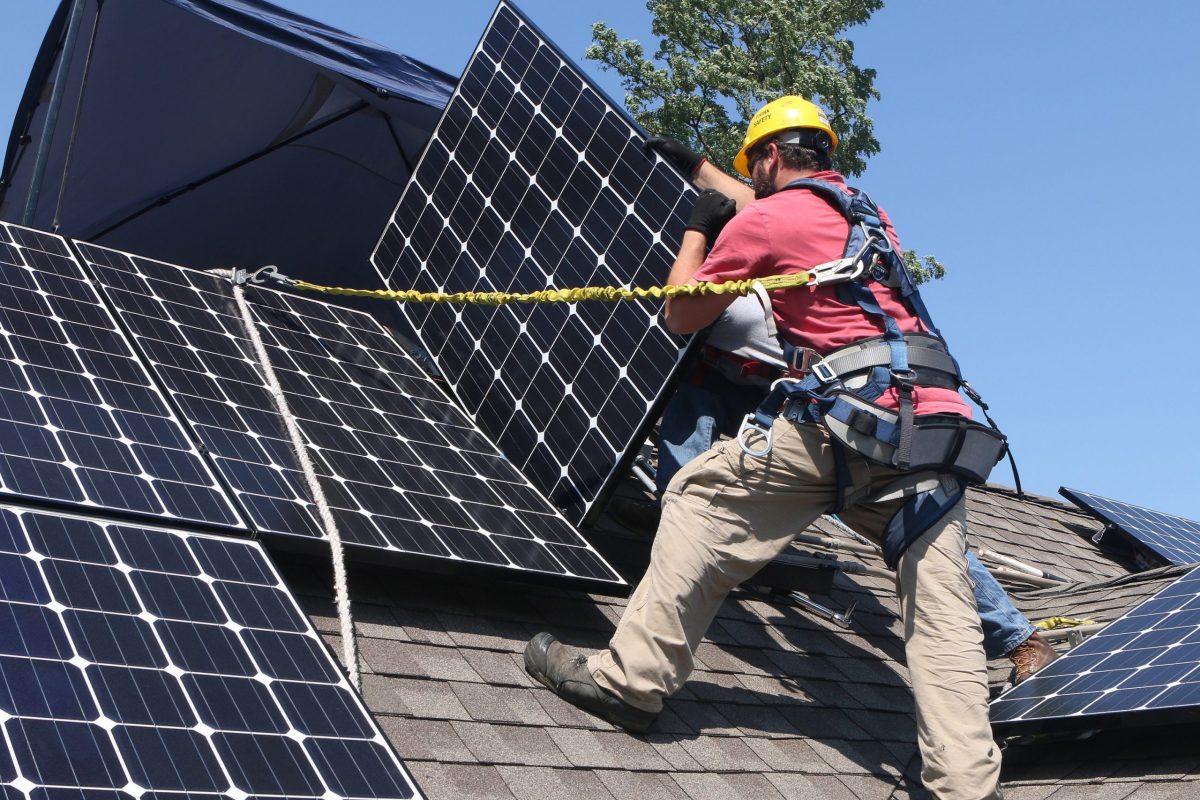
Installation is straightforward, and modern systems require minimal maintenance. Whether you’re running a hot bath, doing laundry, or washing dishes, you’re using free energy from the sun while cutting your monthly utility expenses. It’s a win-win for your wallet and the environment.
Thermal Mass Materials in Your Home
Your home is already equipped with a simple, effective solar storage system – you just might not realize it yet. Dense materials like concrete floors, brick walls, stone countertops, and tile naturally absorb heat during sunny days and release it slowly after sunset. This concept, called thermal mass, has kept homes comfortable for thousands of years and still works beautifully in modern living spaces.
Here’s how it works: When sunlight streams through your windows, these heavy materials soak up the warmth rather than letting it dissipate immediately. As temperatures drop in the evening, they gradually release that stored heat back into your living space, reducing your heating needs without any moving parts or electricity.
For existing homes, you can boost this natural storage capacity with straightforward upgrades. Adding a tile floor in a sun-drenched room, installing a stone accent wall, or even placing water-filled containers near south-facing windows creates more thermal mass. Dark-colored materials work best since they absorb more heat than light surfaces.
Phase-change materials represent a newer option that stores even more heat in less space. These specialized products change from solid to liquid as they absorb warmth, then solidify again while releasing it. While pricier than traditional materials, they’re available as wall panels or ceiling tiles that integrate seamlessly into renovations.
The beauty of thermal mass is its simplicity and zero operating costs. Once installed, these materials work automatically every sunny day, cutting your heating bills while keeping your home naturally comfortable.

Hybrid Systems That Combine Heat and Power Storage
Why choose between storing solar energy as heat or electricity when you can have both? Hybrid systems combine thermal storage with battery storage solutions to give you the best of both worlds, maximizing your energy independence and comfort throughout the year.
Here’s how it works: During sunny days, your solar panels generate electricity. Some of that power charges your batteries for nighttime use and backup power. At the same time, excess energy heats water or special storage materials in your thermal system. This dual approach means you’re not wasting any solar energy your panels produce.
The beauty of hybrid systems lies in their flexibility. On cold winter mornings, your thermal storage provides instant hot water and space heating without draining your battery. Meanwhile, your battery powers lights, appliances, and electronics. During summer, the balance shifts naturally, with more energy going to electrical storage for air conditioning while maintaining hot water availability.
For homeowners, this translates to lower utility bills across all seasons and greater resilience during power outages. You’ll have both electricity and hot water when the grid goes down. While hybrid systems require a larger upfront investment than standalone options, many homeowners find the year-round savings and comprehensive energy security worth the cost, especially in climates with significant seasonal temperature variations.
Real Benefits You’ll Notice in Your Home and Wallet
When you store solar energy effectively, the benefits show up in ways you’ll notice every single day. Let’s talk about what this really means for your daily life and finances.
First, your electricity bills will drop significantly. Picture this: it’s a sweltering August afternoon, and your air conditioning is running full blast. Instead of watching your meter spin and dreading the next bill, your stored solar energy is powering your home. Many homeowners report cutting their utility costs by 50-70% once they’ve implemented effective storage solutions, with some even eliminating their bills entirely during peak production months.
Your home comfort becomes more consistent and reliable. During evening hours when electricity rates typically spike, you’re drawing from your stored energy rather than expensive grid power. On cloudy days or during winter months when solar production naturally dips, your storage system bridges the gap, keeping your lights on and your home comfortable without interruption.
Grid independence brings unexpected peace of mind. When storms knock out power in your neighborhood, your home stays lit and functional. Your refrigerator keeps running, your devices stay charged, and your heating or cooling system continues working. This isn’t just convenient—it can prevent thousands of dollars in losses from spoiled food or frozen pipes.
The environmental impact is tangible too. By maximizing your solar investment through storage, you’re reducing your carbon footprint by an average of 3-4 tons annually. That’s equivalent to planting about 100 trees each year or taking a car off the road for twelve months.
Beyond the numbers, there’s real satisfaction in knowing you’re producing and using clean energy right from your own roof. You’re protecting yourself from unpredictable utility rate increases while contributing to a cleaner environment. These aren’t abstract benefits—they’re practical improvements you’ll experience monthly when bills arrive and daily when your home runs smoothly regardless of grid conditions.
Debunking Common Myths About Thermal Storage
Let’s clear up some common misconceptions that might be holding you back from considering thermal storage for your home.
First, the belief that thermal storage is prohibitively expensive doesn’t tell the whole story. While initial costs vary, simple thermal storage solutions like insulated water tanks cost significantly less than battery systems. Many homeowners start small with a basic setup and expand over time. Plus, when you factor in reduced energy bills over 20-30 years, the investment often pays for itself several times over.
Another myth suggests thermal storage only works in consistently hot climates. The truth? These systems actually shine in varied climates. Your solar panels generate heat energy year-round, even on cooler days. In fact, homes in northern regions successfully use thermal storage for space heating during winter months when it’s needed most. The key is proper insulation, not constant sunshine.
Perhaps the biggest misconception is that thermal storage systems are too complicated for average homeowners. Modern thermal storage operates similarly to your existing water heater, just smarter. You don’t need an engineering degree to benefit from it. Most systems include straightforward controls, and professional installers handle the technical setup. Once running, they require minimal maintenance beyond occasional check-ups.
The reality is thermal storage technology has matured into a practical, accessible option for everyday homeowners who want to maximize their solar investment while reducing their carbon footprint and monthly expenses.
Is Thermal Storage Right for Your Home?
Wondering if thermal storage makes sense for your home? Let’s walk through a few simple questions to help you decide.
First, think about your energy usage patterns. Do you use more energy during evenings and mornings when the sun isn’t shining? If you’re running your heating system, cooking dinner, or taking hot showers after sunset, thermal storage could be a game-changer. It lets you capture the sun’s heat during the day and use it exactly when your family needs it most.
Next, consider your climate. Do you live somewhere with cold winters or significant heating needs? Thermal storage shines in these situations because heating typically accounts for the largest chunk of your energy bill. Even homes in moderate climates can benefit, especially if you have a pool or use lots of hot water.
Look at your existing setup too. Already have solar panels? Thermal storage can complement your system beautifully, giving you another way to bank that free solar energy. Planning a solar installation? Now’s the perfect time to explore thermal options alongside traditional battery storage.
Finally, think about your goals. Are you aiming to cut your energy bills significantly? Become more energy independent? Reduce your carbon footprint? Thermal storage checks all these boxes, often at a lower cost than you might expect.
The good news? You don’t need to be an engineer to make this work. Many homeowners find thermal storage surprisingly straightforward and rewarding once they understand the basics.
Thermal storage transforms solar energy into a reliable power source that works day and night, helping you maximize your investment while reducing dependence on the grid. By capturing and storing heat when the sun shines brightest, you’re creating a buffer against fluctuating energy costs and power outages. This technology isn’t just environmentally smart—it’s financially savvy, offering real savings on monthly bills while increasing your home’s value. The path to energy independence is more accessible than ever, with thermal storage options suited for various budgets and home sizes. Take the time to explore what works for your situation, whether that’s a simple hot water system or a more comprehensive solution. The future of home energy is bright, and with thermal storage, you’re not just saving money—you’re investing in a sustainable tomorrow.