You’ve probably heard concerns about solar panels affecting local temperatures and wondered if installing them might inadvertently contribute to climate problems. The science behind these worries centers on solar albedo—essentially, how much sunlight surfaces reflect back into space versus absorb as heat.
Think of albedo as nature’s brightness scale. Fresh snow scores near-perfect, bouncing about 90% of sunlight away. Dark asphalt barely manages 5%, soaking up heat like a sponge. Your roof’s current surface already has an albedo value, and replacing it with solar panels does change that number. This raises a legitimate question: could switching to solar energy paradoxically warm your local environment?
The short answer that might surprise you: solar panels’ impact on local temperatures is negligible, and their climate benefits overwhelmingly outweigh any minor albedo changes. Research consistently shows that the carbon emissions prevented by solar electricity generation far exceed any theoretical warming from altered surface reflectivity. We’re talking about emissions reductions measured in tons versus temperature changes measured in fractions of degrees across tiny areas.
This matters because misinformation shouldn’t derail your sustainable energy goals. Some sources have exaggerated albedo concerns, creating unnecessary anxiety for homeowners considering solar installation. The reality is simpler and more encouraging: your decision to go solar remains one of the most impactful personal choices you can make for both environmental protection and long-term savings.
Understanding solar albedo empowers you to see through the myths and make confident decisions. Let’s break down exactly what albedo means, examine what research actually reveals, and clarify why solar panels remain an excellent investment for your home and our planet.
What Solar Albedo Actually Means for Your Roof
How Much Light Your Roof Reflects Now
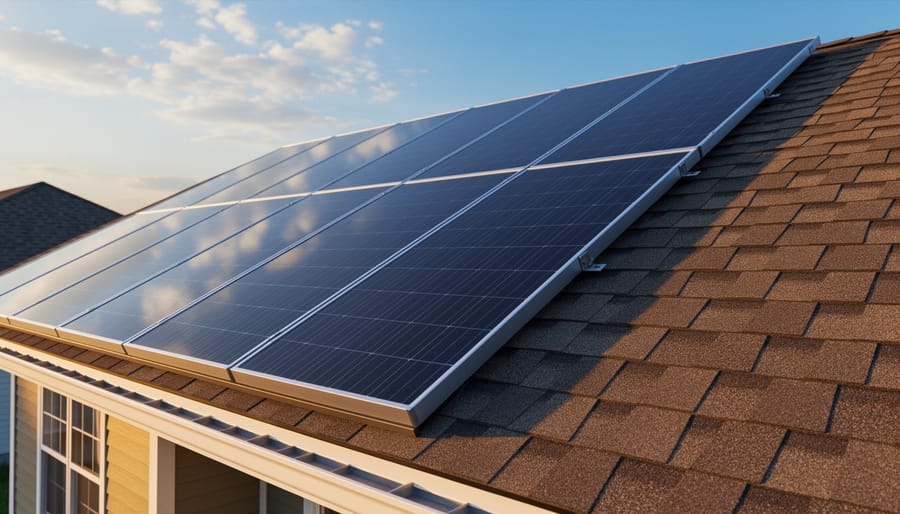
Your roof is already playing a significant role in your home’s temperature, and understanding its current reflectivity helps you make informed decisions. Think of albedo as your roof’s natural sunscreen rating, measured as a percentage of sunlight bounced back into the atmosphere.
Traditional dark asphalt shingles, found on most American homes, reflect only 5-15% of sunlight. That means they’re absorbing up to 95% of the sun’s energy, which explains why attics can feel like ovens in summer. Metal roofs perform considerably better at 25-60%, depending on their color and finish. Clay and concrete tiles fall somewhere in the middle, reflecting 20-35% of incoming light.
Here’s the good news: even a small increase in your roof’s reflectivity can translate to noticeable energy savings. A dark roof absorbing all that heat forces your air conditioning to work overtime, driving up electricity bills. Light-colored or specially coated “cool roofs” can reflect 65-85% of sunlight, potentially reducing cooling costs by 10-30%. Understanding these baseline numbers helps you appreciate why choosing reflective surfaces matters, whether you’re considering roofing materials or planning to add solar panels to your existing roof.
How Solar Panels Change the Equation
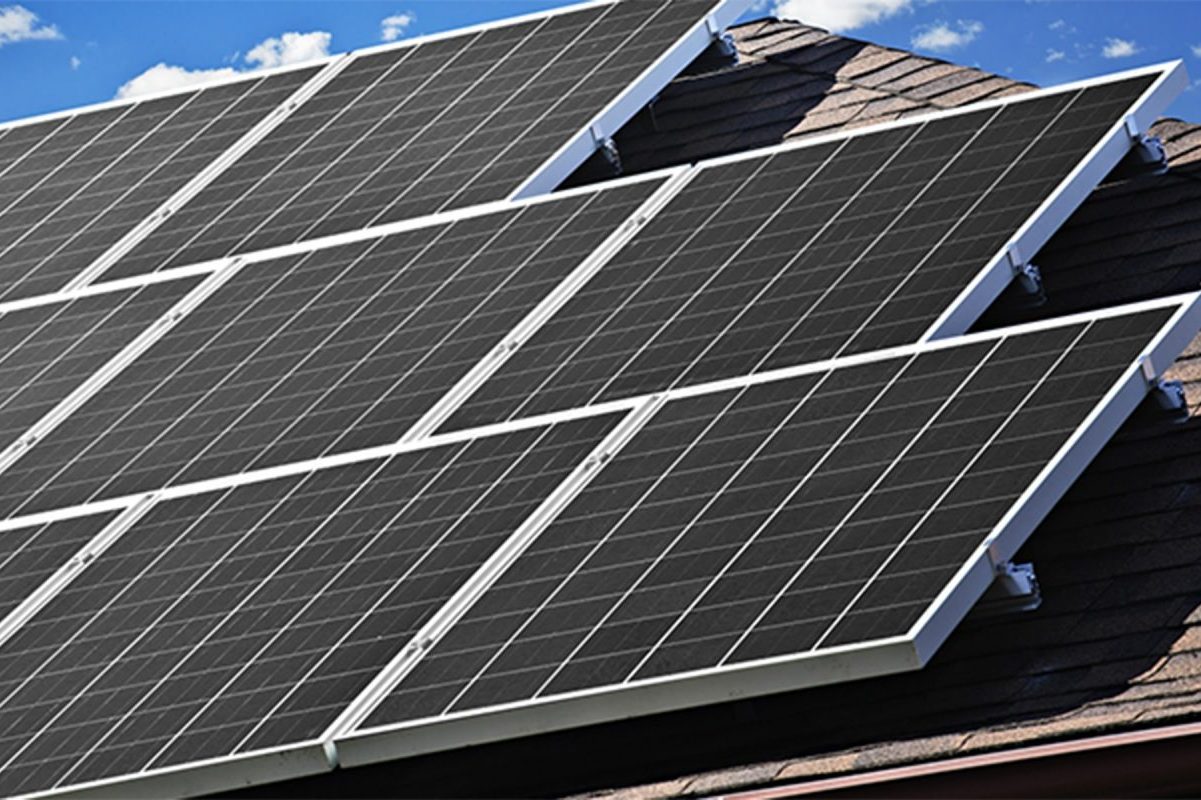
Solar panels are designed to absorb sunlight rather than reflect it, which means they have a lower albedo than many traditional roofing materials. A typical solar panel absorbs about 90-95% of incoming light, while a standard asphalt shingle roof reflects roughly 10-20%. At first glance, this might seem concerning, but it’s actually exactly what you want happening on your roof.
Here’s the key point: solar panels convert that absorbed sunlight into electricity rather than heat. While some warmth is generated, much of that energy gets transformed into usable power for your home instead of radiating into your attic or the local environment. Research shows that any localized warming effect is minimal and far outweighed by the massive reduction in heat-trapping emissions from generating clean electricity.
Think of it this way: would you rather have a reflective roof that bounces sunlight around, or a productive roof that captures that energy to power your air conditioning and reduce your reliance on fossil fuels? The climate benefits of generating clean energy dramatically outweigh any minor local temperature effects.
The Climate Feedback Loop You’re Creating
What Happens to Your Local Temperature
Let’s clear up a common concern: yes, solar panels do absorb more heat than a light-colored roof would, but the reality is far less dramatic than you might think. Here’s what actually happens in your backyard.
Solar panels typically reach temperatures between 140-180°F on hot days. That sounds warm, but remember, they’re converting much of that absorbed energy into electricity rather than just radiating heat back into the air. Compare this to a dark asphalt shingle roof, which can easily hit 160-190°F and does nothing productive with that heat except make your attic hotter and your air conditioning work harder.
Studies have found that the immediate area around solar installations experiences minimal temperature changes, usually less than a degree or two. Some research even suggests solar panels can keep the roof surface beneath them cooler by providing shade, which can reduce your cooling costs.
The key difference between solar panels and traditional dark roofing is what happens to the absorbed energy. Your panels transform sunlight into usable electricity for your home, while dark roofs simply convert it to waste heat. From a practical standpoint, if you’re replacing an old roof anyway, choosing solar panels over dark shingles means you’re putting that heat absorption to work for you rather than against you.
The bottom line? Any minor local warming effect from solar panels is vastly outweighed by the cooling benefits they provide through clean energy generation and reduced reliance on fossil fuels.
The Bigger Picture: Clean Energy vs. Heat Absorption
Here’s a question worth considering: yes, solar panels absorb more sunlight than a light-colored roof would, but what’s the bigger picture? The answer might surprise you with how positive it actually is.
When solar panels absorb sunlight on your roof, they’re doing something remarkable with that energy. Instead of just turning it into heat like a dark surface would, they’re converting roughly 15-20% of it into clean electricity. That electricity replaces power that would otherwise come from fossil fuel plants, which release greenhouse gases that warm the entire planet.
Think of it this way: a slightly warmer roof in one location versus reducing carbon emissions that affect the whole world. The math strongly favors solar panels. Studies show that for every unit of energy a solar panel might add as local heat, it prevents approximately 10-100 times more warming by displacing fossil fuel use. That’s not a small difference; it’s a game-changer.
The environmental benefits of solar extend far beyond your property line. Every kilowatt-hour your panels generate means less coal, natural gas, or oil burned somewhere else. Over a typical 25-year lifespan, a residential solar system prevents roughly 100 tons of carbon dioxide from entering the atmosphere.
The local warming effect, if any, is minimal and confined to your immediate area. Meanwhile, the climate benefits ripple outward globally. It’s similar to choosing a reusable water bottle: a small individual action that contributes to a much larger positive impact. Solar panels represent one of the most effective tools homeowners have to combat climate change while saving money on energy bills.
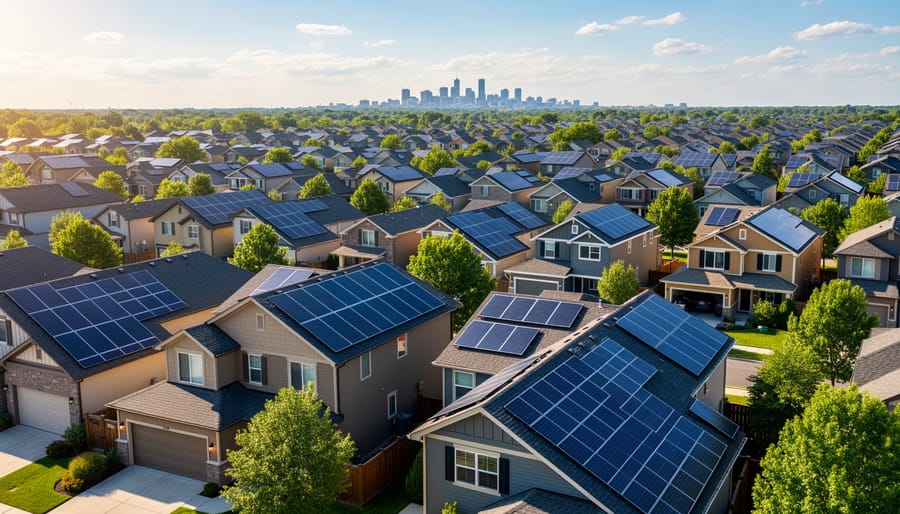
Debunking the Myth: Solar Panels and Heat Islands
What Research Actually Shows
Scientific studies consistently show that solar panels deliver tremendous climate benefits that far exceed any minor local albedo effects. When researchers examine the full picture, the results are clear and reassuring.
Multiple peer-reviewed studies confirm that solar panels reduce overall global warming despite reflecting less sunlight than lighter surfaces like gravel roofs or snow. The key finding? The carbon emissions avoided by generating clean electricity dramatically outweigh the modest heat absorption from darker panels. One comprehensive analysis found that solar installations offset their albedo impact within just a few months of operation, then provide pure climate benefits for their remaining 25-30 year lifespan.
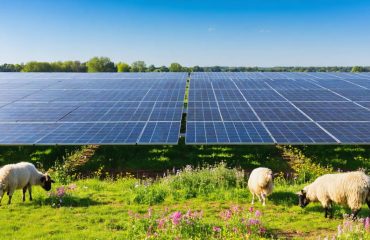
Research also reveals that local temperature changes around solar farms are minimal and typically confined to the immediate area. Ground-mounted installations may experience slight warming directly beneath panels, but this effect doesn’t extend beyond the installation site. Rooftop systems actually help many homes stay cooler by shading the roof surface itself.
The science is equally clear when examining how green solar panels are overall. Every study comparing solar energy to fossil fuels reaches the same conclusion: solar panels prevent vastly more warming than they could ever cause through albedo changes. The climate math strongly favors installation.
Bottom line? Researchers worldwide agree that albedo concerns shouldn’t discourage anyone from choosing solar power. The environmental benefits are real, substantial, and scientifically proven.
Comparing Apples to Apples: Solar vs. Dark Roofs
Here’s the reality that might surprise you: those dark asphalt shingles on most homes actually absorb more heat than solar panels do. Traditional dark roofing materials have an albedo as low as 0.05 to 0.10, meaning they reflect only 5-10% of sunlight. Solar panels, on the other hand, typically have an albedo around 0.30, reflecting about 30% of incoming light.
This means solar panels are actually three times more reflective than the common dark roof they’re replacing. When you install solar panels on a typical asphalt-shingled home, you’re not creating a heat problem—you might even be improving the situation slightly.
Even better news: the energy your panels generate replaces electricity that would otherwise come from power plants, which produce significant heat and carbon emissions. This climate benefit vastly outweighs any minor local temperature effects.
The bottom line? If you have a dark roof (which most homeowners do), the albedo concern is a non-issue. You’re actually making a positive change while enjoying lower energy bills. The environmental and financial benefits of going solar far exceed any theoretical albedo worries.
Making Smart Choices for Your Home and Planet
Should Albedo Affect Your Solar Decision?
The straightforward answer is no—albedo effects should not factor into your decision about installing solar panels. Here’s why: the carbon reduction benefits of solar energy are hundreds of times more significant than any minimal local warming from reduced surface reflectivity.
Think of it this way: a typical residential solar installation prevents roughly 100,000 pounds of carbon dioxide emissions over its lifetime. The slight albedo effect? It might raise local surface temperatures by a fraction of a degree in the immediate area around your panels. The climate benefit isn’t even close.
Research consistently shows that solar panels offset their minor albedo impact within the first few years of operation. After that, it’s all positive environmental gains. The bigger picture matters most—replacing fossil fuel energy with clean solar power dramatically reduces greenhouse gas emissions, which is the primary driver of climate change.
Bottom line: don’t let albedo concerns delay your solar journey. The environmental and financial benefits of going solar far outweigh this minor physical phenomenon.
Optional Considerations for Maximum Benefit
If you’re the type who loves optimizing every detail, there are a few tweaks that might squeeze out minor additional benefits, though honestly, they won’t make a significant difference to the albedo concern. Choosing panels with slightly lighter frames or backing could marginally reduce heat absorption, but the impact is minimal. Similarly, if you’re replacing your roof anyway, opting for lighter-colored roofing materials in exposed areas around your panels could maintain a bit more reflectivity, though this is really splitting hairs.
Installation angle matters more for energy production than albedo effects. The good news is that the optimal tilt for generating electricity naturally creates some air circulation beneath panels, which helps with cooling. Some homeowners wonder about white or reflective roofs under their panels, but remember that the panels themselves will cover most of that surface anyway.
The bottom line? These considerations are nice-to-knows rather than must-dos. Your solar installation will provide tremendous environmental and financial benefits regardless of these minor details. Focus your energy on finding quality installers and favorable financing rather than worrying about optimizing albedo effects.
Your Financial Bottom Line Stays the Same
Here’s the good news: concerns about albedo effects don’t change the financial equation for your solar investment. Your panels will still slash your monthly electricity bills by the same amount, regardless of their reflective properties. The energy they generate remains constant, powering your home and potentially earning you credits through net metering programs.
Solar panels continue to increase property values, with research showing homes sell faster and for more money when equipped with solar systems. The typical return on investment stays strong, with most homeowners recouping their initial costs within 7-10 years through energy savings alone. Available tax credits and local incentives remain unchanged by albedo considerations.
The environmental benefits you’re seeking stay intact too. Your panels offset carbon emissions and reduce dependence on fossil fuels just as effectively. Bottom line: albedo is a fascinating scientific topic, but it shouldn’t influence your decision to go solar or affect the substantial financial and environmental rewards you’ll enjoy.
Solar albedo is a fascinating scientific concept worth understanding, but it shouldn’t stand in the way of your decision to go solar. While it’s true that solar panels absorb more sunlight than many roof surfaces, creating minor local temperature changes, the broader picture tells a much more compelling story about their environmental value.
The reality is simple: the climate benefits of clean energy generation vastly outweigh any minimal albedo effects. When you install solar panels, you’re actively reducing carbon emissions by replacing electricity from fossil fuels. This contribution to fighting climate change is thousands of times more significant than any localized heat absorption from your rooftop. Research consistently shows that the carbon offset from solar energy production delivers net positive environmental outcomes within just a few years of operation.
Think of it this way: the small amount of extra heat your panels might absorb is a tiny trade-off for decades of pollution-free electricity. Plus, many of these local effects can be minimized through thoughtful installation choices, proper ventilation, and selecting lighter-colored materials where possible.
The bottom line? Solar panels remain one of the best investments you can make for both the planet and your wallet. You’ll be generating clean electricity, reducing your carbon footprint, lowering your energy bills, and potentially increasing your home’s value. Don’t let concerns about albedo hold you back from making this positive environmental and financial choice. The science supports solar, and so does common sense. Take the next step toward energy independence and join the growing community of homeowners powering a cleaner, brighter future.