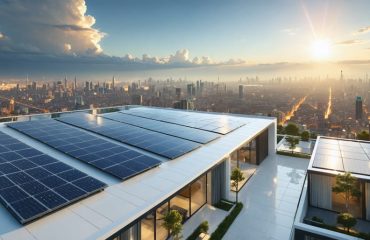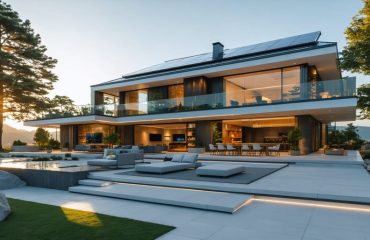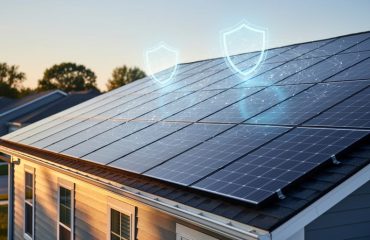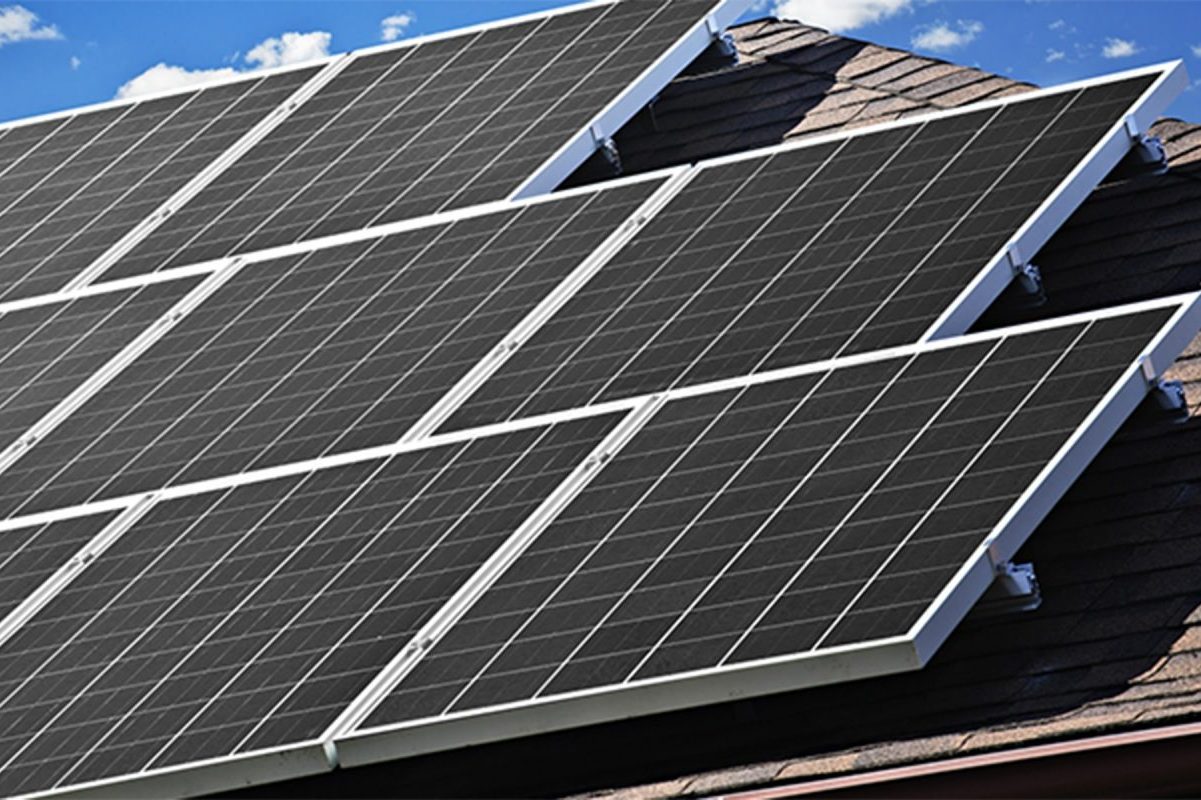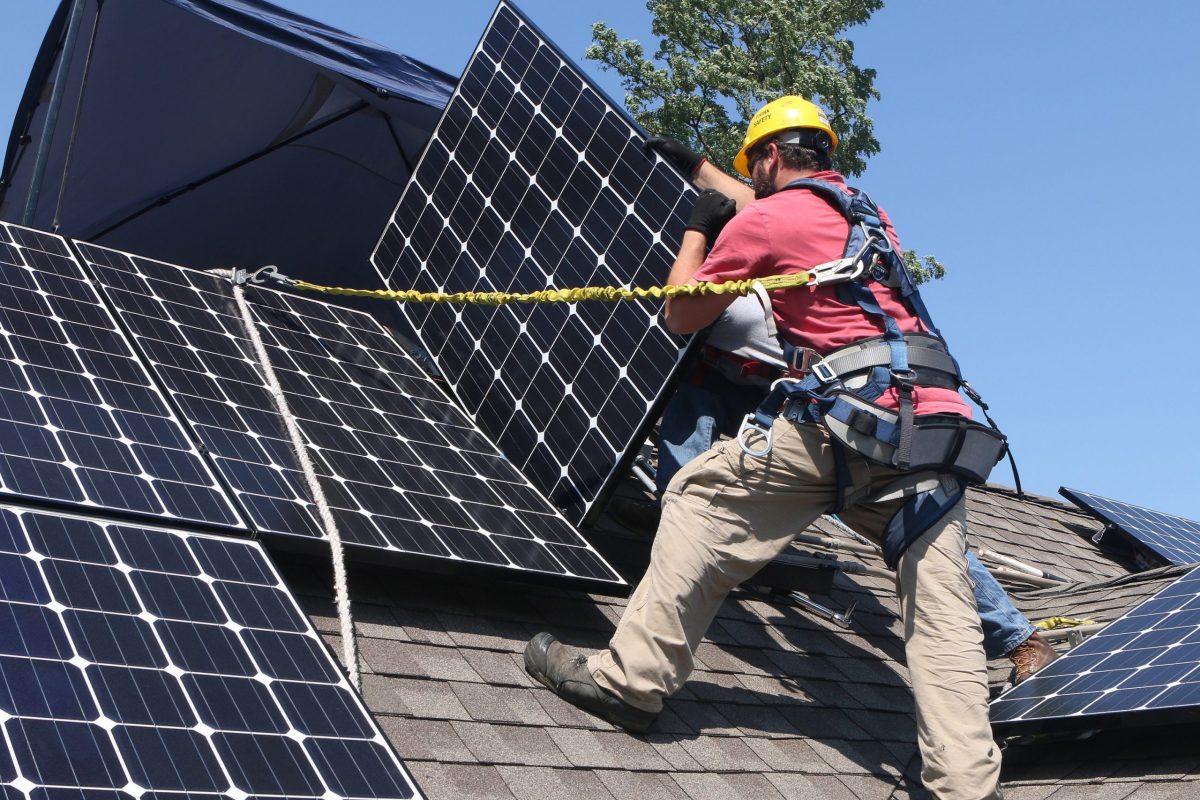
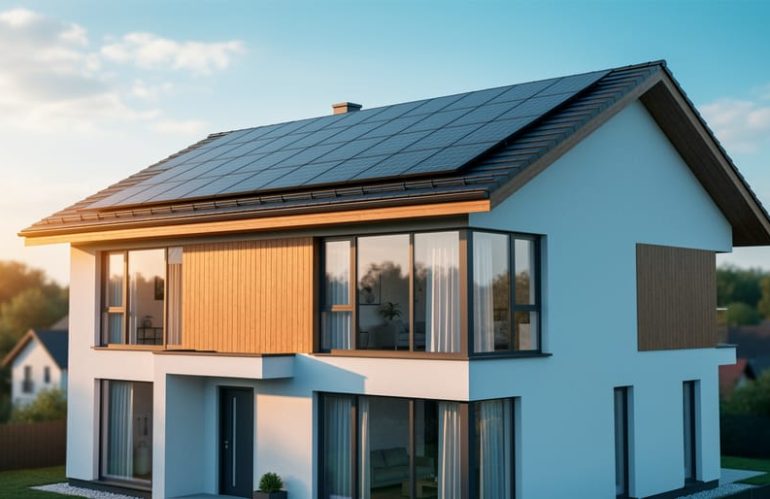
Your home’s roof, walls, and windows could soon generate all the electricity you need—and you’d never know they were solar panels. Building-Integrated Photovoltaics (BIPV) represents the most significant shift in residential renewable energy since rooftop solar arrays first appeared decades ago, transforming ordinary building materials into power-generating surfaces that blend seamlessly with your home’s design.
Unlike bulky panels bolted onto your roof, BIPV technology embeds solar cells directly into shingles, siding, glass windows, and even decorative facades. This innovation solves the main complaint homeowners have voiced about traditional solar: aesthetics. The technology has matured beyond experimental phases, with major manufacturers now producing solar roof tiles that match conventional materials so precisely your neighbors won’t spot the difference.
The financial case strengthens daily as production scales up and installation costs drop. Early adopters paid premium prices, but current BIPV options increasingly compete with combined costs of quality roofing materials plus traditional solar panels. You’re essentially paying for necessary home improvements—a new roof, window replacement, or exterior renovation—while simultaneously adding energy generation capacity.
This matters now because replacement cycles create natural adoption windows. When your 20-year-old roof needs replacing anyway, choosing solar shingles over standard ones becomes a straightforward comparison rather than an additional expense. The innovation isn’t just technological—it’s about timing renewable energy investments with home maintenance you’d make regardless.
What Building-Integrated Photovoltaics Really Means for Your Home
Beyond Rooftop Panels: The Evolution of Solar
For decades, rooftop solar panels have been the go-to solution for homeowners wanting to harness the sun’s power. While effective, these traditional systems often face pushback due to aesthetic concerns—many homeowners worry about bulky panels disrupting their home’s appearance or neighborhood guidelines restricting installations.
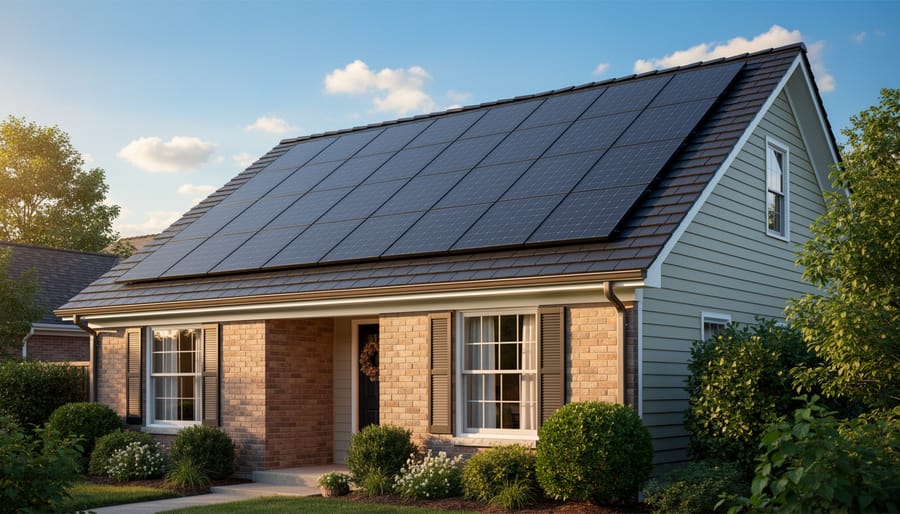
Building-Integrated Photovoltaics represents a natural evolution in solar technology. Rather than adding panels on top of your existing roof, BIPV makes solar cells part of your home’s actual structure. Think of it as solar technology that disappears into your architecture—solar roof tiles that look like regular shingles, windows that generate electricity while still letting in light, or siding that protects your home while producing power.
This seamless integration addresses one of the biggest barriers to solar adoption: aesthetics. You get all the financial benefits of solar energy—reduced electricity bills and potential home value increases—without compromising your home’s curb appeal. BIPV is among the game-changing solar technologies making renewable energy more accessible and appealing to homeowners who previously hesitated due to appearance concerns. It’s not just about generating clean energy anymore; it’s about doing so in a way that enhances rather than alters your home’s design.
Why Homeowners Are Taking Notice Now
The breakthrough that’s changing everything for homeowners comes down to three key factors: better performance, lower prices, and designs that actually look good on your home.
Today’s building-integrated solar products are dramatically more efficient than even five years ago. Modern BIPV systems convert sunlight to electricity at rates comparable to traditional rooftop panels, meaning you get the same energy production without the bulky add-ons. This efficiency leap makes them practical for real-world residential use, not just architectural showpieces.
Cost has dropped significantly too. While BIPV once carried premium pricing that scared away average homeowners, manufacturing improvements and increased competition have brought prices within reach. When you factor in that you’re replacing both roofing materials and adding solar generation, the math starts making sense for many households looking to reduce their energy bills.
Perhaps most importantly, manufacturers finally understand that homeowners care about curb appeal. Gone are the clunky, obviously “solar” designs of the past. Today’s options include sleek solar shingles, attractive glass panels, and integrated solutions that blend seamlessly with your home’s architecture. You can go green without sacrificing the look of your home, which removes a major barrier that stopped many people from adopting solar technology in the first place.
Five Game-Changing BIPV Innovations Coming to Residential Homes
Solar Windows That Let Light In While Generating Power
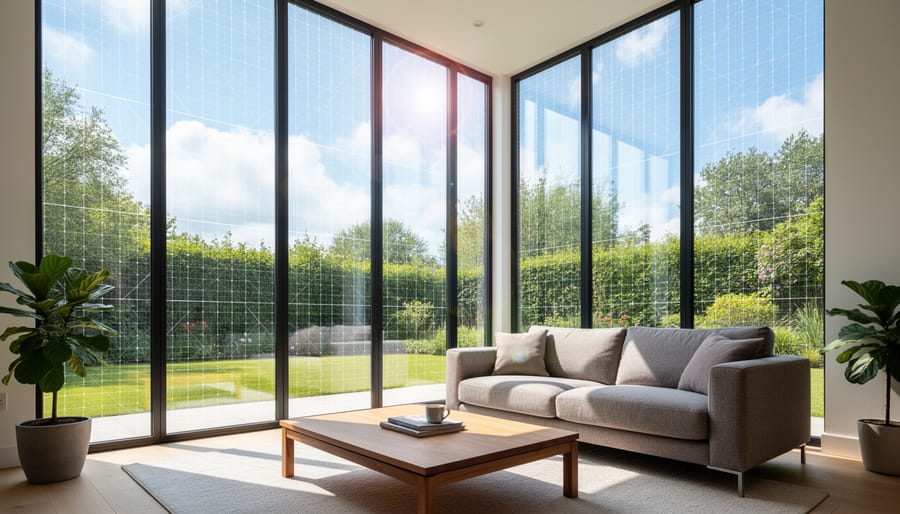
Imagine windows that brighten your home while quietly generating electricity. That’s exactly what solar windows do. Unlike traditional rooftop panels, these innovative glass panels contain tiny solar cells that capture sunlight and convert it into energy, all while remaining transparent or lightly tinted.
The technology works through microscopic photovoltaic materials embedded between glass layers. These materials absorb ultraviolet and infrared light that’s invisible to the human eye, allowing most visible light to pass through. You get natural daylight flooding your space while the window generates clean energy in the background.
Current efficiency levels range from 5% to 15%, which is lower than traditional panels. However, the trade-off makes sense in specific applications. Solar windows shine brightest in homes with large south-facing windows, expansive skylights, or sun rooms where traditional panels aren’t practical. They’re particularly valuable for homeowners who prioritize aesthetics and want to maintain their home’s architectural character.
The financial benefit comes from utilizing surfaces that would otherwise produce no energy at all. Every large window becomes a mini power station, contributing to your household electricity needs without compromising your views or curb appeal. As the technology advances, efficiency rates continue to improve, making solar windows an increasingly practical addition to a comprehensive home energy strategy.
For new construction or major renovations, solar windows represent an elegant way to blend sustainability with modern design.
Solar Roof Tiles That Look Like Regular Shingles
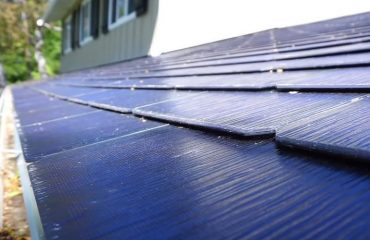
Solar roof tiles and shingles represent one of the most exciting breakthroughs in home solar technology. Unlike traditional panels that sit on top of your roof, these innovative products actually replace your regular roofing materials while generating clean electricity. They look remarkably similar to standard asphalt or slate shingles, which means you can go solar without changing your home’s curb appeal.
Modern solar shingles are surprisingly durable, typically lasting 25-30 years with warranties that match or exceed conventional roofing materials. They’re designed to withstand the same weather conditions as traditional roofs, including hail, high winds, and heavy snow. Installation does take slightly longer than standard roofing since electricians work alongside roofers, but this integrated approach means you’re solving two needs at once.
The cost comparison is straightforward: solar shingles generally run 10-20% higher than traditional solar panels for the same energy output. However, if your roof needs replacement anyway, the math changes dramatically. You’re essentially paying for a new roof and solar system combined, which often costs less than doing both projects separately.
Maintenance is minimal and similar to regular roofing upkeep. Individual tiles can be replaced if damaged, just like traditional shingles, though you’ll want a qualified installer to maintain electrical connections. Most homeowners find that occasional cleaning to remove debris is all that’s needed to keep their solar roof performing optimally.
Solar Siding and Wall Panels
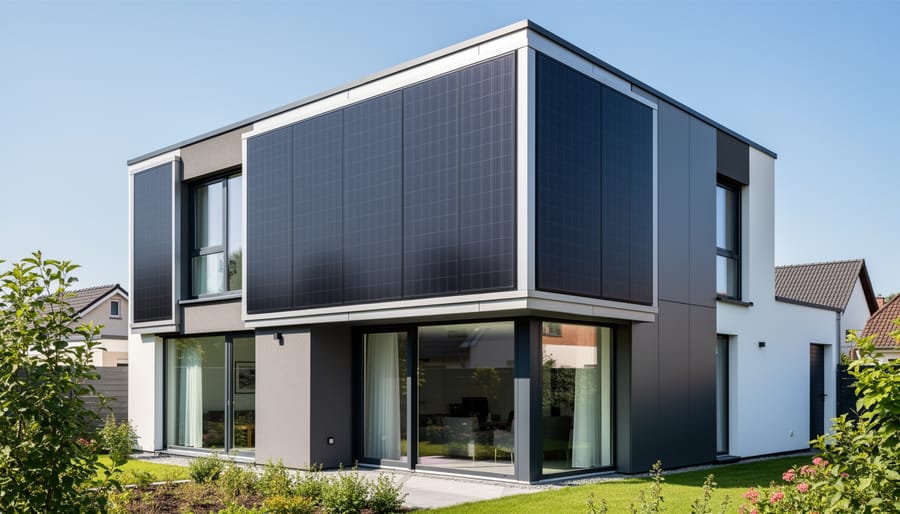
Solar panels don’t need to be limited to your roof anymore. Solar siding and exterior wall panels bring power generation to the vertical surfaces of your home, opening up solar possibilities for homeowners who’ve been told their roof isn’t ideal for traditional panels.
If your roof has limited space, faces the wrong direction, or sits under tree shade, solar walls offer a practical alternative. These panels integrate seamlessly into your home’s exterior, functioning as both protective cladding and energy generators. Because vertical panels catch sunlight at different angles throughout the day, they complement rooftop systems by capturing morning and afternoon sun when traditional panels might be less efficient.
The financial benefit is straightforward: you’re transforming unused wall space into productive energy infrastructure without sacrificing your home’s appearance. Modern solar siding looks like premium building materials, not industrial equipment, so your home maintains its curb appeal while cutting energy costs.
For new construction or major renovations, solar walls can actually reduce overall costs by replacing conventional siding materials entirely. You’re not adding expense on top of standard building materials; you’re choosing an upgraded exterior that pays you back through energy savings.
Flexible Solar Films for Curved and Unique Surfaces
Thin-film solar technology represents one of the most exciting developments in home energy, opening up possibilities that traditional rigid panels simply can’t match. These lightweight, flexible films use revolutionary solar materials that bend and conform to curved or irregular surfaces without sacrificing performance.
For homeowners, this means you can now generate clean electricity from spaces previously considered unsuitable for solar. Curved architectural features, barrel-vaulted roofs, and domed structures can all become power-generating assets. Flexible films also work beautifully on pergolas and patio covers, providing shade while producing energy. Awnings over windows and decks can pull double duty, keeping spaces cool while offsetting your electric bill.
The installation process is often simpler than traditional panels, and the lightweight nature means less structural reinforcement needed. While thin-film technology typically offers slightly lower efficiency than conventional panels, the ability to cover more diverse surfaces often compensates for this difference. Current residential applications show these systems lasting 20-plus years with minimal maintenance, making them a practical choice for creative energy solutions around your property.
Smart BIPV Systems That Optimize Energy Throughout Your Home
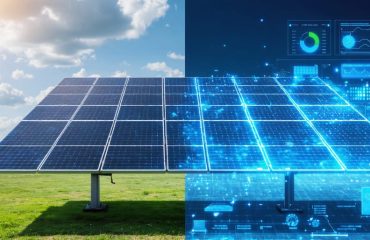
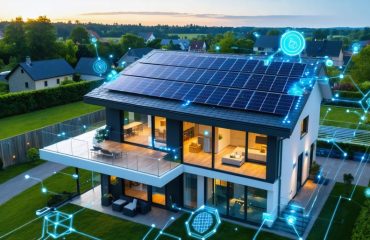
Modern BIPV systems deliver maximum value when paired with smart home technology that makes intelligent decisions about your energy. These integrated systems connect your solar roof with battery storage and smart controls that automatically direct power where it’s needed most—running appliances during peak generation, storing excess energy, or selling it back to the grid when prices are highest.
Think of it as having a personal energy manager working 24/7. The system learns your usage patterns and adjusts accordingly. When your BIPV panels generate surplus electricity, smart controllers prioritize charging your home battery first, then power high-consumption appliances like water heaters or HVAC systems. This ensures you’re using your own clean energy rather than pulling from the grid during expensive peak hours.
These systems integrate seamlessly with modern energy storage solutions, creating a self-sufficient home ecosystem. Most homeowners report 70-90% reductions in grid dependence within the first year. The real benefit? You’re maximizing every watt your roof produces, turning your home into a profit-generating asset rather than just an energy consumer.
The Real Financial Picture: Costs, Savings, and Incentives
When BIPV Makes More Financial Sense Than Traditional Panels
Building-integrated photovoltaics often deliver superior financial returns in specific situations. If you’re planning new construction, BIPV eliminates the cost of traditional roofing materials while adding solar generation, effectively reducing your net investment compared to buying a roof and separate panels. Similarly, when your existing roof needs replacement, BIPV shingles can be installed for roughly the same total cost as a new premium roof plus conventional solar panels, but with a more attractive appearance.
Homeowners facing strict homeowners association guidelines or living in historic districts frequently find BIPV their only viable solar option, as the seamless integration passes design review where bulky panels wouldn’t. The aesthetic advantage also translates to property value, with research showing that buyers pay premiums for homes with integrated solar versus add-on systems.
The key is timing and context. BIPV rarely makes sense as a retrofit on a newer roof in good condition, but when construction or replacement is already planned, the financial equation shifts dramatically. Consider your timeline, architectural constraints, and long-term property plans to determine if BIPV is your smartest renewable energy investment.
Breaking Down the Investment Timeline
Understanding ROI and payback periods for renewable energy investments doesn’t have to be complicated. Most homeowners see their investment pay for itself within 7-12 years, though your timeline depends on several personal factors.
Start by calculating your baseline: divide your total system cost (after tax credits and rebates) by your annual energy savings. For example, a $20,000 system saving you $2,000 yearly means a 10-year payback period. After that point, you’re essentially getting free electricity for decades.
Several factors can speed up your return. Rising utility rates work in your favor since you’re locked into your own production costs. Net metering programs that credit you for excess power can cut your payback period by 2-3 years. Energy-efficient home upgrades alongside your renewable system maximize savings from day one.
Factors that might extend your timeline include lower-than-average electricity rates in your area, significant shading issues, or roof orientations that reduce production. However, equipment warranties spanning 25 years mean you’ll still come out ahead financially.
The key is getting a personalized assessment based on your actual energy usage, local utility rates, and available incentives. Many homeowners find that monthly loan payments equal or fall below their previous electricity bills, meaning positive cash flow starts immediately rather than years down the road.
Busting Common Myths About Building-Integrated Solar
“Integrated Solar Isn’t as Efficient as Panels”
Here’s the reality: integrated solar products typically convert 10-15% of sunlight into electricity, while traditional panels reach 18-22%. That sounds like a big difference, but for most homes, it doesn’t matter as much as you’d think. The key question isn’t efficiency per square inch—it’s total energy generated for your specific needs.
Traditional panels are limited to your roof, which might face the wrong direction or lack sufficient space. Integrated solar options like solar roof tiles, window films, and facade systems let you capture energy from multiple surfaces throughout your home. A south-facing wall or skylight can generate power that would otherwise go untapped. When you add up energy from these previously unused surfaces, you often match or exceed what conventional panels alone would produce. Plus, you’re getting a dual-purpose product—building material and energy generator combined—which changes the value equation entirely.
“What Happens When Something Breaks or Needs Replacing?”
Modern renewable energy systems come with comprehensive warranties that typically cover 25 years for solar panels and 10-15 years for inverters and batteries. When something needs attention, most manufacturers have established service networks with certified technicians in your area. The good news is that solar technology has become increasingly standardized, meaning you’re not locked into a single provider for repairs or replacements.
Most maintenance is minimal—an occasional cleaning and annual inspection keep systems running smoothly. If a component fails, warranties usually cover replacement parts and labor during the coverage period. After warranties expire, individual components can be replaced without overhauling your entire system, thanks to industry standardization. Many homeowners also have access to monitoring apps that alert them to performance issues before they become problems, making maintenance proactive rather than reactive. This accessibility and transparency make renewable energy systems far more manageable than many people expect.
“This Technology Is Too New and Untested”
Building-integrated photovoltaics aren’t experimental technology fresh from the laboratory. Solar roof tiles and facade panels have been commercially available since the 1990s, with early installations still performing reliably today. Major manufacturers have refined these products for decades, and thousands of buildings worldwide already use BIPV systems successfully.
What’s changed isn’t the core technology, but the economics. Manufacturing advances have dramatically reduced production costs, making BIPV competitive with traditional solar installations in many scenarios. Modern BIPV products also offer better efficiency ratings and more design options than earlier generations.
The genuine innovation lies in improved aesthetics, easier installation methods, and smart integration with home energy systems. Today’s BIPV looks better, installs faster, and works more seamlessly with battery storage and smart home technology. You’re not adopting experimental tech; you’re benefiting from mature technology that’s finally reached mass-market affordability. The proven track record combined with today’s competitive pricing makes this the ideal moment for homeowners to consider BIPV seriously.
How to Know If BIPV Is Right for Your Home
BIPV works best when it aligns with your specific home situation and goals. Here’s how to determine if it’s the right choice for you.
Timing is perhaps the most critical factor. If you’re building a new home or planning a major roof replacement, BIPV becomes significantly more attractive. You’ll avoid paying twice for roofing materials and labor, which dramatically improves the economics. Many homeowners find that BIPV costs only marginally more than premium roofing plus traditional solar panels when installed during construction. Retrofitting an existing roof that’s still in good condition, however, makes less financial sense since you’d be removing perfectly functional materials.
Your budget and aesthetic priorities matter equally. BIPV typically requires a higher upfront investment than conventional solar, so calculate your expected payback period based on your energy costs and available incentives. If the sleek, integrated look significantly appeals to you and fits within your budget, that value shouldn’t be dismissed. After all, you’ll see your roof every day for decades.
Consider your property characteristics carefully. South-facing roofs with minimal shading are ideal candidates. Homes with complex roof geometries or significant tree coverage may not generate enough energy to justify the premium cost. Similarly, if your roof angle doesn’t align well with optimal solar positioning for your location, traditional panels offer more flexibility in mounting adjustments.
You’re likely a good BIPV candidate if you’re building new, value aesthetics highly, have suitable roof orientation, and live in an area with strong solar incentives. Traditional panels make more sense if you have an existing roof in good condition, are working with a tighter budget, or need maximum energy production flexibility. Both paths lead to meaningful energy savings and environmental benefits.
The future of solar energy is undeniably bright, with building-integrated photovoltaics representing one of the most exciting frontiers in renewable energy. While we’re still in the early stages of widespread BIPV adoption, the progress made in recent years demonstrates that solar integration is moving from concept to reality. Some options like solar roofing tiles and specialized window films are available today, while others remain in development. This presents a unique opportunity for forward-thinking homeowners.
If you’re planning a construction project or major renovation in the coming years, now is the perfect time to explore how emerging solar innovations might fit into your vision. Even if certain BIPV technologies aren’t quite ready for your immediate needs, understanding the landscape helps you make informed decisions that future-proof your investment.
Taking action starts with three practical steps. First, consult with qualified solar professionals who can assess your home’s specific potential and discuss current BIPV options. Second, evaluate your property’s sun exposure, structural requirements, and energy consumption patterns. Third, research local incentives, rebates, and tax credits that can significantly improve your project’s financial return.
Our mission centers on creating sustainable energy solutions that benefit both your wallet and the environment. By staying informed and thinking strategically about your home’s energy future, you’re not just adopting technology—you’re investing in a cleaner, more cost-effective lifestyle.