Your home solar system connects to the internet, creating a digital doorway that cybercriminals could potentially exploit. While manufacturers build security into these systems, the reality is that any connected device carries some level of risk—and unlike your laptop, your solar panels manage thousands of dollars in equipment and energy production.
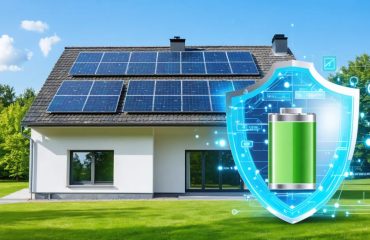
Cyber insurance for solar monitoring and control systems fills a specific protection gap that your standard homeowners policy doesn’t cover. Think of it as a safety net for the digital side of your investment. If a hacker manipulates your system’s settings, causes equipment damage, or steals your energy usage data, this specialized coverage handles the financial fallout.
The good news? Solar system cyber attacks remain rare, and the technology is improving constantly. Most homeowners won’t experience an incident. However, as solar installations become more common and valuable, they’re attracting more attention from bad actors looking for vulnerabilities. The question isn’t whether to panic—it’s whether the modest cost of protection makes sense for your situation.
This coverage typically includes repair costs from cyber damage, data breach expenses, business interruption if you sell energy back to the grid, and liability protection if your compromised system affects others. Understanding what you’re protecting, the actual risks you face, and whether this insurance aligns with your financial priorities will help you make a confident, informed decision about securing your solar investment.
How Solar Monitoring Systems Actually Work
Your solar monitoring system is simpler than you might think, and understanding how it works takes the mystery out of cybersecurity concerns. These systems operate through a straightforward process that keeps you informed about your solar investment without being complicated.
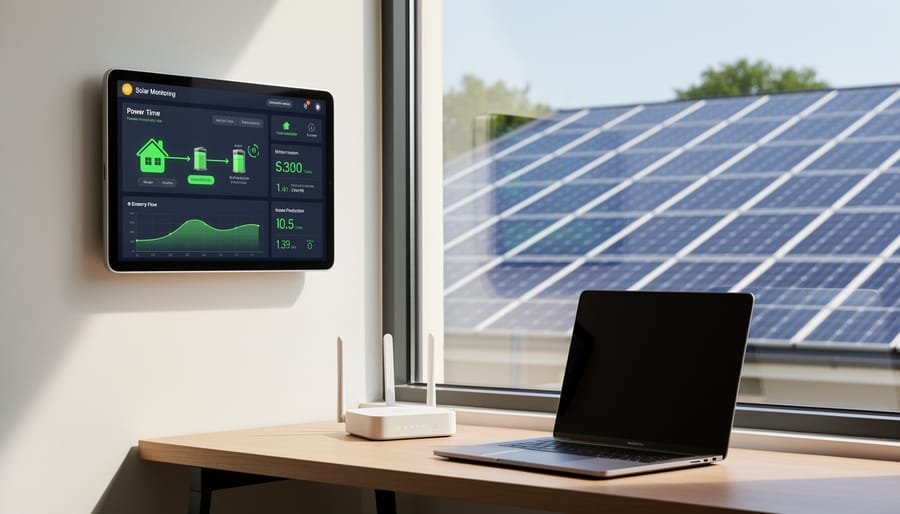
Here’s what happens: Your solar panels generate electricity, and a device called an inverter converts that power for your home’s use. Connected to this setup is a small monitoring device that tracks how much energy your panels produce, how much your household consumes, and how much surplus power flows back to the grid. This monitoring device connects to your home’s internet connection, either through WiFi or an ethernet cable, sending this performance data to the manufacturer’s cloud servers.
The data collected is primarily numbers: energy production measured in kilowatt-hours, system efficiency percentages, and equipment performance metrics. Think of it like a fitness tracker for your solar panels. Some advanced systems also monitor individual panel performance, helping identify if one panel needs attention.
This internet connectivity delivers real benefits that make the connection worthwhile. You can check your system’s performance from your smartphone anywhere, receive alerts if production drops unexpectedly, and spot problems before they become expensive. Many utility companies use this data to calculate your energy credits automatically, eliminating paperwork. The system can also optimize when to store energy in batteries versus sending it to the grid, maximizing your savings.
The technology isn’t collecting personal information about your daily routines or household activities. It’s focused solely on energy metrics that help you get the most from your solar investment while ensuring everything runs smoothly.
What Could Go Wrong: Real Cyber Risks for Your Solar System
Unauthorized Access to Your System
Think of your solar monitoring system like the front door to your home’s energy data. Hackers might gain access through weak passwords, outdated software, or unsecured internet connections. Once inside, they could potentially manipulate your system’s settings, causing it to work inefficiently or even shut down completely. In some cases, they might access personal information stored in your account, like your home address, energy usage patterns, or payment details.
The good news is that these scenarios are relatively rare, and most solar companies actively update their security measures. However, understanding these risks helps you make informed decisions about protection. If someone did gain unauthorized access, they could theoretically adjust your system to draw power at expensive peak times, reducing the financial benefits you’ve worked hard to achieve. They might also use your system as a gateway to access other smart devices in your home network. While this sounds concerning, remember that simple preventive steps like strong passwords and regular software updates significantly reduce these risks, and cyber insurance provides an extra safety net for peace of mind.
Data Privacy Concerns
Modern solar monitoring systems collect more data than you might realize, and understanding what information flows through your system helps you make informed decisions about protection. Your solar setup typically tracks energy production levels, consumption patterns, system performance metrics, and the times when your household uses the most electricity. Many systems also store your WiFi credentials, email addresses, and account login information for remote access through mobile apps.
This information matters because it creates a detailed picture of your daily routines. When you’re home, when you’re away, and how much energy you use can all be determined from this data. While this sounds concerning, it’s important to remember that these systems exist to help you maximize your investment and reduce your energy bills.
The good news is that protecting this information doesn’t require technical expertise. Most vulnerabilities arise from simple oversights like using default passwords or skipping software updates. Your solar provider should encrypt data transmissions and use secure cloud storage, but understanding what’s collected empowers you to ask the right questions. Cyber insurance adds an extra safety net, covering potential costs if your data is compromised, giving you peace of mind while you enjoy the environmental and financial benefits of solar energy.
System Disruptions and Performance Issues
When your solar monitoring system experiences a cyber attack, you might notice some real-world effects on your home’s energy management. The most common issue is temporary disruption to your system’s monitoring capabilities, meaning you lose visibility into how much energy your panels are producing or how much you’re saving. Think of it like your home internet going down – frustrating, but usually fixable.
In rare cases, attackers could potentially interfere with your system’s inverter settings, which might reduce your energy production efficiency until the problem is resolved. However, most modern solar systems have built-in safety features that prevent dangerous malfunctions. The good news is that these disruptions are typically short-lived and don’t cause permanent damage to your equipment. Having cyber insurance means you’re covered for any technical support costs needed to restore your system quickly, plus compensation for lost energy production during downtime, helping you get back to generating clean energy without financial stress.
What Cyber Insurance for Solar Systems Covers
Financial Protection from Cyber Incidents
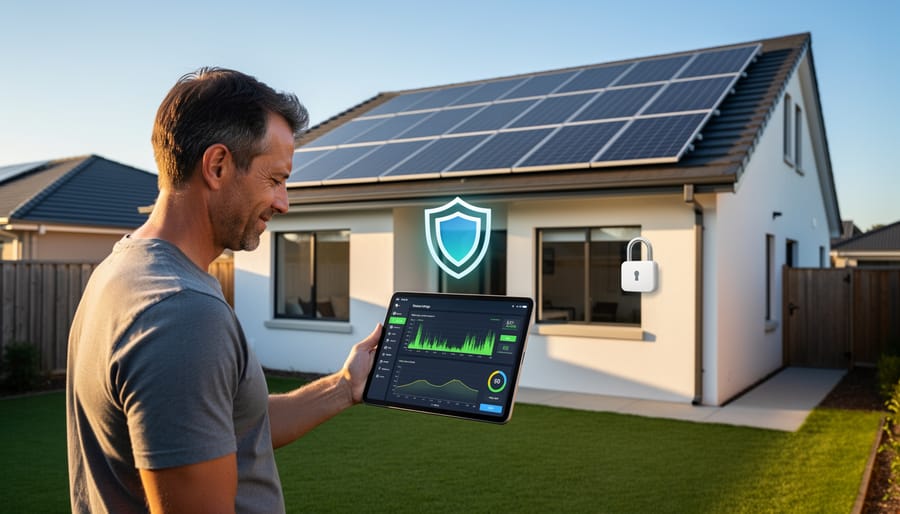
Cyber insurance provides a financial safety net when your solar monitoring system experiences a security breach. Think of it as protection for your technology investment—just like homeowners insurance covers physical damage, cyber insurance covers digital threats.
If hackers target your system, the policy typically covers the costs of investigating the breach, restoring your system to normal operation, and repairing any damage to your software or data. This can save you hundreds or even thousands of dollars in unexpected repair bills.
System downtime is another area where coverage proves valuable. When your monitoring system goes offline due to a cyber attack, you lose visibility into your solar panel performance and energy production. Cyber insurance can compensate for lost savings during this period and cover the costs of getting your system back online quickly.
The policy also addresses business interruption losses—important if you’re selling excess energy back to the grid. If a cyber incident prevents you from monitoring and optimizing your energy production, you’re covered for those financial losses.
Most importantly, cyber insurance includes expert support. You’ll have access to cybersecurity professionals who can respond immediately to incidents, minimizing damage and getting your sustainable energy setup running smoothly again.
Data Breach Response and Recovery
If a cyber incident does compromise your solar system’s data, having cyber insurance means you won’t face the financial fallout alone. The good news is that this coverage typically provides immediate support when you need it most. Your insurer will usually cover the costs of hiring cybersecurity experts to contain the breach and prevent further damage. This includes specialists who can identify exactly what information was accessed and help secure your system against future attacks.
Beyond the technical response, cyber insurance helps with practical recovery expenses. If your personal information was exposed, the policy often covers credit monitoring services to protect you from identity theft. You’ll also receive assistance with notifying affected parties and managing any legal requirements. Many policies even include public relations support if the breach becomes public knowledge.
The financial protection extends to covering potential legal fees if someone claims damages from the breach, plus any regulatory fines you might face. Perhaps most importantly, these policies typically include 24/7 access to incident response teams, so you’re never navigating a cyber crisis on your own. This comprehensive support transforms a potentially overwhelming situation into a manageable one, letting you focus on getting your solar system back online safely.
Legal and Liability Coverage
If your solar monitoring system experiences a cyberattack that leads to a data breach or system malfunction, you could face lawsuits from affected parties. Legal and liability coverage within cyber insurance policies protects you financially from these potential complications.
This coverage typically helps with legal defense costs if someone claims your compromised system caused them harm. For example, if a hacker uses your system as a gateway to access your neighbor’s network, you could be held responsible. The coverage handles attorney fees, court costs, and potential settlement payments, which can quickly become expensive without protection.
Beyond just solar panel insurance that covers physical equipment, cyber liability protection addresses the digital side of ownership. While lawsuits against individual homeowners remain relatively uncommon, having this safety net provides peace of mind as smart home technology becomes more interconnected.
Think of it as similar to your homeowner’s liability coverage, but specifically designed for digital threats. The modest additional premium often proves worthwhile compared to the potentially significant legal expenses you’d face out-of-pocket. This protection ensures that a cybersecurity incident won’t derail your financial stability or your investment in sustainable energy.
Do You Really Need Cyber Insurance for Your Home Solar System?
For most homeowners, a standalone cyber insurance policy for your solar system probably isn’t necessary. Here’s how to think about it clearly.
First, consider what you already have. Your existing homeowners insurance coverage likely provides some protection for physical damage to your solar equipment, and many policies are evolving to address cyber-related incidents as part of broader coverage.
The realistic risk level matters too. If you have a typical residential system with basic monitoring through a reputable installer’s app, your actual exposure is quite low. The biggest real-world concern isn’t hackers targeting your panels—it’s someone gaining access to personal information through your monitoring account. This is similar to any other smart home device you own.
Cyber insurance makes more sense if you fall into specific categories. Consider it if you have an advanced system with battery storage that connects to grid-sharing programs, if you manage energy trading or sell power back to the grid regularly, or if you’ve integrated your solar system into a comprehensive smart home network controlling multiple critical functions.
For everyone else, smart prevention is usually sufficient and more cost-effective than additional insurance. Use strong, unique passwords for your monitoring apps, enable two-factor authentication wherever available, and keep your system’s software updated when prompted.
A practical approach is to check with your current homeowner’s insurance provider first. Ask specifically about cyber incident coverage and whether your solar system is protected under your existing policy. Many insurers are adding these protections without requiring separate policies.
The bottom line: dedicated cyber insurance for home solar is like buying specialized insurance for your smart thermostat. It exists, but most homeowners get better value from ensuring their primary coverage is comprehensive and practicing good digital security habits.
Simple Steps to Protect Your Solar System (Beyond Insurance)
Good news: protecting your solar system from cyber threats doesn’t require a computer science degree. These straightforward steps take just minutes to implement and can dramatically reduce your vulnerability.
Start with your password. Replace any default passwords on your solar monitoring app or inverter with strong, unique combinations of letters, numbers, and symbols. Think of it like locking your front door—simple but essential. Never use the same password across multiple accounts.
Enable two-factor authentication wherever available. This adds an extra verification step when logging into your monitoring system, making it nearly impossible for hackers to gain access even if they discover your password.
Keep your system’s software updated. Manufacturers regularly release security patches, much like updates for your smartphone. Enable automatic updates if possible, or set a monthly reminder to check manually. These updates close security gaps before they become problems.
Secure your home Wi-Fi network with WPA3 encryption (or WPA2 if WPA3 isn’t available) and a strong password. Your solar system connects through this network, so protecting it protects everything connected to it. Consider creating a separate guest network for visitors to keep your main network more secure.
Review who has access to your solar monitoring account. Remove any installers, previous homeowners, or technicians who no longer need it. The fewer people with access, the lower your risk.
Finally, stay skeptical of unexpected emails or texts about your solar system. Legitimate companies won’t ask for passwords or personal information through these channels. When in doubt, contact your provider directly using verified contact information.
How to Choose the Right Cyber Insurance Policy
Selecting the right cyber insurance policy for your solar system doesn’t need to be complicated. Start by understanding what insurance covers regarding digital threats and equipment damage. The good news is that many homeowners policies now offer cyber endorsements specifically designed for smart home technology.
When speaking with insurance providers, ask these straightforward questions: Does the policy cover both data breaches and system shutdowns? What happens if someone remotely manipulates your solar panels? Are you protected if hackers access your home network through your monitoring system? Understanding these basics helps you avoid paying for unnecessary coverage while ensuring you’re protected where it matters.
Look for policies that clearly outline coverage for business interruption. If your solar system goes offline due to a cyber attack, you’re not generating the energy savings you rely on. Quality policies compensate for this lost production value.
Check whether the coverage includes recovery costs. This means expenses for IT professionals who can restore your system, investigate the breach, and secure your network against future attacks. These services can be expensive without insurance backing you.
Pay attention to coverage limits and deductibles. A policy with a low premium but high deductible might not make financial sense for most homeowners. Similarly, coverage limits should realistically reflect your system’s value and potential recovery costs.
Finally, confirm whether the policy provides liability protection if your compromised system somehow affects your neighbors or community grid. While rare, this coverage offers valuable peace of mind as solar technology becomes increasingly interconnected.
Protecting your solar investment doesn’t have to be an either-or decision between cybersecurity measures and insurance coverage. Think of cyber insurance as the safety net that works alongside your security practices, giving you complete peace of mind as you enjoy the benefits of clean, renewable energy.
The truth is, even with strong passwords and regular software updates, no system is 100% immune to cyber threats. That’s where cyber insurance shines as a smart addition to your protection strategy. It fills the gaps, covering financial losses and recovery costs if something does go wrong, while you continue benefiting from lower energy bills and a smaller carbon footprint.
Most homeowners find that combining basic security hygiene with appropriate insurance coverage creates the perfect balance. You’re not living in fear of what might happen, and you’re not taking unnecessary financial risks either. Instead, you’re making an informed, proactive choice that protects your investment and your family’s financial security.
As solar technology continues to advance and become even more integrated into our daily lives, having that extra layer of protection simply makes sense. You’ve already made the forward-thinking decision to invest in solar energy. Now you can enjoy those sunny savings, contribute to a cleaner planet, and rest easy knowing you’re covered from every angle. Your solar journey should be about celebration, not worry, and the right insurance coverage helps make that possible.