
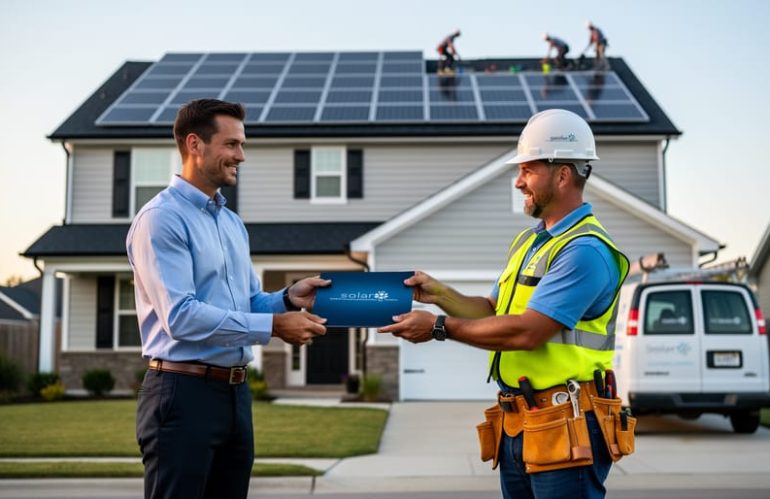
The moment you sign your solar contract, a critical behind-the-scenes transition determines whether your installation happens smoothly or turns into a frustrating ordeal of missed appointments and mysterious delays. This handoff from your sales representative to the customer success team is where many solar companies drop the ball, leaving homeowners in the dark about timelines, next steps, and who to contact with questions.
A seamless handoff means your project details, site specifications, and personal preferences transfer accurately to the team managing your installation. When done right, you’ll receive proactive updates, clear timelines, and a dedicated point of contact within 48 hours of signing. When done poorly, you’re left chasing down information, repeating yourself to multiple people, and watching your go-live date slip further away.
Understanding what should happen during this transition empowers you to identify professional solar providers and recognize red flags early. The difference between companies with structured handoff processes and those winging it can mean thousands of dollars in delayed savings and months of unnecessary stress.
What Happens When Sales and Installation Don’t Talk to Each Other
When solar companies don’t have a smooth process for passing information from sales to installation teams, you’re the one who pays the price—literally. Here’s what can go wrong when your solar provider lacks clear communication between departments.
Imagine signing a contract for your solar panels in March, expecting installation by May, only to discover in June that your project hasn’t even been scheduled. This isn’t uncommon. Without proper handoffs, installation teams might never receive your paperwork, leaving you waiting months longer than planned. Every month of delay means another month of high electric bills instead of solar savings.
Then there’s the confusion about what you actually purchased. Maybe your sales representative promised a specific panel brand or battery backup system, but the installation crew shows up with completely different equipment. Now you’re stuck trying to prove what was agreed upon while your project stalls.
Budget surprises hurt too. Poor handoffs often mean the installation team discovers roof repairs or electrical upgrades that should have been identified during the sales process. Suddenly you’re facing thousands in unexpected costs with panels already ordered and permits filed.
Some homeowners even experience the frustration of incorrect permit applications because details got lost in translation. This means resubmitting paperwork and waiting additional weeks or months for approval, all while watching summer’s peak production season slip away.
These problems aren’t inevitable. They’re symptoms of disorganized companies that haven’t invested in proper systems. The good news? When you know what to look for, you can choose solar providers who have their act together and avoid these headaches entirely.
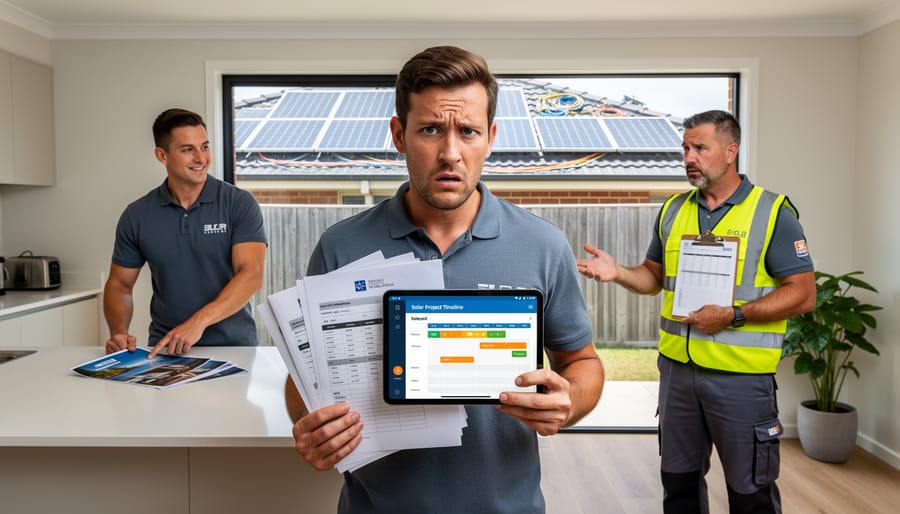
The Critical Information That Should Never Get Lost

Your Home’s Unique Energy Needs
No two homes use electricity the same way, which is why accurate information transfer during the sales-to-installation handoff is absolutely critical. Think about it: a family of five who works from home needs a completely different solar setup than empty nesters who travel frequently. When your sales representative gathers details about your monthly energy bills, peak usage times, and future plans like adding an electric vehicle, this information must reach your installation team intact.
Your roof’s characteristics matter just as much. Its angle, orientation, shading patterns, and structural condition all determine how many panels you need and where they should go. A common myth is that solar companies simply slap the same system on every roof, but quality providers customize every installation. When these crucial details get lost between departments, you might end up with an undersized system that doesn’t cover your needs or an oversized one that costs unnecessarily.
This is why the handoff template matters to you. It ensures your installation team receives every measurement, photo, and usage pattern your sales rep documented. The result? Your system generates exactly the savings you were promised, without expensive corrections or disappointing energy bills later.
What You Were Actually Promised
When you sign your solar contract, certain promises were made that should be clearly documented and transferred to your installation team. This prevents the frustrating “I didn’t know about that” conversations later. Your contract should specify the exact solar panel brand and model, inverter type, and battery storage system if included. These aren’t minor details—different equipment affects your energy production and long-term savings.
Your warranty information deserves special attention. Most solar panels come with 25-year performance warranties, but installation workmanship warranties vary by company. Make sure both are documented in writing. Timeline commitments matter too. A quality solar company will provide realistic estimates for permit approval, installation dates, and when your system goes live. Expect this process to take anywhere from one to three months depending on your local permit office.
Finally, financing terms must match what your sales representative promised. Whether you chose a loan, lease, or purchase agreement, the monthly payment, interest rate, and any promotional periods should appear exactly as discussed. Request a complete handoff document that includes all these details before installation begins. This single step protects your investment and ensures everyone stays accountable.
Your Personal Circumstances and Preferences
Every home is different, and quality solar companies understand that. When your installer receives your information, they should account for details that make your situation unique. Do you have specific timing needs, like completing installation before a certain date? Are there homeowner association rules about panel placement or appearance? Perhaps you have roof repairs scheduled, shading concerns, or aesthetic preferences that matter to your family.
A proper handoff template ensures these personal details don’t get lost in translation. Your personalized solar journey depends on clear communication of these factors from the start. This prevents costly delays, rework, and frustration down the line. When companies skip this step, homeowners often discover problems during installation—resulting in budget surprises or extended timelines that could have been avoided with proper planning.
How a Proper Handoff Protects Your Timeline and Budget
The Pre-Installation Review Meeting
This meeting is where everything comes together. Your sales consultant will sit down with you and the installation team to walk through every detail of your solar project. Think of it as your project’s official kickoff meeting—it ensures everyone is literally on the same page before work begins.
During this session, you’ll review the equipment list, installation timeline, and any site-specific considerations identified during your home assessment. The installation team will explain what to expect on installation day, including how long the work typically takes and what access they’ll need to your property. This is also your opportunity to ask questions about the process, from roof work to electrical connections.
The best solar companies make this meeting mandatory because it prevents costly misunderstandings down the road. You’ll confirm details like panel placement, inverter location, and how your existing electrical system will integrate with your new solar array. Everyone leaves with clear expectations, which means fewer delays and no surprise charges later. If your solar provider skips this step or rushes through it, consider that a red flag. A thorough pre-installation review protects your investment and keeps your project on schedule and within budget.

Documentation That Keeps Everyone Accountable
When you choose a professional solar company, they’ll use a detailed handoff checklist that acts like a shared playbook for everyone involved in your installation. This document tracks everything from your initial energy goals to the specific equipment ordered for your home, ensuring nothing gets lost in translation between the sales team and the installation crew.
Think of it as your project’s single source of truth. Your installation manager, electricians, and permitting specialists all reference the same file, which means you won’t waste time repeating information or dealing with costly mistakes like ordering the wrong equipment. This accountability system prevents the all-too-common scenario where installation teams show up unprepared because critical details never made it past the sales stage.
Quality companies give you access to a simplified version of this documentation, showing installation timelines, equipment specifications, and who’s responsible for each project phase. This transparency means you can spot delays early and keep your solar project on schedule, protecting both your timeline and your budget. When everyone works from identical information, your installation moves smoothly from contract signing to powering your home with clean energy.
Your Single Point of Contact
After you sign your solar contract, you shouldn’t feel like you’re navigating the process alone. The best solar companies assign you a dedicated project coordinator who becomes your single point of contact from day one through installation completion. This person bridges the gap between the sales team who sold you on solar’s benefits and the installation crew who’ll bring your system to life.
Think of your coordinator as your personal guide through what can seem like a complex journey. They’ll answer your questions about permits, scheduling, and timelines without making you track down different departments. You’ll have their direct phone number and email, so you’re never left wondering about next steps or waiting days for responses. This proactive customer service approach means potential issues get resolved quickly, keeping your project on schedule and your budget intact.
Your coordinator also ensures nothing gets lost in translation between teams, protecting you from costly delays or miscommunications that could postpone your energy savings.
Red Flags That Your Solar Company Lacks a Real Handoff Process
Before you sign on the dotted line, watch for these warning signs that suggest your solar company might not have their act together when it comes to transitioning you from sales to installation.
The biggest red flag? Your sales rep can’t clearly explain what happens after you sign the contract. If they give vague answers about timelines, skip over the permit process, or seem unsure about who will be your main contact, that’s a problem. A quality company should walk you through each step with confidence and provide you with written documentation of the process.
Another concern is when sales reps make promises that sound too good to be true without documentation. If they’re guaranteeing specific savings, installation dates, or incentive amounts without showing you where those numbers come from, you might face disappointment later when reality doesn’t match expectations.
Pay attention to how they handle your questions about the technical details. Do they take time to explain how the system works in simple terms, or do they rush through with confusing jargon? Companies with solid processes understand that educated customers have smoother installation experiences.
Here are essential questions to ask before signing:
Who will be my point of contact after today, and how quickly do they typically respond? Will I receive a detailed timeline showing each phase from permit application to system activation? How does your company handle unexpected delays or issues? Can you provide references from recent customers who can speak about their experience after signing?
If the sales rep seems annoyed by these questions or can’t provide clear answers, consider it a warning. Professional solar companies welcome informed customers because they know their organized processes can handle scrutiny.
Trust your instincts. If the sales experience feels disorganized or rushed, that chaos likely continues after you sign. The right company will make you feel confident and informed every step of the way, not just during the sales pitch.
What to Expect From Your Solar Company During Handoff
After you sign your solar contract, you should expect a smooth, organized transition from your sales representative to the team that will manage your installation. Here’s what quality solar companies provide during this critical handoff period.
First, expect a welcome call or email within 2-3 business days of signing your contract. This initial communication should introduce you to your dedicated project coordinator, who becomes your main point of contact going forward. This person will guide you through every step until your system is up and running.
You should receive a comprehensive welcome packet, either digitally or by mail, containing your contract details, financing information if applicable, a projected timeline, and clear explanations of what happens next. Many reputable companies now use digital project management tools that give you 24/7 access to track your installation progress, view documents, and communicate with your team.
Communication frequency matters. Expect updates at key milestones: when permits are submitted, when they’re approved, when equipment is ordered, and when your installation date is confirmed. Quality companies proactively reach out rather than making you chase down information.
Timeline-wise, understand that the period between contract signing and installation typically ranges from 4-12 weeks, depending on your local permitting office and utility company processes. Most of this time involves paperwork and approvals, not delays on your solar company’s part.
If you don’t hear from anyone within a week of signing, that’s a red flag. Proactive communication during handoff demonstrates the professionalism you deserve throughout your solar journey. Companies that prioritize this transition protect your investment and keep your project on schedule.
A smooth handoff from sales to installation isn’t just a nice-to-have—it’s a clear indicator that you’re working with a professional solar company that respects your time and investment. When communication flows seamlessly and everyone stays on the same page, your project moves forward without frustrating delays or surprise costs. Before signing with any solar provider, don’t hesitate to ask specific questions about their handoff process. How do they transfer information between teams? Who will be your main contact after the sale? What communication can you expect during installation? Companies with solid procedures will answer confidently and clearly. Remember, you’re making a significant investment in your home’s future, and you deserve a partner who treats it that way from day one through the final flip of the switch.