Your backup battery system keeps the lights on when the grid fails, but only if you maintain it properly. Most homeowners assume their uninterruptible power supply will work flawlessly for years without attention—until they discover during an outage that corroded connections or degraded batteries have left them powerless.
The good news: UPS maintenance is simpler than you think, takes minimal time, and prevents the frustration of backup power failure when you need it most. Regular upkeep extends your system’s lifespan by years, protects your investment, and ensures your home stays powered during emergencies. Whether you’ve paired your UPS with solar panels or use it as standalone protection, a basic maintenance routine makes the difference between reliable backup power and an expensive paperweight.
Most maintenance tasks require no special training—just monthly visual checks, quarterly battery testing, and annual cleaning. You’ll know exactly when to handle tasks yourself (most of them) and when to call a professional (rarely). Understanding your system’s warning signs prevents small issues from becoming costly replacements.
This guide breaks down everything you need to know: the essential maintenance schedule that fits into your busy life, simple DIY steps that take minutes, and how to spot problems before they escalate. You’ll save money on service calls, avoid emergency replacements, and sleep better knowing your backup power works exactly when you need it.
What Is a UPS and Why It Matters for Your Home
Think of a UPS as a safety net for your home’s electrical system. While a backup generator kicks in after a power outage occurs, an uninterruptible power supply provides instant, seamless protection the moment your electricity flickers or fails. This split-second response is what makes it essential for sensitive electronics and renewable energy systems.
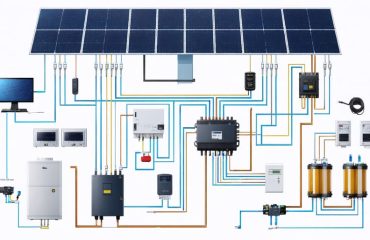
Here’s how it works: A UPS contains a battery that’s constantly charged and ready to supply power immediately during an outage. This means your devices never experience that dangerous gap when electricity cuts off. For homeowners with solar installations, this matters tremendously because modern solar systems rely on sophisticated electronics that can be damaged by sudden power fluctuations.
The protection extends beyond just keeping the lights on. Your solar inverter, battery management system, and monitoring equipment all need consistent power to function properly. Without a UPS, a simple power surge could require resetting your solar system or even replacing expensive components.
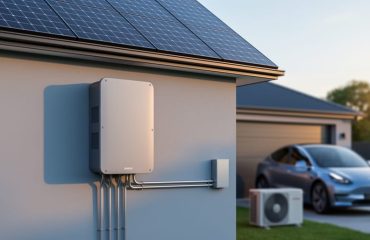
Unlike generators that require fuel, outdoor installation, and regular testing, a UPS sits quietly indoors, automatically maintaining your power without any intervention. It’s particularly valuable for protecting your investment in solar batteries, which represent a significant portion of your renewable energy system’s cost.
The good news? A well-maintained UPS can last 5-10 years, providing reliable protection that pays for itself by preventing equipment damage and avoiding the hassle of system downtime. For homeowners committed to sustainable living, it’s simply smart insurance for your green energy investment.
The Real Cost of Skipping UPS Maintenance
Regular maintenance is actually your best friend when it comes to protecting your investment in backup power. Think of it this way: a well-maintained UPS system quietly does its job for years, while a neglected one can create some genuinely frustrating situations.
When a UPS fails unexpectedly, you’re not just looking at replacing the unit itself. The equipment it was protecting, like your home electronics, solar inverter, or computer systems, suddenly becomes vulnerable during the next power outage or surge. For homeowners with solar installations, this means potentially losing the ability to store and use your self-generated power when you need it most.
The financial side adds up quickly too. Emergency replacements typically cost 30-50% more than planned upgrades because you’re shopping under pressure rather than comparing options. Plus, you might need expedited shipping or after-hours installation to get your power protection back online.
Here’s the good news: most UPS problems develop slowly and show warning signs well before complete failure. Regular check-ups mean you can spot issues early and address them on your schedule and budget. You’ll have time to research the best replacement options, take advantage of sales, or simply replace a battery rather than the entire system.
The goal isn’t to worry about what might go wrong. It’s about enjoying genuine peace of mind, knowing your backup power will actually be there when you need it.
Simple Maintenance Tasks You Can Do Yourself
Monthly Visual Inspections
Set aside just five minutes each month for a quick visual check of your UPS, and you’ll catch potential issues before they become expensive problems. Think of it as a wellness check for the system protecting your valuable electronics and keeping your home running smoothly.
Start by observing the indicator lights on your unit’s display panel. Most UPS systems show a steady green light during normal operation, which means everything is working as it should. If you notice yellow or red lights, or blinking patterns, consult your user manual, as this typically signals the unit needs attention.
Listen for unusual sounds during your inspection. A UPS normally produces a quiet hum, especially when charging its battery. However, loud buzzing, clicking, or beeping sounds often indicate problems that need addressing. Similarly, feel around the unit’s vents for excessive heat. While some warmth is perfectly normal, surfaces too hot to touch comfortably suggest ventilation issues.
Check for physical signs of wear like dust buildup around ventilation areas, loose connections, or any strange odors. A quick wipe-down of external surfaces helps maintain proper airflow and prevents overheating. These simple monthly observations help extend your UPS lifespan, protecting both your investment and the environment by avoiding premature replacements.
Battery Health Checks Every Season
Your UPS batteries are the heart of your backup power system, and checking them quarterly takes just a few minutes with no special equipment needed. Here’s the good news: you can spot most battery issues with simple visual inspections and basic awareness.
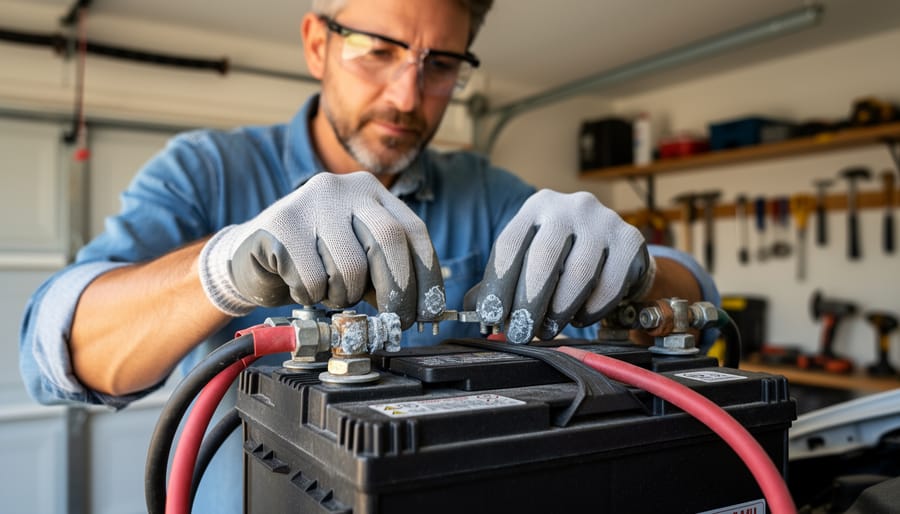
Start by looking at the battery casing for any bulging, cracks, or leaks. Healthy batteries should have a uniform shape with no swelling or discoloration. If you notice a rotten egg smell near your UPS, that’s hydrogen sulfide gas from a failing battery and requires immediate attention.
Next, check the performance during your regular test runs. If your UPS runtime has noticeably decreased or if it switches to battery mode unexpectedly, these are early warning signs of degradation. Many modern UPS units also have indicator lights or digital displays showing battery health status, making it easy to monitor without opening anything up.
The typical battery lifespan ranges from 3 to 5 years under normal conditions, though extreme temperatures can shorten this considerably. Keep a simple log of when you installed your batteries so you’ll know when replacement is approaching.
Replace batteries proactively before they fail completely. Waiting until total failure can leave you vulnerable during power outages and potentially damage your UPS unit itself. Think of it like changing your car’s oil: staying ahead of the schedule prevents bigger problems and protects your investment in sustainable home energy.
Keeping Your System Clean and Cool
Your UPS needs room to breathe, just like any hardworking appliance. One of the simplest ways to extend its lifespan is keeping it clean and properly ventilated. Dust acts like a warm blanket, trapping heat inside the unit and forcing components to work harder than necessary. This shortens battery life and can lead to premature failures that cost you money.
Good news: maintaining proper conditions is straightforward. Give your UPS at least 2-3 inches of clearance on all sides for air circulation. Keep it away from direct sunlight, heaters, and other heat sources. Once every few months, unplug the unit and gently vacuum the vents using a soft brush attachment. Never use compressed air, which can push dust deeper inside.
Room temperature matters more than you might think. UPS systems perform best between 68-77°F. For every 15 degrees above this range, you can lose up to 50% of your battery’s expected lifespan. If your UPS lives in a garage or utility room, consider the temperature fluctuations throughout the year. A little attention to these basics pays dividends through years of reliable backup power and fewer replacement costs.
Testing Your UPS Actually Works
Testing your UPS is surprisingly simple and should become a regular habit—think of it like checking your smoke detector. Here’s the straightforward approach that takes just a few minutes.
Start by saving any work on connected devices and closing important programs. Then, with your UPS plugged in and fully charged, simply unplug it from the wall outlet. Your devices should continue running without interruption, powered by the battery. Listen for the alarm beep that confirms the UPS has switched to battery mode—this is exactly what you want to hear.
Let it run for about five minutes, then plug it back in. Your equipment should transition smoothly back to regular power without any disruption. The battery indicator should show it’s recharging.
Perform this test quarterly to catch potential issues early. If your devices shut off immediately, the battery needs replacement. If runtime seems significantly shorter than when new, that’s your cue that battery capacity is declining—completely normal after a few years, but worth addressing before an actual outage happens.
This simple routine ensures you’re not caught off guard during a real power interruption and helps you budget for battery replacements on your timeline, not during an emergency.
When to Call in the Professionals
While many UPS maintenance tasks are straightforward and homeowner-friendly, certain situations require professional expertise. Understanding when to call in the experts protects both your equipment and your investment.
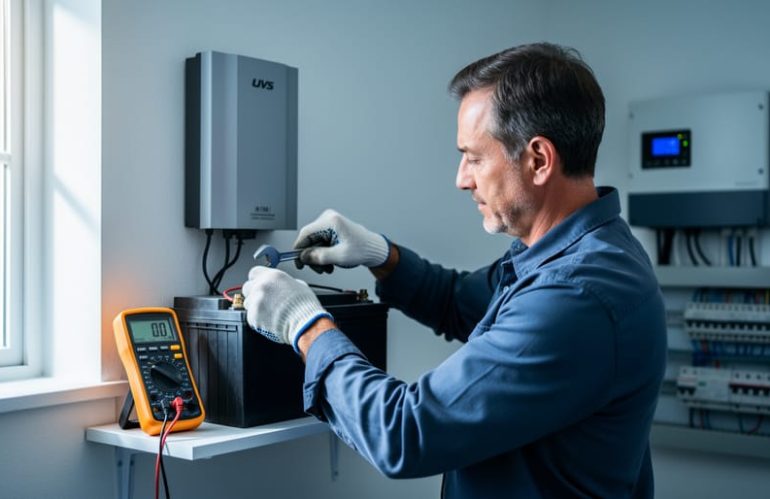
Battery replacement is the most common task requiring professional help, especially for larger backup systems. While checking batteries is simple, replacing them involves handling heavy components and ensuring proper connections. Professionals have the right tools and training to dispose of old batteries safely and install new ones correctly, which is crucial for maintaining your warranty coverage.
Watch for these warning signs that demand immediate professional attention: unusual burning smells, which could indicate overheating components; visible damage to the unit’s casing or vents; frequent alarm sounds that persist after basic troubleshooting; or the UPS failing to switch to battery power during an outage. These issues signal potentially serious problems that DIY efforts could worsen.
Any error codes or flashing lights beyond simple low-battery warnings also warrant a professional call. Your UPS manual typically explains basic indicators, but complex error sequences need expert diagnosis. Similarly, if your system repeatedly fails self-tests or shows dramatically reduced backup times despite recent battery checks, professional evaluation can identify underlying issues before they lead to complete failure.
Internal repairs should always be left to certified technicians. Opening your UPS unit voids most warranties and exposes you to electrical hazards. Professional service protects your investment by ensuring repairs meet manufacturer standards and maintaining warranty validity.
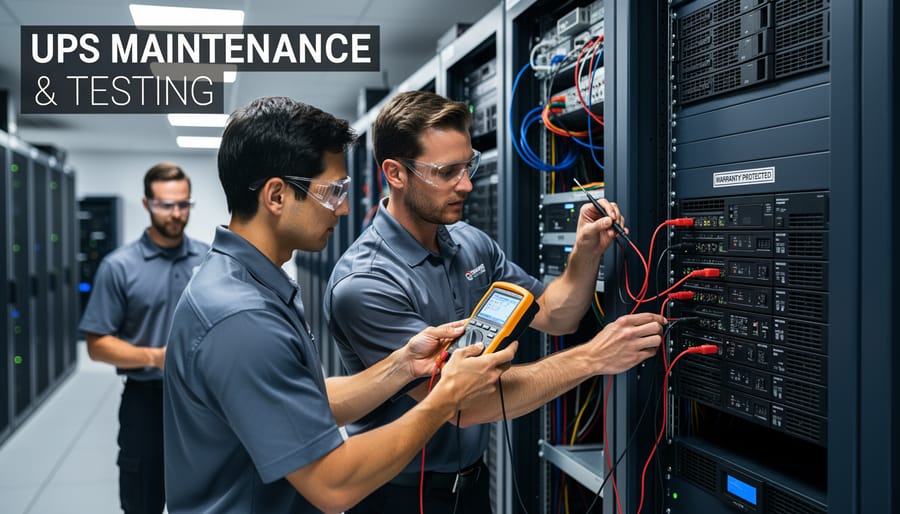
Consider scheduling professional maintenance every two to three years, even without obvious problems. This preventive approach catches developing issues early, extends equipment life, and confirms your backup power will work when you need it most. Many service providers offer annual maintenance plans that include inspections, testing, and priority response during emergencies, providing peace of mind at a predictable cost. Think of professional service as insurance for your backup power system, protecting the comfort and security it provides your home.
Creating Your Personal Maintenance Schedule
Good news: maintaining your UPS doesn’t require a complicated schedule or special skills. The key is consistency, and a simple routine will keep your backup power system reliable for years to come.
Start by setting up three types of reminders on your calendar or smartphone. Monthly tasks take just five minutes: visually inspect your UPS for dust buildup, check that indicator lights show normal operation, and verify your battery backup time hasn’t decreased significantly. Every three months, test your system by simulating a brief power outage to ensure everything switches over smoothly. Annual tasks include cleaning dust from vents, checking all connections, and reviewing your battery’s performance history.
Here’s a practical tip that saves money: keep a simple maintenance log in a notebook or spreadsheet. Record the date, what you checked, and any observations. This documentation proves invaluable for warranty claims and helps you spot gradual changes before they become problems. Note your battery installation date, since most need replacement every three to five years regardless of use.
Think of preventive maintenance as a small investment protecting a larger one. Spending fifteen minutes quarterly prevents the headache and expense of unexpected failures. Many homeowners find it helpful to align UPS checks with other home maintenance tasks, like changing air filters or testing smoke detectors. This bundling approach makes it easier to remember and builds a comprehensive home care routine that protects your investments and provides genuine peace of mind.
Common Myths About UPS Maintenance
Let’s clear up some common misunderstandings that might be costing you money and peace of mind.
Myth 1: “UPS systems are maintenance-free.” While backup power systems are remarkably reliable, they’re not entirely hands-off. Think of your UPS like a smoke detector—it quietly does its job, but it needs occasional attention to work when you really need it. Simple tasks like visual inspections, dusting vents, and checking indicator lights take just minutes but can prevent expensive emergencies down the road.
Myth 2: “Batteries last forever once installed.” This is the biggest misconception homeowners face. UPS batteries typically need replacement every 3-5 years, regardless of how often you use them. Heat, humidity, and simply sitting idle all affect battery life. The good news? Replacing batteries is straightforward and far less expensive than replacing your entire system or dealing with damaged electronics after a power failure.
Myth 3: “Newer systems don’t need any attention.” Modern UPS systems are indeed smarter and more efficient, but they still require basic care. Those advanced monitoring features actually make maintenance easier, not unnecessary. Your system might alert you to potential issues before they become problems, but you need to respond to those alerts. Regular check-ins ensure you’re getting the maximum lifespan and performance from your investment.
Myth 4: “Professional maintenance is always expensive.” Most routine maintenance tasks are simple enough for homeowners to handle themselves, saving you service call fees. Reserve professional help for battery replacements, complex diagnostics, or annual deep inspections—and you’ll find the investment protects your valuable home electronics and solar equipment.
Taking care of your uninterruptible power supply doesn’t have to be complicated or time-consuming. With just a few simple steps performed regularly, you can dramatically extend the life of your UPS system, protect your solar energy investment, and ensure your home stays powered when you need it most. Think of it as similar to changing the oil in your car—a small effort that prevents major headaches down the road.
The good news is that most maintenance tasks are straightforward enough for homeowners to handle themselves. Monthly visual checks, quarterly cleaning, and annual battery inspections add up to just a few hours per year. These small investments of time can save you thousands of dollars in premature equipment replacement and protect you from unexpected power outages that could leave your family in the dark.
Remember, a well-maintained UPS system is your silent guardian, working behind the scenes to keep your lights on, your food fresh, and your solar panels productive. It’s one of the smartest ways to maximize the return on your sustainable energy choices while reducing your carbon footprint.
Ready to take the first step? Start with a simple visual inspection today. Check those connection points, listen for unusual sounds, and mark your calendar for regular maintenance checks. If you’re unsure about any aspect of your system or want a customized maintenance schedule tailored to your specific setup, don’t hesitate to reach out to a qualified professional. Your future self will thank you for the peace of mind.