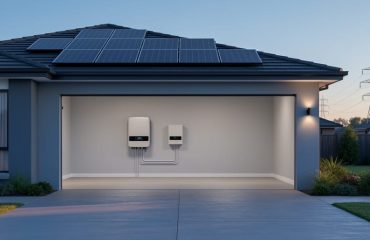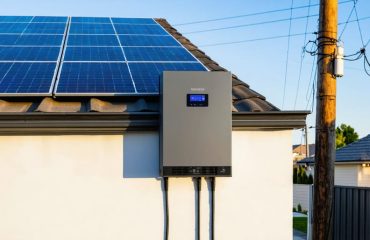
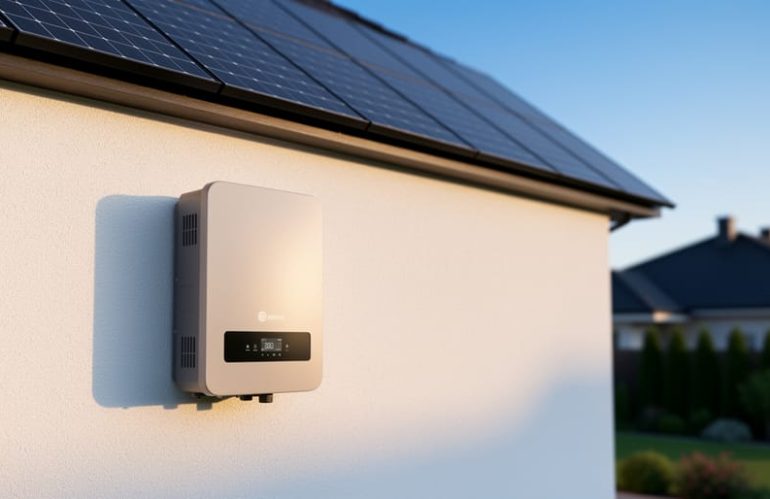
T-type inverters represent the latest evolution in solar technology, delivering better efficiency and longer lifespan than traditional string inverters while costing less than complex microinverter systems. This three-level topology reduces heat generation and electrical stress on components, translating directly to fewer breakdowns and more consistent power production for your home.
Think of it as the middle-ground solution that captures advantages from both worlds. Where standard inverters work harder and wear out faster under challenging conditions, T-type inverters maintain stable performance across varying weather and grid conditions. They achieve conversion efficiencies above 98%, meaning less of your solar energy gets wasted as heat during the DC-to-AC conversion process.
For homeowners planning solar installations, understanding this technology matters because it affects your system’s reliability over 25-plus years and the actual electricity bill savings you’ll see monthly. The myth that all inverters perform similarly has cost homeowners thousands in lost production and premature replacements. T-type inverters specifically address the weak points of older designs—overheating, voltage stress, and efficiency losses during partial-load conditions that occur during morning and evening hours when your panels aren’t producing peak power.
This guide breaks down exactly what makes T-type inverters different, whether the price premium justifies the benefits for your specific situation, and how to evaluate them against other options during your solar decision-making process.
What Makes a T-Type Inverter Different From Your Current Setup
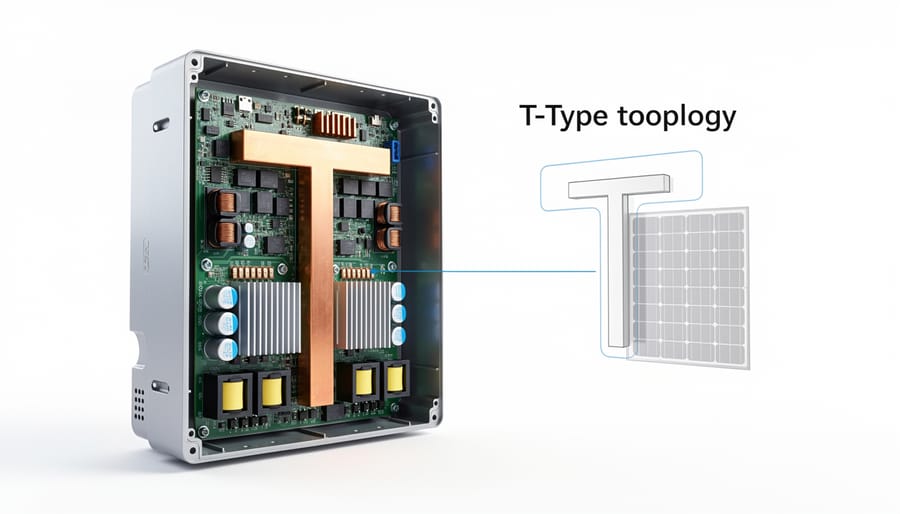
The Simple Engineering Advantage
Think of a T-Type inverter as the streamlined version of smart inverter technology. While traditional inverters are like complicated recipe books with dozens of ingredients, T-Type inverters follow a simpler approach that actually works better.
The magic lies in what engineers call the topology, but you can think of it as the basic blueprint. Traditional inverters need six main switching components to convert your solar power into usable electricity for your home. T-Type inverters accomplish the same task with just four components arranged in a distinctive T-shaped pattern, which is where the name comes from.
Fewer parts means fewer things that can potentially fail. It’s similar to comparing a bicycle with a car. The bicycle has fewer moving parts, making it inherently more reliable and easier to maintain. That simplicity translates directly into benefits for your wallet and peace of mind.
This streamlined design also generates less heat during operation, which is one of the biggest enemies of electronic equipment. Cooler operation means your inverter can maintain peak performance for longer periods and potentially last years beyond standard models. The reduced component count also makes manufacturing more straightforward, which often results in lower costs that manufacturers can pass along to homeowners. You get better reliability without paying a premium for unnecessary complexity.
What This Means for Your Home
For your home, T-type inverters translate to noticeable improvements you’ll appreciate year after year. First, you’ll keep more of the energy your panels produce. While traditional inverters waste precious electricity during the conversion process, T-type technology minimizes these losses, meaning more power flows into your home and less money flows out of your pocket.
You’ll also notice better performance during challenging conditions. Morning fog, partial shade from a neighbor’s tree, or cloudy afternoons won’t tank your system’s output as dramatically. T-type inverters adapt more efficiently to these real-world situations that every homeowner faces.
Durability matters too. These inverters run cooler and experience less electrical stress, which typically translates to longer equipment life. Fewer replacements mean lower lifetime costs and less hassle for you. When you’re investing in a high-performance solar system, components that last longer and perform consistently deliver better value.
The bottom line? T-type inverters help maximize your solar investment through improved efficiency, reliability in various weather conditions, and extended equipment lifespan. These aren’t just technical specifications—they’re practical advantages that affect your daily energy production and long-term savings.
How T-Type Inverters Handle Real-World Challenges Better
When the Weather Gets Extreme
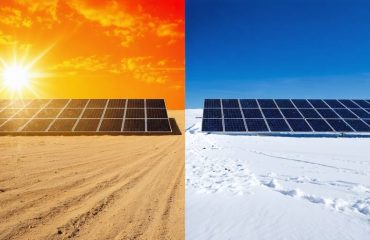
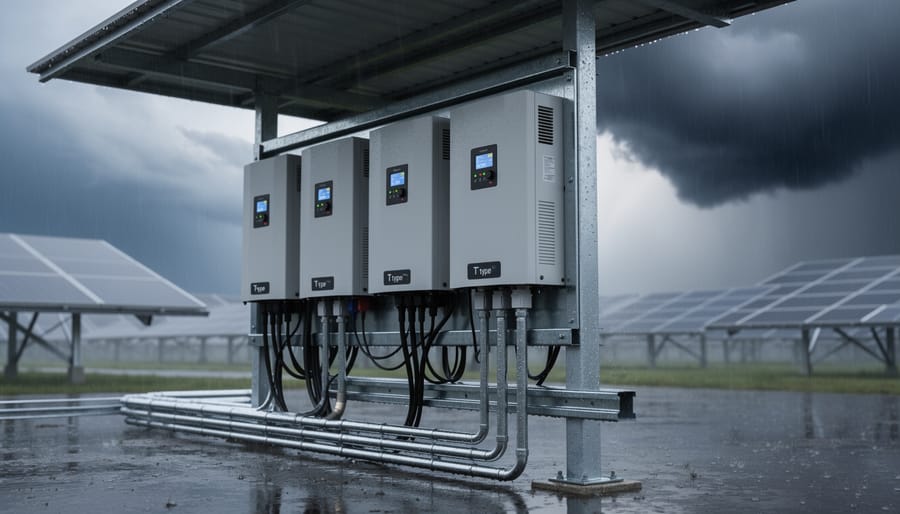
Traditional inverters can struggle when temperatures soar above 100°F or drop below freezing, often reducing their efficiency by 10-15%. Here’s where T-Type inverters shine: their advanced design handles temperature swings much more gracefully, maintaining consistent performance when your home needs it most.
Think of it like the difference between a car that runs smoothly in all weather versus one that struggles in extreme heat or cold. T-Type inverters use fewer switching components, which means less heat generation internally. This translates to better extreme temperature performance without expensive cooling systems.
For homeowners in areas with harsh summers or frigid winters, this resilience means more consistent energy production year-round. You’ll see fewer efficiency dips during heat waves and better performance on those bitter cold days when heating costs typically spike. The result? More predictable energy savings and fewer concerns about your system underperforming when weather conditions turn challenging. This reliability makes T-Type technology particularly valuable for those counting on solar to meaningfully reduce their monthly bills.
Adapting to Your Grid’s Quirks
Your home’s electrical grid isn’t always perfectly stable. Voltage levels can fluctuate throughout the day, especially during peak usage times or when weather affects the power lines. This is where T-type inverters truly shine compared to older technology.
Traditional inverters can struggle when grid voltage swings outside normal ranges, sometimes shutting down to protect themselves. T-type inverters handle these variations much more smoothly, staying connected and working efficiently even when the grid gets a bit unstable. Think of it like a skilled driver who easily adjusts to bumpy roads, while others have to stop and start repeatedly.
This adaptability means better protection for your valuable home electronics and appliances. The cleaner, more stable power output from T-type inverters creates fewer electrical disturbances that could potentially harm sensitive equipment like computers, smart home devices, or entertainment systems.
For your wallet, this translates to fewer interruptions in solar power generation and more consistent energy savings. Your system keeps producing and feeding clean energy to your home even when grid conditions aren’t ideal, maximizing your return on investment without requiring you to worry about power quality issues.
The Longevity Factor
Think of your solar equipment like a car engine. When components run smoothly without constantly starting and stopping, they experience less wear and tear. T-type inverters excel at this by maintaining steadier operating conditions, which means your solar system’s parts don’t get stressed out as quickly. This gentler operation translates directly into fewer service calls and repairs over the years. Many homeowners find their T-type inverter systems require minimal maintenance compared to older technology, with some units running smoothly for 15-20 years or more. The math is simple: fewer breakdowns mean more money staying in your pocket instead of going toward technician visits and replacement parts. It’s a win-win situation where your equipment lasts longer while delivering consistent performance throughout its extended lifespan.
Your Money: What T-Type Technology Actually Costs and Saves
Upfront Investment vs. Long-Term Returns
Let’s talk dollars and cents. T-type inverters typically cost 15-25% more than traditional string inverters upfront. For an average home system, that translates to an additional $500-$1,200 on your initial investment. Before you let sticker shock set in, consider what you’re actually getting for that premium.
Thanks to their superior efficiency, T-type inverters can boost your system’s energy production by 2-5%. That might sound modest, but over a 25-year lifespan, it adds up significantly. Combined with their enhanced durability and reduced maintenance needs, most homeowners see a payback period of 3-5 years on the additional investment through increased energy bill savings.
Here’s the reality check: if your traditional inverter needs replacement after 10-12 years while a T-type inverter keeps humming along for 20-25 years, you’ve already saved money by avoiding replacement costs, installation fees, and system downtime. Factor in the improved energy harvest year after year, and the financial case becomes even stronger.
Think of it like choosing between a basic appliance and an energy-efficient model. You pay more initially, but the monthly savings make it worthwhile. The key difference? Your solar investment is generating returns daily through reduced utility bills and potential energy credits, making that upfront premium work harder for your wallet over time.
Where This Technology Fits Today
T-Type inverters are still relatively new to the residential solar market, which means availability varies by region and installer. Right now, they’re most commonly offered by forward-thinking solar companies serving areas with frequent grid disturbances or extreme weather patterns. If you live in a region prone to storms, wildfires, or power quality issues, it’s worth asking your installer whether T-Type technology is available for your project.
These inverters make the most sense for homeowners who prioritize system longevity and resilience over the absolute lowest upfront cost. If you’re planning to stay in your home long-term and want equipment that can handle challenging conditions, the investment pays off through reduced maintenance and longer equipment life. They’re also ideal if you’re adding battery storage now or in the future, since T-Type inverters handle variable power flows more efficiently.
Currently, you might pay a modest premium compared to standard inverters, but prices are becoming more competitive as manufacturers scale production. Not every installer carries them yet, so be prepared to have conversations with multiple solar companies to find one familiar with this technology.
Should You Consider a T-Type Inverter for Your Home?
Best Situations for T-Type Inverters
T-Type inverters shine brightest in specific scenarios. If you’re planning a new solar installation rather than upgrading an existing system, you’ll benefit from lower installation costs since everything gets set up together. These inverters work exceptionally well in regions with temperature extremes, whether you experience scorching summers or frigid winters, because they generate less heat and maintain efficiency across wider temperature ranges.
For medium to large home systems, typically 8 kilowatts and above, the efficiency gains really add up on your electricity bill. If your roof space accommodates panels facing different directions, T-Type technology handles the varying power levels beautifully without sacrificing performance. Homeowners in areas with frequent grid fluctuations or those planning to add battery storage later will appreciate the enhanced power quality and flexibility these inverters provide.
You’ll also want to consider T-Type inverters if you’re committed to future-proofing your investment. Since this technology represents the current direction of solar innovation, you’re positioning yourself to take advantage of system expansions or upgrades down the road without compatibility headaches.
Questions to Ask Your Solar Installer
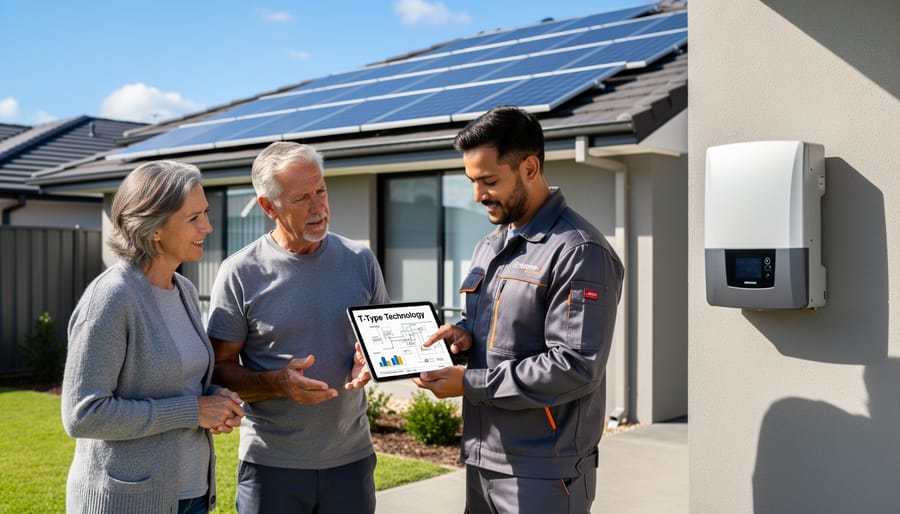
Before committing to a solar installation, arm yourself with these straightforward questions to ensure you’re getting the best technology for your home:
Does your company offer T-Type inverter options? Not all installers work with the latest equipment, so this helps you understand if they’re keeping pace with industry innovations.
What are the specific advantages of a T-Type inverter for my roof layout and energy needs? A quality installer will explain how this technology addresses your unique situation, whether that’s shading issues, panel placement challenges, or future expansion plans.
How does the warranty coverage compare between T-Type and traditional inverters? Understanding long-term protection helps you evaluate the true value proposition.
What’s the price difference, and how does it impact my payback period? Get specific numbers so you can make an informed financial decision.
Can you show me performance data from similar installations in my area? Real-world results matter more than theoretical benefits.
Will this system work with battery storage if I decide to add it later? Future-proofing your investment protects against costly upgrades down the road.
These questions demonstrate you’ve done your homework and help separate knowledgeable professionals from those simply pushing whatever equipment they have in stock.
T-Type inverters represent an exciting step forward in solar technology, and while they’re still emerging in the residential market, they’re definitely worth keeping on your radar. As you make decisions about your solar system, understanding these newer options puts you in a stronger position to choose equipment that delivers real value. The core advantage here is simple: T-Type inverters can handle more power more efficiently while maintaining reliability over the long haul, which translates directly to better returns on your solar investment.
The solar industry moves quickly, and what seems cutting-edge today often becomes standard tomorrow. By staying informed about developments like T-Type inverter technology, you’re better equipped to ask the right questions and ensure your system meets your needs for years to come. Remember, a more efficient inverter doesn’t just mean marginally better performance—it means more consistent energy production, lower maintenance concerns, and ultimately, a system that actually delivers on those financial promises that drew you to solar in the first place. As this technology becomes more mainstream and accessible, homeowners who understand their options will be the ones getting the most out of their sustainable energy journey.