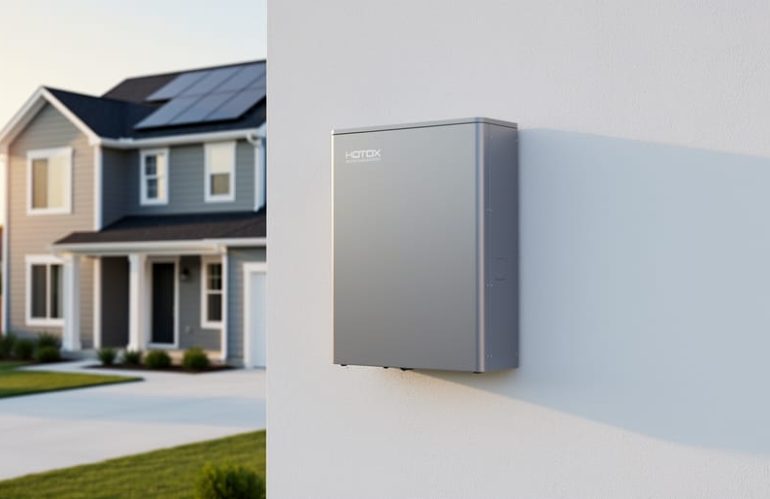
Lithium solar storage batteries transform your solar panels from a daytime-only power source into a 24/7 energy independence system. When you install these advanced batteries, you’re capturing excess solar energy during peak production hours and using it when the sun goes down—slashing your evening electricity bills and protecting yourself from rising utility rates. Unlike older battery technologies that require constant maintenance and replacement, lithium batteries last 10-15 years with virtually zero upkeep, making them a smart long-term addition to your solar investment.
The reality is simple: lithium batteries store more energy in less space, charge faster, and maintain consistent performance across thousands of cycles. You’ll gain backup power during outages, maximize your energy savings by avoiding peak utility rates, and reduce your carbon footprint by relying less on grid electricity generated from fossil fuels. While the upfront cost might seem significant, federal tax credits cover up to 30% of your battery installation, and most homeowners recoup their investment within 7-10 years through energy savings alone—all while enjoying the peace of mind that comes with energy security.
What Makes Lithium Solar Batteries Different
The Science Made Simple
Think of a lithium solar storage battery like a high-quality water tank for your home. Just as a well-designed tank holds water when you have plenty and releases it when you need it, lithium batteries store excess solar energy during sunny days and deliver it when the sun goes down.
What makes lithium batteries special? They’re incredibly efficient at this storage job. While older battery types are like leaky buckets that lose water over time, lithium batteries hold onto about 95% of the energy you put into them. They charge faster, last longer (typically 10-15 years), and take up less space than other options.
Here’s the simple truth: lithium batteries can store more energy in a smaller package, meaning you get more backup power without sacrificing garage or wall space. They also handle daily charging cycles better, maintaining their performance year after year. For homeowners, this translates to more savings on energy bills and greater energy independence without complicated maintenance routines. The technology might sound fancy, but the benefit is straightforward: reliable power when you need it most.
Why Most Solar Companies Now Recommend Lithium
The solar industry has undergone a remarkable transformation in recent years. While lead-acid batteries once dominated home energy storage, lithium technology has become the clear favorite among professionals. This isn’t just a trend—it’s a response to real-world performance data.
Solar installers consistently report higher customer satisfaction with lithium systems. These batteries require virtually no maintenance, last two to three times longer than older alternatives, and deliver consistent power output throughout their lifespan. Installation teams also appreciate that lithium batteries are lighter and more compact, making them easier to install in various home settings.
The shift has been driven by cost analysis too. When you calculate the total cost of ownership over a battery’s lifetime, lithium often comes out ahead despite higher upfront prices. You’ll replace lead-acid batteries multiple times before a single lithium system needs replacement.
Industry certifications and safety standards have also evolved around lithium technology, giving installers confidence in recommending these systems. The technology has proven itself reliable in thousands of homes, moving from experimental to mainstream. When solar professionals invest their reputation in a product, it’s because they’ve seen it perform.
The Real-World Benefits for Your Home
Lower Energy Bills, Year After Year
Your solar panels work hardest during sunny afternoons, often producing more electricity than your home needs right then. Without battery storage, that extra energy gets sent back to the grid, and you’ll still pay full price for power after sunset. That’s where lithium solar storage batteries change everything.
These batteries capture your excess solar energy during peak production hours and save it for when you actually need it most—evenings and early mornings when your panels aren’t generating power. Instead of buying expensive electricity from the grid during these high-demand times, you’re using your own stored solar energy. The result? Dramatically lower monthly utility bills.
Many homeowners see their grid dependency drop by 70% or more, translating to significant savings month after month, year after year. With electricity rates rising approximately 3-5% annually, your battery system becomes more valuable over time. You’re essentially locking in lower energy costs while your neighbors watch their bills climb. Plus, lithium batteries maintain their performance for 10-15 years, ensuring consistent savings throughout their lifespan. It’s an investment that literally pays you back.
Power When You Need It Most
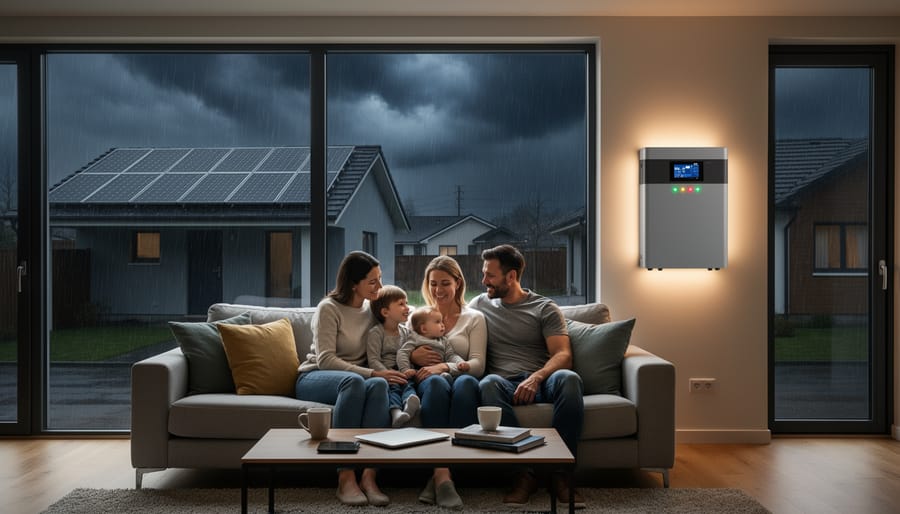
Life doesn’t stop when the grid goes down. Whether it’s a planned maintenance outage or an unexpected storm, lithium solar storage batteries keep your home running smoothly when your neighbors are sitting in the dark. Your refrigerator stays cold, your internet router keeps working, and you can charge your devices without interruption.
Think of your battery system as a reliable backup plan that activates automatically. When power outages occur, your stored solar energy seamlessly takes over, often so quickly you won’t even notice the switch. No fumbling with generators, no trips to buy ice, and no wondering how long you’ll be without power.
The real beauty is the peace of mind that comes from energy independence. You’re not relying solely on the grid or rationing stored power—you’re drawing from sunlight you’ve already captured. Many homeowners find this security particularly valuable during extreme weather seasons or in areas with aging electrical infrastructure. It’s simply about maintaining your normal routine and comfort level, regardless of what’s happening outside your home.
Less Maintenance, More Convenience
Unlike older lead-acid batteries that demand regular attention, lithium solar storage batteries are refreshingly hands-off. You won’t need to check water levels, clean terminals, or worry about corrosive buildup. Once installed, they simply work quietly in the background while you enjoy the benefits of stored solar energy. This means less time spent maintaining your solar system and more time enjoying lower energy bills. There’s no special maintenance schedule to remember or additional costs for upkeep. This set-it-and-forget-it convenience is especially appealing for busy homeowners who want reliable backup power without adding another item to their to-do list. Your lithium battery takes care of itself, letting you focus on what matters most.
Longer Lifespan Means Better Value
While lithium solar storage batteries cost more upfront than traditional lead-acid options, their 10-15 year lifespan makes them significantly more economical over time. Here’s the real value: you’ll replace lead-acid batteries 2-3 times during the same period, paying for purchase, installation, and disposal each time. Lithium batteries also maintain 80-90% of their capacity throughout their lifespan, meaning consistent performance year after year. When you calculate total cost of ownership, most homeowners see their investment pay for itself within 5-7 years through energy savings and fewer replacements. After that, you’re enjoying pure savings on your electricity bills while your battery keeps running strong for several more years.
Busting Common Myths About Lithium Solar Batteries
“They’re Too Expensive”
Yes, lithium solar batteries require a higher upfront investment than traditional lead-acid options, but looking at the price tag alone misses the bigger picture. These batteries typically last 10-15 years compared to just 3-5 years for older technologies, meaning you’ll replace them far less often. When you factor in their superior efficiency (they store and release more of the energy your panels produce), lower maintenance costs, and longer lifespan, the total cost of ownership actually becomes quite competitive.
Even better, you don’t have to shoulder the full cost alone. Federal tax credits, state rebates, and utility programs can significantly reduce your initial investment through incentives and financing options. Many homeowners also find that their monthly energy savings begin offsetting the investment immediately, with some seeing a complete return within 7-10 years. After that? Pure savings in your pocket, plus the peace of mind that comes with backup power during outages and reducing your carbon footprint.
“They’re Dangerous”
Let’s clear the air: modern lithium solar batteries are remarkably safe. Today’s systems include multiple built-in protections like thermal management systems that prevent overheating, automatic shutoff features, and protective casings designed to contain any rare issues. These aren’t your grandfather’s batteries—they meet rigorous safety standards including UL 9540 and UL 1973 certifications, which require extensive testing before they can be installed in homes.
The reality? You’re statistically more at risk from your water heater than your lithium battery system. Professional installation by certified technicians ensures proper setup and ventilation, while battery management systems constantly monitor performance to prevent problems before they start. Major manufacturers back their products with comprehensive warranties, typically 10 years or more, because they’re confident in their safety record. When installed correctly and maintained according to manufacturer guidelines, lithium solar batteries provide decades of reliable, worry-free energy storage for your home.
“They Don’t Work in Cold Weather”
Here’s the truth: while it’s accurate that lithium batteries don’t perform as well in freezing temperatures, modern lithium solar storage systems are designed to handle diverse climates. Most quality lithium batteries include built-in temperature management systems that keep them operating efficiently even when it’s chilly outside.
Unlike older lead-acid batteries that lose significant capacity in cold weather, lithium batteries maintain around 80-90% of their performance in moderate cold. Many systems automatically warm themselves when needed, using a tiny amount of stored energy to stay in the optimal temperature range.
The real advantage? Lithium batteries significantly outperform lead-acid alternatives in both hot and cold conditions. They charge faster, last longer, and recover better after temperature fluctuations. If you live in an area with extreme winters, simply ensuring your battery is installed in a temperature-controlled space like a garage or basement solves most concerns. This small consideration lets you enjoy all the cost savings and energy independence benefits year-round.
How Lithium Batteries Integrate with Your Solar System
The Setup Process Explained
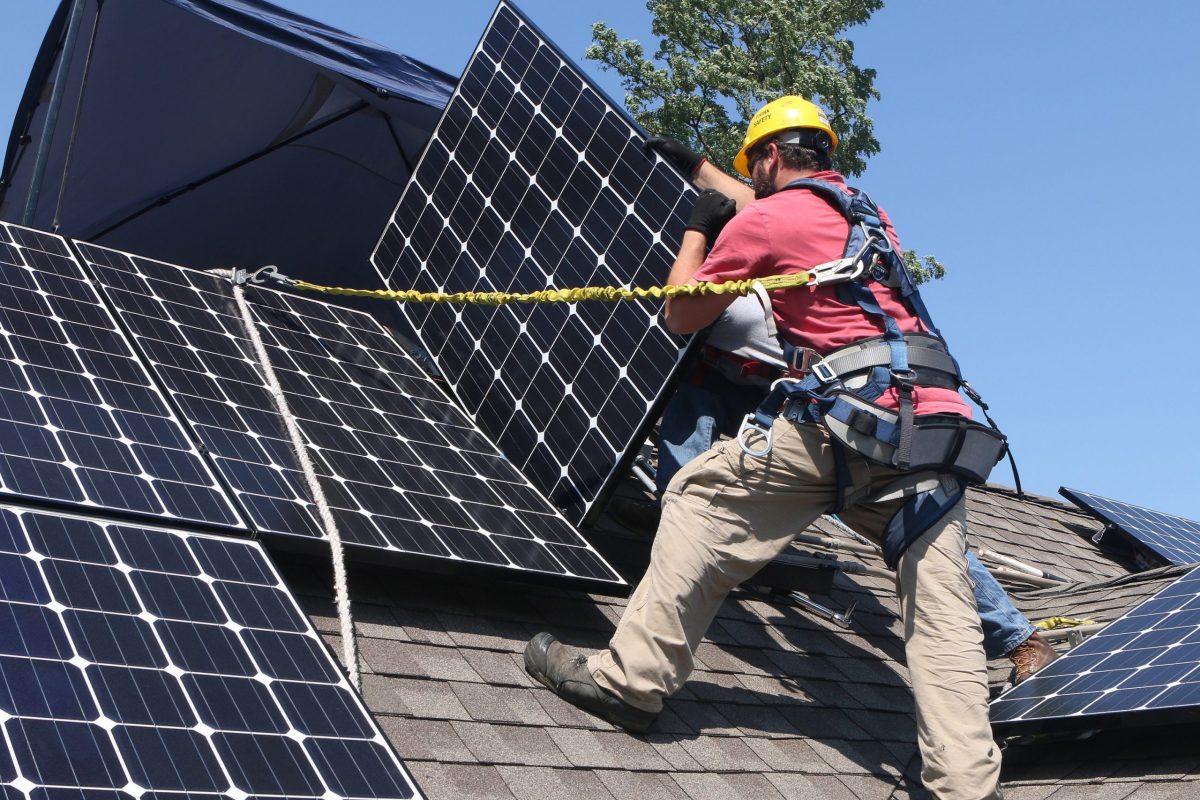
Installing a lithium solar storage battery system is surprisingly straightforward and causes minimal disruption to your daily routine. Most professional installations take just one to two days, depending on the size of your system and your home’s current electrical setup.
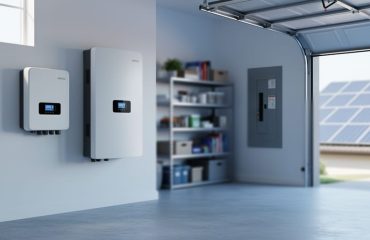
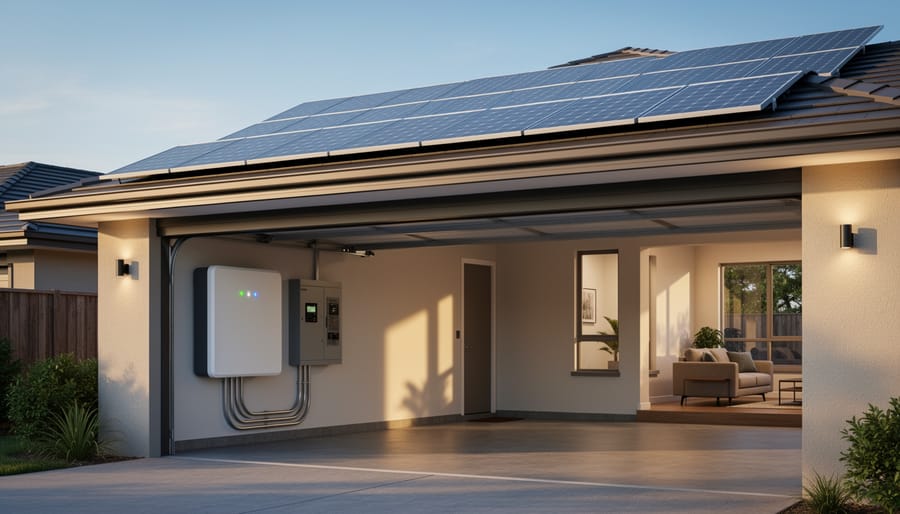
Your installer will first assess your electrical panel and determine the best location for the battery, typically in a garage, basement, or exterior wall. The actual battery unit is compact and wall-mounted, requiring about as much space as a water heater. The installation team will connect the battery to your existing solar panel system and solar inverters, ensuring everything communicates properly.
Most homeowners find the process less invasive than they expected. You won’t need major electrical work or structural changes in most cases. The installers handle all permits and inspections, and you’ll receive training on monitoring your system through a simple smartphone app.
After installation, your battery begins working immediately, charging during sunny days and providing backup power when needed. You’ll notice the difference on your first utility bill, and the peace of mind during power outages makes the minimal installation disruption well worth it.
Monitoring Your Energy in Real-Time
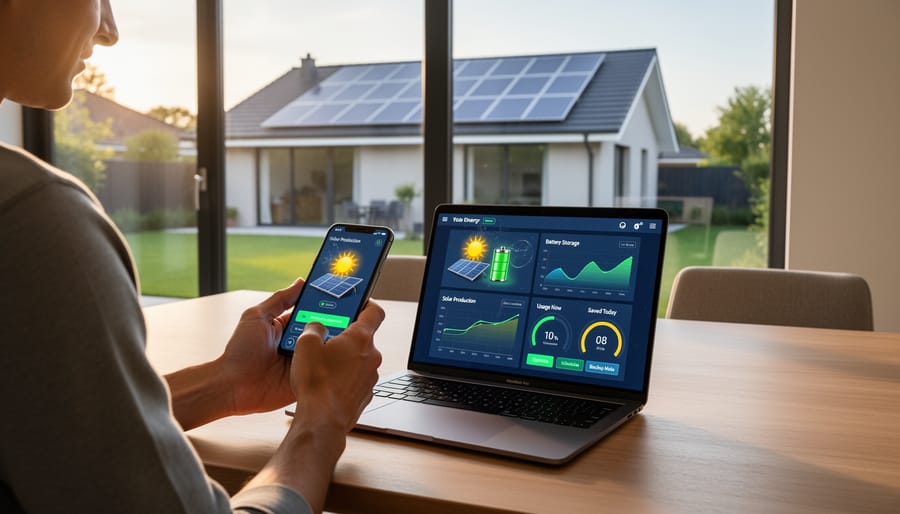
One of the most exciting features of modern lithium solar storage batteries is the ability to see exactly what’s happening with your energy at any moment. Through smartphone apps and web portals, you can watch your solar panels generate power, track how much energy your home is using, and see your battery charge and discharge in real-time.
Think of it as a fitness tracker for your home’s energy. You’ll receive instant notifications about your system’s performance, understand which appliances use the most power, and make smarter decisions about when to run energy-intensive tasks. Many homeowners discover they can shift laundry or dishwashing to sunnier hours, maximizing their solar investment without any lifestyle sacrifice.
These monitoring systems also alert you to any issues immediately, often before you’d notice a problem. You’ll see your energy independence growing day by day, with detailed reports showing how much money you’re saving and how your household is reducing its carbon footprint. The data is presented in simple, visual formats that anyone can understand, no engineering degree required. This visibility transforms energy from an invisible utility bill into something you can actively manage and optimize for maximum savings.
Choosing the Right Lithium Battery for Your Home
Sizing Your Storage Capacity
Choosing the right battery size doesn’t have to be complicated. Start by checking your monthly electricity bill to see your average daily energy use, typically measured in kilowatt-hours (kWh). Most homes use between 20-30 kWh per day, though this varies based on household size and habits.
A good rule of thumb: size your battery to cover your evening and overnight consumption when solar panels aren’t producing power. For most families, a 10-13 kWh battery provides comfortable backup for essential appliances and typical nighttime use. If you experience frequent power outages or want complete energy independence, consider sizing up to cover 1-2 days of usage.
Don’t worry about getting it perfect when planning solar installations. Many battery systems are modular, meaning you can start smaller and add capacity later as your needs change. Your solar installer can analyze your actual energy patterns and recommend the sweet spot between cost and coverage. The key is finding a balance that reduces your grid dependence without overspending on unused capacity.
What to Look for in a Quality System
When shopping for a lithium solar storage battery, focus on a few key indicators that separate quality systems from mediocre ones. First, look for batteries with at least a 10-year warranty—reputable manufacturers stand behind their products. Check the depth of discharge rating, which tells you how much of the battery’s capacity you can actually use. Quality lithium batteries typically offer 90-100% usable capacity, meaning you get what you pay for.
Safety certifications matter too. Look for UL certification, which means the battery has passed rigorous safety testing. Round-trip efficiency above 90% ensures you’re not losing much energy in the charge-discharge cycle, maximizing your savings. Temperature management features help the battery perform well in extreme weather.
Consider the cycle life—premium lithium batteries handle 6,000 cycles or more, translating to decades of reliable service. A user-friendly monitoring app lets you track your energy production and usage in real-time. Finally, choose established brands with proven track records and responsive customer support. These features might cost more upfront, but they deliver better long-term value and peace of mind for your investment.
Investing in lithium solar storage batteries means taking control of your energy future while making a smart financial decision. You’ll reduce your electricity bills, protect yourself from rising utility costs, and enjoy peace of mind during power outages. Beyond the dollars saved, you’re making a meaningful contribution to a cleaner environment by maximizing your use of renewable energy and reducing dependence on fossil fuels.
The path to energy independence starts with understanding your options, and we’re here to guide you every step of the way. As your trusted partner in solar energy, we help homeowners like you navigate the transition with confidence and clarity. The future is bright for those who embrace sustainable living today. With lithium solar storage, you’re not just upgrading your home—you’re investing in a more resilient, cost-effective, and environmentally responsible tomorrow.