
Your home battery storage system won’t last forever, but here’s the good news: when it reaches the end of its 10-15 year lifespan, nearly all of its valuable materials can be recovered and reused. Battery recycling transforms what could be hazardous waste into valuable resources like lithium, cobalt, nickel, and aluminum that manufacturers use to create new batteries and other products. The process involves safely collecting used batteries, discharging any remaining energy, dismantling the units into component parts, and extracting materials through mechanical separation or chemical processing. Unlike old electronics that might sit in landfills for centuries, today’s residential batteries enter established recycling streams managed by specialized facilities across the country. Most battery manufacturers and installers handle the logistics for you, often at no additional cost, making responsible disposal as simple as a phone call. Understanding this circular lifecycle should give you confidence in your sustainable energy investment, knowing that your battery contributes to environmental protection both during its active years and after retirement.
Why Your Home Battery Won’t End Up in a Landfill
Here’s some good news: your home battery is far too valuable to ever wind up in a landfill. Unlike single-use household batteries, residential energy storage systems contain precious materials that manufacturers and recyclers actively want back.
Think of your battery like a smartphone—it holds lithium, cobalt, nickel, and other materials worth recovering. These components retain significant economic value even after your battery can no longer power your home effectively. Recyclers can extract up to 95% of these materials and reuse them in new batteries, making the process profitable rather than a burden.
Environmental regulations make battery disposal nearly impossible anyway. Federal and state laws classify lithium-ion batteries as hazardous waste, meaning you legally cannot throw them in the trash. This isn’t a loophole or optional guideline—it’s mandated protection ensuring batteries enter proper battery recycling programs.
Even better, most battery manufacturers run take-back programs specifically designed for homeowners. When your battery reaches its end of life (typically after 10-15 years), the company that made it often handles collection and recycling at little to no cost to you. Tesla, LG, Sonnen, and other major brands have established partnerships with certified recyclers to manage this process seamlessly.
This system flips the old “solar creates waste” myth on its head. Your battery isn’t creating a disposal problem—it’s participating in a circular economy where materials get continuously reused. The infrastructure already exists to handle end-of-life batteries responsibly, and it’s only improving as more homeowners adopt solar-plus-storage systems. Your investment in clean energy doesn’t end with environmental guilt; it continues benefiting the planet through responsible material recovery.
How Battery Recycling Actually Works
Collection and Safe Transportation
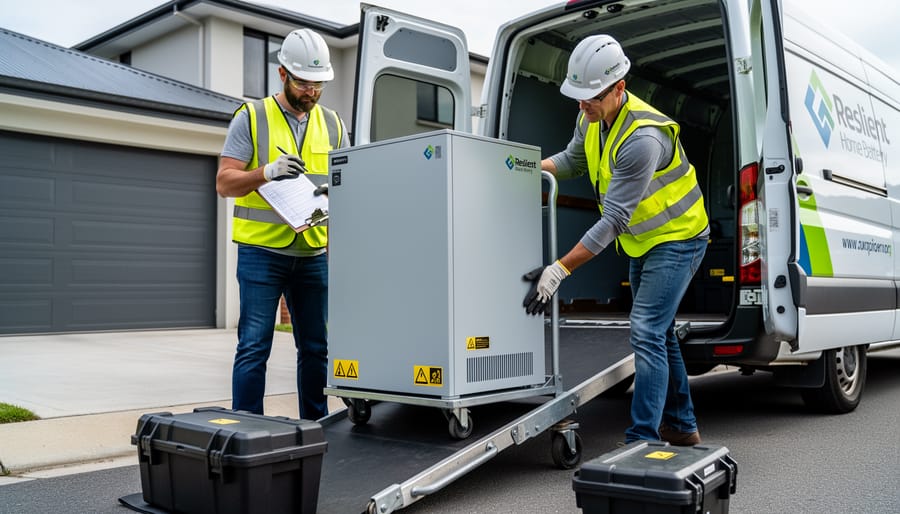
Getting your old batteries into the recycling system is easier than you might think, and multiple safeguards protect everyone involved. Most battery recycling starts right at your doorstep. When your home battery system reaches the end of its useful life—typically after 10-15 years—your installation company or battery manufacturer often handles removal and transport. Many programs offer take-back services, meaning they’ll collect the unit directly from your property at no additional cost.
Before transport, trained technicians follow strict safety protocols. They’ll disconnect and isolate the battery to prevent electrical hazards, then place it in specialized containers designed to prevent short circuits or damage during transit. This isn’t something you need to worry about doing yourself.
For smaller household batteries like those in power tools or backup devices, local collection programs make recycling simple. Many municipalities offer drop-off locations at recycling centers, and some retailers provide collection bins right in their stores. The key safety measure for homeowners? Store spent batteries in a cool, dry place until drop-off, and tape the terminals with non-conductive material to prevent accidental contact.
Throughout the collection and transportation process, certified handlers follow regulations that protect workers and communities, ensuring your commitment to sustainability doesn’t create new problems.
Breaking Down the Battery
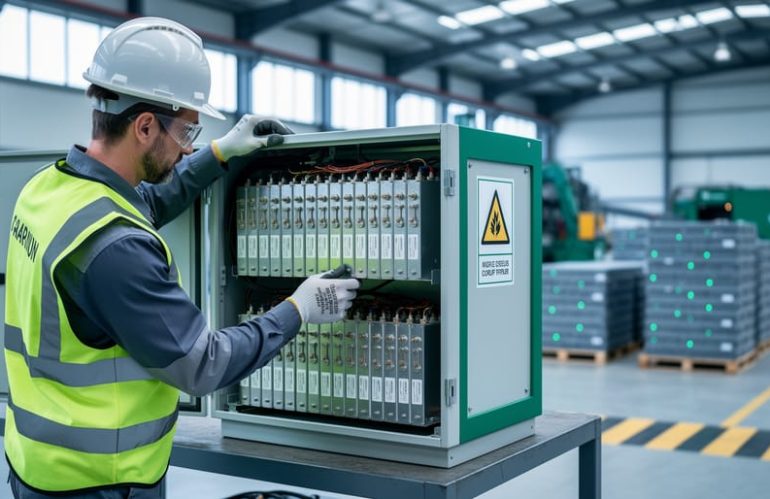
Once your battery reaches a recycling facility, the process is surprisingly straightforward. Think of it as reverse manufacturing. Technicians first safely discharge any remaining power, then carefully disassemble the battery casing to access the valuable components inside.
The real treasure hunting begins during separation. Using a combination of mechanical processes and careful sorting, recyclers extract the valuable materials that made your battery work in the first place. The star players include lithium, which powers the energy storage, along with cobalt and nickel that help maintain battery performance. You’ll also find copper wiring, aluminum casings, and plastic components—all ready for their next life.
Here’s the good news: modern recycling can recover up to 95% of these materials. That lithium extracted from your old battery? It heads right back into manufacturing new batteries or other products, closing the loop beautifully. The cobalt and nickel follow similar paths, reducing the need for new mining operations.
This recovery process means the battery you purchased years ago continues contributing to sustainability long after it powered your home, turning what could be waste into valuable resources for future products.
Turning Old Batteries Into New Resources
Once metals and minerals are extracted from old batteries, they go through purification processes that make them just as good as virgin materials. Recycled lithium, cobalt, nickel, and other valuable components can be reintegrated into manufacturing new batteries, reducing the need to mine fresh resources. This creates a circular economy where your home battery essentially becomes the raw material for the next generation of energy storage. Beyond new batteries, these recovered materials also find their way into electronics, electric vehicles, and industrial applications. The environmental benefit is significant—recycling one battery can prevent the extraction of hundreds of pounds of ore from the earth. For homeowners, this means your investment in solar energy storage contributes to sustainability long after the battery stops powering your home, turning what might seem like waste into a valuable resource that keeps giving back to the planet.

When Your Home Battery Needs Recycling
Good news: home battery systems are built to last, and recycling is simply a normal part of their lifecycle—not an emergency you need to worry about. Most residential batteries deliver reliable performance for 10 to 15 years, giving you over a decade of energy savings and backup power before recycling becomes necessary.
The lifespan of your battery depends on factors like usage patterns, climate, and how often it cycles (charges and discharges). Batteries in moderate climates with partial daily cycling typically reach the upper end of this range, while those in extreme temperatures or with heavy daily use may trend toward the lower end. Either way, you’ll have plenty of time to enjoy the financial and environmental benefits.
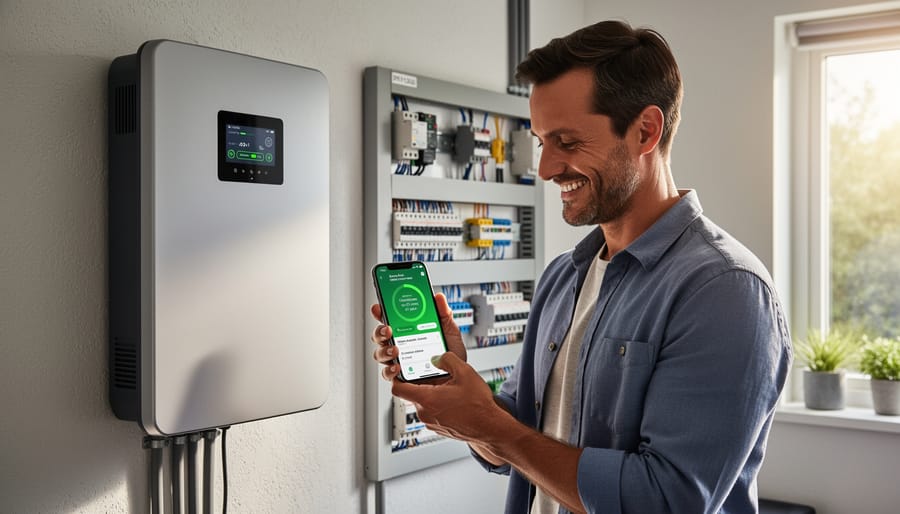
How do you know when it’s time? Your battery will give you clear signals. The most common indicator is reduced capacity—you’ll notice it doesn’t hold as much charge as it once did, perhaps storing only 60-70% of its original capacity. Your monitoring app may also show declining efficiency or increased charge times. Some systems provide explicit health notifications, alerting you well before performance becomes problematic.
Think of battery replacement like other planned home upgrades. Just as you budget for a new water heater or roof every 10-15 years, battery replacement follows a predictable timeline. Many homeowners actually choose to upgrade before recycling becomes necessary, taking advantage of newer technology with greater capacity and improved features.
The key takeaway: battery recycling isn’t an inconvenience or surprise expense lurking in your future. It’s a scheduled, manageable event in your home energy journey, and when the time comes, the recycling process ensures your old battery continues contributing to a cleaner planet.
Your Recycling Options Made Simple
Manufacturer Take-Back Programs
Many leading battery manufacturers have already established convenient take-back programs that make recycling virtually effortless for homeowners. Companies like Tesla, LG, and Sonnen include end-of-life recycling commitments right in their warranties, meaning you’re already covered when you purchase their products.
Here’s how these programs typically work: When your battery reaches the end of its useful life (usually 10-15 years), you simply contact the manufacturer or your original installer. They arrange pickup and transportation at little to no cost to you. The manufacturer then ensures the battery enters their certified recycling stream, where up to 95% of materials get recovered and reused.
What’s included? Most programs cover lithium-ion batteries used in home energy storage systems, handling everything from scheduling to safe removal. Some manufacturers even offer trade-in credits toward newer models, turning recycling into a financial opportunity rather than an expense.
Your role is minimal: a phone call or email to initiate the process. The manufacturer handles the heavy lifting, literally. This approach removes barriers and ensures responsible disposal without requiring homeowners to research recycling facilities or coordinate complex logistics. It’s environmental responsibility made simple, backing up your investment in clean energy from start to finish.
Working With Your Solar Installer
When you need to replace your home battery, your solar installer typically handles the entire process, including removing your old battery and ensuring it gets recycled properly. Most reputable installation companies partner with certified recycling facilities and include battery disposal as a standard part of their replacement service. This means you won’t need to transport a heavy battery yourself or research recycling locations. During your replacement consultation, simply ask your installer about their recycling protocols and any associated fees. Many companies absorb these costs or include them in the replacement quote, making the transition seamless. Some installers even offer trade-in programs where your old battery’s recyclable materials offset part of your new battery cost. This partnership approach means you get professional handling and peace of mind that your battery components will be recovered responsibly, all while you focus on enjoying your upgraded energy storage system.
Local Recycling Resources
Finding a certified battery recycler in your area is simpler than you might think. Start by checking with your local municipality’s household hazardous waste program—many communities offer scheduled collection days or drop-off locations specifically for batteries and electronics. These programs typically handle the logistics at no cost to residents, making responsible disposal hassle-free.
You can also use online directories like Call2Recycle or Earth911 to locate certified recycling centers near you by entering your zip code. Many big-box retailers and auto parts stores also accept household batteries for recycling, providing convenient drop-off points during your regular shopping trips.
When choosing a recycler, look for facilities with proper certifications that ensure materials are processed safely and sustainably. Your solar installer may also have partnerships with recycling programs and can guide you toward reputable options, turning end-of-life battery management into just another simple step in your sustainable living journey.
The Money Side: Costs and Credits
Let’s clear up a common worry right away: in most cases, you won’t pay anything out of pocket to recycle your home battery. Many manufacturers include take-back programs as part of their warranty, meaning they’ll handle recycling at no charge when your battery reaches end-of-life. Some retailers and installation companies also offer free recycling services, especially if you’re upgrading to a newer model.
In situations where a small recycling fee applies—typically $50 to $150—it’s helpful to put this in perspective. Over a battery’s 10-15 year lifespan, you’ll have saved thousands of dollars on energy bills. That modest one-time fee represents less than what you’d spend on electricity in a single month.
Better yet, some states and utilities offer rebates or incentives that actually put money back in your pocket. Programs in California, New York, and Massachusetts, for example, provide credits for responsible battery disposal. Check with your local waste management authority or utility company to see what’s available in your area.
When you consider the total cost of ownership, recycling costs barely register. The real value lies in years of energy independence, backup power during outages, and knowing you’ve made an environmentally responsible choice from start to finish. Your battery pays for itself many times over, and responsible recycling is simply the final step in a smart, sustainable investment.
Making Your Battery Last Longer
The good news? You have significant control over when your battery needs recycling. By treating your home battery system right, you can extend its useful life well beyond the typical 10-15 year warranty period—saving money and delaying recycling altogether.
Start with temperature management. Batteries thrive in moderate conditions, ideally between 50-77°F. If your battery is installed in a garage or outdoor enclosure, ensure proper ventilation during hot months and consider insulation for cold climates. Extreme temperatures force your battery to work harder, wearing it down faster.
Avoid completely draining your battery regularly. Most modern systems automatically prevent deep discharge, but if you have manual settings, keep your battery between 20-80% charge when possible. Think of it like your smartphone—constantly running to zero takes a toll.
Proper battery maintenance includes simple monitoring through your system’s app. Watch for unusual performance drops or error messages, and schedule annual professional check-ups to catch small issues before they become big problems.
Keep your battery system’s software updated. Manufacturers regularly release improvements that optimize charging cycles and efficiency—often adding years to your battery’s lifespan with just a few clicks.
The financial payoff is real: every extra year you squeeze from your battery means another year of energy bill savings and one more year before recycling costs factor into your budget. Plus, well-maintained batteries retain higher capacity at end-of-life, potentially improving their recycling value.
Battery recycling isn’t a future problem waiting to be solved—it’s already here, working effectively today. The infrastructure exists, the processes are proven, and your participation is straightforward. When you invest in home battery storage, you’re joining a circular economy that’s already designed to handle your battery responsibly at the end of its long service life.
The environmental benefits are significant. By recycling, you ensure that valuable materials like lithium, cobalt, and nickel get recovered and reused instead of being mined fresh from the earth. This conserves natural resources, reduces mining impacts, and keeps hazardous materials out of landfills. Best of all, most manufacturers and installers make the process nearly effortless for you through take-back programs and established collection networks.
Think of battery recycling as part of the complete sustainability package that comes with clean energy adoption—no different from recycling your cardboard boxes or aluminum cans, just less frequent. The peace of mind knowing your battery will be handled responsibly is built right into your investment. As more homeowners embrace renewable energy storage, we’re collectively strengthening a recycling system that gets more efficient and environmentally beneficial every year. Your decision to go solar with battery backup isn’t just smart economics—it’s a vote for a cleaner, circular future.