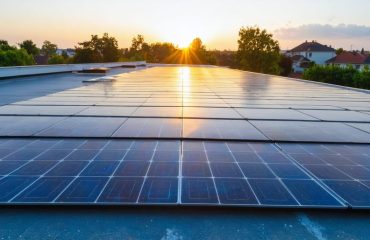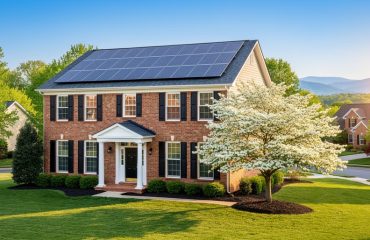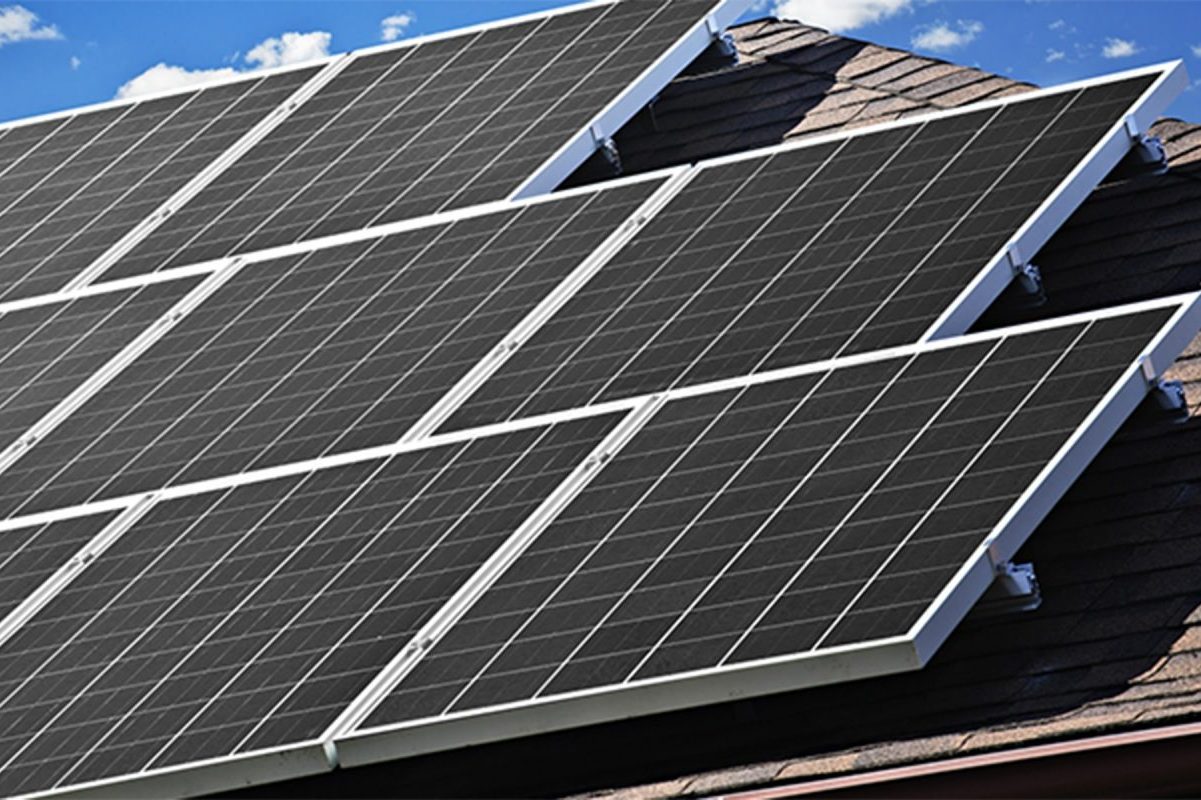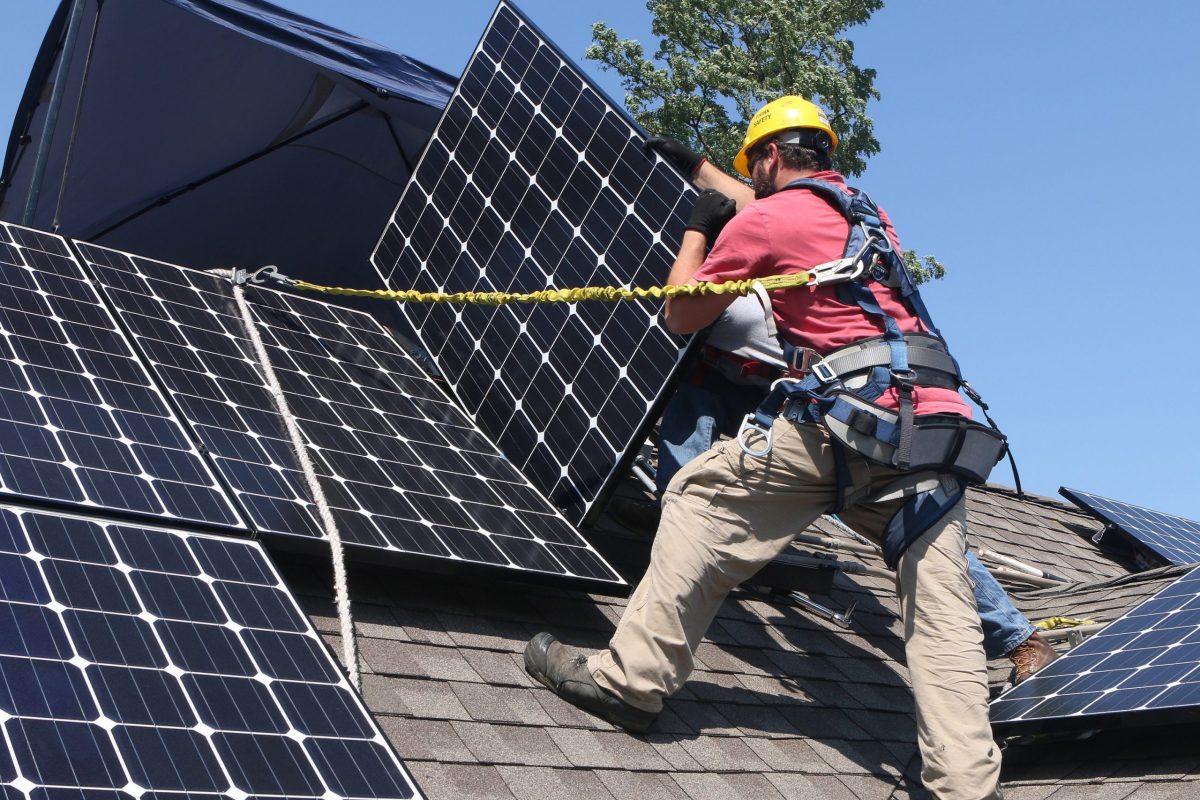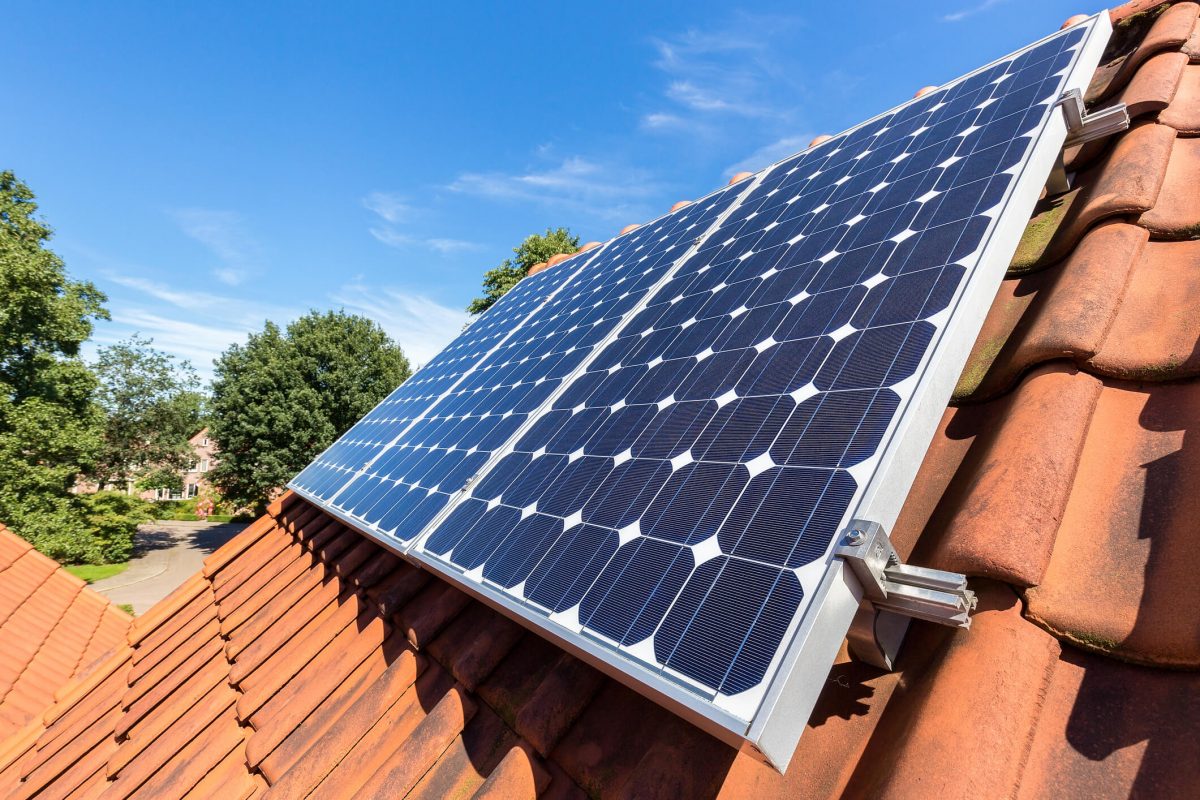
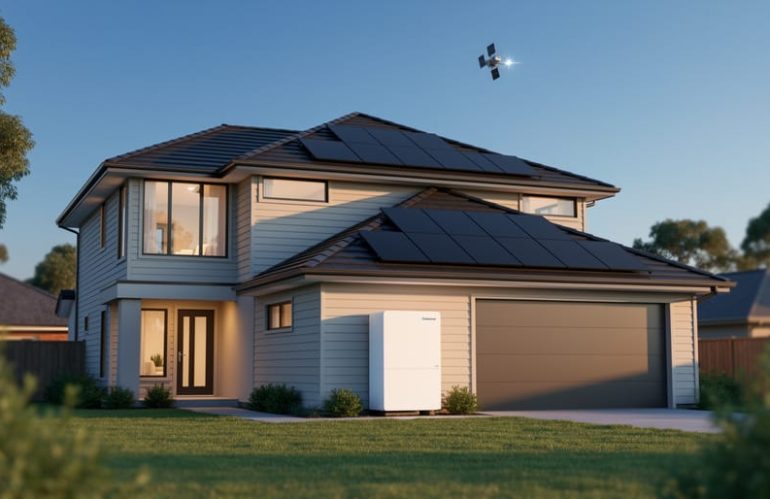
Solar panels have quietly transformed from bulky rooftop additions into sleek energy powerhouses, and the pace of innovation shows no signs of slowing. While headlines tout space-based solar arrays and other futuristic concepts, the real revolution is happening right now on residential rooftops across America.
Today’s solar technology bears little resemblance to the panels of even five years ago. Efficiency rates have soared past 22% for standard residential installations, meaning you generate more power from less roof space. Bifacial panels capture sunlight from both sides, boosting output by up to 30% in the right conditions. Integrated battery systems now store excess energy affordably, letting you power your home through evening hours and grid outages without relying on utility companies.
The financial benefits have become impossible to ignore. Modern solar installations typically pay for themselves within 6-8 years through energy savings, while panels are warrantied for 25 years or more. Federal tax credits cover 30% of installation costs, and many states offer additional incentives that further accelerate your return on investment.
Perhaps most importantly, these innovations have made solar accessible to more homeowners than ever before. You no longer need a perfectly south-facing roof or cloudless skies year-round. Advanced panel designs and smart inverters extract maximum energy even in less-than-ideal conditions, making sustainable living achievable for families in diverse climates and home configurations. The future of energy isn’t decades away; it’s ready for installation today.
What Is Space-Based Solar Power Beaming?
Imagine solar panels that never see a cloudy day, never experience nighttime, and collect energy around the clock. That’s the basic idea behind space-based solar power beaming, one of the most ambitious concepts in renewable energy today.
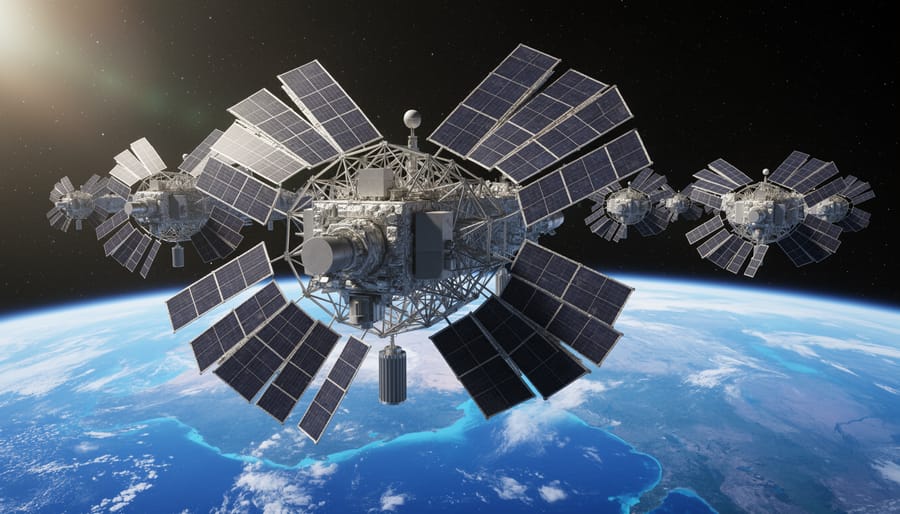
Here’s how it works in simple terms: satellites equipped with massive solar collectors orbit high above Earth, where the sun shines constantly. Unlike the solar panels on your roof that only generate electricity during daylight hours and lose efficiency on cloudy days, these space-based systems capture sunlight 24 hours a day, seven days a week. There are no weather interruptions, no seasonal variations, and no nighttime downtime.
Once these satellites collect solar energy, they convert it into microwaves or laser beams and transmit it down to receiving stations on Earth. These ground stations then convert the beamed energy back into electricity that can flow into the power grid, just like electricity from any other source.
The always-on advantage is significant. Ground-based solar panels typically generate power for only 4-6 hours of peak sunlight per day, depending on your location and weather conditions. Space-based systems could theoretically provide continuous power, making solar energy as reliable as traditional power plants.
While this technology sounds like science fiction, several countries and private companies are actively developing prototypes. However, it’s important to understand that space-based solar power remains experimental and faces substantial technical and economic hurdles. The cost of launching equipment into space, building massive orbital structures, and safely beaming energy to Earth means this innovation is likely decades away from becoming a practical reality for everyday energy consumers.
Why Scientists Are Looking Beyond Rooftop Panels
Your rooftop solar panels are remarkable technology, but they do have natural limitations that scientists are working to address through complementary innovations. Understanding these gaps helps explain why researchers are exploring new frontiers while continuing to improve the systems available to homeowners today.
The most obvious challenge is nighttime. When the sun sets, your panels stop generating electricity, meaning you’ll either draw from the grid or rely on battery storage. While this doesn’t diminish the value of solar—you’re still slashing your daytime energy costs—it does mean your panels can’t provide round-the-clock power on their own.
Weather creates another hurdle. Cloudy days can reduce your panel output by 40-80%, and even a passing shadow can temporarily decrease efficiency. Winter months bring shorter days and lower sun angles, meaning your panels generate significantly less electricity precisely when heating demands spike. If you live in frequently overcast climates, these variations become even more pronounced.
Seasonal shifts affect everyone with rooftop solar. Your panels might produce abundant energy during long summer days but struggle to meet your needs during dark December afternoons. This doesn’t make residential solar a poor investment—quite the opposite—but it does highlight why the technology works best as part of a broader energy strategy.
Space-based solar concepts aim to address these specific limitations by capturing sunlight continuously and beaming it to Earth. However, this futuristic approach isn’t meant to replace your home panels. Instead, it represents scientists building upon proven solar technology to create complementary solutions for our energy future.
What This Innovation Means for Your Home Solar System
Technology Advances That Trickle Down
Space technology doesn’t stay in orbit forever. Many breakthroughs developed for NASA missions eventually find their way into products you can buy for your home. Solar panels are a perfect example of this innovation pipeline in action.
Back in the 1950s, solar cells were expensive novelties costing about $300 per watt. NASA’s space program created huge demand for reliable power sources in satellites, which funded research that dramatically dropped those costs. Today’s panels cost less than $1 per watt, making them affordable for regular homeowners. That’s a price drop of over 99%, largely thanks to space program investments.
The same pattern continues today. Energy conversion technology developed to maximize power in space’s harsh conditions translates directly to better performance on your roof. Space panels must withstand extreme temperatures and radiation while maintaining efficiency for decades without maintenance. These same engineering solutions make residential panels more durable and effective.
Innovative solar materials like thin-film cells and anti-reflective coatings were perfected for spacecraft before becoming standard in consumer products. Even the monitoring systems that track your panel performance originated from satellite technology.
The bottom line? When space agencies invest billions in solar research, homeowners eventually benefit from lighter, more efficient, and longer-lasting panels at lower prices. It’s space-age technology with down-to-earth savings.
The Future of Grid Reliability
One of the most exciting possibilities of space-based solar technology is its potential to transform how our electrical grid operates. Unlike traditional solar panels that only generate power during daylight hours, space-based systems could beam energy to Earth continuously, creating a steady, predictable power supply that helps balance the grid around the clock.
Think of it like having a reliable backup dancer. Your home solar panels perform beautifully during sunny days, but when clouds roll in or the sun sets, the grid needs other energy sources to pick up the slack. Space-based solar could eventually fill those gaps with clean energy instead of fossil fuels, making the entire system more stable and eco-friendly.
This matters for homeowners because a more stable grid means your solar panels become even more valuable. When the grid can better handle fluctuations in energy supply and demand, your excess solar power becomes more useful to your community, potentially increasing the credits you receive for feeding power back into the system.
Some people worry about being dependent on the grid, but connection actually offers flexibility. You can draw power when you need it and contribute when you’re generating extra. As space-based solar and other innovations mature, this two-way relationship becomes stronger, creating a resilient energy network that benefits everyone while keeping your home powered reliably and affordably.
What About Cost?
Let’s be honest: space-based solar power isn’t cheap right now. Launching equipment into orbit costs millions, making it unrealistic for your home anytime soon. But here’s the good news: research into these ambitious projects drives technological breakthroughs that benefit all solar technology. Think about residential solar panels twenty years ago versus today. Prices have dropped more than 80% since 2000, making home solar systems affordable for average homeowners. This happened because continued investment in solar research created better manufacturing processes, improved materials, and increased efficiency. The same pattern applies to space-based innovations. While orbital solar farms remain experimental, the advanced technologies developed for these projects eventually trickle down to rooftop systems. Every dollar invested in pushing solar boundaries today means better, more affordable options for your home tomorrow. That’s why supporting solar innovation matters, even when specific technologies seem out of reach.
Debunking the Myths About Space Solar Power
Myth: Space Solar Will Make Rooftop Panels Obsolete
Here’s the good news: space-based solar power and rooftop panels aren’t competing technologies. They’re designed for completely different purposes, and your home solar installation will remain valuable regardless of what happens in orbit.
Space solar focuses on beaming massive amounts of energy to power grids and industrial operations. It’s a utility-scale solution that could help cities and countries meet their energy demands. Meanwhile, rooftop solar puts power generation directly in your hands, right where you use it.
The benefits of home solar are hard to beat. You generate electricity at the point of consumption, avoiding transmission losses that affect grid power. You gain energy independence, protection from rising utility rates, and immediate savings on your monthly bills. Plus, you can store excess energy in batteries for use during outages or at night.
Think of it this way: space solar is like a massive hydroelectric dam, while your rooftop system is like having your own personal well. Both provide water, but one gives you direct control and personal benefits. As energy technology advances, having your own solar panels becomes more valuable, not less. Different innovations work together to create a cleaner energy future, and your rooftop system plays an essential role in that transformation.
Myth: Energy Beamed from Space Is Dangerous
One of the biggest concerns about space-based solar power is whether beaming energy down to Earth poses health or safety risks. The good news? The technology is surprisingly safe when you understand how it actually works.
Space-based solar systems would use microwave transmission to send energy to Earth, similar to the technology in your microwave oven but at much lower intensity. These beams would be spread over large receiving areas, making the energy density quite low. Think of it like sunlight rather than a concentrated laser beam. In fact, the energy density would typically be less intense than standing in direct sunlight on a summer day.
Regulatory agencies like the FCC and international space authorities already have strict guidelines for electromagnetic transmission. Any space-based solar system would need to meet rigorous safety standards before deployment, with built-in fail-safes to ensure the beam automatically shuts off if it strays from its target area.
The receiving stations would be located in restricted zones, similar to how we manage other utility infrastructure. Birds flying through the beam wouldn’t be harmed due to the low intensity, and the technology includes multiple layers of monitoring to prevent accidents.
While space-based solar remains in development, understanding its safety profile helps put futuristic innovations in perspective. The same commitment to safety and environmental responsibility drives today’s residential solar technology, which has decades of proven safe operation. As we look toward tomorrow’s possibilities, current solar solutions offer immediate, risk-free benefits for your home right now.
How Current Solar Innovations Benefit Homeowners Today
Higher Efficiency Panels
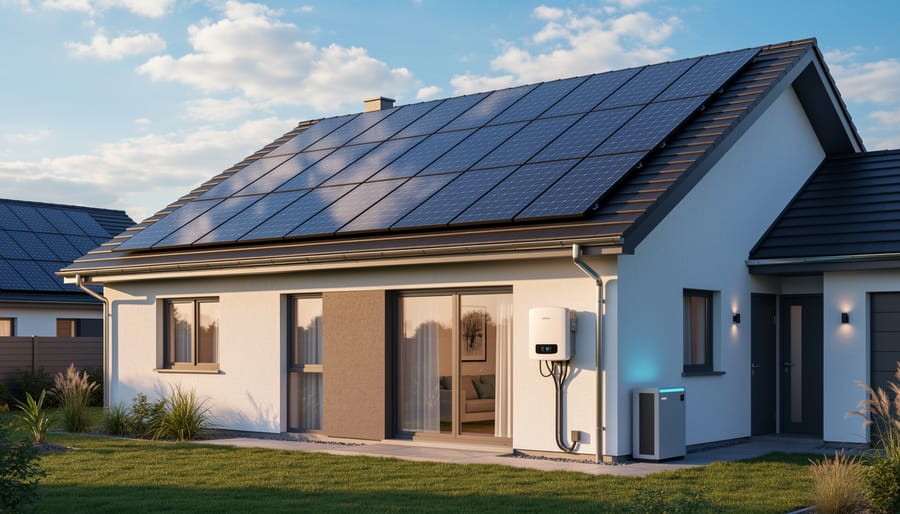
Today’s higher efficiency panels are transforming what’s possible for homeowners. Modern residential panels now achieve efficiency ratings of 22-25%, compared to just 15-17% a decade ago. What does this mean for you? Simply put, you’ll need fewer panels to meet your energy needs, which directly translates to lower installation costs and less roof space required.
This efficiency boost comes from advanced solar cell technology that captures more sunlight and converts it into usable electricity. For homeowners with smaller roofs or shaded properties, this innovation is a game-changer. Where you might have needed 20 panels before, you could now achieve the same power output with just 15-16 panels.
The financial benefits are clear: fewer panels mean reduced material costs, shorter installation time, and often simpler permitting processes. Plus, you’ll maximize your available roof space while still enjoying substantial energy bill savings. These improvements make solar more accessible and affordable than ever before.
Better Energy Storage Solutions
Solar panels are only half the equation when it comes to home energy independence. The real game-changer is what happens when the sun isn’t shining. Thanks to battery technology advances originally developed for satellites and space missions, storing solar energy at home has become remarkably practical and affordable.
Modern home battery systems can now store enough energy to power your home through the night or during cloudy days. These systems have become smaller, safer, and more efficient than ever before. The same lightweight, high-capacity batteries that keep spacecraft running for years are now adapted for residential use, meaning fewer worries about power outages and greater control over your energy costs.
Here’s the financial benefit: stored solar energy means you’re using your own power during peak evening hours when electricity rates are highest. Instead of selling excess daytime solar energy back to the grid at lower rates and buying it back at premium prices later, you’re banking that energy for when you actually need it. Many homeowners see their energy bills drop by 70-90% once they combine solar panels with battery storage, making the investment pay for itself faster than solar panels alone.
While space-based solar panels capture our imagination with visions of orbital power stations, the good news is you don’t need to wait for science fiction to become reality. Solar innovation is happening right now, on rooftops across the country, and it’s more accessible and affordable than ever before.
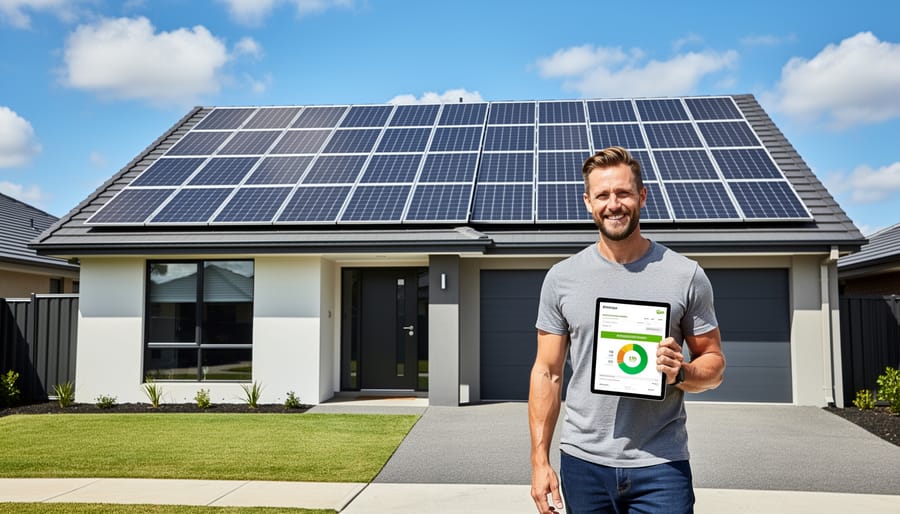
Today’s residential solar panels are vastly more efficient than those available just a decade ago. They generate more electricity from the same amount of sunlight, work better in low-light conditions, and last longer with minimal maintenance. Advanced monitoring systems let you track your energy production from your smartphone, while improved battery storage options give you power security even during grid outages. These aren’t experimental technologies—they’re proven solutions that thousands of homeowners are already benefiting from.
By choosing solar today, you’re not just reducing your energy bills and environmental footprint. You’re positioning yourself at the forefront of an energy revolution that’s unfolding right now. Every solar installation brings us closer to a cleaner, more sustainable future while putting you in control of your energy costs.
The future of energy is bright, and it starts on your roof. If you’ve been considering solar, there’s never been a better time to explore your options. The innovation you’re searching for isn’t decades away—it’s ready to power your home today.