The solar panels revolutionizing rooftops today aren’t your neighbor’s 2015 installation. Next-generation solar technology has arrived, and it’s forcing homeowners to ask a crucial question: should I buy now or wait for what’s coming next?
The answer matters more than ever because these emerging panels promise to solve the biggest complaints about current solar technology. Traditional panels waste nearly 80% of the sun’s energy as heat, work poorly on cloudy days, and lose efficiency as they age. The next generation flips this script with bifacial designs that capture sunlight from both sides, perovskite materials that absorb a broader light spectrum, and tandem cells that stack multiple layers to squeeze more power from every ray.
Here’s what makes this moment different: several of these technologies aren’t five years away anymore. They’re entering mass production right now, with some available for residential installation in 2024. Bifacial panels already deliver 10-30% more energy than conventional models. Perovskite-silicon tandems have smashed efficiency records in labs and are moving toward your roof faster than experts predicted.
But breakthrough technology doesn’t automatically mean you should wait. The real question isn’t whether better panels are coming, it’s whether the benefits of waiting outweigh the electricity costs you’ll pay in the meantime. Understanding what these next-generation panels actually do differently, and when they’ll realistically reach your price point, transforms this from a gamble into an informed decision about your home’s energy future.
What Makes These Solar Panels Different from What’s On Your Roof Today
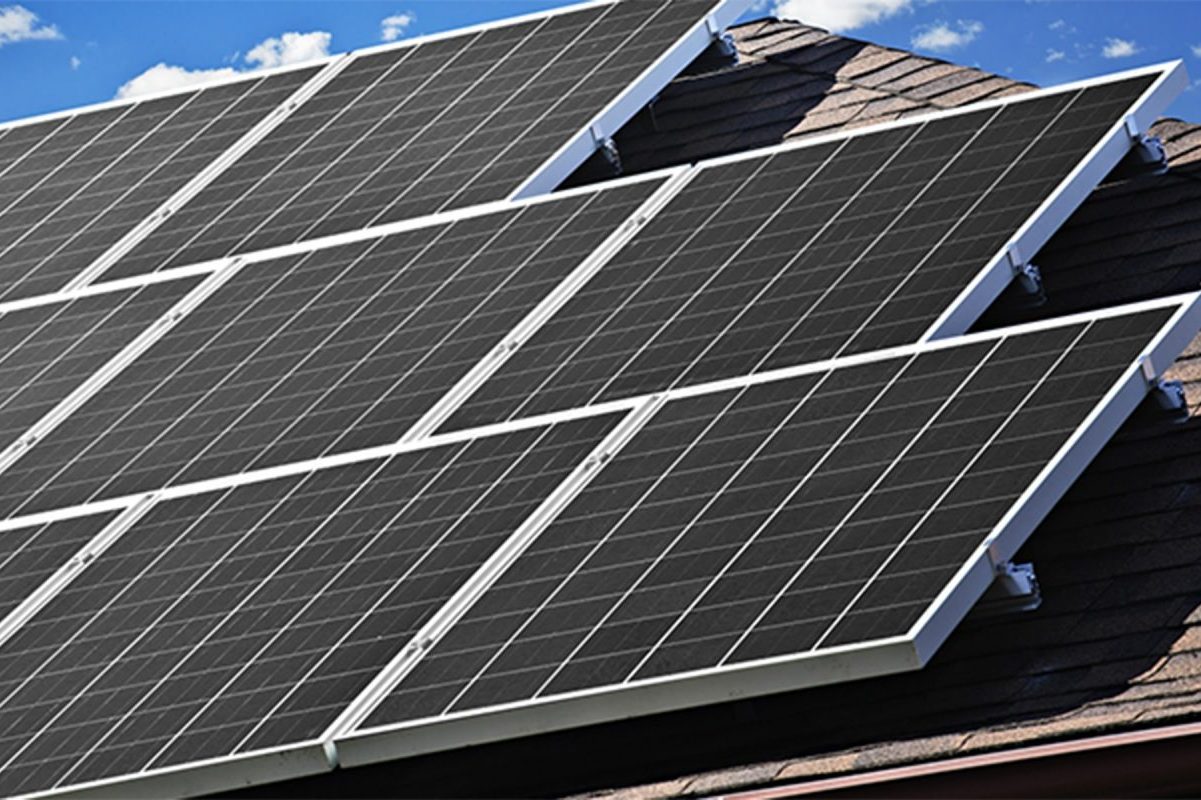
The solar panels on most roofs today work like instant energy converters. When sunlight hits them, they generate electricity right away, which either powers your home immediately or gets sent back to the grid. Think of them as a garden hose that only works when you’re actively holding the nozzle open—once the sun goes down, the flow stops.
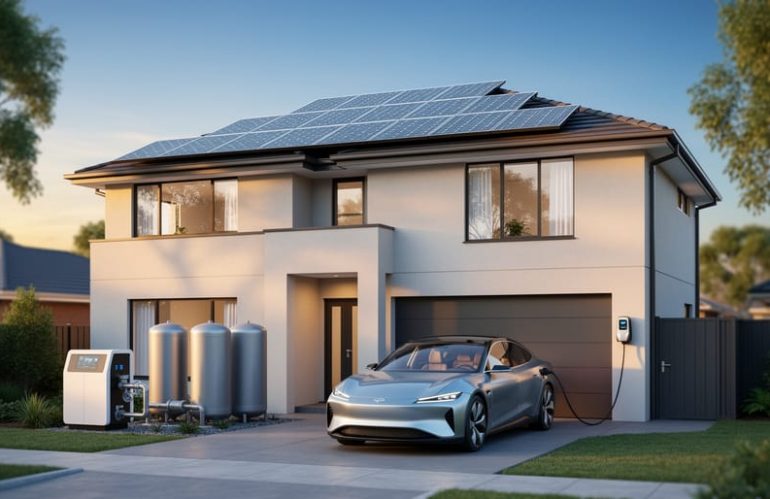
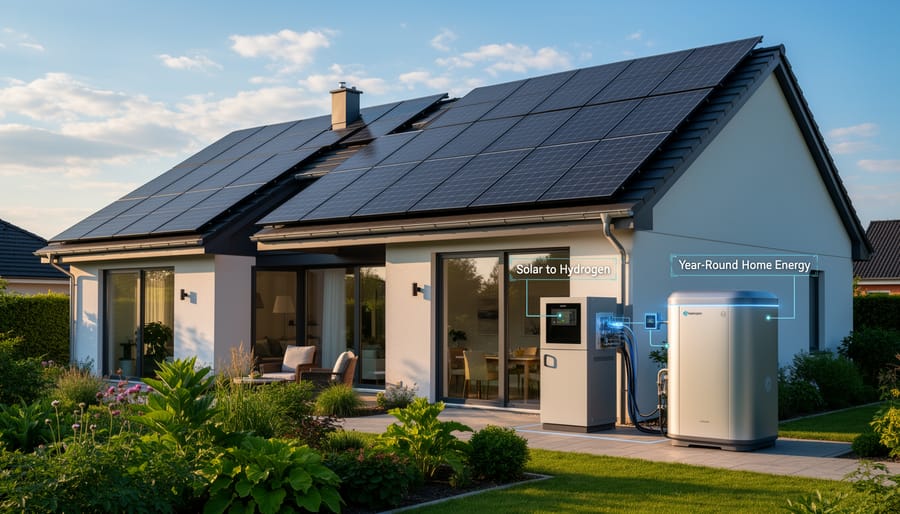
Next-generation solar-to-hydrogen panels work differently. They don’t just convert sunlight into electricity for immediate use. Instead, they use that solar energy to split water molecules into hydrogen and oxygen. The hydrogen can then be stored for later, much like filling up a propane tank you can use whenever you need it. This is one of several solar panel innovations changing how we think about home energy systems.
The real game-changer here is storage. Traditional panels face a major limitation: they need battery systems to store energy for nighttime use, and those batteries are expensive and eventually wear out. Solar-to-hydrogen systems create a fuel you can store indefinitely without degradation. When you need power, that hydrogen can be converted back into electricity through a fuel cell, or potentially used for heating or even fueling a vehicle.
Here’s a simple comparison: current solar panels are like having a garden that produces fresh vegetables only during growing season. Solar-to-hydrogen systems are like canning that harvest so you can enjoy it year-round. Both start with the same resource—sunlight—but what you can do with the end product is fundamentally different.
The Hydrogen Advantage: Why Storage Changes Everything
Storing Summer Sun for Winter Nights
Imagine filling a virtual battery during those long, bright summer days and tapping into that stored sunshine when winter arrives. That’s the promise of seasonal energy storage, one of the most exciting developments paired with next-generation solar panels. While today’s battery systems typically store energy for hours or days, emerging technologies aim to bridge the gap between seasons.
The concept is straightforward: your solar panels generate far more electricity than you need during summer months. Instead of sending all that excess power back to the grid for minimal credit, advanced solar storage solutions could convert and store it for winter use. Some promising methods include converting electricity to hydrogen fuel, storing thermal energy in underground tanks, or using advanced chemical batteries designed for long-term storage.
While large-scale seasonal storage isn’t quite ready for individual homes yet, pilot programs across Europe and North America are showing real promise. The good news? You don’t need to wait. Installing efficient solar panels now means you’ll be perfectly positioned to add seasonal storage when these systems become affordable and widely available in the coming years.
Beyond Your Electric Bill: Power-to-X Applications
Imagine your solar panels doing more than just powering your lights and appliances. Power-to-X technology transforms excess solar electricity into other useful forms of energy, like hydrogen fuel. Think of it as your home’s energy savings account, but instead of storing money, you’re converting sunshine into fuel you can use for heating your home, cooking dinner, or even filling up a compatible vehicle.
Here’s how it works in simple terms: when your panels produce more electricity than you need, that extra power splits water molecules into hydrogen and oxygen. The hydrogen can be stored and used later, giving you energy independence beyond what batteries alone can offer. This technology pairs naturally with solar-powered vehicles and other hydrogen-compatible appliances.
While Power-to-X systems for homes are still emerging, they represent an exciting frontier that could eliminate your dependence on natural gas and gasoline. The technology exists today in industrial settings and is gradually becoming more accessible for residential use.
What This Technology Means for Your Home Right Now
Let’s be honest: most of these breakthrough solar technologies aren’t sitting on warehouse shelves waiting for you to buy them today. The next generation of solar panels, including those that produce hydrogen or integrate with Power-to-X systems, are primarily in research labs or early commercial pilot programs. For residential applications, you’re looking at a 3-7 year timeline before these become widely available options.
Right now, traditional solar panels remain your best bet, and here’s why waiting probably doesn’t make sense. Current solar technology is proven, affordable, and already delivers impressive returns on investment. Installation costs have dropped by over 70% in the past decade, and federal tax credits cover up to 30% of your system cost. Every month you wait is a month you’re still paying full price to your utility company instead of generating your own clean energy.
That said, if you’re planning to install panels in the next year or two, choose a system that’s upgrade-friendly. Look for installers who use modular designs and modern inverters that can accommodate future technology additions. This way, when hydrogen production units or advanced storage systems become available for homes, you can integrate them without replacing your entire setup.
The math is straightforward: a typical homeowner who installs solar panels today will start saving money within 6-8 years and will have recouped their investment long before next-generation technology becomes mainstream. Meanwhile, you’ll be shrinking your carbon footprint and protecting yourself against rising electricity rates.
Think of it this way: the best time to plant a tree was twenty years ago, and the second-best time is today. The same principle applies to solar panels. While exciting innovations are coming, the current technology is excellent, financially smart, and immediately available. Don’t let perfect become the enemy of good when it comes to your home’s energy independence.
The Economics: Will Solar-to-Hydrogen Pay Off?
Let’s be honest: solar-to-hydrogen technology sounds amazing, but will it actually make financial sense for your home? Right now, we’re looking at a technology that’s still in development, which means costs are difficult to pin down precisely.
Current estimates suggest that solar-to-hydrogen systems will initially cost 30-50% more than traditional solar panel installations. For context, a standard residential solar setup runs between $15,000 and $25,000 after federal tax credits. Adding hydrogen production and storage could push that initial investment to $20,000-$37,500 or higher.
However, there’s good news on the horizon. The federal government has introduced significant incentives through the Inflation Reduction Act, including tax credits for clean hydrogen production. Several states are developing additional rebate programs specifically for home energy storage systems, which could include hydrogen technology. These incentives could reduce your out-of-pocket costs by 30-40%.
The realistic payback period for traditional solar panels currently sits around 6-10 years, depending on your location and energy usage. Early projections for solar-to-hydrogen systems suggest payback periods of 12-18 years initially, though this should improve as technology matures and production scales up.
Here’s what matters most: if you need solar panels today, don’t wait. Current technology is proven, affordable, and delivers immediate savings. Solar-to-hydrogen systems will likely remain a premium option for the next 5-7 years, best suited for early adopters and those with specific energy independence goals.
The smart approach? Monitor the technology’s progress while taking advantage of today’s solar incentives. Many systems can be upgraded later as hydrogen technology becomes more accessible and cost-effective for residential use.
Debunking the Myths Around Hydrogen at Home
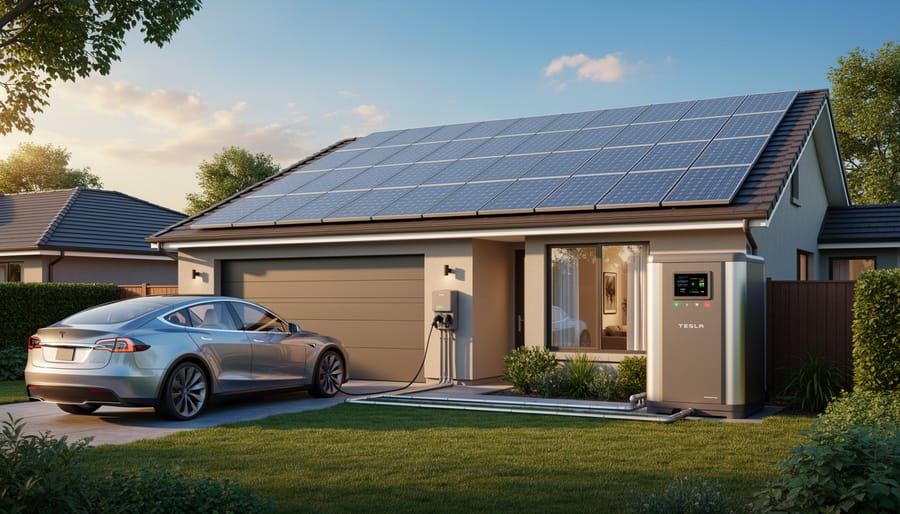
Let’s clear up some common worries about hydrogen technology in homes. Many people picture the Hindenburg disaster or complex industrial facilities, but modern home hydrogen systems are fundamentally different and surprisingly safe.
First, the safety concern. Yes, hydrogen is flammable, but so is the natural gas currently flowing through millions of homes. In fact, hydrogen is lighter than air and dissipates quickly if leaked, unlike natural gas which can pool in dangerous concentrations. Home hydrogen systems incorporate multiple safety sensors, automatic shutoffs, and are built to strict standards—think of them as similar to your water heater or HVAC system in terms of safety protocols.
The complexity myth needs addressing too. You won’t need a chemistry degree to use these systems. Modern solar-to-hydrogen setups are designed with the same user-friendly approach as smart thermostats. The system handles conversion and storage automatically, and you interact with it through a simple app or display panel.
Storage concerns are also overblown. While hydrogen does require specialized tanks, they’re compact enough for typical homes and no more intrusive than a standard hot water heater. These aren’t massive industrial containers—they’re engineered specifically for residential spaces.
Finally, cost worries are valid but temporary. Like solar panels a decade ago, prices will drop significantly as adoption grows. Early adopters pay a premium, but ongoing energy savings and eventual mainstream availability will make these systems increasingly affordable. The technology isn’t experimental—it’s proven and simply being scaled down for home use.
Should You Wait or Go Solar Now?
The good news? Today’s solar panels are already excellent investments that typically pay for themselves within 7-10 years and last 25-30 years. For most homeowners, waiting doesn’t make financial sense.
Consider going solar now if you have high electricity bills, live in a sunny area, or qualify for current federal tax credits and local incentives. current solar technology is proven, reliable, and immediately starts reducing your energy costs. Every month you delay is a month of savings you’re missing out on.
However, waiting might make sense if you’re planning to move within the next few years, your roof needs replacement soon, or you’re in a shaded location where next-generation panels with better low-light performance could make a bigger difference. If your energy bills are already low, waiting a year or two to see how emerging technologies develop won’t hurt your finances significantly.
Keep in mind that next-generation residential solar panels are still 3-5 years away from widespread availability, and they’ll likely command premium prices initially. By the time these advanced panels become affordable, homeowners who installed solar today will have already enjoyed years of savings and environmental benefits. Additionally, tax incentives available now may decrease in future years, making today’s investment even more attractive.
The future of solar energy is incredibly bright, and solar-to-hydrogen technology represents just one exciting pathway forward. While these innovations hold tremendous promise for creating clean fuel and revolutionizing how we store energy, the timeline for widespread residential availability remains uncertain. The good news? You don’t need to wait for tomorrow’s technology to benefit from solar power today.
Current solar panels are already remarkably efficient, cost-effective, and proven to slash electricity bills while reducing your carbon footprint. The systems available right now deliver real, measurable benefits from day one. Next-generation innovations like solar-to-hydrogen will simply enhance an already successful technology, making solar even more versatile and valuable over time.
If you’re considering solar for your home, the best approach is to stay informed about emerging technologies while making decisions based on your current needs and timeline. Solar panel technology improves incrementally, and waiting for the “perfect” system means missing out on years of savings and environmental benefits. The solar revolution is happening now, with exciting developments on the horizon that will only strengthen the case for clean energy. Whether you invest today or tomorrow, you’re contributing to a sustainable future while enjoying practical financial advantages.