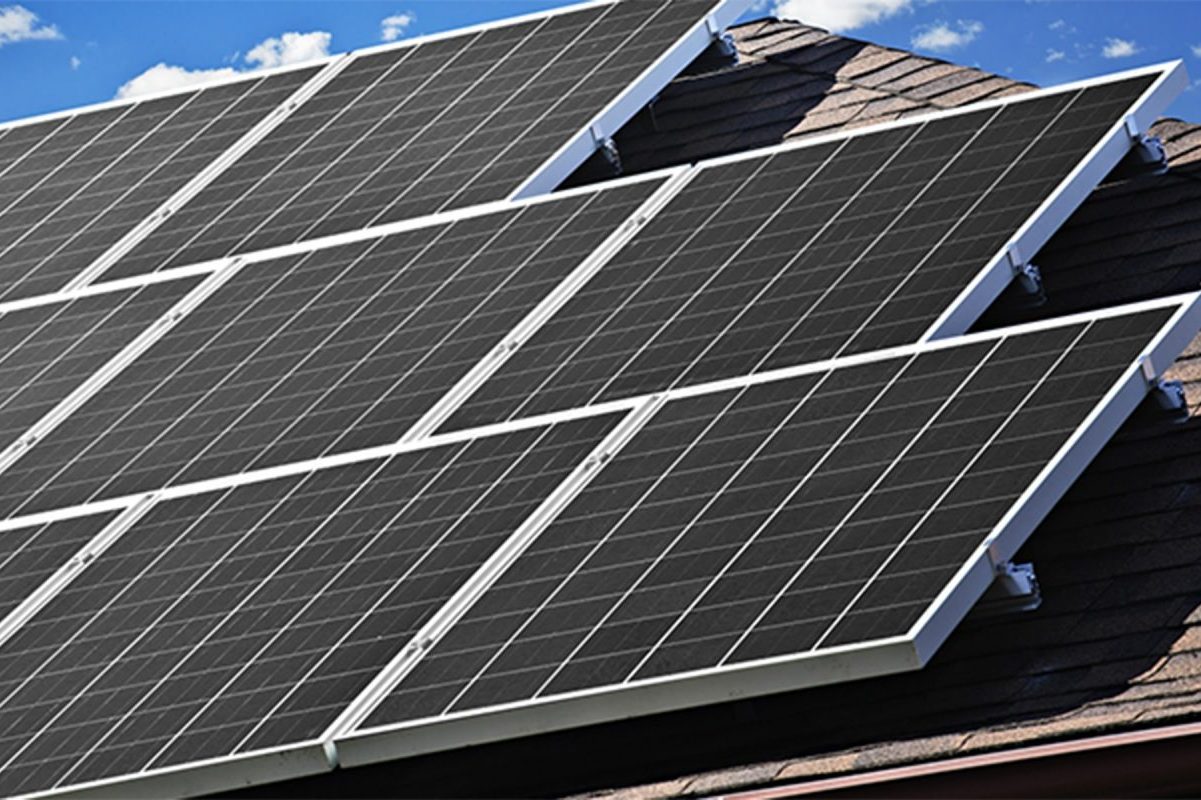
Solar panels today convert up to 23% of sunlight into electricity—nearly double the efficiency of systems from just 15 years ago. If you’re wondering whether to invest now or wait for the “next big breakthrough,” here’s what you need to know: modern solar technology has already arrived, and waiting costs you real money every month you continue paying your utility company.
The question isn’t really whether solar is improving—it absolutely is. The better question is whether current technology is good enough to make financial sense for your home right now. The answer is a resounding yes. Today’s panels last 25-30 years with minimal degradation, installation costs have dropped by over 70% since 2010, and most homeowners see their systems pay for themselves within 6-10 years through energy savings.
Here’s the reality: solar technology will always be improving. Researchers are constantly developing more efficient panels, better storage solutions, and smarter energy management systems. But waiting for “perfect” technology means throwing away thousands of dollars in potential savings. The systems available today are proven, reliable, and financially sound investments that start saving you money from day one.
This article breaks down exactly how solar technology has evolved, where it stands today, and most importantly—how to decide if now is the right time for you to make the switch. You’ll discover why the “wait and see” approach often costs more than it saves.
How Solar Panel Efficiency Has Changed (And Why You Should Care)
What Efficiency Really Means for Your Roof
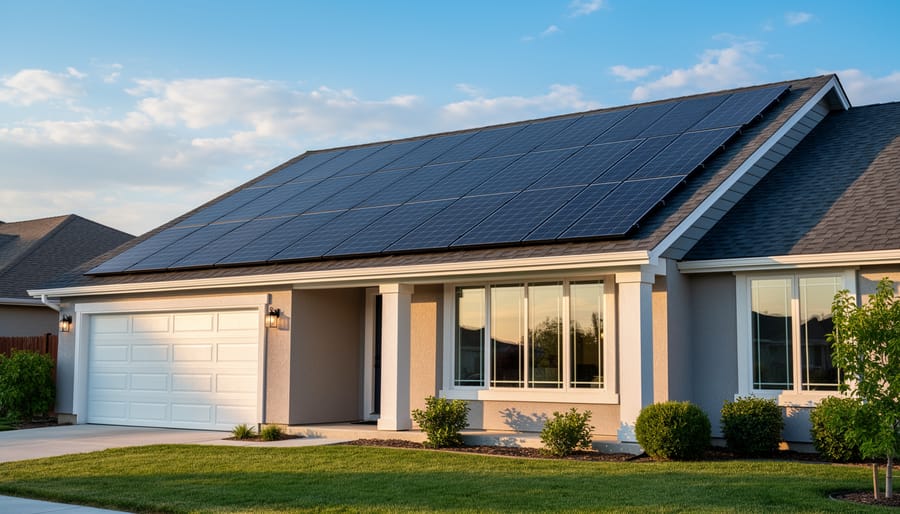
When we talk about solar panel efficiency, we’re simply measuring how much sunlight gets converted into usable electricity for your home. Think of it like a garden hose: a more efficient panel lets more energy “flow through” from the same amount of sunlight hitting your roof.
Here’s what this means in real numbers. A typical home solar panel from 2014 converted about 15-16% of sunlight into electricity. Today’s standard residential panels operate at 19-22% efficiency, with premium options reaching 23-24%. That might sound like a small jump, but it makes a significant difference in the real world.
Let’s say you have a 1,500 square foot roof. Ten years ago, you might have needed to cover most of that space to generate 6 kilowatts of power—enough for an average home. Today, that same 6-kilowatt system requires about 25-30% less roof space, leaving more room for future expansion or simply giving you options if your roof has shading issues or architectural features.
For homeowners, this efficiency boost means you can generate more power from the same footprint, or achieve your energy goals with fewer panels. Either way, you’re getting better performance and often better aesthetics, since fewer panels can mean a cleaner look. The bottom line: today’s systems produce substantially more electricity than systems from just five years ago, while often costing less per watt installed.
The Sweet Spot We’ve Reached Today
Here’s the good news: you don’t need to wait for tomorrow’s technology because today’s solar panels have already hit what experts call the “sweet spot” of performance and value. Modern systems routinely achieve 20-22% efficiency, compared to just 12-15% a decade ago. This means you’ll generate significantly more power from the same roof space while paying less per watt than ever before.
The new solar panel technologies available today combine proven reliability with impressive returns on investment. Most homeowners see their systems pay for themselves within 6-10 years, then enjoy free electricity for another 15-20 years beyond that. Plus, current panels are built to last, with manufacturers typically offering 25-year performance warranties.
What makes this the sweet spot? Today’s technology is mature enough to deliver consistent results without being experimental or unproven. Prices have dropped dramatically while quality has soared. Waiting for the next breakthrough means losing money on electricity bills every month, and there’s no guarantee future technology will offer substantially better value than what’s available right now.
Solar Panels Last Longer Than Ever Before
Better Materials Mean Decades of Reliable Power
Today’s solar panels are built to withstand whatever Mother Nature throws at them, and they’re designed to last far longer than earlier models. Manufacturers now use tempered glass that can handle golf ball-sized hail, along with corrosion-resistant aluminum frames that won’t deteriorate in coastal areas or humid climates.
The internal components have improved dramatically too. Modern panels feature better encapsulation materials that protect delicate solar cells from moisture and temperature fluctuations. This means fewer failures over time and more consistent energy production throughout the year.
Most current solar panels come with 25-year performance warranties, but many continue producing electricity well beyond that timeframe. Some panels installed in the 1980s are still generating power today, and modern versions are expected to last even longer thanks to superior materials and construction techniques.
The bottom line? When you invest in solar panels today, you’re getting a product engineered for durability. These aren’t fragile gadgets that need constant maintenance. They’re weather-tested workhorses designed to deliver reliable, clean energy for decades with minimal upkeep beyond occasional cleaning.
Warranties That Actually Protect Your Investment
Here’s some good news that makes going solar less risky than ever: modern warranties have gotten substantially better over the past decade. Most quality solar panels now come with 25-year performance warranties, guaranteeing they’ll still produce at least 80-85% of their original output after a quarter century. That’s a massive improvement from the 10-15 year warranties common just years ago.
Even better, many manufacturers now offer separate 25-year product warranties covering defects and workmanship. This dual protection means you’re covered both for how well your panels perform and their physical durability. Inverter warranties have also improved dramatically, with many premium models now offering 12-25 year coverage compared to the 5-10 years that was standard previously.
What does this mean for you? Simply put, manufacturers are so confident in their technology that they’re willing to back it for decades. This isn’t just marketing talk—these companies have financial skin in the game. When you invest in solar today, you’re getting equipment that’s proven reliable enough for manufacturers to guarantee its performance well into the future. That’s peace of mind you can bank on.
Today’s Panels Work Better in Real-World Conditions
Cloudy Days Don’t Mean Zero Power Anymore
Remember when solar panels only worked well on perfectly sunny days? Those days are behind us. Modern solar panels have become remarkably efficient at capturing energy even when clouds roll in, thanks to advanced photovoltaic cell technology.
Here’s what’s changed: today’s panels can convert diffuse sunlight into usable electricity much more effectively than older models. While a cloudy day might reduce output by 40-60% compared to full sun, your panels are still generating power and savings. In fact, solar systems in notoriously overcast cities like Seattle and Portland deliver solid returns for homeowners year after year.
The improvement comes from better cell materials and anti-reflective coatings that capture a broader spectrum of light. This means your panels work during morning fog, overcast afternoons, and even on those drizzly days that used to mean zero production.
The practical benefit? You’re generating electricity during more hours of the day, making your investment more reliable and predictable. You don’t need to live in the desert to benefit from solar anymore. If you see daylight, your modern panels are working for you.
Hot Roofs and Shady Spots Are Less of a Problem
Remember when solar panels only worked well under perfect conditions? Those days are behind us. Modern solar technology has made impressive strides in handling two of the biggest environmental challenges: extreme heat and shade.
Here’s something that might surprise you: solar panels actually lose efficiency when they get too hot. Older panels could lose up to 25% of their power output on scorching summer days. Today’s panels feature dramatically improved temperature coefficients, meaning they maintain strong performance even when your roof feels like a frying pan. Most quality panels now lose only 0.3% to 0.4% efficiency per degree above standard testing conditions, compared to 0.5% or more in older models. That difference adds up to significant energy production over a 25-year lifespan.
Shade management has also seen remarkable improvements. Previous solar systems would experience dramatic power drops if even one panel caught shadow from a tree branch or chimney. Modern systems use microinverters or power optimizers that allow each panel to work independently. This means a shaded panel no longer drags down your entire system’s performance.
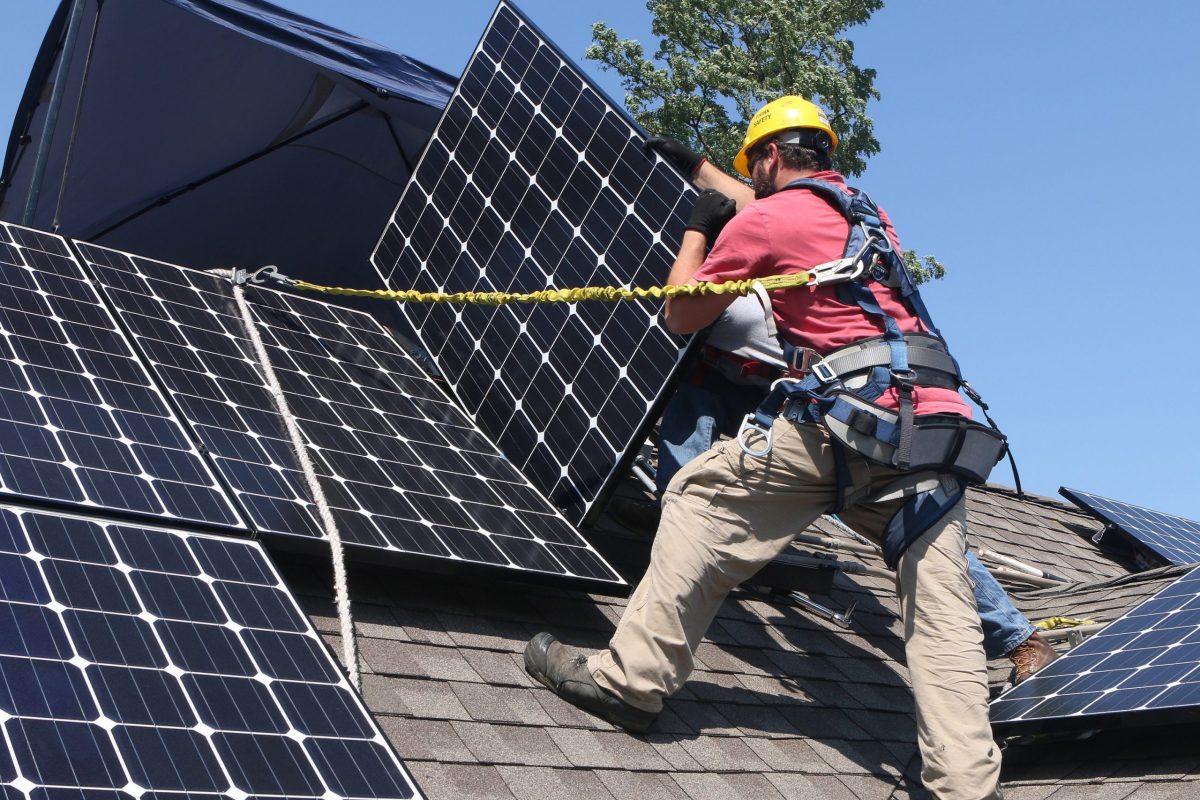
These advancements make solar viable for more homes than ever before. Even if your roof isn’t perfectly positioned or you have some afternoon shade, you can still generate substantial energy savings. Working with experienced installers who understand these technologies will help you maximize your system performance regardless of your home’s unique conditions.
Installation and Design Technology Has Gotten Smarter
Custom Systems Designed for Your Exact Roof
Gone are the days of one-size-fits-all solar installations. Today’s solar companies use sophisticated design software that creates custom systems perfectly matched to your specific roof. These advanced tools analyze your roof’s unique characteristics, including its angle, direction, and any shading from nearby trees or buildings.
The software maps out exactly where each panel should go to capture the most sunlight throughout the year. It accounts for your home’s energy usage patterns and can even predict how much electricity you’ll generate month by month. This precision means you get a system sized just right for your needs, nothing more and nothing less.
What makes this especially valuable is that it eliminates guesswork. Your installer can show you detailed projections of your system’s performance before a single panel goes up. You’ll know your expected savings, payback period, and energy production with remarkable accuracy. This level of customization ensures you’re investing in a system that truly works for your home, making modern solar installations far more efficient and cost-effective than systems installed even five years ago.
Real-Time Monitoring Puts You in Control
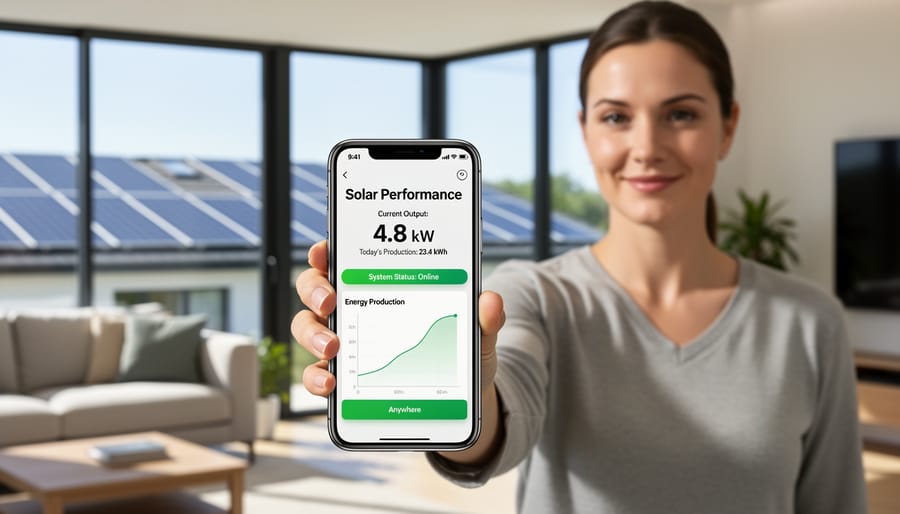
Gone are the days when you’d simply flip a switch and hope your solar panels were working efficiently. Today’s smart monitoring systems give you complete visibility into your energy production, right from your smartphone.
Modern solar installations come with user-friendly apps that show you exactly how much electricity you’re generating in real-time, how much you’re using, and how much money you’re saving. You can see which appliances consume the most power and adjust your habits accordingly. Running the dishwasher when the sun is shining? You’ll watch those savings add up instantly.
These monitoring systems also alert you to any performance issues immediately, so you can address problems before they impact your savings. Many homeowners discover they can shift energy-intensive tasks to peak sunlight hours, maximizing their solar investment.
This level of control was unimaginable just a decade ago. Now it’s standard with most quality solar installations, putting the power of optimization literally in your hands.
Energy Storage Solutions Have Transformed the Game
Batteries Are More Affordable and More Powerful
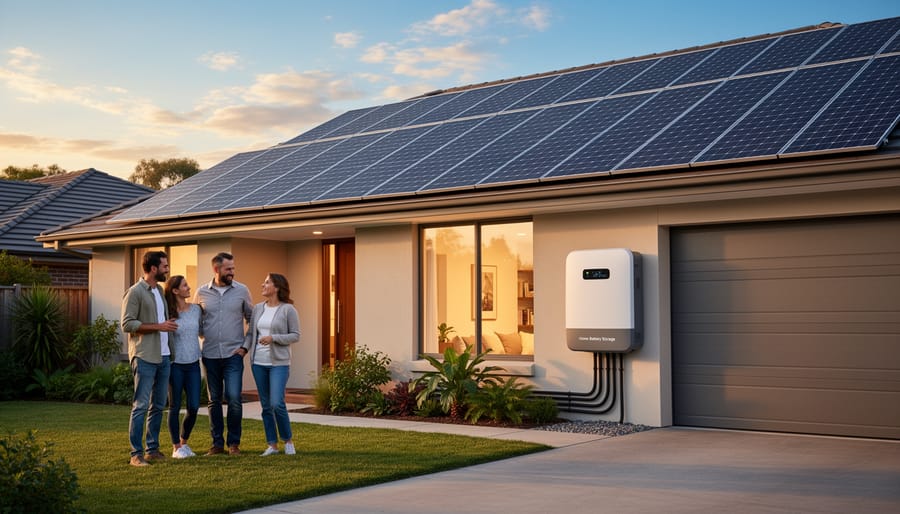
Battery technology has transformed dramatically in recent years, making solar energy storage more practical than ever before. Today’s lithium-ion batteries can store significantly more energy in a smaller space compared to models from just five years ago. This means you can power more of your home during evening hours or cloudy days without needing a massive battery system taking up your garage.
The cost improvements are equally impressive. Battery prices have dropped by roughly 90% since 2010, putting home energy storage within reach for average homeowners. What once required a luxury budget now fits comfortably into most solar installation plans. This price drop hasn’t come at the expense of quality either. Modern batteries last longer, charge faster, and require less maintenance than their predecessors.
For homeowners, this means genuine energy independence is now affordable. You can store excess solar power generated during sunny afternoons and use it when electricity rates peak in the evening. Some systems even provide backup power during outages, giving you peace of mind along with lower energy bills. The combination of better performance and lower costs makes battery storage a smart addition to any solar system today.
True Energy Independence Is Within Reach
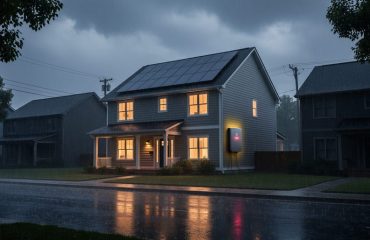
Modern battery storage has transformed solar from a daytime-only energy source into a round-the-clock power solution. Today’s lithium-ion batteries store excess solar energy generated during sunny hours, then automatically supply that power when the sun goes down or during cloudy weather. This means you can run your home on solar energy even at midnight.
The real game-changer is backup power capability. When the grid goes down, homes with solar and battery systems keep the lights on, refrigerators running, and essential devices charged. Recent technological improvements have made these systems more affordable and longer-lasting, with many batteries now guaranteed for 10-15 years.
You’re no longer dependent on utility companies for reliable power. Instead, you become your own mini power plant, generating and storing clean energy on your property. This independence protects you from rising electricity rates and provides peace of mind during emergencies. With current battery technology, going solar means genuine energy security for your household, not just lower bills.
Should You Wait for Even Better Technology?
The “wait for better technology” mindset sounds logical, but it’s actually costing you money every single month. Here’s why waiting doesn’t make financial sense anymore.
Solar technology has reached a maturity point where improvements are now incremental rather than revolutionary. Think of it like smartphones—today’s models are excellent, and while next year’s version might be slightly better, you’d miss out on a year of usefulness by waiting. The same applies to solar panels.
Every month you delay is another electricity bill you’re paying in full. If your current monthly bill is $150, waiting just one year costs you $1,800 in lost savings. Meanwhile, those incremental efficiency improvements might only translate to a few percentage points of additional output—hardly enough to offset what you’re losing by continuing to pay your utility company.
The financial incentives available today also matter significantly. Federal tax credits and state rebates exist right now, but there’s no guarantee they’ll remain at current levels. In fact, some incentives have already begun phasing down. Waiting could mean missing out on thousands of dollars in available support for financing your solar investment.
Current solar panels typically come with 25-year warranties and will continue producing clean energy for decades. Even if panels become 5% more efficient in three years, your system installed today will still deliver substantial savings over its lifetime.
The best time to go solar was yesterday. The second-best time is today. The technology is proven, reliable, and cost-effective right now.
The evidence is clear: solar technology has improved dramatically over the past decade, and today’s systems deliver exceptional performance that makes them a smart investment right now. Modern solar panels are more efficient, more durable, and more affordable than ever before, while incentives like the federal tax credit provide immediate financial benefits that won’t last forever.
Waiting for the “perfect” technology means losing money every month you continue paying high electricity bills. Current solar systems are already so advanced that they typically pay for themselves within 6-10 years and then provide free electricity for decades afterward. The technology available today is more than capable of meeting your energy needs while significantly reducing your carbon footprint.
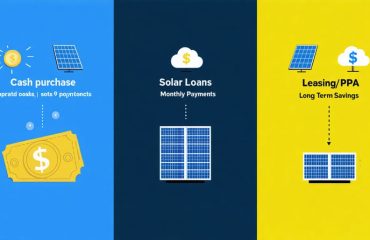
The financial case for going solar now is compelling. Between rising electricity rates, available tax credits, and options like zero down solar programs, homeowners can start saving from day one without waiting years for marginal technological improvements. Every month you delay is another month of missed savings and continued reliance on fossil fuels.
If you’ve been considering solar, now is an excellent time to explore your options. Get quotes from reputable installers, compare financing options, and see how much you could save. The technology is ready, the incentives are available, and your home could be generating clean, affordable energy sooner than you think.