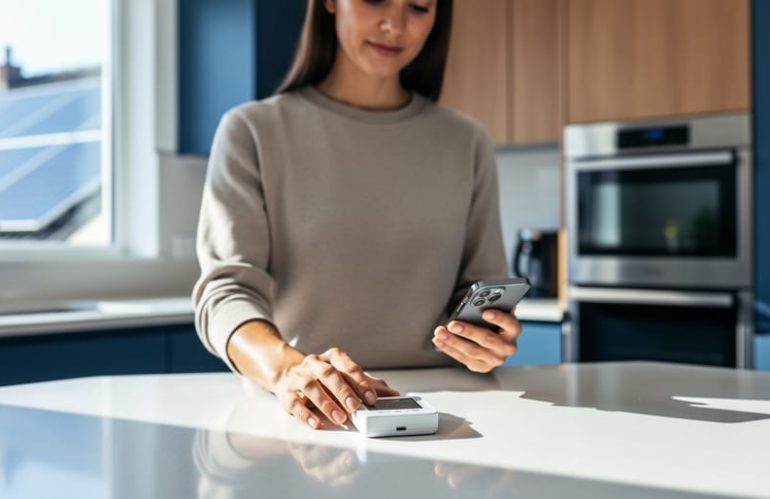
Your electricity bill tells you what you owe, but not why you owe it. That’s the fundamental problem most homeowners face when trying to cut energy costs. Without knowing which appliances drain the most power or when your consumption spikes, you’re essentially flying blind with your monthly budget.
Monitoring energy consumption transforms this guesswork into clarity. By tracking how much electricity your home uses in real-time, you gain the insight needed to make smarter decisions about when to run appliances, which devices to replace, and whether upgrades like better insulation or energy-efficient windows will actually pay off. The process is simpler than most people think, requiring nothing more than a smart meter or plug-in monitor that displays your usage on a smartphone app.
The financial benefits are immediate and measurable. Homeowners who monitor their energy consumption typically reduce their bills by 10-15% in the first year, often without making any major purchases. You’ll discover that your old refrigerator might cost more to run than replacing it, or that adjusting your thermostat by just two degrees during peak hours saves substantial money over time.
Beyond the cost savings, monitoring reveals whether solar panels or battery storage make financial sense for your specific usage patterns. Understanding your consumption baseline is the essential first step toward both reducing waste and investing wisely in renewable energy solutions that match your household’s actual needs.
What Energy Monitoring Actually Means for Your Home
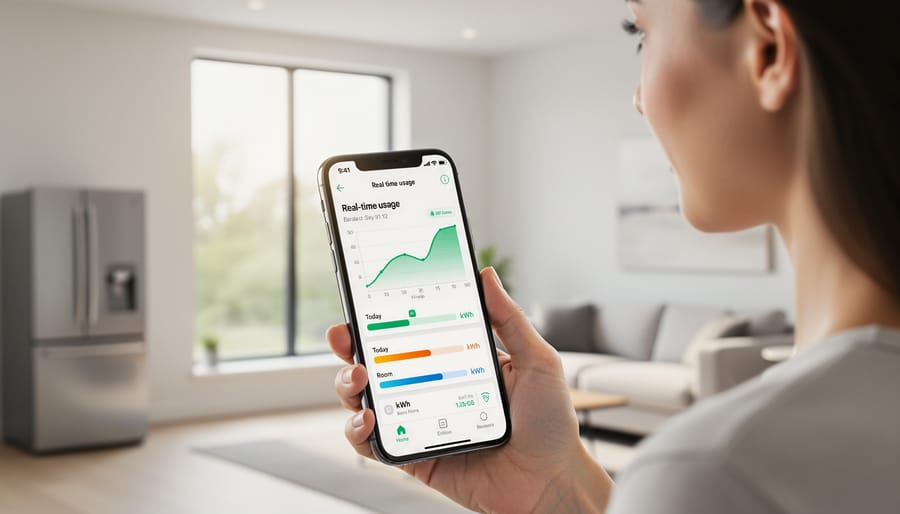
Real-Time vs. Historical Data: Why Both Matter
Think of energy monitoring as having two helpful perspectives on your home’s electricity use. Real-time data shows you exactly what’s happening right now, while historical data reveals patterns that emerge over weeks and months. Both views work together to give you complete control over your energy consumption.
Real-time monitoring is like having a fitness tracker for your home. When you turn on your air conditioner, you immediately see your energy use spike. This instant feedback helps you make smarter decisions in the moment. You might discover that running your dishwasher during peak hours costs significantly more than waiting until evening, or that your space heater draws far more power than you realized. Many homeowners find this immediate visibility surprisingly motivating, making it easier to stick to energy-saving habits.
Historical data, on the other hand, tells the bigger story. By tracking your consumption over months, you can identify seasonal trends, spot unusual increases that might indicate equipment problems, and measure whether your efficiency improvements are actually working. This long-term view helps you set realistic reduction goals and proves the financial impact of changes you’ve made.
Together, these perspectives empower you to save money both today and tomorrow. Real-time data catches energy waste as it happens, while historical tracking ensures your overall consumption trends downward. For homeowners considering solar panels, historical data becomes especially valuable for sizing your system correctly and maximizing your return on investment.
What Gets Measured (And What That Tells You)
When you start monitoring your energy use, you’ll encounter a few key numbers that paint a clear picture of where your electricity goes. Think of these metrics as your energy story, told through data that’s easier to understand than you might expect.
Kilowatt-hours (kWh) form the backbone of energy measurement. This is simply the amount of electricity you use over time—the same unit that appears on your utility bill. If you run a 100-watt light bulb for 10 hours, that’s one kilowatt-hour. Your monitoring system tracks these for individual appliances and your whole home, showing you exactly which devices are the energy hogs.
Peak usage times reveal when your home demands the most electricity. Many households see spikes during morning routines and evening hours when everyone’s home cooking, watching TV, and running appliances simultaneously. Understanding these patterns helps you shift some activities to off-peak times, potentially saving money if your utility offers time-of-use rates.
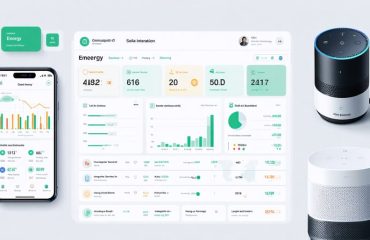
Appliance-level consumption breaks down your energy use device by device. You might discover that your old refrigerator uses more electricity than your air conditioner, or that phantom power from devices on standby mode adds up to real costs. This granular view turns abstract concepts into actionable insights—no engineering degree required. The beauty of modern monitoring systems is they translate all this information into simple dashboards and charts that make sense at a glance.
The Eye-Opening Benefits You’ll Experience Immediately
Spotting Energy Vampires Draining Your Wallet
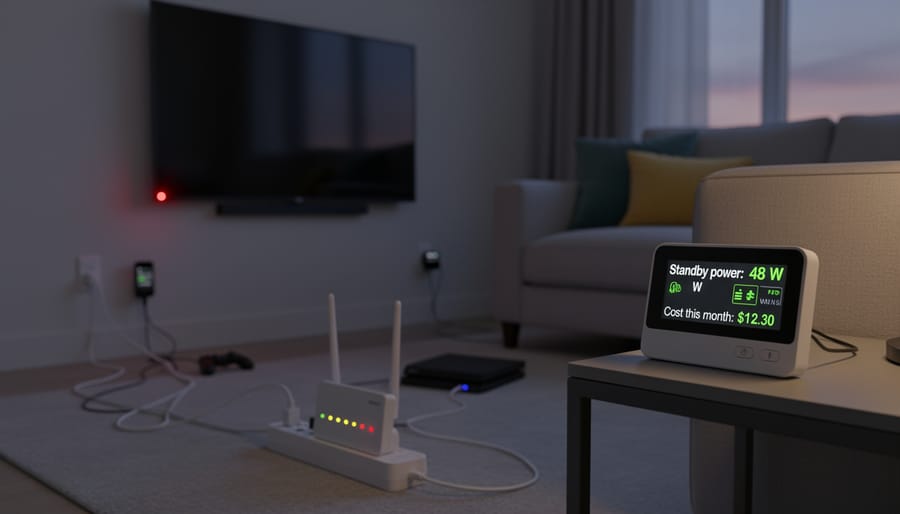
You might be surprised to discover that your wallet is quietly draining even when you think your appliances are off. Energy monitoring can reveal these hidden culprits in eye-opening ways. That old refrigerator in the garage, for instance, could be consuming three times more electricity than your modern kitchen model, costing you an extra $15-20 monthly. Meanwhile, devices on standby mode—your cable box, gaming console, and coffee maker with digital displays—collectively draw phantom power that adds up to roughly 10% of your electric bill.
Real monitoring data often reveals unexpected patterns too. Many homeowners discover their pool pump runs far longer than necessary, or that leaving phone chargers plugged in creates a constant trickle of wasted energy. One common surprise is the energy-hungry second freezer that’s half-empty but fully operational year-round. By identifying these specific energy vampires through monitoring, you can make targeted changes that immediately impact your monthly costs. The good news? Once you spot these patterns, the fixes are usually simple—unplug unused appliances, adjust timer settings, or upgrade the biggest offenders—and the savings begin instantly.
Making Smarter Decisions About Solar Investment
Understanding exactly how much energy your household uses throughout the day is the secret to making smart solar investment choices. When you monitor your consumption patterns over time, you’ll discover your actual energy needs rather than guessing based on average estimates. This data reveals whether a smaller, more affordable solar system might meet your needs perfectly, or if you’d benefit from a larger installation.
Many homeowners overspend on unnecessarily large solar arrays or miss out on savings by installing systems that are too small. By tracking when you use the most electricity—perhaps during morning and evening peaks—you can work with solar installers to design a system that matches your lifestyle. You’ll also identify opportunities to shift high-energy activities to sunnier hours, maximizing the electricity you generate and use directly from your panels rather than drawing from the grid.
The financial benefits are clear: right-sized systems cost less upfront, deliver better returns on investment, and typically pay for themselves faster. Plus, understanding your baseline consumption helps you measure the actual savings your solar panels generate, turning abstract environmental benefits into concrete dollars back in your pocket each month.
Catching Problems Before They Cost You
Your energy monitor acts like an early warning system for your home, catching costly problems before they drain your wallet. When you notice unusual spikes or persistent increases in consumption, it’s often your first clue that something’s gone wrong. A refrigerator working overtime due to a failing seal, a water heater that’s lost efficiency, or an HVAC energy efficiency issue can all show up as unexpected patterns in your energy data. By spotting these red flags early, you can schedule repairs before minor issues become major expenses. Think of it as your home telling you exactly what it needs, when it needs it—potentially saving you hundreds or even thousands of dollars in emergency repairs and wasted energy.
How Modern Energy Monitoring Systems Work
Smart Meters and Home Energy Monitors
Understanding your energy usage starts with the right monitoring tools. Smart meters, typically installed by your utility company at no extra cost, automatically track your overall home electricity consumption and send that data directly to your provider. This eliminates estimated bills and gives you access to basic usage information through your utility’s online portal. However, smart meters show you the big picture without much detail about which appliances or activities drive your energy costs.
Home energy monitors take things further by providing real-time, detailed insights into your consumption patterns. These add-on devices connect to your electrical panel and display second-by-second energy use on a smartphone app or dedicated screen. You’ll see exactly when your energy spikes occur and can identify energy-hungry appliances, phantom loads, and wasteful habits. Many integrate with smart home automation systems for even greater control. While smart meters provide the foundation, dedicated monitors empower you to make informed decisions that translate directly into lower bills and a smaller carbon footprint.
Solar System Monitoring: Your Production Dashboard
Modern solar panel systems come with a powerful advantage: comprehensive monitoring built right in. When you install solar panels, you’re not just getting a source of clean energy—you’re getting a complete energy dashboard that puts you in control like never before.
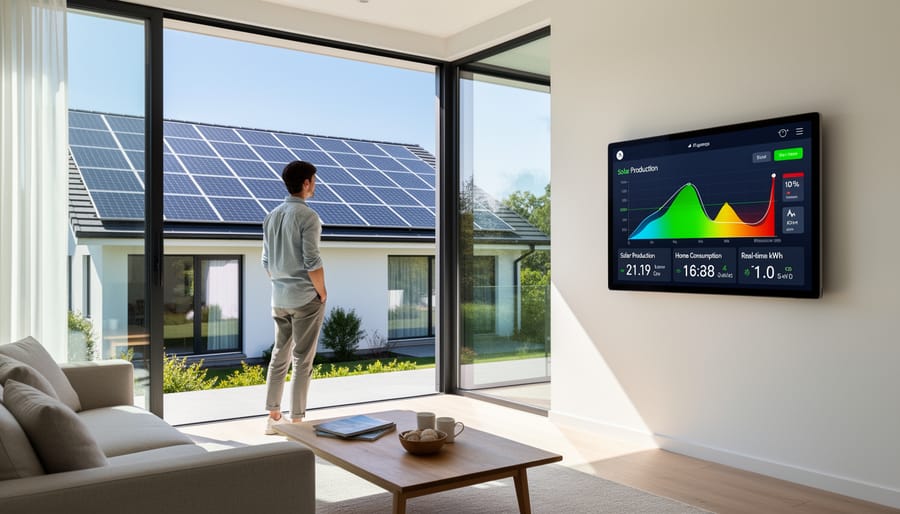
Your solar monitoring system displays three essential metrics in real-time: how much energy your panels are producing, how much your home is consuming, and your net usage (the difference between the two). Most systems present this information through user-friendly apps you can check from your smartphone, tablet, or computer. No complicated spreadsheets or confusing charts—just straightforward numbers that tell you exactly what’s happening with your energy.
The beauty of solar monitoring is how it transforms abstract concepts into concrete data. You’ll see your panels generating power on sunny days, watch your consumption patterns throughout the week, and know immediately whether you’re sending excess energy back to the grid or drawing from it. Many homeowners describe it as finally having visibility into something that was previously invisible.
This instant feedback loop naturally encourages smarter energy habits. When you can see exactly how running your dishwasher affects your net usage, you’re more likely to shift that task to peak production hours. It’s not about sacrifice—it’s about making informed choices that maximize your solar investment and minimize your electric bills.
Turning Data Into Dollars: Practical Ways to Use Your Energy Insights
Shifting Your Usage to Save Money
Once you’ve identified your home’s energy patterns, you can strategically shift certain activities to off-peak hours when electricity rates are typically lower. Your monitoring data will reveal which appliances consume the most energy and when your household uses power most heavily.
Start by looking for your biggest energy users—often clothes dryers, dishwashers, electric water heaters, and pool pumps. Many utility companies offer time-of-use rates that charge less during evening and nighttime hours. By running your dishwasher after 9 PM or doing laundry on weekends, you can take advantage of these lower rates without changing your lifestyle significantly.
Your energy monitor shows you exactly how much each shift saves, making it easy to develop energy-saving habits that stick. Some homeowners save 20-30% on their bills simply by rescheduling high-energy tasks to off-peak times.
The good news? Modern appliances often have delay-start features that automate this process. Set your dishwasher to run at midnight or program your EV charging for overnight hours. Your monitoring system confirms the savings in real-time, giving you immediate feedback on your smart scheduling decisions.
Optimizing Your Solar Panels’ Performance
Monitoring your solar panels goes beyond tracking home energy use—it’s essential for ensuring your system performs at its best. Most modern solar energy solutions include real-time monitoring that shows exactly how much electricity your panels generate throughout the day. This transparency helps you quickly spot when something’s not quite right.
The most common culprits behind underperforming panels are surprisingly simple: accumulated dirt, fallen leaves, or new shading from growing trees. Your monitoring system acts as an early warning system, alerting you when production drops below expected levels. Instead of losing months of potential energy savings, you’ll catch issues within days.
Many homeowners discover that a simple panel cleaning can boost output by 15-20 percent. Monitoring also helps you track seasonal patterns, so you’ll know whether lower winter production is normal or signals a problem requiring professional attention. Think of it as a health checkup for your investment—keeping your panels working efficiently means maximizing your energy bill savings and getting the full return you deserve.
Setting Goals and Tracking Progress
Once you’ve gathered a few months of energy data, you’re ready to set meaningful reduction goals. Review your historical usage to identify your baseline—this is simply your typical monthly or seasonal consumption before making any changes. Look for patterns like high usage during specific months or times of day, which reveal your best opportunities for savings.
Start with achievable targets, such as reducing consumption by 10-15% over the next quarter. Breaking larger goals into smaller milestones keeps you motivated and makes progress feel tangible. As you implement efficiency improvements—whether switching to LED bulbs, adjusting your thermostat, or upgrading appliances—your monitoring system becomes a powerful feedback tool that shows exactly how much difference each change makes.
The real magic happens when you can see your efforts paying off in real-time. Watching your daily usage drop after installing a programmable thermostat or seeing lower nighttime consumption validates your investments and often inspires further action. Many homeowners discover they save 20-30% annually once they start tracking consistently, turning what seemed like small adjustments into significant financial benefits that add up month after month.
Busting Common Myths About Energy Monitoring
“It’s Too Complicated for Regular Homeowners”
Gone are the days when energy monitoring meant deciphering complex electrical diagrams or installing complicated equipment. Today’s energy monitors are designed with you in mind—not engineers. Most systems feature simple smartphone apps with colorful charts that show your energy use at a glance, similar to checking your bank balance. Installation is straightforward too: many plug directly into your electrical panel or even into a regular outlet, requiring no special tools or knowledge. The interfaces use everyday language instead of technical jargon, displaying information like “your air conditioner used $4.50 today” rather than confusing kilowatt-hour readings. If you can use a smartphone or check email, you already have all the skills needed to monitor your home’s energy consumption effectively and start saving money immediately.
“You Need Solar Panels to Benefit”
Here’s a common misconception: energy monitoring is only worthwhile if you already have solar panels installed. The truth is, tracking your home’s energy consumption delivers valuable savings whether you have solar or not. In fact, monitoring before considering solar can be incredibly smart. By understanding exactly when and how you use electricity, you’ll spot wasteful habits, identify energy-hungry appliances, and make informed decisions that lower your monthly bills immediately. Studies show homeowners who monitor their usage reduce consumption by 5-15% through simple behavioral changes alone. Think of it as getting financial insights into an expense you’re already paying. Solar panels are a fantastic investment down the road, but you don’t need them to start saving money today through smarter energy awareness.
“The Data Doesn’t Really Change Anything”
Studies consistently show that simply seeing your energy data changes behavior. Households with real-time monitoring reduce consumption by 5-15% on average without making any equipment upgrades. Why? Because awareness creates accountability. When you notice the meter spike after leaving lights on or running the AC constantly, you naturally adjust. It’s like stepping on a scale daily versus monthly—the frequent feedback loop motivates better choices. The data transforms from passive numbers into a personalized action plan, translating directly into lower bills and a smaller carbon footprint. That’s not just information; that’s measurable impact.
Knowledge is power, especially when it comes to your energy consumption. By monitoring how and when you use electricity, you’re no longer in the dark about those mysterious monthly charges. You gain the insight needed to make smarter decisions, spot wasteful habits, and watch your savings grow with each informed choice you make.
The beauty of energy monitoring is that it meets you where you are. Whether you start with a simple smart plug or invest in a whole-home monitoring system, you’re taking control of your energy future. The data becomes your roadmap, showing you exactly where improvements will make the biggest impact on your wallet and the environment.
Here’s the exciting part: once you understand your consumption patterns, you’re perfectly positioned to explore solutions that go beyond just cutting back. Many homeowners discover that solar energy becomes the logical next step. When you know how much power you use and when you use it most, you can make informed decisions about renewable energy that truly fits your lifestyle. Solar panels paired with energy monitoring create a powerful combination that maximizes both your savings and your independence from rising utility costs.
The first step is simply starting. Check your utility provider’s website for free monitoring tools, download an energy tracking app, or pick up an affordable monitoring device. Your future self will thank you for the savings, and you’ll feel great knowing you’re making a positive environmental impact along the way.