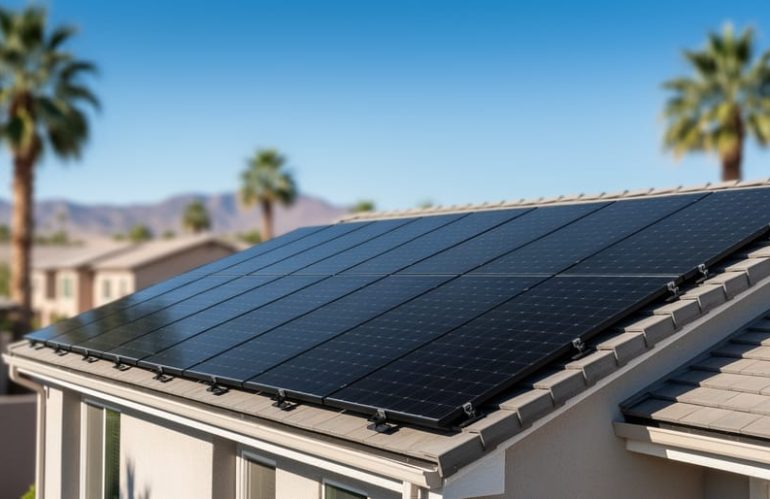
Solar panels have evolved, and n-type technology represents the most efficient option available for residential installations today. Unlike conventional p-type panels that dominate 85% of the market, n-type panels resist degradation better, perform stronger in heat, and maintain higher efficiency over their 25-30 year lifespan.
The difference comes down to how these panels are manufactured at the molecular level. N-type cells use phosphorus-doped silicon that resists light-induced degradation, a common problem that reduces conventional panel output by 2-3% in the first year alone. This translates to more electricity generation from day one and significantly higher energy production over decades.
For homeowners, this matters in three specific situations: if you live in hot climates where temperatures regularly exceed 77°F, if your roof space is limited and you need maximum output per square foot, or if you plan to stay in your home long-term and want panels that maintain 90% efficiency after 25 years instead of 80%.
The technology isn’t new or experimental. It’s simply been refined to the point where the performance benefits now justify the 10-15% price premium for certain applications. Understanding whether n-type panels make financial sense for your situation requires looking beyond the initial cost to total energy production over time.
What Makes N-Type Solar Panels Different (In Plain English)
Think of solar panels as having two different recipes for catching sunlight and turning it into electricity. Traditional p-type panels have been the standard for decades, while n-type panels represent a newer approach that changes the fundamental building blocks.
The difference comes down to how silicon, the main material in solar panels, is prepared. Both types start with pure silicon, but they add different ingredients to make it work. P-type panels add boron, which creates positively charged spaces (think of them as empty parking spots waiting to be filled). N-type panels add phosphorus instead, creating extra electrons (imagine having more cars than parking spots).
Here’s what this means for your home: n-type panels handle real-world conditions better. They’re more resistant to heat, which matters because panels can reach 150°F on your roof during summer. While traditional panels lose efficiency as they heat up, n-type panels maintain steadier performance throughout hot afternoons when you’re running your air conditioner.
N-type panels also resist a common aging issue called light-induced degradation. Traditional panels can lose several percentage points of efficiency during their first year in the sun. N-type panels skip most of this initial decline, meaning you get more consistent energy production from day one.
When it comes to solar panel integration with your home’s electrical system, n-type panels offer another advantage: they perform better in low-light conditions like cloudy days or early morning hours. This translates to more usable electricity throughout the year, not just during peak sunshine.
The bottom line? N-type panels deliver more reliable, consistent power over their lifetime, which means better returns on your investment.
Where N-Type Panels Shine: Special Home Applications
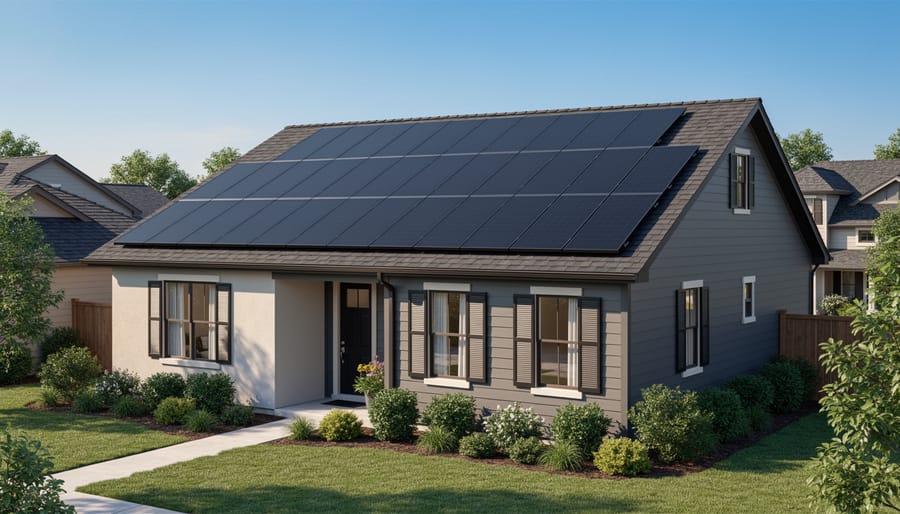
Homes in Hot Climates: Better Performance When It Matters Most
If you live somewhere with blazing summers, here’s some good news: n-type solar panels actually perform better when the mercury rises. While all solar panels lose some efficiency in extreme heat, n-type technology has a lower temperature coefficient than traditional p-type panels. In everyday terms, this means your panels keep producing closer to their rated output even during those brutal 95-degree afternoons.
Why does this matter for your wallet? Summer is precisely when your air conditioning is running full blast and your electricity bills spike. This is when you need your solar panels working their hardest, and n-type panels deliver. While a standard panel might drop to 85% efficiency on a scorching day, n-type panels typically maintain around 90% or better. That difference translates to real dollars saved during peak cooling season.
For homeowners in the Sun Belt states like Arizona, Texas, Florida, or Southern California, this heat tolerance can mean an extra 3-5% annual energy production compared to conventional panels. Over a 25-year lifespan, those percentage points add up to significant savings. You’re essentially getting more power exactly when electricity costs the most, maximizing your return on investment. If your roof bakes in the sun for months on end, n-type technology ensures you’re squeezing every possible kilowatt from those conditions.
Limited Roof Space: Getting More Power from Less Area
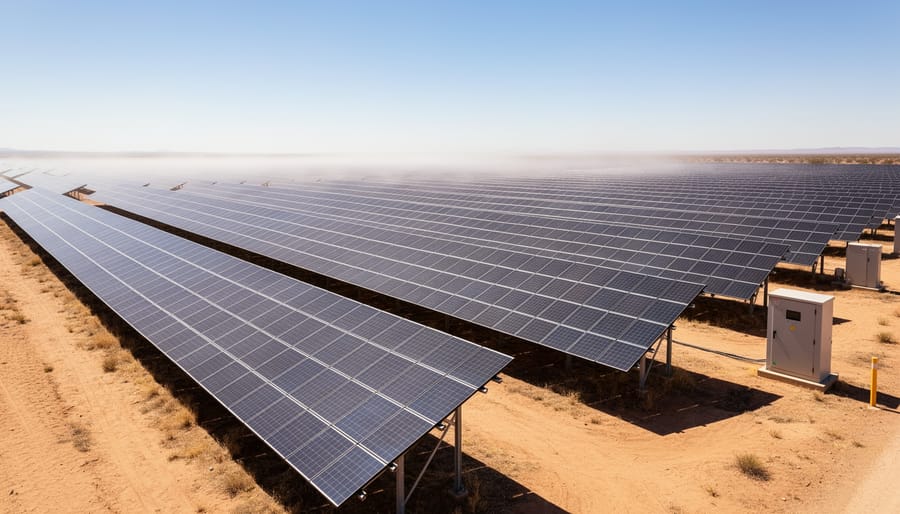
Not every home has acres of unobstructed roofline, and that’s where n-type solar panels really shine. If you’re working with a smaller roof, a complicated layout, or areas with partial shade from nearby trees or chimneys, n-type technology helps you generate more electricity from whatever space you do have available.
Here’s the simple math: standard panels typically convert 18-20% of sunlight into electricity, while n-type panels often reach 22-24% efficiency or higher. That means you can produce the same amount of power with fewer panels. For a home with limited roof space, this could be the difference between meeting 60% of your energy needs versus 80% or more.
This advantage becomes especially valuable when designing your solar system around obstacles like skylights, vents, or sections that receive afternoon shade. Every panel needs to work harder when you can’t simply add more.
Real-world example: a homeowner with only 250 square feet of suitable roof space might install 8 standard panels producing around 3,200 watts, or 7 n-type panels producing 3,300 watts while leaving room for future expansion. You’re getting more power from less area, which maximizes your investment and your energy independence even when your roof isn’t perfect.
Long-Term Investment Properties: Panels That Last Longer
When you’re investing in solar panels, you’re making a decision that will impact your home for decades to come. This is where n-type panels truly shine as the smarter long-term choice.
Traditional p-type solar panels typically lose about 0.7% to 1% of their efficiency each year. That might not sound like much, but over 25 years, it adds up to a significant performance drop. N-type panels, on the other hand, degrade at roughly half that rate, usually around 0.3% to 0.5% annually. This means after 25 years, your n-type system will still be producing considerably more electricity than a comparable p-type system of the same age.
Here’s what this means for your wallet: if you’re planning to stay in your home for the long haul, n-type panels will generate thousands of additional kilowatt-hours over their lifetime. That translates directly into greater savings on your energy bills year after year. Even if you decide to sell your home, the superior performance record of n-type panels adds real value to your property. Potential buyers increasingly recognize that homes with high-performing solar systems are more valuable investments.
The durability advantage also means fewer worries about performance warranties. Most n-type manufacturers confidently offer 30-year warranties compared to the standard 25-year coverage, because they know these panels maintain their output reliably.
Think of it this way: you wouldn’t buy a car expecting it to lose significant power every year. Your solar investment deserves the same long-term reliability. N-type technology delivers that peace of mind, ensuring your panels work as hard on year 25 as they did on day one.
The Real Benefits for Your Home and Wallet
Let’s cut through the technical details and talk about what n-type solar panels actually mean for your household budget and daily life. The improvements these panels offer translate directly into real financial advantages that add up over time.
First and most importantly, your electricity bills will stay lower for longer. Because n-type panels maintain their efficiency better over decades, they continue producing strong power output when older panel types start to fade. This means the savings you calculate today won’t disappoint you fifteen or twenty years down the road. You’re essentially locking in consistent energy production that keeps delivering on its promise.
The warranty coverage that typically comes with n-type panels offers genuine peace of mind. Many manufacturers back these panels with 30-year performance guarantees instead of the standard 25 years, and they often promise higher retained efficiency at the end of that period. This isn’t just marketing fluff. It’s a manufacturer’s confidence in their product, and it protects your investment should anything go wrong.
Your home’s resale value gets a boost too. Prospective buyers increasingly understand solar technology, and they recognize quality installations. When your solar system uses premium panels that will keep performing efficiently for decades, that’s a selling point. Real estate agents report that homes with robust solar installations often command higher prices and sell faster than comparable properties.
Beyond the numbers, there’s something valuable about knowing you made a choice that works. If you live in a hot climate or have limited roof space, n-type panels help you maximize every square foot. You can explore various solar panel design options that combine aesthetics with performance, but choosing n-type technology means you’re prioritizing long-term reliability over short-term savings. For homeowners planning to stay in their homes or who value quality investments, that decision pays dividends in reduced maintenance concerns and sustained performance year after year.
Busting the Myths Around N-Type Solar Panels
Let’s clear up some common confusion about n-type solar panels that might be holding you back from making the best choice for your home.
First, the big one: “They’re too expensive for homeowners.” While n-type panels typically cost 10-15% more upfront than traditional p-type panels, this doesn’t tell the whole story. Think of it like buying a car with better fuel efficiency. You pay a bit more initially, but the superior performance and longer lifespan mean you’re actually saving money over time. With degradation rates as low as 0.25% per year compared to 0.5-0.8% for standard panels, your n-type system will produce significantly more electricity over 25-30 years. That translates directly into lower energy bills and faster payback on your investment.
Another myth: “N-type technology is only for commercial buildings.” Not true. Homeowners across the country are installing n-type panels, especially those with limited roof space who need maximum efficiency from every square foot. If you’ve got a smaller roof or deal with partial shading, n-type panels can actually be the more practical choice.
Finally, some worry that n-type panels are “too new and unproven.” Here’s the reality: n-type technology has been around since the 1990s and powers many industrial applications. Major manufacturers have spent decades perfecting it, and these panels often come with 25-30 year warranties because companies know they’ll last.
The bottom line? N-type panels aren’t some risky experiment. They’re a proven technology that’s becoming more accessible to homeowners who want the best long-term value and performance from their solar investment.
Is N-Type Right for Your Home?
The decision about n-type panels comes down to three simple questions about your situation.
First, consider your timeline. If you’re planning to stay in your home for 15 years or more, n-type panels make excellent financial sense. Their superior longevity means they’ll still be producing at high efficiency when standard panels have degraded significantly. You’ll harvest more energy over the panel’s lifetime, maximizing your return on investment.
Second, evaluate your available space. Have a small roof with limited sunny areas? N-type panels squeeze more electricity from every square foot, making them ideal when you can’t simply add more panels. This higher efficiency matters most when roof space is your limiting factor.
Third, think about your climate. Live somewhere with scorching summers? N-type panels handle heat better, maintaining stronger performance when temperatures soar and standard panels lose efficiency.
However, standard panels remain perfectly fine choices for many homeowners. If you have abundant roof space, plan to move within a decade, or are working with a tight budget, quality standard panels will serve you well. There’s no need to overspend on features you won’t fully utilize.
The sweet spot for n-type technology is homeowners with solar-ready infrastructure who view their panels as a long-term investment in their forever home. Consider your specific circumstances rather than chasing the latest technology for its own sake.
N-type solar panels represent an exciting advancement in solar technology, but they’re not necessarily the right choice for every home. The key takeaway is that these panels shine brightest in specific situations: homes in hot climates, properties with limited roof space, or for homeowners planning to stay in their houses long-term. If your situation doesn’t match these scenarios, traditional p-type panels can still deliver excellent performance and savings.
The most important step is evaluating your unique circumstances. Consider your local climate, available installation space, budget, and how long you plan to stay in your home. Don’t feel pressured to choose the most advanced technology if it doesn’t align with your actual needs. Instead, focus on working with quality solar installers who will assess your specific situation and recommend the best solution for your household.
The wonderful news is that solar technology continues to evolve rapidly, making clean energy more accessible and effective for homeowners every year. Whether you choose n-type panels or another option, you’re making a positive investment in your financial future and the environment. That’s something worth celebrating.