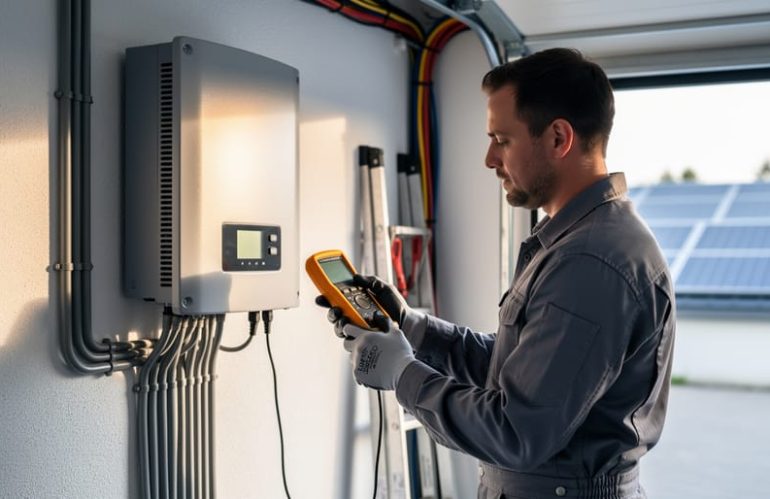
Monitor your inverter’s display panel weekly for error codes or unusual readings—catching issues early can prevent a minor glitch from becoming a $2,000 replacement. Most inverter problems announce themselves through warning lights, reduced energy production, or strange noises, giving you time to act before complete failure.
Schedule professional inspections annually, ideally before peak production seasons, to identify worn components, loose connections, and ventilation issues that compromise performance. Your inverter works hardest during summer months, so spring check-ups ensure maximum efficiency when you need it most.
Keep your inverter’s surrounding area clear of debris, dust, and obstructions that restrict airflow—overheating is the leading cause of premature inverter failure. A well-ventilated inverter can last 12-15 years instead of the 8-10 years typical for neglected units, protecting your solar investment.
Track your system’s daily energy output through your monitoring app or inverter display, establishing baseline performance levels. A sudden 10-15% drop in production often signals inverter issues before any visible warnings appear, allowing you to address problems while they’re still minor.
The truth about solar inverter longevity contradicts common myths: these systems don’t require constant repairs when properly maintained. Preventive care costs a fraction of emergency repairs and keeps your savings flowing uninterrupted. Think of inverter maintenance like changing your car’s oil—small, regular investments that prevent expensive breakdowns and extend equipment life by years.
What Your Solar Inverter Actually Does (And Why It Needs Care)
Think of your solar inverter as the hardworking translator of your solar system. Your panels collect sunlight and turn it into direct current (DC) electricity, the same type stored in batteries. But here’s the thing: your home runs on alternating current (AC) power. That’s where your inverter comes in, constantly converting that DC power into the AC electricity that keeps your lights on, your refrigerator running, and your devices charged.
This isn’t a one-and-done job, either. Your inverter is working every single moment the sun shines on your panels, processing electricity from sunrise to sunset. It’s essentially the brain of your solar setup, making thousands of tiny adjustments throughout the day to ensure you’re getting clean, usable power.
Because your inverter works so hard, it deserves some attention. Most inverters are built to last 10 to 15 years, but their lifespan depends heavily on how well they’re maintained. The good news? They’re remarkably reliable when given basic care.
Here’s a reality check that might surprise you: inverter issues account for the majority of solar system problems, but most of these are completely preventable. A little preventive maintenance goes a long way toward protecting your investment and maximizing your energy savings.
The financial logic is simple. Your inverter represents roughly 10 to 15 percent of your total solar system cost, but it’s responsible for 100 percent of converting your solar energy into usable power. Taking care of this component means protecting the returns you’re earning on your entire solar investment. Regular attention to your inverter isn’t just smart maintenance, it’s protecting your path to energy independence.
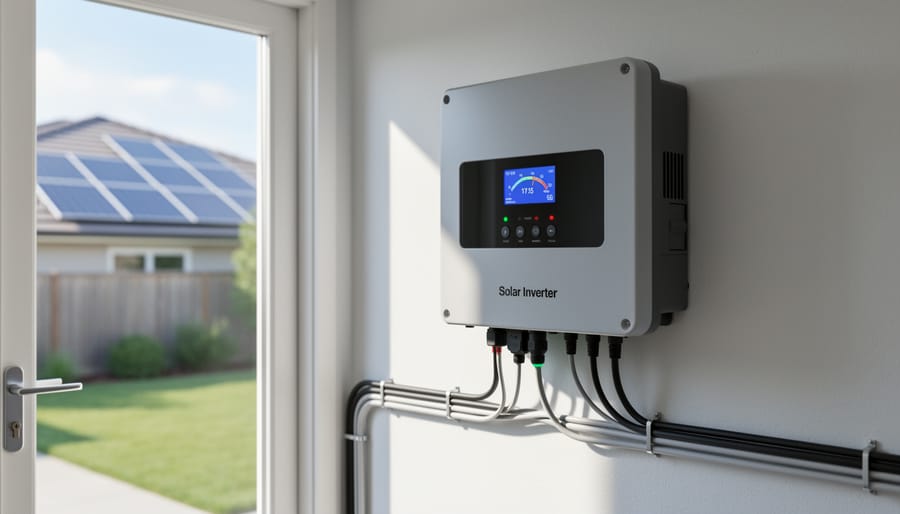
The Real Cost of Ignoring Inverter Maintenance
Let’s talk about what happens when inverter maintenance falls by the wayside. Spoiler alert: it’s not pretty for your wallet.
Picture this common scenario: Your inverter quietly stops working at peak efficiency, but you don’t notice for several months. During that time, you’re losing 20-30% of your potential energy production. For an average home system, that could mean $300-$600 in lost savings annually, money that simply evaporates because you’re buying more electricity from the grid than necessary.
Now consider the cost difference between prevention and emergency repairs. A typical professional inverter inspection runs about $150-$250 annually. Compare that to emergency repair costs, which often start at $500 and can climb past $2,000 depending on the issue. When inverters fail unexpectedly, you’re also facing rushed service calls, premium labor rates, and the stress of suddenly being without your solar power.
Here’s where things get even more expensive: neglected maintenance can lead to voided warranties. Most inverter manufacturers require proof of regular maintenance to honor warranty claims. Skip those check-ups, and you might find yourself paying full price for a replacement that should have been covered.
The good news? When you view maintenance as an investment rather than an expense, the math works beautifully in your favor. Regular care extends your inverter’s lifespan from the typical 10-12 years to potentially 15 years or more. That’s thousands of dollars in replacement costs delayed, plus years of additional energy savings.
Think of it this way: spending $200 yearly on maintenance protects a $2,000-$3,000 inverter investment while ensuring your system operates at peak performance. That’s not an expense; that’s smart financial planning that keeps your solar investment working hard for you, day in and day out.
Warning Signs Your Inverter Needs Attention
What You Can Check Yourself
Good news: you don’t need to be a solar expert to keep tabs on your inverter’s health. Set aside a few minutes each month for these simple checks that can save you from bigger problems down the road.
Start with a visual inspection of your inverter display. Most modern inverters have indicator lights—green typically means everything’s running smoothly, while red or flashing yellow signals an issue. Check for any error messages on the digital screen and note unusual patterns in your daily energy production.
Next, look at the physical condition of your inverter. Check for any visible damage, loose wiring, or debris accumulation around vents. Make sure the area stays well-ventilated and clear of obstructions, as overheating is a common culprit behind inverter problems.
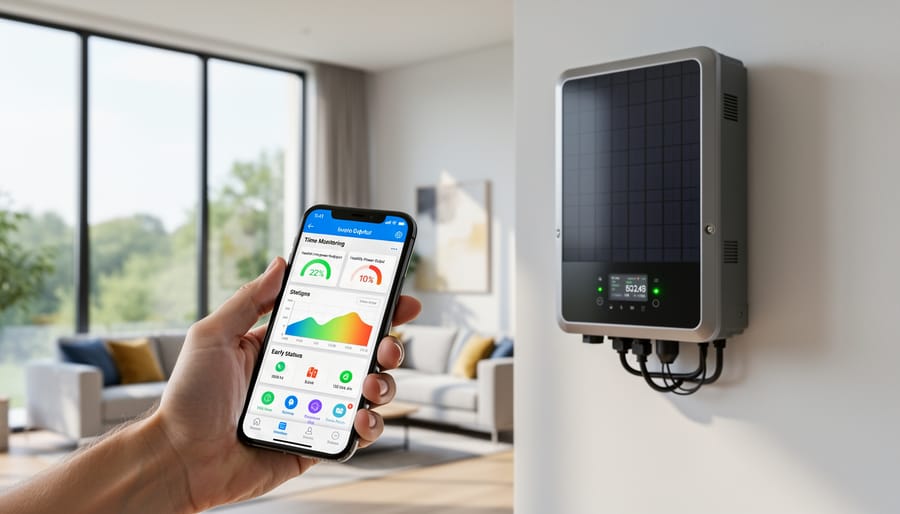
Monitor your energy production through your inverter’s app or monitoring system. You’ll quickly learn what’s normal for your home during different seasons. A sudden drop in output without corresponding weather changes deserves attention.
Finally, listen for unusual sounds. While some humming is normal, loud buzzing, clicking, or grinding noises warrant professional inspection. These monthly checks take minimal time but give you peace of mind and help catch small issues before they become expensive repairs.
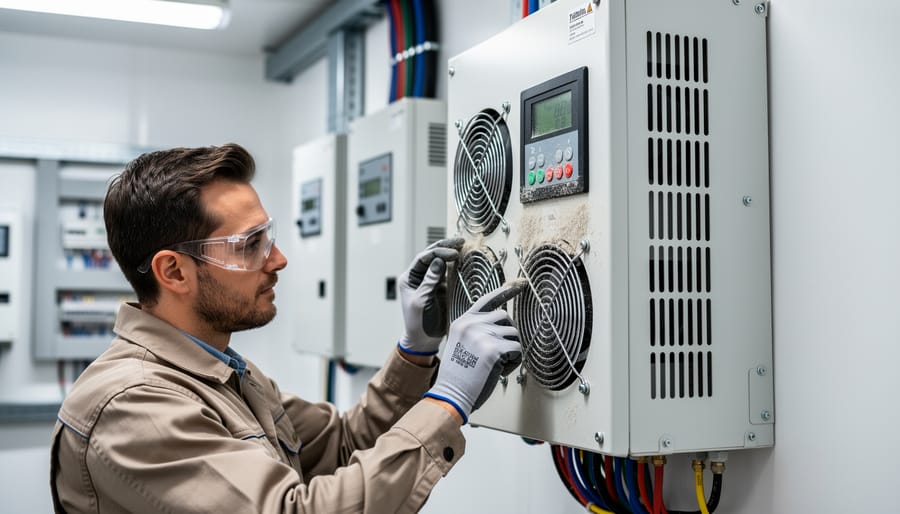
When to Call a Professional
While many inverter maintenance tasks are homeowner-friendly, certain situations always call for professional expertise. Understanding when to pick up the phone can save you money, prevent safety hazards, and protect your solar investment.
Contact a certified solar technician immediately if your inverter displays persistent error codes that don’t clear after a simple reset. These codes signal internal issues that require diagnostic equipment and technical knowledge to resolve safely. Similarly, any unusual sounds like buzzing, clicking, or humming coming from your inverter indicate electrical problems that only qualified professionals should address.
If your system’s performance drops by more than 10 percent without an obvious cause like shading or dirty panels, professional troubleshooting is essential. A technician can perform voltage tests and system analyses that pinpoint the root cause, whether it’s the inverter or another component.
Never attempt repairs if you notice physical damage to the inverter casing, burn marks, melting, or if the unit feels excessively hot to the touch. These are serious safety concerns involving high-voltage electricity. Likewise, any situation involving exposed wiring or water damage requires immediate professional intervention.
Annual professional inspections are wise even when everything seems fine. Technicians catch developing issues before they become expensive repairs, and many warranties actually require regular professional maintenance. Think of it as preventive care that protects your investment and ensures you’re capturing every dollar of potential energy savings. Your solar system works hard for you—giving it expert attention keeps those savings flowing.
Your Year-Round Inverter Maintenance Schedule
Monthly Quick Checks
Set aside just five minutes each month to catch small issues before they become expensive problems. Your inverter makes this easy with built-in monitoring features that do most of the work for you.
Start by checking your inverter’s display screen or monitoring app. Look for the green light or “normal operation” indicator—if you see red, yellow, or error messages, something needs attention. Compare your current energy production to previous months. A sudden drop of more than 15-20% could signal inverter trouble, though seasonal changes are completely normal.
Next, give your inverter a quick visual once-over. Look for dust buildup around ventilation slots, which can cause overheating. Check that nothing is blocking airflow—cardboard boxes, garden tools, or debris can prevent proper cooling. Scan for any unusual signs like scorch marks, strange odors, or moisture around the unit.
Finally, listen for a moment. Your inverter should hum quietly. Loud buzzing, clicking, or grinding sounds aren’t normal and deserve professional attention.
These simple checks take less time than brewing your morning coffee but can save you thousands in repair costs. The good news? Most homeowners never encounter major inverter issues when they stay on top of these basic monitoring tasks.
Quarterly Deep Checks
Every three months, set aside time for a more detailed inspection that goes beyond your basic monthly checks. These deeper reviews help catch problems before they escalate into expensive repairs.
Start by gently cleaning the inverter’s exterior with a soft, dry cloth to remove dust buildup. Even light dust accumulation can interfere with cooling over time. Check that all ventilation openings remain clear and unobstructed. Your inverter needs proper airflow to prevent overheating, which is one of the most common causes of premature failure.
Take a closer look at all visible connections. While you shouldn’t touch electrical components yourself, you can visually inspect wiring for any signs of looseness, discoloration, or wear. If anything looks concerning, contact a qualified technician rather than attempting repairs yourself.
Verify that your inverter’s mounting remains secure and stable. Loose mounting can cause vibrations that damage internal components over time. Also check the surrounding area for new obstructions like growing vegetation or stored items that might block airflow or access panels.
Document your findings with photos and notes. This quarterly record helps you spot gradual changes that might otherwise go unnoticed. Think of it as building a health history for your system that makes professional servicing more effective when needed. These simple steps typically take just 15 minutes but can prevent thousands in repair costs.
Annual Professional Inspection
Scheduling professional maintenance visits once a year is one of the smartest investments you can make to protect your solar system. During these inspections, certified technicians will thoroughly examine your inverter’s performance, checking voltage levels, connection integrity, and overall efficiency. They’ll also clean cooling fans, tighten any loose wiring, and update software if needed.
Think of it like an annual checkup for your home’s energy system. These visits typically cost between $150 and $300, but they often catch small issues before they become expensive repairs. Many homeowners discover they’re losing 5-10% of their system’s efficiency without even knowing it, and a simple adjustment during maintenance can restore full performance.
Professional technicians bring specialized diagnostic tools that measure performance metrics you can’t see with the naked eye. They can spot early warning signs of component wear, verify your inverter is running at optimal temperature, and ensure all safety mechanisms are functioning properly. Most maintenance visits take just an hour or two and provide peace of mind that your system will continue generating savings for years to come. Many companies even offer annual maintenance packages that bundle inspection services at a reduced rate.
Common Inverter Problems and How to Prevent Them
Overheating Issues
Your inverter works hard converting sunlight into usable electricity, and just like any hardworking appliance, it generates heat. The good news? Most overheating problems are completely preventable with simple attention to placement and airflow.
Think of your inverter like a computer – it needs breathing room to stay cool and function properly. Installing your inverter in a shaded, well-ventilated area is one of the smartest decisions you can make during setup. Direct sunlight beating down on the unit forces it to work overtime just to stay operational, which shortens its lifespan and can trigger safety shutoffs during peak production hours when you need it most.
Clear away any debris, leaves, or storage items that might block air vents around your inverter. A quick monthly visual check ensures nothing’s obstructing airflow. If your inverter is in a garage or enclosed space, consider adding ventilation or a small fan during hot summer months. These small preventive steps save you from expensive emergency repairs and keep your system generating maximum savings year-round.
Dust and Debris Buildup
You might be surprised to learn that something as simple as dust can significantly shorten your inverter’s lifespan. Over time, dust and debris accumulate on and around your inverter, blocking ventilation slots and causing it to overheat. When your inverter works harder to cool itself, it wears out faster and becomes more prone to breakdowns.
The good news? Preventing this issue takes just minutes every few months. Gently brush or wipe down the exterior of your inverter using a soft, dry cloth. Check ventilation openings for spider webs, leaves, or accumulated dirt, and carefully remove any blockages. If your inverter is installed in a particularly dusty area like a garage or barn, consider cleaning it more frequently.
Keep the area around your inverter clear as well. Avoid stacking boxes or equipment against it, and ensure at least a few inches of clearance on all sides for proper airflow. This simple habit can add years to your inverter’s life and help you avoid repair bills that typically range from several hundred to over a thousand dollars. Regular cleaning is one of the easiest ways to protect your solar investment.
Electrical Connection Problems
Electrical connections in your inverter naturally loosen over time due to temperature fluctuations and vibration. As your system heats up during the day and cools at night, materials expand and contract, gradually working connections loose. This is completely normal and doesn’t mean your equipment is faulty.
Loose connections create resistance, which generates heat and reduces your system’s efficiency. You might notice slightly lower energy production before any serious problems develop. The good news? This issue is easily preventable with regular professional inspections.
During routine maintenance visits, technicians tighten all connections and check for signs of wear or corrosion. These quick checks, typically performed annually, catch problems before they become expensive repairs. Think of it like changing your car’s oil—a small preventive step that protects your investment.
Many homeowners worry that electrical issues mean complicated, costly fixes. In reality, maintaining proper connections is straightforward work for qualified professionals. Scheduling regular checkups ensures your inverter operates at peak efficiency, maximizing your energy savings and extending your system’s lifespan without unexpected breakdowns.
Making Maintenance Easy: Tools and Tips
Keeping your solar inverter in peak condition doesn’t have to be complicated. With the right tools and simple habits, you can protect your investment and catch potential issues before they become expensive problems.
Start by taking advantage of technology that does the heavy lifting for you. Modern monitoring apps connect to your inverter and track performance 24/7, sending alerts directly to your smartphone when something looks off. These apps show you real-time energy production, historical data, and efficiency trends, making it easy to spot problems early. Many systems include these apps free with your installation, so you’re likely already equipped with this powerful tool.
Create a simple maintenance log to track your inverter’s health over time. A basic spreadsheet or even a notebook works perfectly. Record monthly performance numbers, visual inspection dates, any error codes that appear, and when you clean your panels. This history becomes invaluable when troubleshooting issues or communicating with service technicians.
Store all your warranty documentation in one accessible place, whether that’s a dedicated folder or cloud storage. Include your inverter warranty, installation receipts, product manuals, and installer contact information. Most inverter warranties last 10-25 years, but they’re only useful if you can find them when needed.
Finding qualified service providers before you need them saves stress later. Ask your installer for recommended maintenance partners, check online reviews, and verify certifications. Look for technicians certified by the North American Board of Certified Energy Practitioners or trained specifically on your inverter brand. Building this relationship early means you’ll have trusted help ready when questions arise.
Remember, consistent small efforts prevent big headaches. Spending fifteen minutes monthly reviewing your system beats discovering a problem that’s been silently reducing your savings for months.
Your solar inverter works quietly behind the scenes every day, converting sunshine into usable electricity that powers your home and lowers your energy bills. The good news? Protecting this essential component doesn’t require complicated technical skills or hours of effort. Simple, consistent maintenance—like checking for error codes, ensuring proper ventilation, and scheduling annual professional inspections—can extend your inverter’s life by years and save you thousands in potential repair costs.
Think of inverter maintenance as a small investment that protects a much larger one. Just fifteen minutes every few months can help you catch minor issues before they become expensive problems, ensuring your system delivers clean, reliable energy for decades to come. The peace of mind that comes from knowing your solar investment is operating at peak efficiency is invaluable, especially when you consider the financial and environmental benefits you’re maximizing.
There’s no better time to start than today. Walk outside, take a quick look at your inverter, check for any warning lights, and mark your calendar for the next inspection. By making preventive care a routine part of your homeownership, you’re not just maintaining equipment—you’re securing your family’s energy independence and contributing to a cleaner planet. Your future self will thank you for the foresight, and your solar system will reward you with reliable, cost-effective performance for years to come.