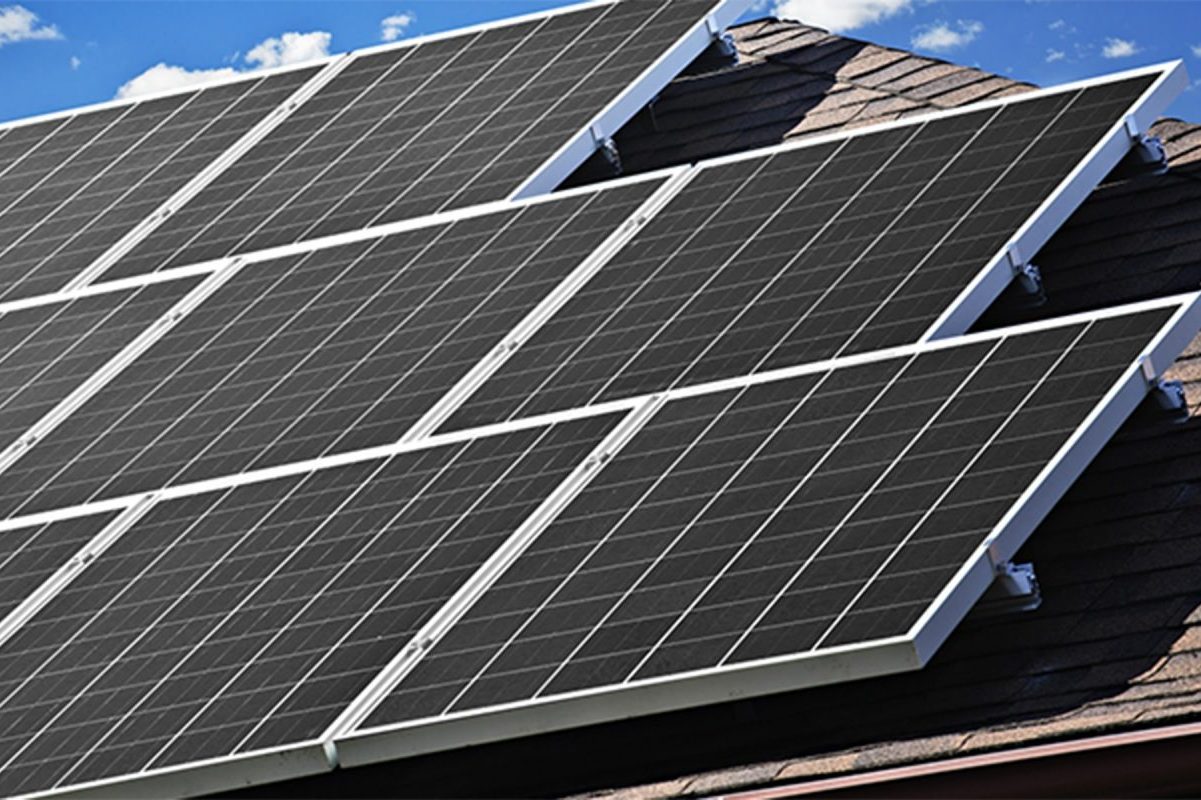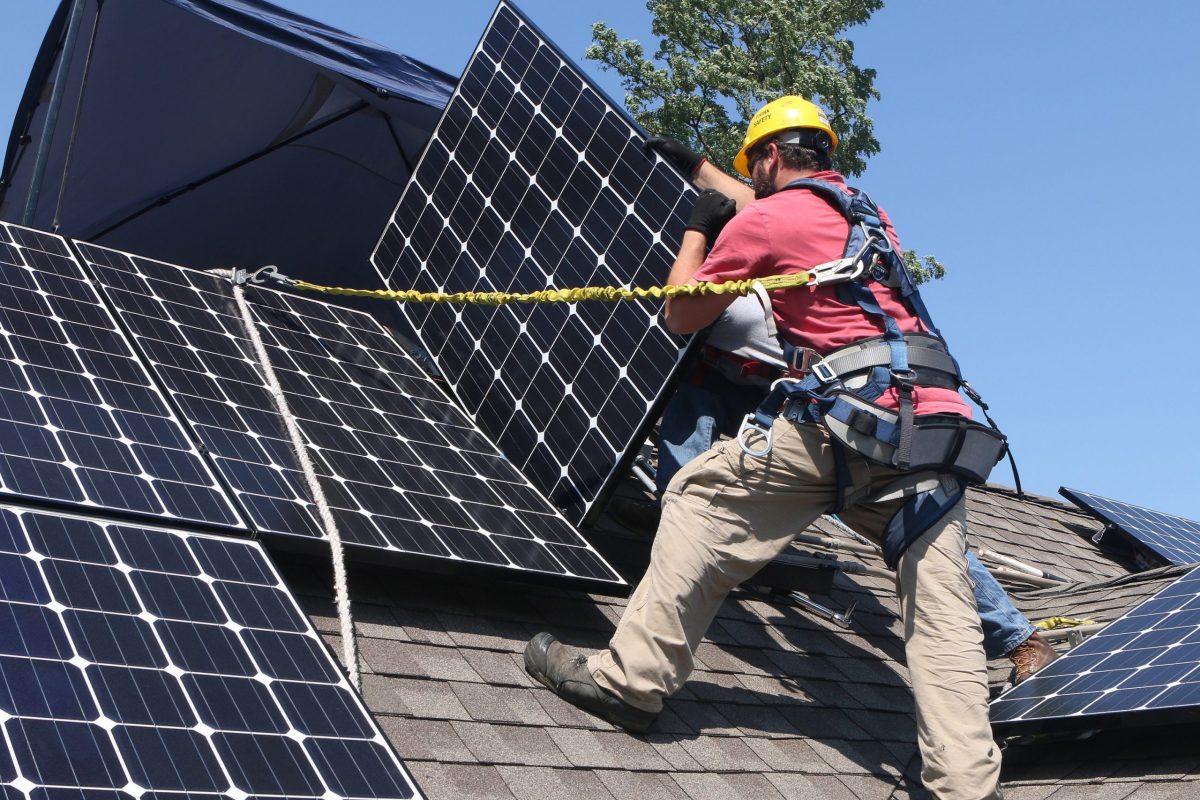
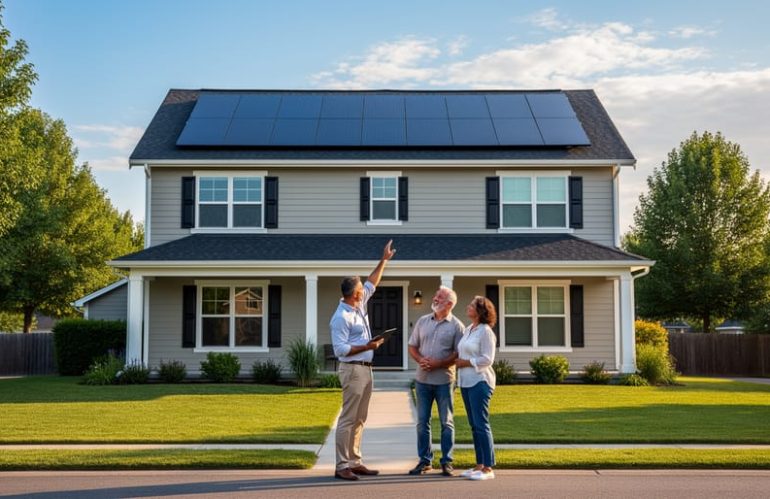
Solar panels on your roof with zero money down sounds too good to be true, but it’s actually one of the most common ways American homeowners switch to clean energy. Zero down solar programs eliminate the upfront cost barrier that stops most people from going solar, letting you start saving on electricity bills from day one while paying for your system through monthly payments or power purchase agreements.
These programs work through solar loans, leases, or power purchase agreements (PPAs) that require no initial investment. You’ll either own the system and pay it off over time, or a solar company owns the panels while you buy the electricity they generate at a lower rate than your utility charges. Either way, the monthly cost is typically less than what you’re currently paying your power company, creating immediate savings without touching your savings account.
The challenge isn’t whether zero down solar is legitimate—it absolutely is—but rather understanding which program type matches your financial goals and home situation. Your roof condition, credit score, electricity usage, local incentives, and long-term homeownership plans all determine whether you’ll benefit most from ownership through financing or from leasing arrangements that require zero maintenance responsibility.
What Is a Zero Down Solar Program?
Let’s clear up a common misconception right away: you don’t need thousands of dollars sitting in your bank account to go solar. A zero down solar program allows homeowners to install solar panels on their home without paying anything upfront—no cash payment, no savings required, nothing out of pocket on day one.
Here’s how it works. Instead of purchasing your solar system outright with a large lump sum, you access solar financing options that spread the cost over time through monthly payments. These programs are typically structured as solar loans or leases that require zero money down to get started. The solar company installs the panels on your roof, and you begin generating clean energy immediately.
The beauty of this approach is that you can start saving on your electricity bills right away. Many homeowners find that their monthly solar payment is less than—or close to—what they were already paying their utility company. So you’re essentially swapping your traditional electric bill for a solar payment, often without increasing your monthly expenses.
This differs dramatically from traditional cash purchases, where you’d need to pay the full system cost upfront, typically ranging from fifteen to thirty thousand dollars depending on your home’s size and energy needs. While cash purchases offer the best long-term return, they’re simply not realistic for most families.
Zero down programs democratize solar energy, making it accessible to homeowners who want to reduce their carbon footprint and energy costs but don’t have substantial savings available. You’re not getting something for free—you’ll pay for the system over time—but you’re removing the biggest barrier that keeps people from going solar: that intimidating upfront cost.
The Three Main Types of Zero Down Solar Financing
Solar Loans: Own Your System, Pay Over Time
Solar loans work much like financing a car or taking out a mortgage—you own your solar system from day one, but spread the payments over time. This option is perfect for homeowners who want full ownership benefits without depleting their savings.
Here’s how it typically works: You’ll pay nothing upfront, and your lender covers the full installation cost. Then you make monthly payments over a set period, usually between 10 to 25 years. Interest rates vary based on your credit score and chosen lender, typically ranging from 3% to 8%. Many homeowners find their monthly loan payment is roughly equal to or even less than what they were previously spending on electricity.
The big advantage? You own the system completely. This means you’re eligible for the federal solar tax credit (currently 30% of your system cost), plus any state and local incentives. These savings can significantly reduce your overall investment. You can apply the tax credit directly toward your loan balance if you choose, lowering your remaining payments.
Ownership also increases your home’s value—studies show solar panels can boost property values by thousands of dollars. Plus, as electricity rates rise over the years, your fixed loan payment stays the same, creating greater savings down the road.
Once you’ve paid off the loan, you’ll enjoy free electricity for the remaining 15-20+ years of your system’s life. Think of it as an investment that pays you back through lower energy bills and home appreciation.
Solar Leases: Rent Your Solar Panels
Think of a solar lease like renting an apartment instead of buying a house. With this zero-down option, a solar company installs panels on your roof at no upfront cost, and you simply pay them a fixed monthly lease payment for the next 15-25 years.
The arrangement is straightforward: you get immediate access to solar energy and lower electric bills without spending thousands upfront. The solar company owns the equipment, handles all maintenance and repairs, and deals with any technical issues that arise. Your only responsibility is making your monthly payment, which typically stays the same throughout your lease term.
Here’s what makes leasing different from other options: you won’t own the panels, which means you can’t claim the federal tax credit or benefit from increased home value. You’re essentially trading long-term financial gains for simplicity and predictability today. When you sell your home, the new owner will need to assume your lease or you’ll need to buy out the remaining contract.
Solar leases work best for homeowners who prioritize hassle-free solar access over maximum savings. If you’re planning to move within a few years, prefer predictable expenses, or simply don’t want the responsibility of equipment ownership, leasing might suit your lifestyle. However, if building home equity and maximizing returns matter more to you, other zero-down programs like solar loans or power purchase agreements often deliver better long-term value.
Power Purchase Agreements (PPAs): Pay Only for the Energy You Use
Power Purchase Agreements, or PPAs, offer a straightforward approach: you pay only for the solar electricity your system actually produces, nothing more. Think of it like paying for streaming services based on what you watch, rather than buying the TV itself.
Here’s how it works in practice. A solar company installs panels on your roof at no upfront cost, maintains ownership of the system, and sells you the electricity it generates at a predetermined rate per kilowatt-hour. This rate is typically 10-30% lower than what your utility company charges, which means immediate savings on your monthly bills.
The key difference between a PPA and a solar lease comes down to what you’re paying for. With a lease, you pay a fixed monthly amount regardless of how much energy your panels produce. With a PPA, your payment fluctuates based on actual production. If it’s a cloudy month and your system generates less electricity, your payment is lower. When the sun shines bright, you produce more energy and your payment increases, but you’re still paying below utility rates.
This performance-based structure often appeals to homeowners who prefer predictability tied to actual results. You’re not gambling on system performance because you only pay for verified production. The solar company assumes the risk of equipment performance and handles all maintenance, repairs, and monitoring throughout the agreement term, which typically spans 20-25 years.
Most PPAs include a modest annual rate increase, usually around 2-3%, built into the contract. However, this escalator generally remains below typical utility rate increases, helping you maintain savings over time.
The Real Financial Benefits: What You Actually Save
Immediate Savings on Your Electric Bill
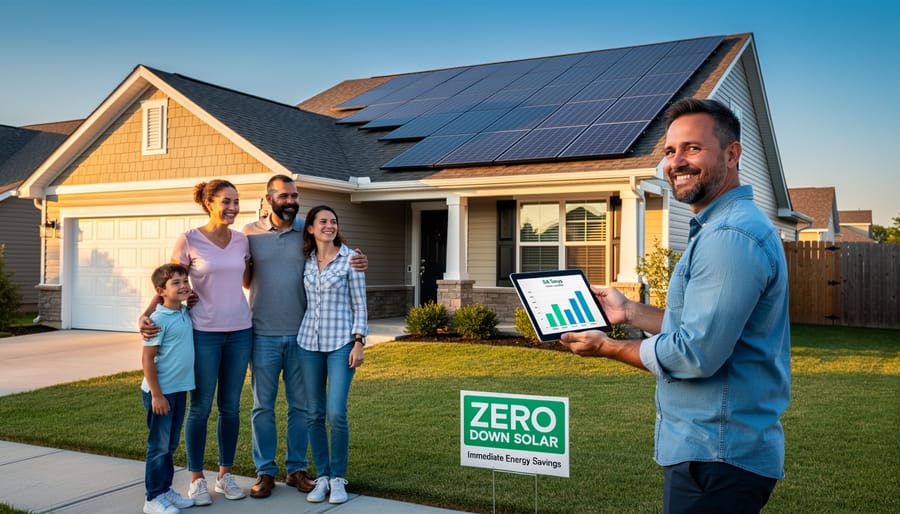
One of the most compelling advantages of zero down solar programs is that many homeowners start saving money immediately. Here’s the pleasant reality: your solar panels begin generating electricity from day one, which means you’re drawing less power from the utility company. Even though you’ll have a monthly loan or lease payment, that cost is often lower than what you would have paid in your regular electric bill.
Think of it this way: instead of paying your utility company $150 per month, you might pay $100 for your solar financing while your electric bill drops to $30. That’s $20 in your pocket every month, without spending a penny upfront. The exact savings vary based on your energy usage, local electricity rates, and system size, but the principle remains the same.
Solar panels that reduce your energy bills work best in sunny climates, though modern systems are efficient enough to deliver savings virtually anywhere. Your installer will provide a detailed estimate showing your projected savings, helping you understand exactly what to expect each month. This transparent approach removes the guesswork and lets you make an informed decision about whether zero down solar makes financial sense for your household.
Long-Term Value and Protection from Rising Energy Costs
One of the most valuable yet overlooked benefits of owning your solar system is protection from rising electricity rates. Utility companies typically increase rates by 2-4% annually, meaning your electric bill could double in just 20 years. When you own solar panels through a zero down program, you essentially lock in your energy costs from day one.
Here’s how it works: your monthly loan payment stays consistent throughout the term, while your neighbors’ utility bills keep climbing. As time passes, the gap between what you pay and what you would have paid to the utility company grows wider. This means your savings increase year after year, even though your payment remains the same.
Beyond immediate savings, you’re also building equity in a tangible asset. Unlike rent payments or leases that disappear into someone else’s pocket, your solar system becomes a permanent part of your home. Once paid off, you enjoy virtually free electricity for decades. Studies show solar panels can increase home values by 3-4%, making them a smart investment that pays dividends now and later. To maximize your solar savings, understanding these long-term financial benefits helps you make the most informed decision.
Tax Credits and Incentives You Can Access
The federal solar tax credit (officially called the Investment Tax Credit) currently offers 30% back on your solar system costs. However, there’s an important distinction: you can only claim this credit if you own your solar system. If you finance solar through a loan—whether it requires a down payment or not—you own the system and qualify for the full credit. This can mean thousands of dollars back when you file your taxes. On the other hand, if you choose a lease or power purchase agreement (PPA), the solar company retains ownership and claims the credit themselves. While they may pass along some savings through lower monthly payments, you won’t receive the tax benefit directly. Understanding this difference is crucial when comparing zero-down options, as ownership-based financing typically provides greater long-term financial benefits.
Is Zero Down Solar Right for Your Home?
When Zero Down Programs Make the Most Sense
Zero down solar programs shine in specific situations where they align perfectly with homeowners’ circumstances and goals. If you haven’t set aside savings for the typical $15,000 to $30,000 upfront investment, these programs remove the biggest barrier to going solar. You can start generating clean energy and reducing your electric bills immediately, without emptying your savings account or taking on debt.
These programs work exceptionally well when you’re already spending significant amounts on electricity each month. Many homeowners see their solar payment replace or even come in lower than their current electric bill, meaning immediate savings from day one rather than waiting years to recoup an initial investment.
Long-term homeowners particularly benefit from zero down programs. If you plan to stay in your home for ten years or more, you’ll maximize the financial advantages as monthly costs decrease over time and you eventually own the system outright. The longer your timeline, the more those monthly savings compound into substantial lifetime benefits.
You’re also an ideal candidate if you value predictable expenses. Unlike fluctuating utility rates that typically increase 3-5% annually, your solar payment remains stable and manageable. This financial predictability makes budgeting easier while protecting you from future rate hikes that can significantly impact household finances over time.
Questions to Ask Before You Commit
Before signing any agreement, protecting yourself starts with asking the right questions. Here’s your essential checklist to ensure you’re making the best decision for your home and finances.
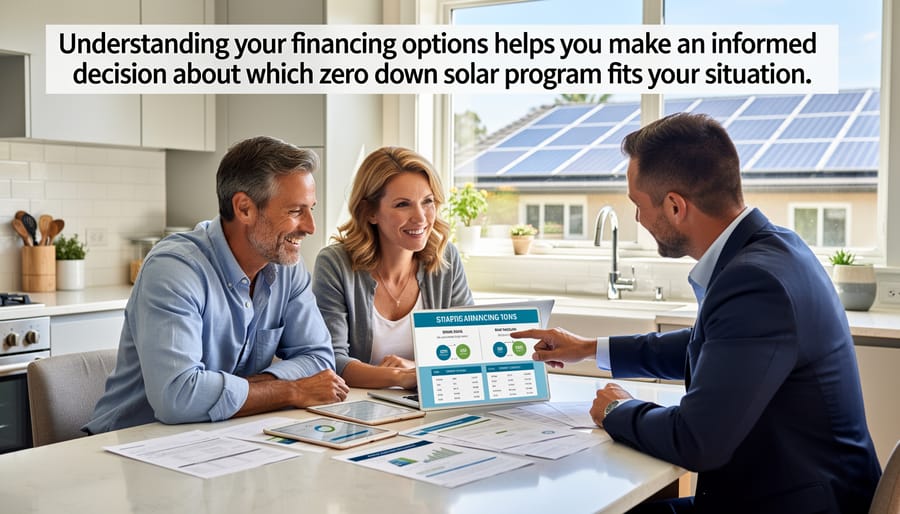
Start with the financial basics: What are the credit requirements, and do you qualify? Ask for the total amount you’ll pay over the life of the contract, not just monthly payments. Understanding the complete picture helps you compare options accurately. Request a clear breakdown of any fees, rate escalators, or additional costs that might arise.
Next, clarify what happens during life changes. If you decide to sell your home, can the agreement transfer to the new owner easily? What’s the buyout process if you want to purchase the system outright? These scenarios matter more than most people initially think.
Don’t skip the practical details either. Who handles maintenance and repairs? What does the warranty cover, and for how long? Get specifics about performance guarantees and what happens if your panels don’t produce the promised energy savings.
Finally, ask about the installation timeline and whether you’ll experience any service interruptions. A reputable provider will answer these questions clearly and put everything in writing, giving you confidence that there are no hidden surprises waiting down the road.
Common Myths About Zero Down Solar Programs
Let’s clear up some common misunderstandings that might be holding you back from exploring zero down solar.
One of the biggest myths is that zero down means the solar panels are free. While you won’t pay anything upfront, you’re entering into a financial agreement, whether it’s a lease, power purchase agreement, or loan. You’ll still make monthly payments, but the good news is these are often lower than your current electricity bill, putting money back in your pocket from day one.
Another misconception is that zero down programs are scams or too good to be true. These are legitimate financing options offered by established solar companies. The business model works because companies benefit from long-term agreements and federal incentives, while you benefit from immediate savings without the barrier of a large initial investment. It’s a win-win arrangement that’s been helping homeowners go solar for years.
Some people worry that zero down programs mean you’ll never own your system. This depends on which option you choose. With solar loans, you’re building equity and will own the system once it’s paid off, just like a car loan. With leases or power purchase agreements, the company retains ownership, but you still enjoy lower energy costs and a smaller carbon footprint.
Finally, there’s a belief that zero down solar will damage your home’s value. The opposite is actually true. Studies show that homes with solar installations typically sell for more than comparable homes without solar. Buyers appreciate the lower energy bills and environmental benefits, making your home more attractive on the market.
The best part about going solar? You don’t need thousands of dollars sitting in your bank account to get started. Zero down solar programs have opened the door for everyday homeowners to harness clean energy, lower their monthly bills, and reduce their carbon footprint without the financial stress of a massive upfront investment.
If you’ve been putting off solar because you assumed it was out of reach, it’s time to reconsider. These programs are designed specifically to make renewable energy accessible to more families, not just those with significant savings. Whether through solar loans, leases, or PPAs, there’s likely an option that fits your budget and goals.
The reality is simpler than you might think: going solar is more achievable today than ever before. The combination of zero down programs, federal tax credits, and potential energy savings means you could start benefiting immediately while contributing to a cleaner planet.
Ready to find out what solar could mean for your home? Consider scheduling a consultation with a solar provider to get personalized estimates based on your energy usage, roof condition, and local incentives. You might be surprised at how much you could save.