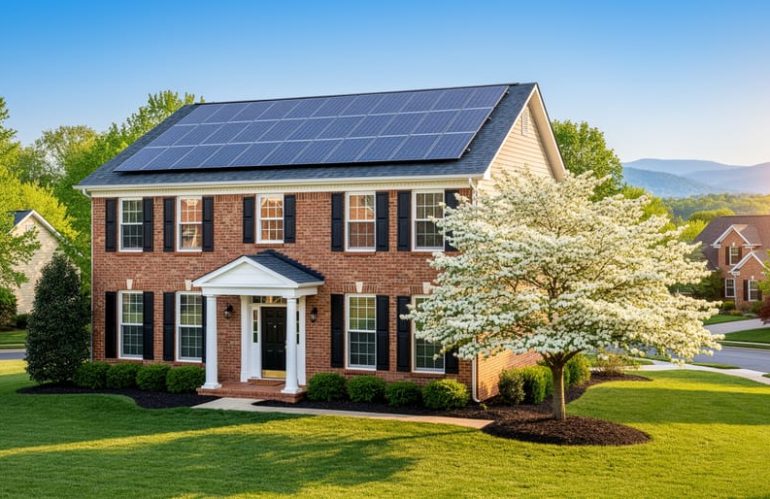
Searching for “VA solar panel program” typically brings up confusion—there’s no Department of Veterans Affairs solar program, but Virginia homeowners have access to substantial state and federal incentives that can cut solar installation costs by 30-50%. Virginia residents qualify for the federal solar Investment Tax Credit (ITC), which covers 30% of your system cost, plus state-specific programs like net metering that credits you for excess energy your panels produce. These financial benefits make exploring whether residential solar worth it more compelling than ever for Virginia homeowners.
Understanding which incentives apply to your situation starts with identifying your utility provider and local jurisdiction. Dominion Energy and Appalachian Power customers access different net metering rates, while some Virginia counties offer property tax exemptions on the added home value from solar installations. Several financing options—including solar loans, power purchase agreements, and leases—let you go solar with little to no upfront cost while immediately reducing your electricity bills. The key is combining available incentives strategically to maximize your savings and shorten your payback period to 6-10 years in most Virginia locations.
What Is the VA Solar Panel Program?
Let’s clear up some confusion right away. When you search for “VA solar panel program,” you might be wondering whether this refers to Virginia state programs or something specifically for veterans through the Veterans Affairs department. Here’s the straightforward answer: there isn’t one single program called the “VA Solar Panel Program.” Instead, Virginia (abbreviated VA) residents have access to a collection of federal, state, and local solar incentives that work together to make going solar more affordable.
The confusion around “VA” is understandable, but for homeowners in Virginia, the good news is that you don’t need to be a veteran to benefit from solar incentives. Virginia residents can tap into multiple financial benefits, including the federal solar tax credit (also called the Investment Tax Credit), state-level incentives, utility company rebates, and favorable net metering policies.
Think of it as a toolkit rather than a single program. The federal government offers a 30% tax credit on your solar installation costs, which is available to all qualifying homeowners nationwide. On top of that, Virginia has created its own incentives to encourage solar adoption, including sales tax exemptions on solar equipment and property tax exemptions that ensure your home’s increased value from solar panels won’t raise your property taxes.
Some Virginia utility companies also offer additional rebates or credits, and if you’re a veteran, you may qualify for specialized financing options or additional benefits. The key takeaway is this: while there’s no official program with “VA Solar Panel Program” as its title, Virginia residents have access to one of the most comprehensive sets of solar incentives available, making this an excellent time to explore your solar options.
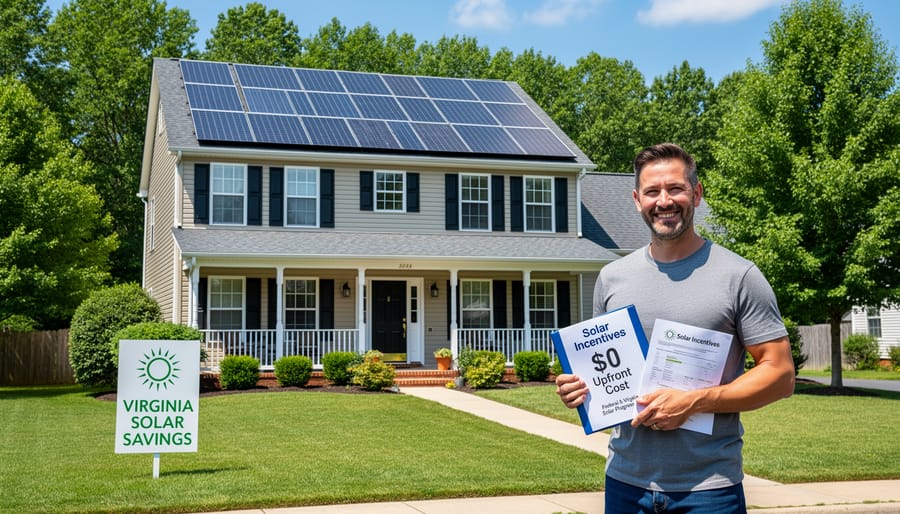
Federal Solar Tax Credits Available to Virginia Homeowners
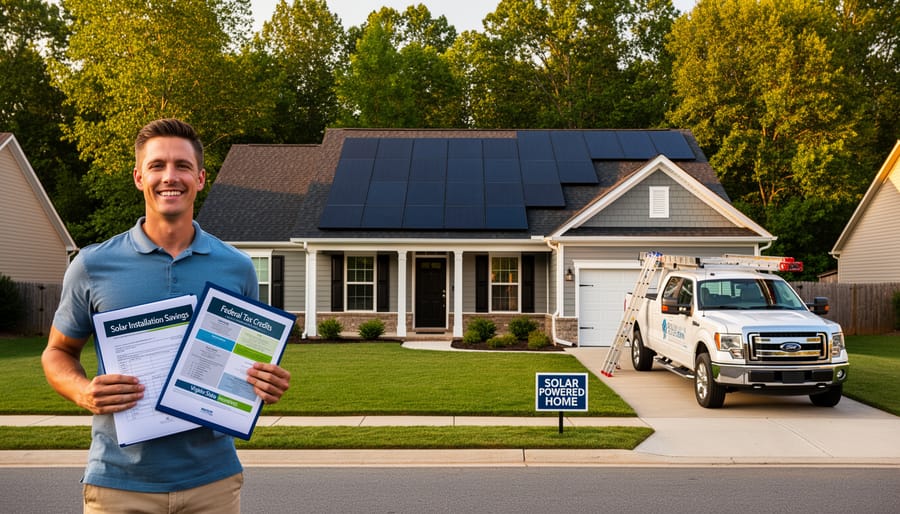
How Much Money You’ll Actually Save
Let’s break down what the 30% federal solar tax credit actually means for your wallet with real Virginia examples.
For an average Virginia home solar installation costing $25,000, you’ll receive $7,500 back through the federal tax credit. That’s a substantial chunk of change that brings your actual system cost down to $17,500. If you’re installing a smaller system at $15,000, you’ll save $4,500, reducing your out-of-pocket expense to $10,500.
Here’s how it works in practice: You pay the full installation cost upfront or through financing, then claim the 30% credit when you file your federal taxes. The credit directly reduces what you owe the IRS dollar-for-dollar. If your tax liability is smaller than your credit amount, you can roll the remaining credit over to the following tax year.
For a larger 10-kilowatt system costing $30,000, your savings jump to $9,000. Combined with Virginia’s net metering program, which credits you for excess electricity your panels produce, these savings make solar surprisingly affordable. Most Virginia homeowners see their systems pay for themselves within 8-12 years through these combined benefits and monthly electricity savings.
Who Qualifies for the Federal Tax Credit
The federal solar Investment Tax Credit (ITC) is available to most Virginia homeowners who install solar panels. To qualify, you simply need to own your home and have enough tax liability to claim the credit. The ITC currently lets you deduct 30% of your total solar installation costs from your federal taxes.
You qualify if you purchase your solar system outright, through a loan, or via certain financing arrangements where you own the equipment. The credit applies whether you’re installing panels on a primary residence, second home, or even an off-site community solar project you own a share of.
Common disqualifiers include leasing your solar system rather than owning it, or lacking sufficient tax liability to use the credit. If you’re a renter, you won’t qualify since you don’t own the property. However, most homeowners who pay federal income taxes can take advantage of these government solar incentives.
The good news? There’s no income limit or cap on system size for residential installations. As long as you own your home and your solar panels, you’re likely eligible for this valuable 30% savings.
Virginia State Solar Incentives That Stack With Federal Programs
Net Metering: Getting Credit for Extra Energy
Here’s the good news: when your solar panels produce more electricity than you’re using, you don’t lose that energy. Virginia’s net metering policy ensures you get credit for every extra kilowatt-hour your system generates.
Think of net metering as a two-way street with your utility company. During sunny afternoons when your panels are working overtime, excess electricity flows back to the grid. Your meter literally runs backward, and you receive credits on your account at the retail electricity rate. Then, during evenings or cloudy days when your panels aren’t producing enough, you draw from the grid and use those banked credits.
This arrangement means you’re only billed for your net energy use (total consumption minus what you produced), which is why it’s called net metering. In Virginia, most utility companies are required to offer net metering to residential solar customers with systems up to 20 kilowatts, which covers typical home installations.
The financial impact is significant. Instead of buying expensive batteries to store excess energy, you’re essentially using the grid as your battery at no extra cost, maximizing your solar investment’s value.
Solar Renewable Energy Credits (SRECs) in Virginia
Virginia’s Solar Renewable Energy Credit (SREC) program creates an opportunity for solar panel owners to generate additional income from the clean energy they produce. Here’s how it works in simple terms: for every 1,000 kilowatt-hours (kWh) of solar electricity your system generates, you earn one SREC that can be sold on the open market.
Think of SRECs as certificates that prove you’ve produced clean energy. Utility companies are required by Virginia law to obtain a certain percentage of their electricity from renewable sources. Instead of building their own solar farms, they can buy your SRECs to meet these requirements, creating a marketplace where your solar production has tangible value beyond just offsetting your electric bill.
The income potential varies based on market demand, but Virginia homeowners have historically earned between $30 to $70 per SREC. A typical residential solar system producing 10,000 kWh annually would generate approximately 10 SRECs per year, potentially adding $300 to $700 in annual income. Over a 15-year program period, that adds up to meaningful savings.
Enrolling in Virginia’s SREC program is straightforward. Your solar installer typically handles the registration process, and SRECs are automatically tracked through your system’s production meter. You can then sell them through SREC marketplaces or aggregators who handle the transactions for you. This passive income stream, combined with your reduced electricity bills and federal tax credits, significantly improves your solar investment’s return and shortens your payback period.
Solar Financing Options That Work for Your Budget
Solar Loans: Own Your System, Pay Over Time
Solar loans let you own your system from day one while spreading payments over time, typically 10 to 25 years. Think of it like a car loan, but for your solar panels—you make monthly payments and build equity in an asset that saves you money immediately.
Here’s the real advantage: unlike leases, solar loans allow you to claim the full 30% federal tax credit because you own the system. That’s thousands of dollars back in your pocket after the first year. Many lenders even offer interest-free solar loans for promotional periods, significantly reducing your total cost.
Your monthly loan payment often costs less than your current electric bill, meaning you could see immediate savings while paying off equipment that belongs to you. Once the loan is paid off, you enjoy completely free electricity for the remaining 15-plus years of your panels’ life.
Interest rates vary based on credit score and lender, but competitive rates make solar loans an increasingly popular choice for Virginia homeowners who want ownership without the upfront cost.
Solar Leases and PPAs: Zero Down, Immediate Savings
Solar leases and power purchase agreements (PPAs) offer Virginia homeowners a path to solar energy without upfront costs. Here’s how they work: a solar company installs panels on your roof at no charge, and you either pay a fixed monthly lease payment or purchase the electricity the panels generate at a predetermined rate (PPA). Both options typically provide immediate savings on your electric bill.
These arrangements make sense if you want solar benefits without a large initial investment or loan approval concerns. You’ll start saving from day one, and the solar company handles all maintenance and repairs.
However, there’s an important trade-off. With leases and PPAs, the solar company – not you – owns the system and claims the federal tax credit and any applicable incentives. You won’t receive the 30% federal tax credit or Virginia’s sales tax exemption directly. Your savings come solely from reduced electricity costs, which are typically 10-20% lower than utility rates.
Additionally, if you sell your home, you’ll need to transfer the lease agreement to the buyer or buy out the contract. For maximum long-term savings and incentive benefits, purchasing your system outright or through a loan usually delivers better financial returns.
Cash Purchase: Maximum Savings and Incentives
Paying cash for your solar panel system delivers the biggest financial benefits available to Virginia homeowners. When you purchase outright, you immediately own your system and qualify for the full 30% federal solar tax credit, with no middleman taking a cut. You’ll also receive 100% of Virginia’s net metering credits, which reduce your electricity bill by crediting you for the excess power your panels produce.
The cash purchase option offers the fastest payback period, typically 7-10 years in Virginia, after which you’re generating completely free electricity for the remaining 15-20+ years of your system’s life. Unlike financing arrangements, there are no interest charges eating into your savings, meaning every dollar of reduced energy costs goes straight back into your pocket. You’ll also benefit from increased home value without any loan obligations, making this the most straightforward path to energy independence and maximum long-term savings.
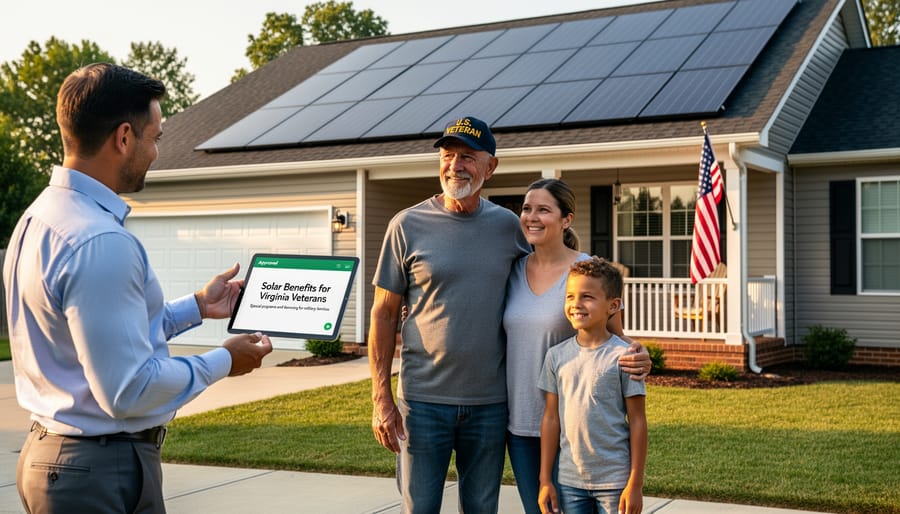
Special Programs for Virginia Veterans and Military Families
If you’re a veteran, active-duty service member, or military family member in Virginia, you have access to the same excellent solar incentives as all Virginia residents—plus a few additional benefits worth exploring.
First, let’s clear up a common confusion: there isn’t a specific “VA solar panel program” run by the Department of Veterans Affairs. However, veterans and military families can take full advantage of Virginia’s solar incentives, including the federal Investment Tax Credit (30% off your system cost) and net metering programs offered by utilities throughout the state.
What makes your situation unique? Veterans may qualify for property tax exemptions on the added home value from solar installations in certain Virginia localities. Since solar panels typically increase your home’s value, this exemption can result in meaningful long-term savings. Check with your local tax assessor’s office about veteran-specific property tax benefits.
Additionally, VA home loan programs allow you to include energy-efficient improvements in your mortgage financing. While this doesn’t apply to existing homes, if you’re purchasing a new property with solar already installed, you can finance it through your VA loan with no down payment requirement.
Military families stationed in Virginia temporarily should also know that solar panels are a transferable asset—they often increase resale value and appeal to environmentally-conscious buyers. Some solar companies even offer special financing terms or discounts for military members, so don’t hesitate to ask about veteran appreciation programs when getting quotes.
The bottom line: while there’s no exclusive veteran solar program, you have access to all of Virginia’s robust solar incentives, potentially with additional local tax benefits.
Your Step-by-Step Path to Going Solar in Virginia
Ready to harness Virginia’s sunshine and start saving? Here’s your straightforward roadmap to going solar.
Start by gathering at least three quotes from reputable solar installers in your area. This competitive comparison helps you understand pricing and system options specific to your home’s needs. Most installers offer free consultations where they’ll assess your roof, energy usage, and sun exposure. During these consultations, ask specifically about their experience with Virginia’s net metering programs and local utility requirements.
Next, review your eligibility for available incentives. Check if your household income qualifies for any Virginia-specific programs or low-interest financing options. Most importantly, confirm your installer can handle the federal tax credit paperwork. Before finalizing your choice, review these essential facts before going solar to ensure you’re making an informed decision.
Once you’ve selected an installer, they’ll handle most of the heavy lifting. They’ll submit permit applications to your local building department and coordinate with your utility company for interconnection approval. This permitting phase typically takes four to eight weeks, depending on your municipality.
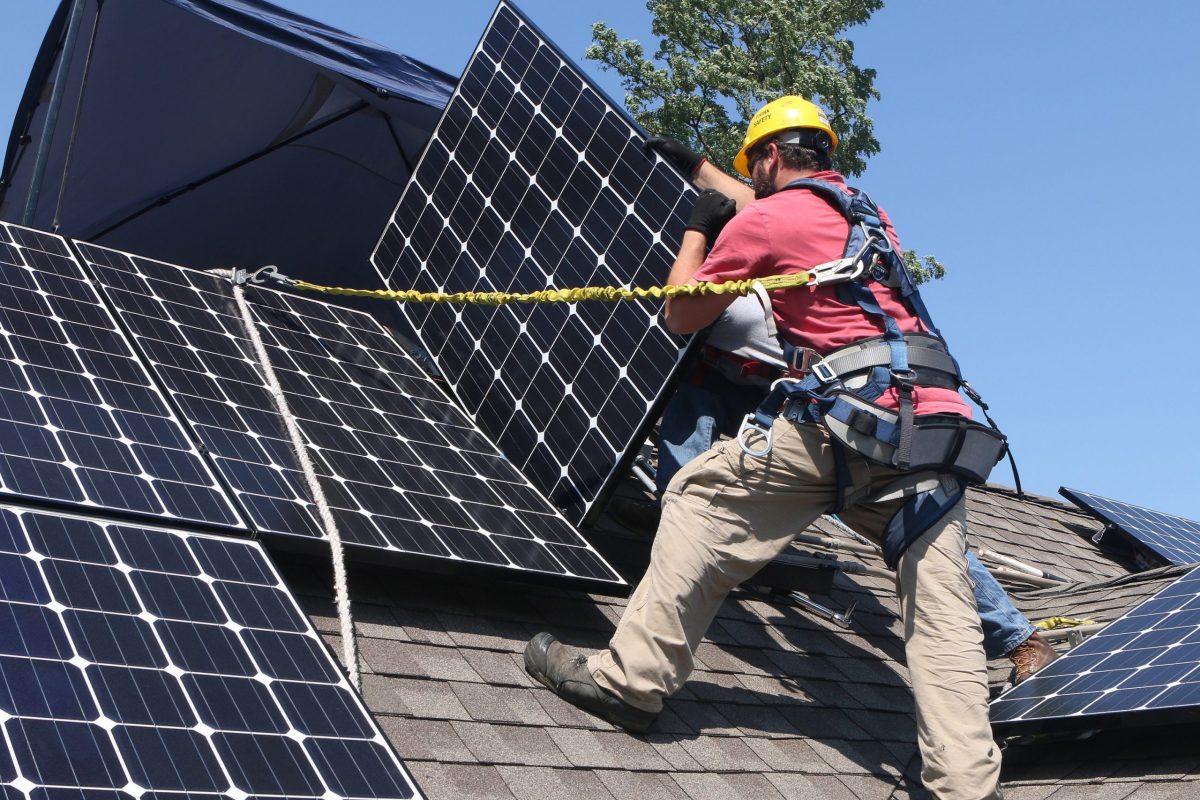
The actual installation happens quickly. Most residential systems go up in just one to three days. Your installer will mount the panels, connect the inverter, and set up your monitoring system. After installation, a local inspector and your utility company will perform final approvals before you can flip the switch.
Understanding the complete solar installation process helps set realistic expectations. From signing your contract to generating your first kilowatt-hour, expect the entire journey to take two to four months. The wait is worthwhile—you’ll be generating clean energy and watching your electricity bills drop for decades to come.
Remember to file for your federal tax credit when tax season arrives. Your installer should provide all necessary documentation to make this process simple.
Going solar in Virginia has never been more accessible or rewarding. With the federal tax credit covering 30% of your system costs, combined with Virginia’s net metering program, sales tax exemption, and flexible financing options, the financial barriers that once seemed overwhelming are now manageable stepping stones toward energy independence.
The environmental benefits speak for themselves—cleaner air, reduced carbon footprint, and a healthier planet for future generations. But the personal advantages are equally compelling: lower monthly electricity bills, increased home value, and protection against rising utility rates. These aren’t distant promises; they’re tangible results that Virginia homeowners are experiencing right now.
The path forward is simpler than you might think. Start by getting a few quotes from reputable solar installers in your area. Ask questions about available incentives, financing options, and how much you could save based on your specific energy usage. Most companies offer free consultations and personalized estimates, giving you all the information you need without any obligation.
Taking that first step today means you’re one day closer to enjoying the freedom and savings that solar energy provides. Your sustainable future is within reach—explore your solar options and discover what’s possible for your home.