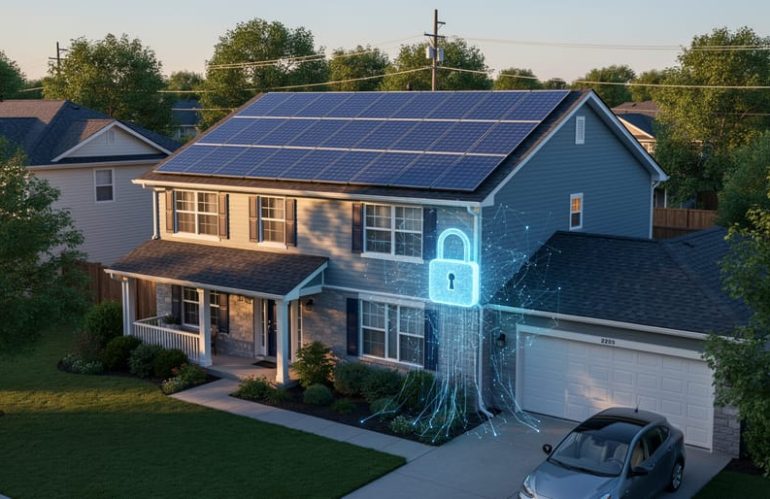
Your solar monitoring system connects to the internet, creating a digital doorway that needs protection just like you’d lock your front door. The FCC’s cybersecurity planning guide offers a framework to secure these connections, but translating federal guidelines into practical home protection can feel overwhelming.
The good news: safeguarding your solar investment doesn’t require a computer science degree. Most vulnerabilities come from simple oversights like default passwords on monitoring equipment or outdated firmware that hackers exploit to access your home network. When your solar system connects to the grid and your Wi-Fi, weak security can expose everything from your energy usage patterns to personal data stored on connected devices.
This guide transforms the FCC’s technical recommendations into straightforward actions you can take this weekend. You’ll learn which security settings matter most for solar monitoring equipment, how to spot vulnerabilities in your current setup, and simple updates that create robust protection. By implementing these strategies, you’re not just following federal guidelines—you’re ensuring your clean energy investment continues delivering savings without compromising your digital privacy or home network security. Think of it as weatherproofing, but for the digital components of your solar system.
Why Your Solar System Needs Cybersecurity Protection
How Solar Monitoring Actually Works
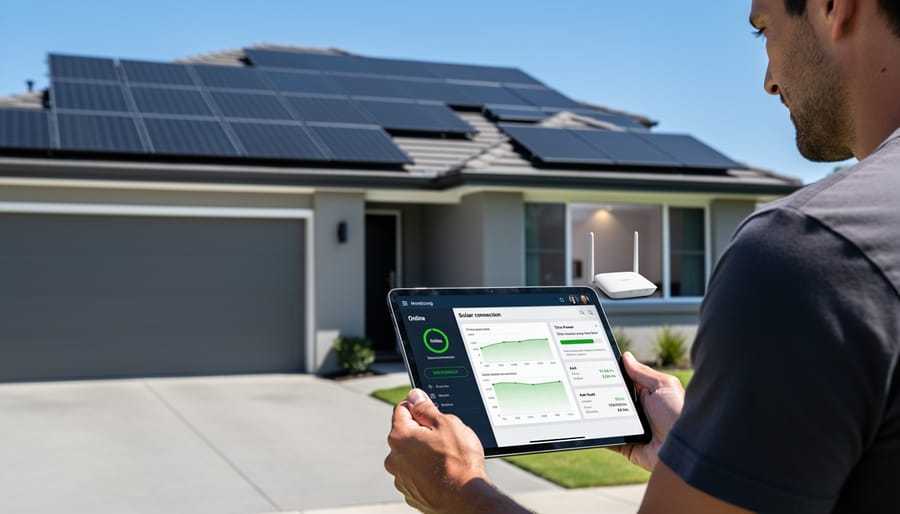
Modern solar monitoring systems work through a simple chain of communication. Your solar panels connect to an inverter, which converts the sun’s energy into electricity your home can use. The inverter contains a small device that gathers performance data, like how much energy you’re producing and whether everything’s running smoothly.
This data travels through your home’s internet connection to a cloud-based platform, where it’s organized into easy-to-read charts and alerts. You access this information through a smartphone app or website, giving you real-time insights into your system’s performance from anywhere.
Think of it like a fitness tracker for your solar system. Just as a smartwatch monitors your steps and heart rate, your solar monitoring tracks energy production and system health. The technology runs automatically in the background, sending you notifications only when something needs your attention, like a sudden drop in production that might indicate a maintenance issue.
What Hackers Could Actually Do
Let’s be clear: cybercriminals aren’t targeting your home solar system to turn off your lights. The real risks are more practical and financially motivated. Hackers could potentially access monitoring data to determine when your home is unoccupied, creating security concerns beyond just your energy system. They might also manipulate energy data to overcharge you or gain entry to other connected devices on your home network. In rare cases, vulnerabilities could allow unauthorized changes to system settings, affecting performance and efficiency. The good news? Understanding solar panel cybersecurity basics and following straightforward protection steps significantly reduces these risks. Most threats are preventable with simple actions like updating passwords and keeping software current, protecting both your investment and peace of mind.
The FCC’s Smart Approach to Solar System Security
What the FCC Recommends for Connected Energy Systems
The FCC’s cybersecurity framework offers straightforward recommendations that translate perfectly to protecting your solar monitoring system. Think of these guidelines as a practical checklist rather than complicated regulations.
First, the FCC emphasizes regular password updates and strong authentication. For your solar monitoring account, this means choosing unique passwords that combine letters, numbers, and symbols. Many modern systems now offer two-factor authentication, which adds an extra layer of protection similar to how your bank secures online transactions.
Second, the framework recommends keeping all connected devices updated with the latest software. Your solar monitoring system receives periodic updates from manufacturers that patch security vulnerabilities. Enabling automatic updates ensures you’re always protected without having to remember manual installations.
Third, the FCC advises separating critical systems on your home network. Consider creating a dedicated network for your solar equipment, keeping it separate from everyday devices like smartphones and laptops. This isolation means that even if one device gets compromised, your energy system remains secure.
The framework also highlights the importance of knowing what data your system collects and who can access it. Review your monitoring platform’s privacy settings and limit access to only necessary users. Most homeowners are surprised to learn they can customize these permissions easily through their system dashboard.
These recommendations aren’t about creating barriers—they’re about protecting your investment and ensuring your solar system continues delivering savings and sustainability benefits without interruption. Implementation takes just minutes but provides lasting peace of mind.
Why These Guidelines Matter for Your Home
Your home’s solar monitoring system connects to the internet, just like your phone or computer, which means it needs similar protection. Think of cybersecurity as a digital fence around your solar investment. Without proper safeguards, hackers could potentially tamper with your system’s performance data, causing you to miss efficiency problems that cost money. More importantly, unsecured devices can become gateways for criminals to access other connected devices in your home. The good news? The FCC’s guidelines offer a straightforward roadmap that doesn’t require technical expertise. By following these recommendations, you’ll protect your energy savings, maintain accurate system performance tracking, and ensure your solar panels work efficiently for decades. These simple security steps help maximize your return on investment while keeping your home network safe from outside threats.
Five Simple Steps to Secure Your Solar System
Change Your Default Passwords (Yes, Really)
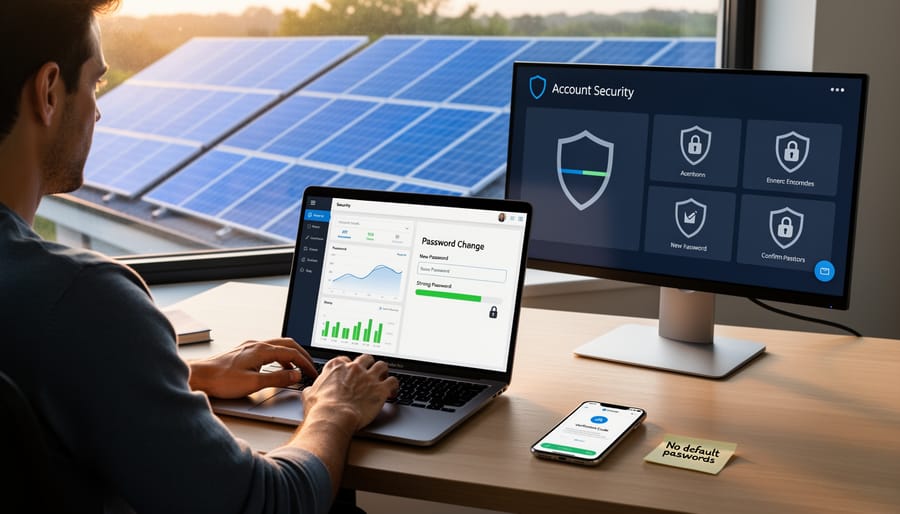
Here’s a simple truth: most solar monitoring systems come with passwords like “admin” or “12345678,” and cybercriminals know this. These default passwords are essentially unlocked doors to your system, giving anyone the ability to access your energy data or even disrupt your solar production.
The good news? Changing these passwords takes just five minutes and dramatically improves your protection. Create strong passwords by combining three unrelated words with numbers, like “Sunshine42Garden!Bicycle.” This approach makes passwords both memorable for you and difficult for automated hacking tools to crack.
For your solar monitoring system, you’ll typically need to update passwords in two places: the physical inverter interface and your online monitoring portal. Check your system’s manual for specific instructions, or contact your installer if you need guidance. Many modern systems also support password managers, which can generate and store complex passwords securely.
Consider this password change an investment in protecting the financial returns your solar system provides. Just as you wouldn’t leave your front door unlocked, your solar system deserves the same basic protection.
Keep Your System Updated
Think of firmware updates like getting a home security system upgrade—they patch vulnerabilities that hackers might exploit. Your solar monitoring system’s manufacturer regularly releases these updates to fix security gaps and improve performance, protecting both your data and your investment.
Enabling automatic updates is simpler than you might think. Log into your monitoring system’s app or web portal and look for settings labeled “System Updates” or “Firmware.” Toggle on the automatic update feature, and your system will download and install security patches in the background, usually during low-usage hours so you won’t notice any disruption.
This hands-off approach means you’re always protected without lifting a finger. If automatic updates aren’t available, set a monthly reminder to check manually—it takes just a few minutes and ensures your system stays secure against evolving threats, keeping your solar savings flowing smoothly.
Secure Your Home Wi-Fi Network
Your home Wi-Fi network is the gateway to your solar system and all your connected devices, making it your first line of defense against cyber threats. Start by changing your router’s default password to something strong and unique, combining letters, numbers, and symbols. Enable WPA3 encryption if available, or at minimum WPA2, to prevent unauthorized access. Set up a separate guest network for visitors, keeping your solar monitoring system and smart home energy management devices on your private network. Update your router’s firmware regularly, as manufacturers release patches to fix security vulnerabilities. These simple steps take less than an hour but provide lasting protection for your solar investment and personal data, giving you peace of mind while you enjoy the financial benefits of clean energy.
Know Who Has Access to Your System
Think of your solar monitoring system like your home’s front door—you want to know exactly who has the key. Start by reviewing everyone who has access to your system’s app or online portal. This typically includes family members, your solar installer, and possibly your utility company. Create a list and remove any unnecessary accounts, especially from former technicians or household members who no longer need access.
Set up unique login credentials for each person rather than sharing one password. This way, you can track who checks your system and when. Many monitoring platforms allow you to assign different permission levels—for example, giving family members view-only access while reserving control functions for yourself. Regularly audit these permissions every few months, just like you’d periodically check your home security system. If someone no longer needs access or leaves your installer’s company, remove their credentials immediately. This simple habit protects your investment and ensures only trusted individuals can interact with your solar energy system.
Work With Security-Conscious Installers
When selecting a solar installer, their cybersecurity practices matter just as much as their panel quality. Professional companies following FCC guidelines will protect your investment from day one, giving you peace of mind along with clean energy savings.
Start by asking potential installers about their network security procedures. How do they secure your monitoring system during setup? What default password policies do they follow? A reputable company will have clear answers and won’t use factory-set credentials that hackers can easily find online.
Find out if they provide guidance on your home network setup. Professional installers should recommend creating a separate network for your solar equipment, keeping it isolated from your personal devices. They’ll also explain how to enable encryption and set up secure remote access.
Ask about post-installation support for security updates. Will they notify you when firmware updates are available? Do they offer assistance with applying patches? Quality installers view cybersecurity as an ongoing service, not a one-time checkbox.
Finally, verify their own data practices. How do they store your system information and personal details? Companies committed to security will have documented policies protecting your data just as carefully as they protect your solar investment.
What to Look for When Choosing Solar Equipment
Security Certifications That Actually Matter
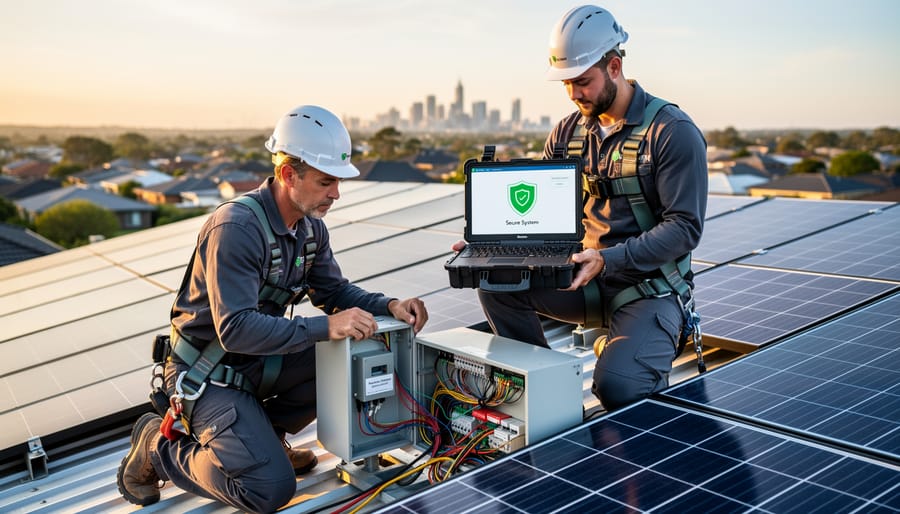
When shopping for solar monitoring equipment, look for products that meet recognized security standards—think of these as safety seals for your digital investment. UL 2900 certification specifically tests cybersecurity vulnerabilities in connected devices, making it particularly valuable for solar systems that communicate with your home network. Products certified under IEC 62443 have met international standards for industrial control system security, which applies to solar inverters and monitoring hardware.
The Cyber Trust Mark, a new FCC initiative, will soon help homeowners identify IoT devices (including solar equipment) that meet baseline security requirements. While not yet widely available, it’s worth watching for when upgrading your system.
ISO/IEC 27001 certification tells you that the manufacturer follows rigorous information security management practices—essentially, they take protecting your data seriously. For cloud-based monitoring platforms, SOC 2 compliance indicates independent verification of their security controls.
Don’t worry about memorizing these acronyms. Simply ask your solar installer which certifications their equipment holds. Reputable providers will gladly share this information and explain how it protects your investment and personal data from potential threats.
Questions to Ask Before You Buy
Before choosing solar equipment, ask your installer how they protect your monitoring system from unauthorized access. Find out if passwords come pre-set or can be customized, and whether the system requires regular security updates. Ask manufacturers if they offer automatic software patches and how long they’ll provide security support for your equipment.
Question whether your solar monitoring system encrypts data sent between panels and your home network. Confirm if the system can operate independently if internet connectivity is compromised, protecting your energy production. Ask about notification options if suspicious activity is detected.
Request information about which devices can access your solar data and whether you can control those permissions. Find out if the monitoring platform has undergone third-party security testing. Finally, ask if technical support is available to help you optimize security settings after installation, ensuring you’re getting the best protection for your investment without complicated setup procedures.
The Hidden Financial Benefits of Secure Solar Systems
Investing in solar panels represents a significant financial commitment, and protecting that investment should be a top priority. When you implement strong cybersecurity measures for your solar monitoring system, you’re actually safeguarding thousands of dollars worth of equipment and energy savings.
Think of cybersecurity as insurance for your solar system’s performance. Without proper protection, hackers could potentially disrupt your system’s operation, causing unexpected downtime that means you’re drawing expensive power from the grid instead of using your own free solar energy. Even a few days of system disruption can add up to substantial losses over time.
Many homeowners don’t realize that warranty coverage and insurance policies are increasingly including cybersecurity clauses. If your solar system experiences a breach due to inadequate security measures, you might find yourself responsible for repair costs that would otherwise be covered. Insurance companies recognize that connected devices need protection, and they’re adjusting policies accordingly.
Additionally, a secure solar system maintains optimal performance by preventing unauthorized access that could alter your system settings. When your panels operate at peak efficiency without interference, you maximize your return on investment through consistent energy production and lower utility bills.
The good news? Most cybersecurity measures are simple to implement and cost far less than potential losses from a compromised system. By following basic security practices, you’re protecting not just your equipment, but also the long-term financial benefits that motivated your solar investment in the first place.
Protecting your solar investment doesn’t require a degree in computer science. The good news is that securing your solar monitoring system is much simpler than you might think. By following a few straightforward steps like changing default passwords, keeping software updated, and working with installers who prioritize security, you’re already miles ahead in safeguarding your system.
The reality is that cybersecurity doesn’t have to be complicated or time-consuming. These basic protections offer significant peace of mind, ensuring your system continues generating clean energy and savings for decades to come. When you choose experienced professionals like Residential Solar Panels for your installation, you’re working with experts who understand that security and performance go hand in hand. They’ll set up your system with proper protections from day one, so you can focus on enjoying lower energy bills and a smaller carbon footprint without worrying about digital threats.