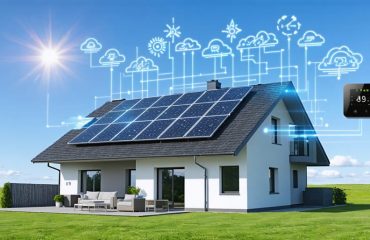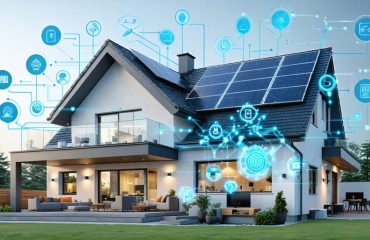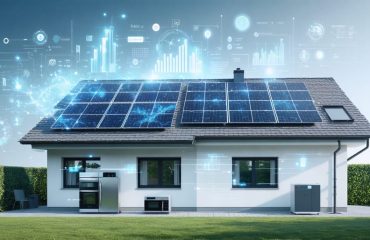
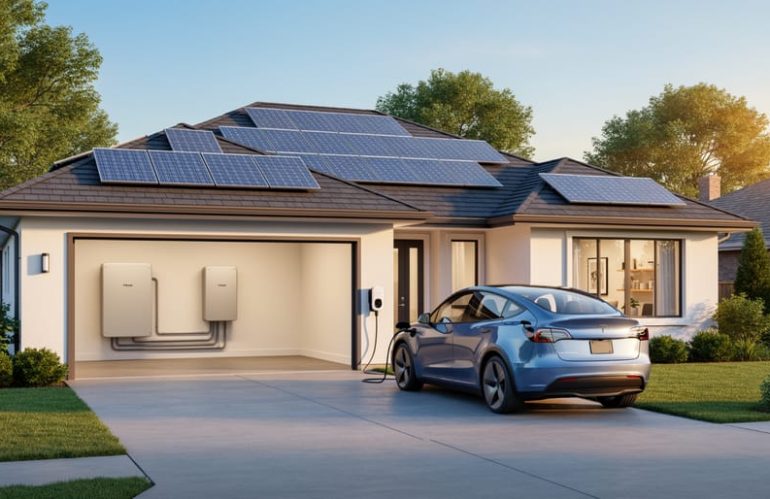
Your solar panels are generating clean energy, but without connecting them to your battery storage, smart thermostat, and EV charger, you’re leaving money on the table every month. Integrated energy management transforms these separate systems into a coordinated network that automatically stores excess solar power, shifts your home’s energy use to the cheapest times, and ensures you’re drawing from the most cost-effective source at any given moment.
Think of it as upgrading from manually juggling multiple bank accounts to having automated financial software that optimizes everything for you. Instead of your solar panels sending excess energy back to the grid for pennies while you later buy expensive evening electricity, integration captures that surplus in your battery and deploys it precisely when rates spike. Your water heater runs during peak solar production hours. Your EV charges overnight when electricity is cheapest. Your HVAC system precools your home using free solar energy before the sun sets.
The result is straightforward: homeowners with integrated systems typically slash their grid electricity purchases by 70-90% compared to those with standalone solar installations, translating to hundreds or thousands in additional annual savings beyond basic solar benefits.
What Integrated Energy Management Really Means (Without the Technical Jargon)
Think of integrated energy management like conducting an orchestra. Just as a conductor ensures every instrument plays at the right time to create beautiful music, an integrated system coordinates all your home’s energy sources and uses to work in perfect harmony.
Here’s the simple version: Instead of having your solar panels, battery storage, appliances, and grid connection operating independently, integrated energy management brings them together under one intelligent system. It’s the brain that makes smart decisions about when to use solar power directly, when to store excess energy in your battery, when to draw from storage, and when it makes sense to pull from the grid.
Let’s say it’s a sunny afternoon and your solar panels are producing more electricity than you’re using. Rather than automatically sending that surplus back to the grid for minimal credit, your system might charge your battery for evening use, pre-cool your home before peak rate hours, or run your dishwasher when power is essentially free. Later that evening, when the sun sets and electricity rates spike, your system draws from the charged battery instead of the expensive grid.
This coordination happens automatically, without you lifting a finger. Solar energy management systems continuously monitor electricity rates, weather patterns, your usage habits, and battery levels to make split-second decisions that maximize your savings.
The result? You use more of the clean energy you’re producing, reduce reliance on grid power during expensive peak hours, and slash your electricity bills—all while your home runs exactly as you want it to.
The Financial Problem Most Solar Homeowners Don’t Know They Have
If you’ve invested in solar panels, you’re already saving money on electricity—but here’s something many homeowners don’t realize: you might be leaving hundreds or even thousands of dollars on the table each year.
The culprit? A lack of coordination between your solar panels, battery storage, and home appliances. Most traditional solar setups operate independently, which creates three common money drains.
First, your solar panels generate the most energy during midday when you’re typically at work or out. Without smart management, this excess power gets exported back to the grid. Sounds good, right? Not quite. Utilities usually pay you far less for exported energy than what you pay to buy electricity back in the evening—sometimes just a fraction of the retail rate.
Second, your most expensive electricity consumption probably happens during peak evening hours when solar production has dropped off. Running your dishwasher, doing laundry, or charging your electric vehicle after dinner means paying premium rates for grid power, even though your system generated plenty of free energy earlier.
Third, if you have a battery, it might be charging from the grid during expensive peak periods or discharging at the wrong times, essentially buying high and selling low.
These missed opportunities add up quickly. The good news? Integrated energy management solves all three problems by coordinating when and how your energy gets produced, stored, and used—automatically maximizing your savings without any extra effort on your part.
The Three Parts of Your Integrated Energy System
Your Solar Panels: The Power Generator
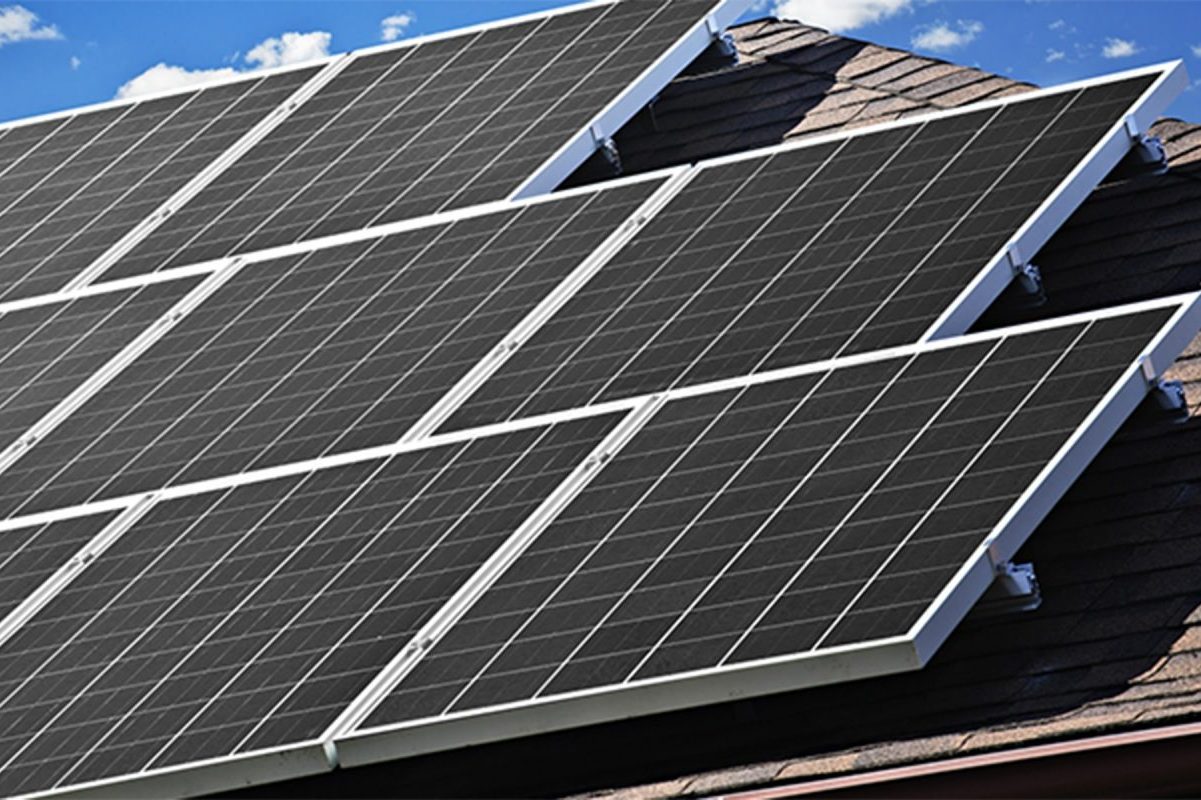
Your solar panels work like a mini power plant on your roof, converting sunlight into electricity throughout the day. Here’s the catch: they produce the most energy during midday hours when the sun is strongest, but that’s often when your home needs the least power. Most families are at work or school during peak production hours, which means all that valuable energy gets sent back to the grid at rates that are typically much lower than what you pay when buying electricity back in the evening.
This timing mismatch is exactly why integrated energy management matters so much. Without a smart system coordinating your energy use, you’re essentially generating power at retail value but selling it at wholesale prices. Think of it like baking fresh bread and selling it for half price while buying day-old bread at full cost later. The solution isn’t producing more solar energy—it’s about capturing and using that energy when it benefits you most financially, which is where batteries, smart devices, and intelligent monitoring come into play.
Battery Storage: Your Energy Bank Account
Think of a battery as your home’s personal energy savings account. When your solar panels produce more electricity than you’re using—typically during sunny midday hours—battery storage systems automatically deposit that excess power for later. Then, when evening arrives and your family fires up appliances for dinner while your panels sit idle, you withdraw that stored energy instead of buying expensive electricity from the grid.
This time-shifting capability transforms how you use solar power. Without batteries, you’re essentially giving away your excess daytime energy to the utility company for pennies, then buying it back at premium rates during peak evening hours. With storage, you keep that value for yourself.
Modern batteries also provide backup power during outages, keeping your essentials running when neighbors lose electricity. And here’s the best part: integrated systems automatically manage these deposits and withdrawals without you lifting a finger. The technology monitors your usage patterns, weather forecasts, and electricity rates to optimize when to store, when to use, and when to draw from the grid.
The financial math is straightforward. If your utility charges higher rates during evening peak hours, storing your midday solar production can deliver significant monthly savings while reducing your reliance on fossil-fuel power plants.
Smart Controls: The Brain Behind the Operation
Think of smart controls as your home’s energy autopilot. This intelligent software continuously monitors how much energy you’re producing, storing, and using, then makes split-second decisions to optimize your savings without you lifting a finger.
Here’s where the magic happens: the system learns your daily routines—when you wake up, run the dishwasher, or crank the air conditioning. It combines this knowledge with weather forecasts and real-time electricity rates to make smart choices automatically. If the forecast shows sunny skies tomorrow, it might use stored battery power tonight. When electricity rates spike during peak hours, it seamlessly switches to your solar panels or battery instead of drawing from the grid.
The beauty of smart home energy management is that it handles complexity behind the scenes. You simply set your preferences once—prioritize savings, backup power, or environmental impact—and the system does the rest. Many platforms even send you notifications when you’re saving money or suggest minor adjustments to boost efficiency further.
The result? You maximize your solar investment without becoming an energy expert. The software constantly adapts to changing conditions, ensuring you’re always using energy in the most cost-effective way possible. It’s like having a personal energy advisor working around the clock to keep more money in your pocket.
Real Ways Integrated Management Puts Money Back in Your Pocket
Running Your Home on Yesterday’s Sunshine
Your solar panels work hardest during midday when the sun is strong—unfortunately, that’s exactly when most families are at work or school and using minimal electricity. Meanwhile, evening hours when everyone’s home cooking dinner, running appliances, and turning on lights are typically when electricity rates peak.
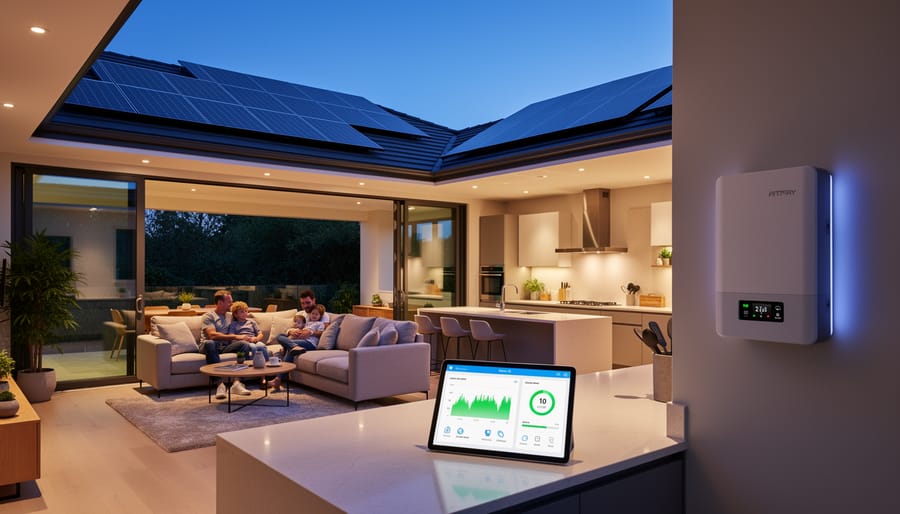
This is where integrated energy management truly shines. Instead of sending your excess daytime solar power back to the grid for minimal credit, the system automatically stores it in your home battery. Think of it as filling up a energy piggy bank during sunny hours. When evening arrives and utility rates spike, your system seamlessly draws from this stored sunshine rather than pulling expensive power from the grid.
The beauty lies in the automation—you don’t need to monitor weather forecasts or manually switch settings. The system learns your household patterns and optimizes storage accordingly. Many homeowners find they can power their entire evening routine on stored solar energy, effectively time-shifting their clean power production to match their actual consumption needs and avoiding those costly peak-hour electricity charges.
Avoiding Peak Rate Penalties
One of the smartest ways integrated energy management saves you money is by automatically scheduling your energy-intensive appliances to run when electricity rates are lowest. Many utility companies charge different rates throughout the day, with peak hours (usually afternoons and early evenings) costing significantly more than off-peak times.
Your integrated system learns these rate schedules and takes control. It can delay your dishwasher cycle until midnight, preheat your water heater using excess solar power in the afternoon, or charge your electric vehicle overnight when rates drop. The best part? You don’t have to remember to do any of this manually or change your lifestyle.
For example, if your utility charges 30 cents per kilowatt-hour during peak times but only 12 cents during off-peak hours, that’s a 60% savings on every load shifted. For a typical household running major appliances during cheaper periods, this can translate to $300-600 in annual savings. The system handles everything behind the scenes while you enjoy lower bills without any extra effort.
Selling Energy Back When It’s Actually Profitable
The smartest energy systems act like day traders for your electricity—they automatically decide when selling your excess solar power makes more financial sense than storing it in your battery. These systems monitor real-time electricity prices throughout the day, comparing what your utility will pay for exported energy against what you’ll pay later when drawing from the grid.
Here’s how it works: During peak demand hours (typically late afternoon and early evening), electricity prices often spike significantly. Your integrated system recognizes these premium rate windows and sells your stored energy back to the grid, potentially earning you two to three times more than during standard hours. Conversely, when rates are low or your battery is running low, the system prioritizes keeping that energy for your own use.
This intelligent decision-making happens automatically, without you lifting a finger. The system continuously calculates which option saves you more money—using your stored energy to avoid expensive grid power, or selling it at premium rates and drawing cheaper power later. Over a year, this optimization can add hundreds of dollars to your energy savings.
Busting the Myth: ‘Isn’t This Too Complicated for Regular Homeowners?’
Let’s clear the air: integrated energy management sounds technical, but using it? That’s the easy part. Today’s systems are designed with everyday homeowners in mind, not engineers.
Think of it like your smartphone. Behind the scenes, there’s complex technology managing apps, battery life, and connectivity. But you? You just tap what you want and it works. The same principle applies here. Modern integrated systems run quietly in the background, making thousands of micro-adjustments throughout the day without you lifting a finger.
Installation typically takes a day or two, handled entirely by certified professionals. They configure everything based on your household routines and preferences during setup. After that, the system learns your patterns and optimizes automatically. Want to adjust something? Most platforms offer simple smartphone apps with intuitive interfaces—think sliders and toggles, not complicated menus.
The learning curve is minimal. You’ll set basic preferences once: what temperature you prefer, when you’re typically home, which appliances to prioritize during peak solar production. The system takes it from there, continuously fine-tuning to squeeze out maximum savings.
Here’s the reality: you’ll interact with your integrated energy system less than you interact with your thermostat. It’s designed to be invisible, working tirelessly while you focus on living your life. The complexity stays under the hood where it belongs, delivering simplicity and savings to you.
What to Look For When Choosing an Integrated Solar Solution
Choosing the right system means looking beyond just the panels on your roof. The best integrated solar solutions work seamlessly with your home’s existing systems and grow with your changing needs.
Start by asking potential installers about compatibility. Your solar system should communicate easily with your current HVAC, water heater, and any electric vehicle chargers you have or plan to add. Systems that use standard communication protocols will give you more flexibility and avoid locking you into one manufacturer.
Expandability matters more than many homeowners realize. Your energy needs will likely change over time—maybe you’ll add a home office, purchase an electric vehicle, or install a pool. Choose a system that can accommodate additional panels, battery storage, or other components without requiring a complete overhaul. This forward-thinking approach protects your investment and saves money down the road.
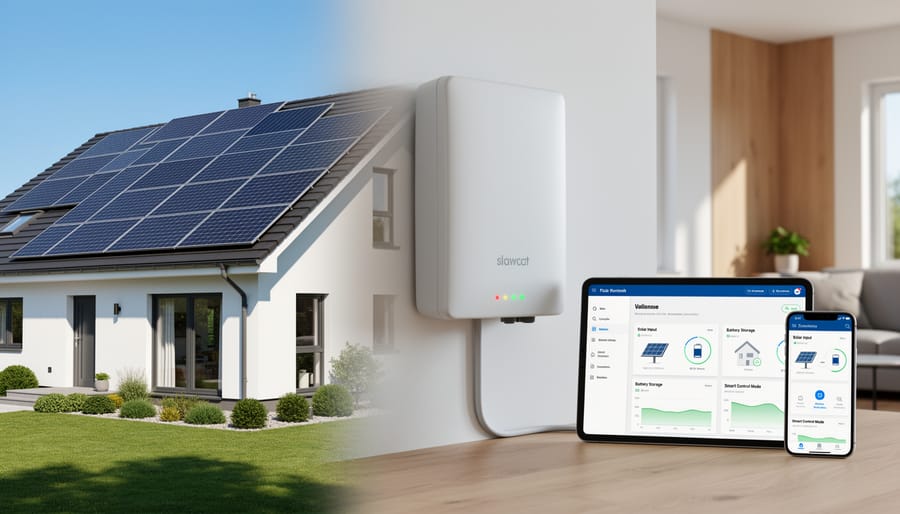
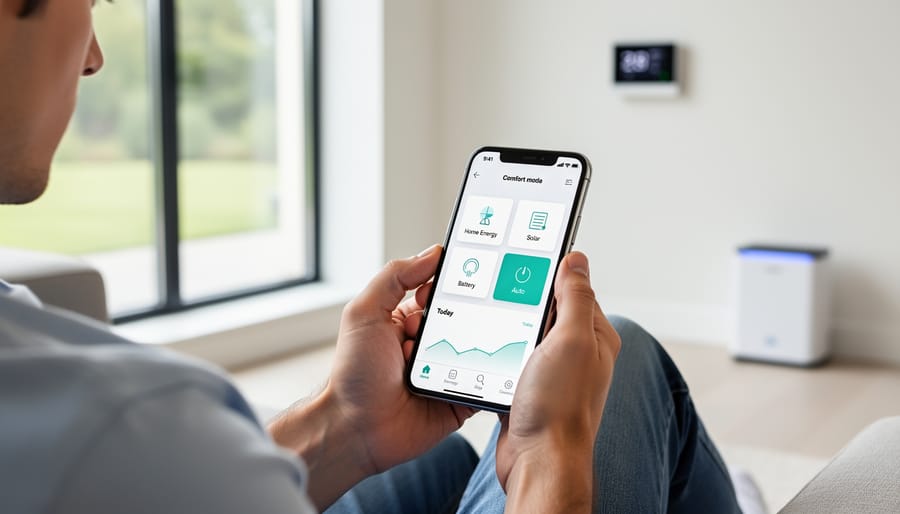
App-based monitoring should be intuitive and informative, not overwhelming. Look for systems that show you real-time energy production and consumption in simple terms, alert you to potential issues before they become problems, and help you identify opportunities to save even more. The best apps make energy management feel effortless rather than complicated.
Perhaps most importantly, work with installers who think beyond panel placement. They should ask questions about your lifestyle, future plans, and overall energy goals. Experienced professionals understand how different systems interact and can design a solution that truly optimizes your entire home’s energy use. Red flags include installers who focus solely on system size without discussing integration possibilities or those who dismiss questions about smart home connectivity.
Integrated energy management represents more than just an upgrade to your home’s power system—it’s a complete reimagining of how you produce, store, and use electricity. By bringing together solar panels, battery storage, smart monitoring, and intelligent controls, you’re transforming your rooftop investment from a simple electricity generator into a comprehensive financial and environmental solution that adapts to your lifestyle.
The beauty of this approach lies in its simplicity once installed. While the technology behind it is sophisticated, the experience is straightforward: lower energy bills, greater independence from utility rate hikes, and the satisfaction of knowing you’re making a real difference for the environment. You’re not just reducing your carbon footprint—you’re taking meaningful control of one of your home’s largest ongoing expenses.
The path to energy independence starts with a single decision. Whether you’re considering your first solar installation or looking to enhance an existing system, exploring integrated options puts you in the driver’s seat. Your energy future doesn’t have to be complicated or uncertain—it can be clean, cost-effective, and entirely within your control.