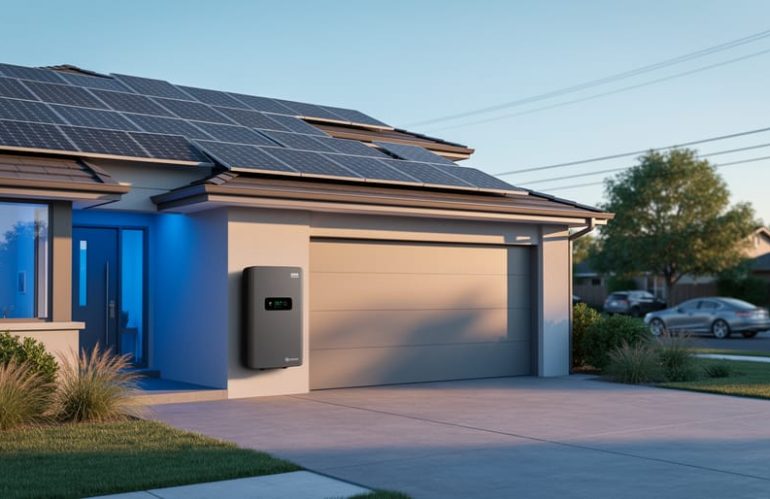
Imagine never worrying about rising electricity bills again. An independent energy system—combining solar panels, battery storage, and smart energy management—gives your home the power to generate, store, and use its own electricity, dramatically reducing or even eliminating your dependence on the utility grid.
For homeowners tired of unpredictable energy costs and concerned about blackouts, these systems represent a practical path to energy freedom. You’re not just installing equipment; you’re taking control of one of your home’s biggest recurring expenses while protecting yourself from grid failures and rate hikes.
The technology has evolved far beyond experimental rooftop panels. Modern independent energy systems are reliable, increasingly affordable, and designed for everyday homeowners—not just tech enthusiasts or the ultra-wealthy. Federal tax credits currently cover 30% of installation costs, while state and local incentives can reduce your investment even further. Most systems pay for themselves within 7-12 years, then provide decades of virtually free electricity.
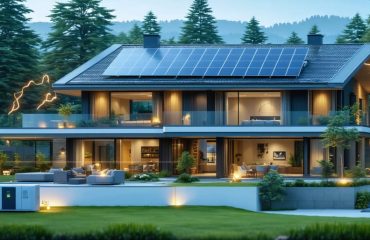
The core components work together seamlessly: solar panels capture sunlight and convert it to electricity, battery storage banks extra power for nighttime or cloudy days, and intelligent management systems optimize when to use, store, or draw from the grid. You don’t need an engineering degree to operate one—most systems run automatically through simple smartphone apps.
Whether you want complete grid independence or just substantial bill reduction with backup power security, an independent energy system offers a concrete solution that’s more accessible than you might think.
What Makes an Energy System Truly Independent
The Three Pillars of Energy Independence
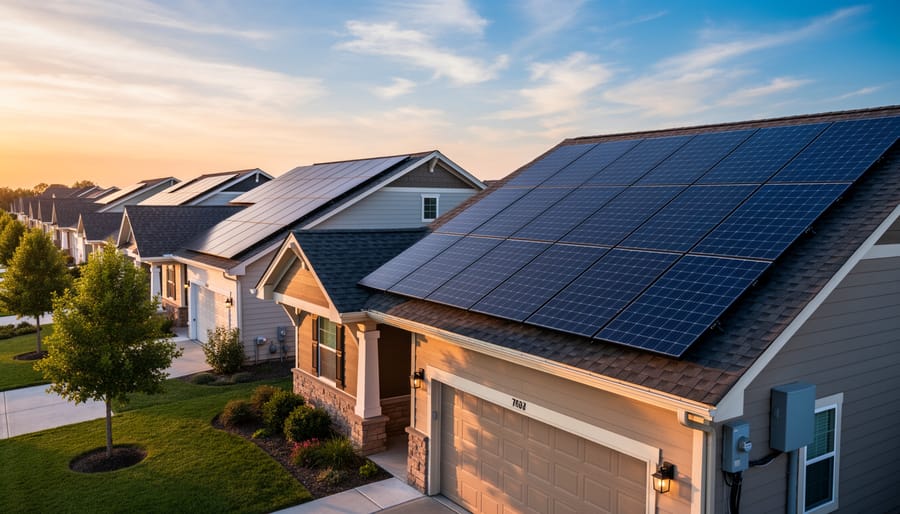
Think of your independent energy system as a three-legged stool—each component equally important for balance and stability. When these three pillars work together, you create a home that can stand on its own, free from the limitations and uncertainties of the traditional power grid.
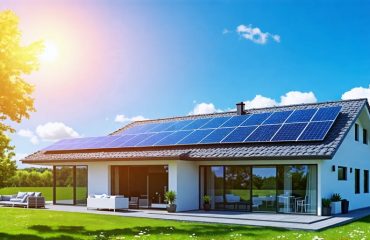
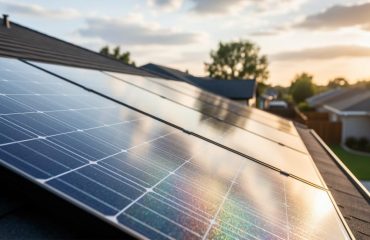
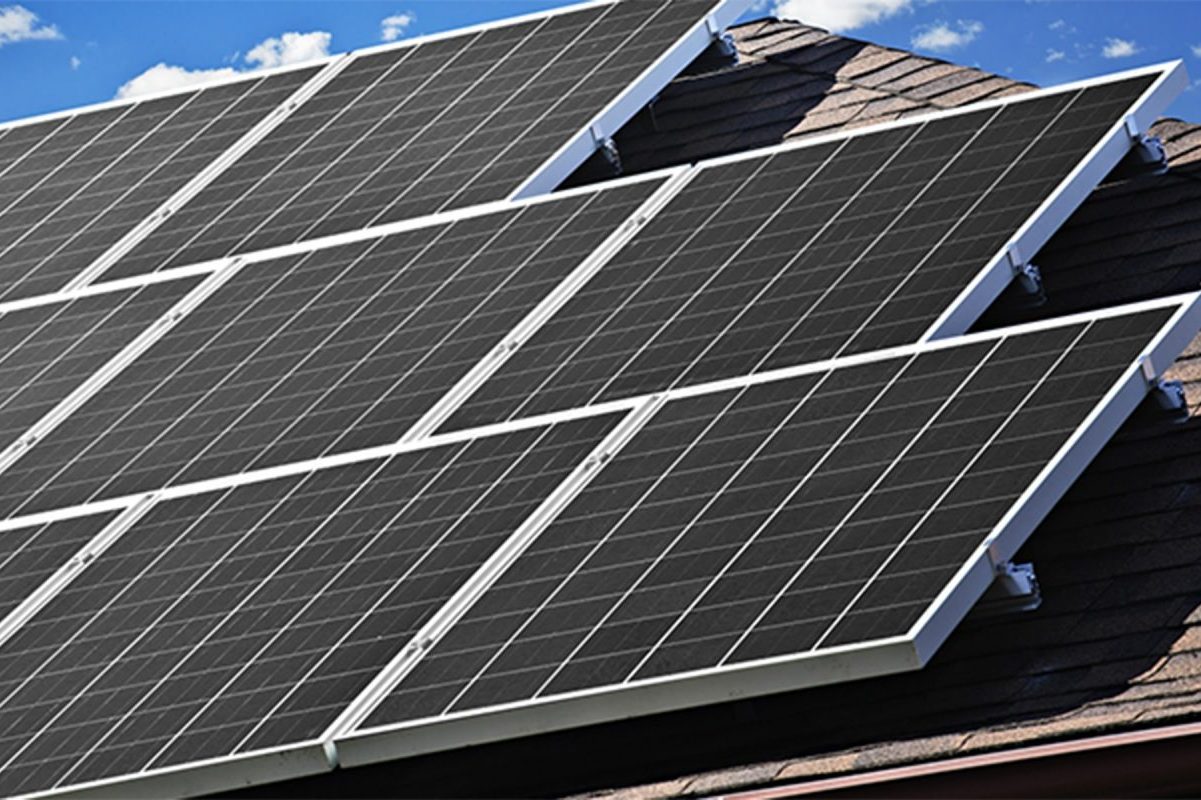
The first pillar is energy generation. This is where independent solar panels come into play, converting sunlight into clean electricity for your home. Modern solar panels are more efficient and affordable than ever, capable of producing enough power to meet your daily needs even on cloudy days. Think of them as your personal power plant, silently working on your roof to keep your lights on and your appliances running.
The second pillar is energy storage. Home battery storage captures the excess energy your panels produce during sunny days and saves it for later use. Without batteries, you would only have power when the sun is shining. With them, you can use solar energy at night, during storms, or whenever you need it most. This is what transforms a solar setup from grid-connected to truly independent.
The third pillar is energy management. Smart systems monitor your energy production and consumption in real time, automatically optimizing when to use stored power, when to generate more, and how to maximize efficiency. These intelligent systems learn your household patterns and make decisions that save you money while ensuring you always have the power you need.
Home Energy Management Systems: Your Personal Energy Control Center
How Smart Management Stretches Your Solar Power Further
Think of a home energy management system (HEMS) as a smart traffic controller for your electricity. Instead of letting energy flow randomly, smart energy management systems automatically direct power where it’s needed most, when it makes the most sense.
Here’s how it works in practice: When the sun is shining brightly at midday and your solar panels are producing maximum power, your HEMS can automatically run energy-hungry appliances like your dishwasher, washing machine, or pool pump. This means you’re using free solar electricity instead of expensive grid power. One California homeowner reduced their electricity bills by 40% simply by shifting their laundry and pool maintenance to midday hours.
The system also prioritizes critical loads. Your refrigerator, medical equipment, and home security system always get power first. Less essential items, like landscape lighting or guest room outlets, can be temporarily reduced if battery reserves run low.
During evening hours when solar production stops, the HEMS draws from your battery storage for essential needs while minimizing waste on non-critical items. It learns your household patterns over time, becoming smarter about when you typically cook dinner, charge devices, or run appliances.
This intelligent coordination means your solar panels and batteries work harder for you, extending your energy independence without requiring a massive, expensive system.
Monitoring Your Energy in Real-Time
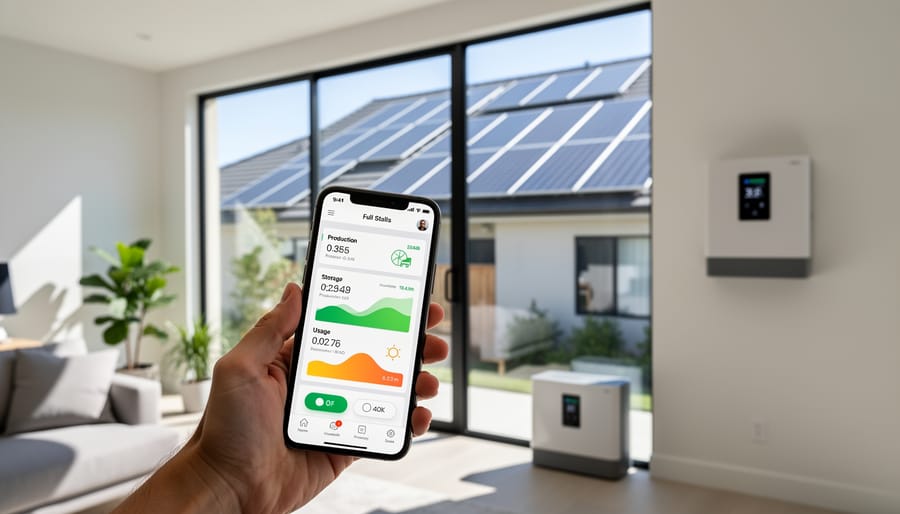
One of the most empowering aspects of an independent energy system is the ability to see your energy production and consumption in real-time. Modern systems come equipped with intuitive dashboards and mobile apps that display exactly how much power your solar panels are generating, how much your home is using, and how much energy is stored in your battery at any given moment.
These user-friendly interfaces transform abstract concepts into clear, visual information. You’ll see colorful graphs showing your energy flow throughout the day, helping you identify which appliances use the most power and when your system performs best. Many homeowners discover surprising patterns, like how shifting laundry to sunny afternoons can maximize their use of self-generated power.
The transparency these monitoring tools provide puts you in control of your energy decisions. You can track your savings in real dollars, watch your carbon footprint shrink, and even receive alerts if something needs attention. Instead of waiting for a monthly utility bill surprise, you’ll have complete visibility into your energy independence journey. This immediate feedback makes it easier to optimize your usage and celebrate the financial benefits of producing your own clean energy.
The Financial Rewards of Going Independent
Breaking Free From Rising Utility Rates
If you’ve noticed your electricity bill creeping higher year after year, you’re not alone. Traditional utility rates have increased by an average of 2-4% annually over the past decade, with some regions experiencing even steeper hikes. When you generate your own power with an independent energy system, you essentially lock in your energy costs at today’s rates. Instead of wondering what your utility company will charge next year, you’re investing in equipment that produces predictable, free energy from the sun for 25 years or more.
Think of it like choosing between renting and owning. Utility customers are essentially renting their electricity month after month, subject to whatever price increases come their way. Independent system owners make an upfront investment that shields them from these unpredictable rate changes. While your neighbors face rising bills, your system continues generating power at no additional cost. Many homeowners find that their monthly solar loan or lease payment remains lower than what they would have paid the utility company—and once that payment ends, the savings become even more dramatic. It’s financial predictability in an increasingly uncertain energy landscape.
When Your Investment Pays for Itself
The good news? Independent energy systems typically pay for themselves faster than most people expect. While upfront costs vary based on system size and your energy needs, most homeowners see a full return on investment within 7 to 12 years—and your system will likely produce clean energy for 25 years or more.
Federal tax credits make going independent even more attractive. The current Investment Tax Credit lets you deduct 30% of your solar and battery installation costs from your federal taxes. Many states and local utilities offer additional rebates and incentives that can shave thousands off your initial investment.
Beyond the numbers, consider what you’re buying: decades of price protection against rising utility rates, which historically increase 3-5% annually. That means your savings grow larger each year while your neighbors’ bills keep climbing.
The break-even point arrives sooner in areas with high electricity rates or frequent outages. Some homeowners in premium-rate states recover their investment in as little as 5 years. After that? Every kilowatt-hour you generate is money that stays in your pocket, turning your roof into a long-term asset that literally pays dividends.
Energy Security When You Need It Most
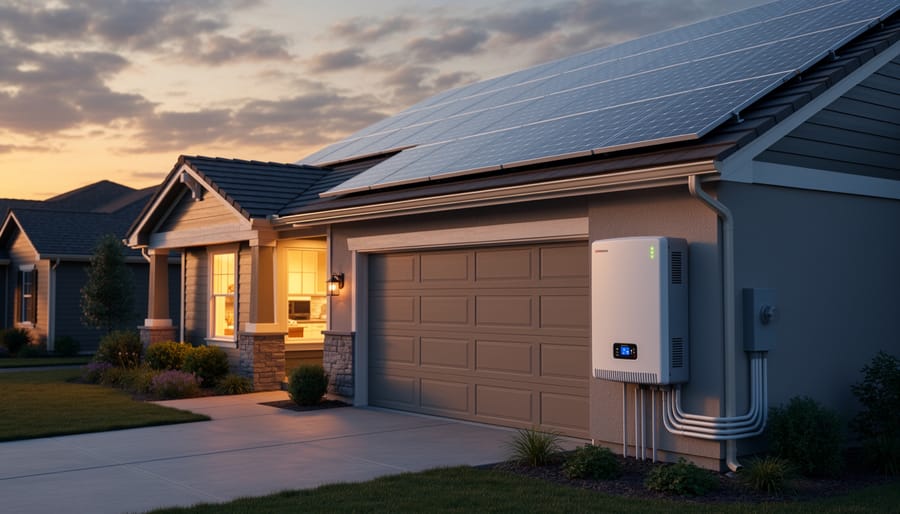
When the power goes out in your neighborhood, you don’t want to be left in the dark wondering when the lights will come back on. An independent energy system transforms your home into a reliable power source that keeps running when your neighbors are reaching for flashlights and candles.
The reality is that grid outages are becoming more common, not less. Whether it’s a summer storm, winter ice event, or strain from extreme temperatures, our aging power grid faces increasing pressure. Having backup power during outages means your refrigerator keeps food fresh, medical equipment stays operational, and your family remains comfortable regardless of what’s happening outside your property line.
Beyond the practical benefits, there’s genuine peace of mind in knowing you’re prepared. You won’t need to scramble for a hotel during extended outages or worry about frozen pipes when heating systems fail. Your home office stays functional, allowing you to work without interruption, and you can even become a helpful neighbor by charging phones or storing perishables for those less prepared.
This isn’t about living in fear or preparing for doomsday scenarios. It’s simply smart planning that recognizes our increasing dependence on electricity for everyday life. From charging electric vehicles to powering home security systems, we rely on consistent electricity more than ever before.
The financial savings from reduced energy bills are certainly appealing, but the real value often becomes clear during that first outage when you’re the only house on the block with lights on. It’s a small investment in big reassurance, knowing your family’s comfort and safety aren’t dependent on an aging infrastructure that’s increasingly stretched to its limits.
Debunking Common Myths About Independent Energy Systems
If you’re considering an independent energy system, you’ve probably heard some concerns that might be holding you back. Let’s clear up these common misconceptions with facts that might surprise you.
The first myth is that you need perfect, sunny weather every day for these systems to work. The truth? Modern solar panels generate electricity even on cloudy days, just at reduced capacity. Plus, battery storage means you’re capturing excess energy from those bright days to use whenever you need it. Systems are designed with your local climate in mind, factoring in seasonal variations to ensure year-round reliability.
Another widespread belief is that batteries don’t last long enough to justify the investment. Today’s lithium-ion batteries typically come with warranties of 10 to 15 years and often last even longer with minimal performance degradation. Many homeowners find their batteries outlive their initial expectations, and as technology advances, replacement costs continue to drop.
Perhaps the biggest barrier is the assumption that independent energy systems are prohibitively expensive. While there’s an upfront investment, the picture changes dramatically when you consider federal tax credits that can cover up to 30% of your costs, state incentives, and the elimination of monthly electric bills. Most homeowners see a return on investment within 7 to 12 years, and your system can last 25 years or more. When you factor in rising utility rates, the savings compound significantly over time.
Finally, many people worry that managing an independent energy system is too complicated. The reality is that these systems are designed for simplicity. Smart monitoring apps let you track your energy production and usage from your phone, and most systems operate automatically without requiring daily attention. Maintenance is minimal, usually just occasional panel cleaning and routine check-ups, which your installer can handle.
The bottom line? The barriers that once made independent energy systems challenging for average homeowners have largely disappeared. Today’s technology is more affordable, more reliable, and easier to use than ever before, making energy independence an achievable goal for most homes.
Is Your Home Ready for Energy Independence?
Starting Your Independence Journey
Taking the first steps toward energy independence is simpler than most homeowners imagine. Begin by reviewing your recent electricity bills to understand your average monthly usage and spending patterns. This baseline helps you see exactly where your money goes and what you could save.
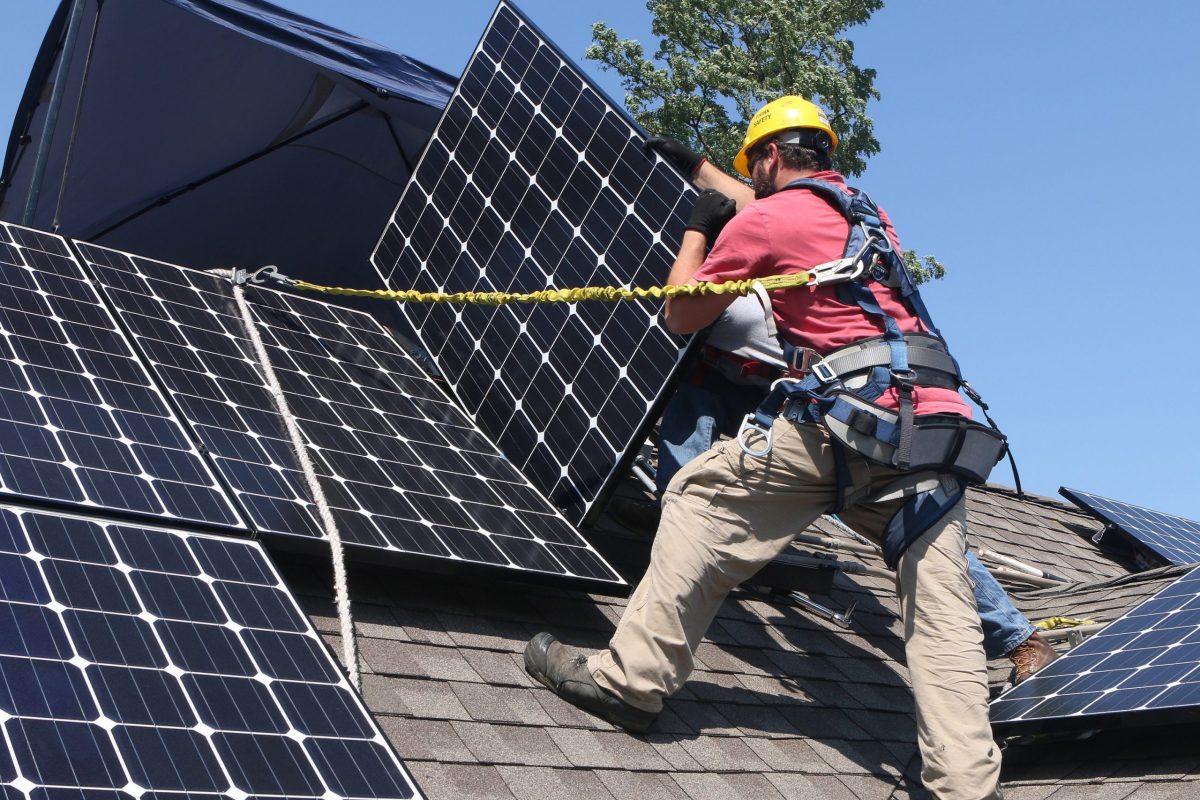
Next, schedule a no-obligation assessment with a qualified solar installer. They’ll evaluate your roof’s condition, sun exposure, and shading to determine your home’s potential. Many companies offer free consultations that include customized system designs and financial projections specific to your property.
While waiting for your assessment, walk through your home and identify energy-hungry appliances or habits you could adjust. Small changes today can reduce the system size you’ll need tomorrow, lowering your upfront investment.
Remember, you don’t need to understand every technical detail to get started. The key is gathering information about your current energy use and exploring what’s possible for your specific situation. Most homeowners find the process surprisingly straightforward once they take that first step.
Taking control of your home’s energy isn’t just an environmental decision—it’s a smart financial move that pays dividends for years to come. By investing in an independent energy system, you’re choosing both lower monthly bills and a cleaner planet. The technology has never been more accessible or affordable, and the benefits extend far beyond your wallet to include energy security, increased home value, and the satisfaction of reducing your carbon footprint.
The path to energy independence starts with a single step. Whether you begin with a consultation to assess your home’s solar potential, explore financing options that fit your budget, or simply educate yourself further about available technologies, every action moves you closer to freedom from rising utility costs.
The future of home energy is bright, and it’s powered by homeowners like you who are ready to embrace sustainable solutions. As more families make the switch to independent energy systems, we’re collectively building a cleaner, more resilient energy landscape—one rooftop at a time. Your journey toward energy independence can start today.